Culture and Art
Khalid Ergenç, 'Sultan Suleiman', opens a sweets shop in London
Turkish star Halit Ergenç, the hero of the series 'Harem Sultan', moves to London with his family and opens a Turkish sweets shop, in a move that combines investment and spreading culture.

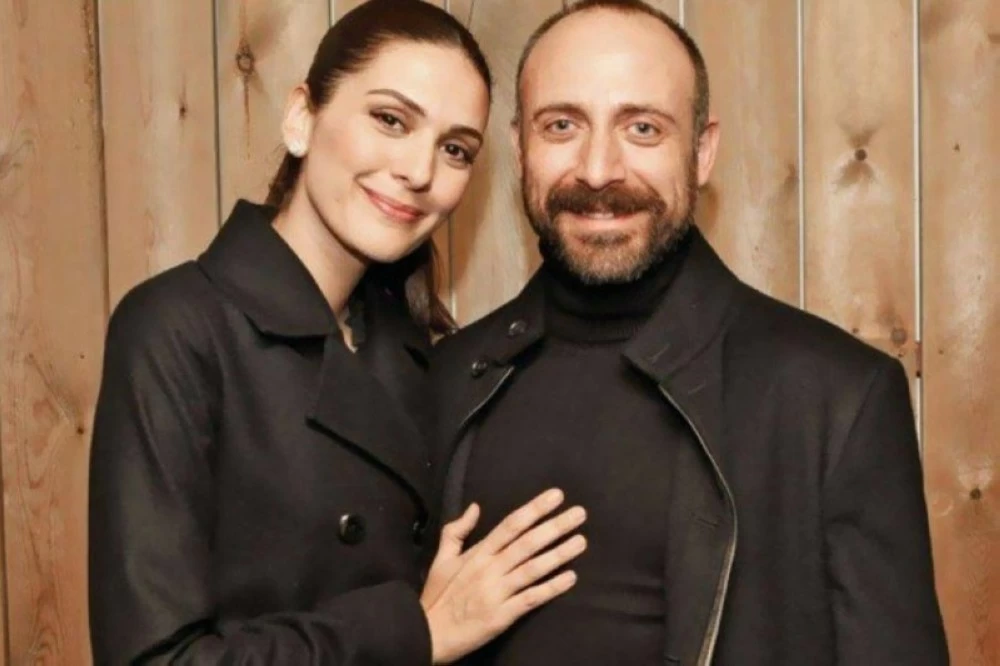
In a remarkable move combining art and investment, the famous Turkish star Khalid Ergenç, who etched his name in the memory of millions with his role as “Sultan Suleiman the Magnificent”, moved from Istanbul to the British capital, London, to begin a new chapter in his professional and personal life by opening a store specializing in selling authentic Turkish sweets and pastries.
A carefully planned project
In a press statement, Argenç confirmed that this business venture was not a coincidence, but rather the result of a well-thought-out idea that had been planned for a long time. He explained that the store was established in partnership with a number of close friends, emphasizing that his current focus is on the success of this London branch, and denying any plans to expand or open other branches within Türkiye at present.
Background to the decision: Stepping away from the spotlight
The decision to move to London wasn't solely driven by investment; it was also a search for a quieter and more private life. Halit Ergenç relocated to Britain with his wife, actress Bergüzar Korel, and their three children. Sources close to the family indicate that the intense media pressure and constant paparazzi pursuit in Turkey were key factors in their desire to find an environment that would allow their children to grow up naturally, away from the spotlight of their parents' fame.
The phenomenon of "Harem of the Sultan" and the power of Turkish drama
This news comes amidst the immense global impact of Turkish drama over the past decade. The series "Magnificent Century" (Muhteşem Yüzyıl) is a prime example of this soft power, achieving phenomenal success not only in Turkey but also being broadcast in dozens of countries worldwide, from the Middle East and North Africa to the Balkans and Latin America, achieving record viewership. This success transformed Halit Ergenç into a global icon and paved the way for the widespread dissemination of Turkish culture.
The cultural and economic importance of the project
Argenç is more than just a business venture; it serves as an ambassador for Turkish cuisine and culture in one of the world's most important capitals. In a multicultural city like London, the project introduces a new audience to traditional Turkish sweets such as baklava and Turkish delight. This initiative also demonstrates the ability of celebrities to leverage their global fame in projects that promote their country's cultural heritage, creating a dual economic and cultural impact.
A glimpse into the career of "The Sultan"
Halit Ergenç was born on April 30, 1970, in Istanbul. He began his artistic career on stage in the mid-1990s before rising to fame in television and film. He married his fellow actress Bergüzar Korel in 2009, and their relationship is considered one of the most successful and well-known in the Turkish entertainment industry, as they form a beloved couple with audiences.


Culture and Art
Egyptian tax authorities lift the freeze on Abdul Rahman Abu Zahra's accounts
Following his son's plea, the Egyptian Tax Authority immediately lifted the freeze on the accounts of artist Abdel Rahman Abu Zahra in appreciation of his artistic career and his history full of contributions.
Immediate response from the Egyptian authorities
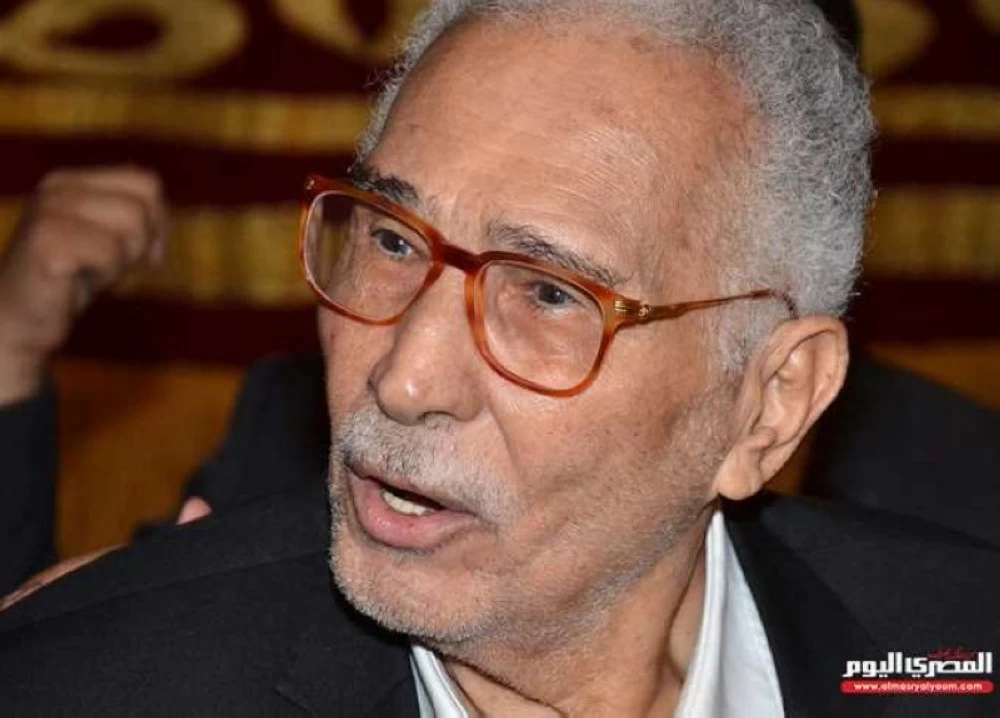
In a widely appreciated humanitarian gesture, Professor Rasha Abdel Aal, Head of the Egyptian Tax Authority, announced the immediate lifting of the tax lien on the bank accounts of the esteemed artist Abdel Rahman Abu Zahra. This swift decision came in response to a humanitarian appeal from the artist's son and in recognition of Abu Zahra's distinguished artistic career spanning more than six decades, which has profoundly impacted the hearts of Egyptian and Arab audiences.
Background to the crisis and the son's appeal
The story began when Ahmed Abdel Rahman Abu Zahra, the artist's son, posted a heartfelt message on his Facebook account, revealing that the tax authorities had seized his father's meager pension. He explained that this action had halted the pension payments, which were insufficient even to cover his father's medication and treatment costs as he faced critical health conditions. The son emphasized that his father, who dedicated his life to serving art and his country, had never been late in paying his taxes, and he appealed to officials to intervene and lift the seizure, granting his father the right to spend his final days in peace and tranquility.
A tribute to a prolific artistic career
The artist Abdel Rahman Abu Zahra is considered one of the most prominent figures in art in Egypt and the Arab world. His artistic career spans more than 60 years, during which he presented hundreds of timeless works in theater, cinema, television, and radio. His voice and performance are associated with unforgettable iconic characters, such as "Teacher Sardina" in the series "I Will Not Live in My Father's Robe," his historical role in the series "Omar Ibn Abdel Aziz," and his distinctive voice in dubbing international animated films, such as the character "Scar" in "The Lion King." This rich artistic history has made him an integral part of the cultural memory of society, which prompted the authorities to act swiftly in recognition of this great artistic value.
The importance and impact of the decision
The Tax Authority's decision carries implications beyond the financial aspect; it represents a clear message of appreciation from the state for its artistic and cultural icons. The head of the Authority affirmed in her official statement that this measure stems from "a belief in the vital role that art and artists play in elevating thought and culture." She also announced that she would personally oversee the artist's tax file to ensure the resolution of any problems and facilitate his affairs, reflecting a new approach aimed at building a partnership and trust between the Authority and society, especially with national figures who have contributed to shaping Egyptian identity. Domestically, the decision was met with widespread public and media acclaim, with many considering it a victory for human values and a well-deserved tribute to a prominent artist. It also highlights the necessity of mechanisms to support and nurture leading artists and creative individuals.
Culture and Art
Amr Youssef returns to drama with the French series after a 3-year absence
Following his huge cinematic success, star Amr Youssef returns to television drama with the 10-episode series "El Faransi" (The Frenchman). Learn more about his highly anticipated return.
A strong comeback... Amr Youssef tops the drama scene with the series "The Frenchman"
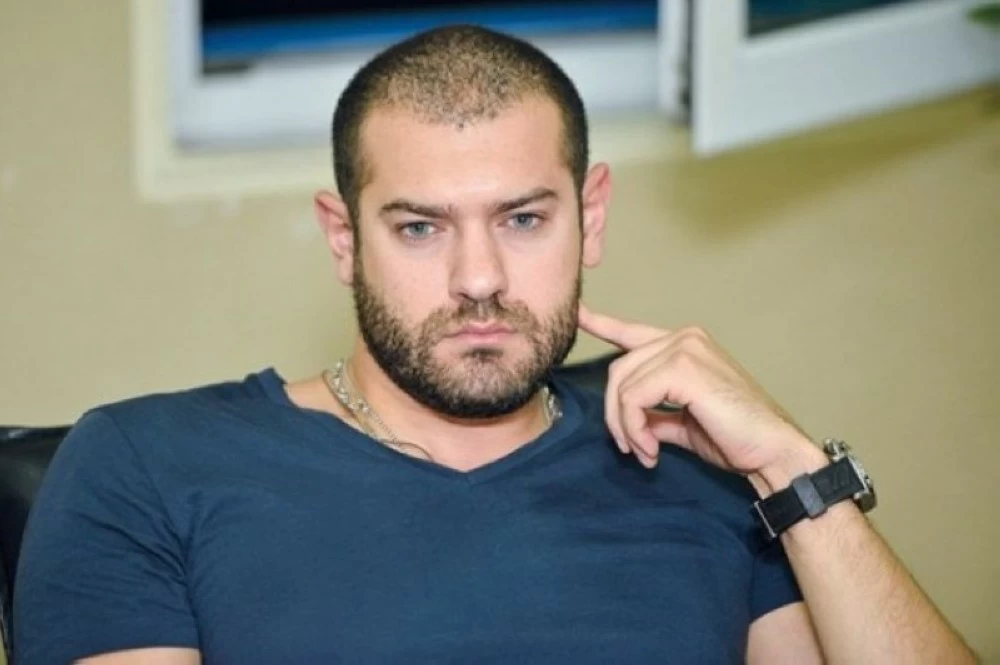
After a period of remarkable cinematic success, a digital platform announced the return of Egyptian star Amr Youssef to television drama with a new series titled "El Faransi" (The Frenchman). This announcement ends a nearly three-year absence from the small screen, sparking excitement among his fans who eagerly anticipate his distinguished dramatic works that have left a clear mark in recent years.
Background to the comeback: From cinema to drama again
Amr Youssef's artistic career has undergone a significant transformation in recent years, focusing primarily on cinema and achieving widespread popular and critical success. He dominated the Egyptian box office with blockbuster films such as "Shaqo" and the third installment of the "Welad Rizk" series, both of which achieved record-breaking revenues in 2014. This remarkable cinematic success has made his return to television drama a significant artistic event, with audiences and critics alike wondering whether he will bring the same momentum and production quality to the small screen, especially after proving his ability to lead the artistic scene.
"The Frenchman": An intense drama in 10 episodes
The series "Al-Faransawi" (The Frenchman) represents a unique dramatic experience, consisting of only 10 episodes. This approach aligns with the new global trend of short series offered by digital platforms, which rely on a fast pace, intense events, and high-quality production. This format allows creators to deliver well-crafted stories without the drawn-out narratives sometimes found in traditional 30-episode series. "Al-Faransawi" is expected to offer a rich dramatic experience, combining suspense and dramatic depth, taking advantage of the creative freedom provided by digital platforms, free from the constraints of traditional television broadcasting.
The importance and expected impact of the work
Amr Youssef's return holds particular significance in the Arab art scene. Following his last dramatic appearance in the 2023 series "Battalion 101," where he portrayed a patriotic role depicting the heroism of the Egyptian army in Sinai, he returns with a new project that has sparked curiosity about its nature and the type of story it will present. The participation of a star of Amr Youssef's stature, who has proven his ability to captivate audiences in cinema, in a short series on a digital platform signals a shift in the landscape of drama production in Egypt and the Arab world, reinforcing the position of these platforms as key players in the entertainment industry. The series is expected to achieve great success both locally and regionally, further enhancing Youssef's artistic career and offering audiences a complete and compelling work of art.
Culture and Art
The Belt Novel: How Ahmed Abu Dahman Presented His Village to the World in French
Discover 'The Belt' by Ahmed Abu Dahman, the first literary work from the Arabian Peninsula translated into French. A deep analysis of the novel, which chronicles life in a Saudi village and the challenges of modernity.
The greatest literary works remain those that spring from their author's authentic environment and resonate with the details of their life and experiences. The novel "The Belt" by Saudi writer Ahmed Abu Dahman is a vivid embodiment of this idea; it is not merely a narrative, but a unique literary document born from the heart of a village suspended between heaven and earth in southern Saudi Arabia.
A unique literary context: from oral poetry to world literature
In the literary landscape of the Arabian Peninsula, dominated for centuries by the traditions of oral and Nabati poetry, the novel emerged as a relatively recent art form. In this context, Ahmed Abu Dahman's achievement stands out as a bold and remarkable step. He not only wrote a novel, but also chose to write it in French, thus becoming the first novelist from the Arabian Peninsula to publish his debut work in that language. This choice was not arbitrary; rather, it was a cultural bridge that Abu Dahman extended from his isolated village to the heart of Europe, offering Western readers a direct window into a society long shrouded in mystery and stereotypes.
“The Belt”: The history of a village and details of life
Abu Dahman did not write a novel in the traditional sense, but rather an autobiography of a place, chronicling the life of his village in all its minute details. The work explores the rituals of daily life: from marriage and divorce, through concepts of wealth and poverty, to the social roles of men and women. The author skillfully describes how major events, such as the mass circumcision ceremonies for young men, served to strengthen community bonds. He also presents the villagers' unique philosophy of life and death, where illness was considered an illusion or a lie to avoid work, and death was the only certainty. These profound details lend the novel its anthropological dimension, making it more than just a work of literature.
The clash between modernity and tradition: the school and the doctor
The novel chronicles a pivotal moment in the village's history: the arrival of the first signs of modernity, embodied in the first health center and the first school. Abu Dahman masterfully portrays the shock and resistance the villagers displayed toward these intrusive "strange entities." The school, with its teachers from neighboring countries, represented a new system that threatened the traditional way of life. It replaced tribal flags with the national flag and substituted the songs of the fields and shepherds with the national anthem, thus challenging the identity of the older generations. This conflict between the old and the new is the novel's beating heart, reflecting the profound transformations that Saudi Arabia underwent during that period.
Importance and impact: A bridge between cultures
Locally, "The Belt" is a documentary work that preserves the memory of a region and its oral heritage from extinction. Regionally, the novel has placed its author among the leading Arab writers who have addressed themes of social transformation and identity, such as Tayeb Salih in "Season of Migration to the North" and Abdul Rahman Munif in "Cities of Salt." Internationally, the novel achieved great success in France and Europe, where it presented a different, more humane image of Saudi society, far removed from political analyses or superficial Orientalism. It allowed the French reader to see, through the eyes of a child from a Saudi village, what life, love, poetry, and nature are like, where the sun and moon have different names and poetic functions.
Ultimately, "The Belt" remains a testament to the fact that great literature can transcend geographical and linguistic boundaries. Abu Dahman used the language of Voltaire to tell the story of his ancestors, thus illuminating distant worlds that were eager to learn the tale of this poet from a land that gives birth only to poets, thus enshrining his name in the annals of immortal creators.
-

 Reports 6 days ago
Achievements of Saudi government sectors in 2025
-
Local news two weeks ago
FDA warns of contaminated Nestle infant formula | Recall details
-
Technology 4 weeks ago
US ban on drones: reasons and consequences
-
Technology 4 weeks ago
SRMG and Snapchat partnership: The future of digital media in the Middle East
-
Technology 4 weeks ago
Saudi Arabia's Ministry of Islamic Affairs is employing artificial intelligence in public speaking
-
Sports 4 weeks ago
Salah leads Egypt to a thrilling comeback against Zimbabwe in the Africa Cup of Nations
-
Sports 4 weeks ago
Napoli win the Italian Super Cup in Riyadh for the third time (2025)
-
Sports 4 weeks ago
Alexander Isak's injury: A major blow to Newcastle United's ambitions