
Culture and Art
ET بالعربي: The death of "Atri" from heartbreak is a rumor
The ET Arabic program called for responsibility, humanity, and respect for the feelings of the family and friends of the late Syrian media figure, Subhi


The ET Arabic program called for responsibility, humanity, and respect for the feelings of the family and friends of the late Syrian media figure, Subhi Atri, and urged people not to publish or circulate inaccurate news, and to pray for mercy for him and patience for his family and loved ones.
The official Facebook page of the ET Bil Arabi program published a statement that read: “The family of the deceased and his loved ones are currently busy with funeral and burial arrangements, and they need a space of privacy away from the circulation of false information that lacks accuracy and credibility.”.
The ET Arabic team confirmed that the late colleague was an example of nobility, honesty and high professionalism, calling on everyone to respect his media career and history, and to avoid publishing any false news regarding the circumstances of his death, his psychological state or his professional situation, as it is merely rumors that have no relation to the truth.
Related News
Several social media sites circulated false news about the death of Sobhi Atri, claiming it was due to grief and sadness over losing his job in the media field and his long absence, which prompted the ET Arabic program to issue a statement revealing the circumstances of the matter.


Culture and Art
Rashed Al-Majed's third concert in Riyadh Season after millions of requests
After two concerts sold out and set a record with 1.3 million ticket requests, Rotana announces a third concert for artist Rashed Al-Majed as part of Riyadh Season. Find out the date and ticket details.
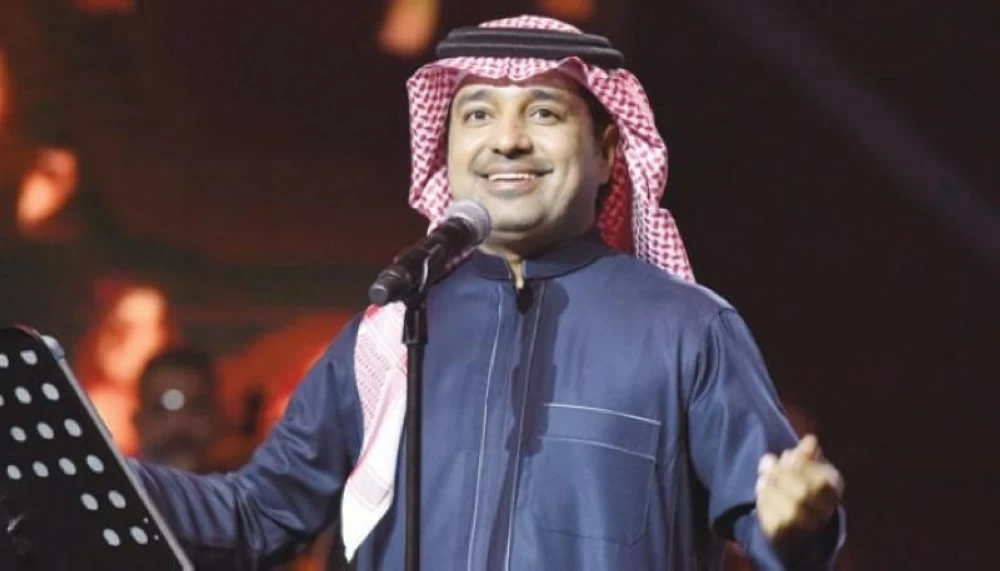
In a move reflecting the immense popularity of the renowned Saudi artist, Rotana Audio Visual Company announced a third concert for the "Sinbad of Arabic Song," Rashed Al-Majed, as part of Riyadh Season. This decision comes in direct response to the unprecedented public demand for his previous two concerts, with ticket requests exceeding 1.3 million – a record number for the season's concerts – further cementing Al-Majed's status as one of the most prominent singers in the Arab world.
Background of the event: Riyadh Season as a global entertainment destination
Riyadh Season, as part of which this concert is being held, is a pivotal component of Saudi Arabia’s Vision 2030, which aims to diversify the economy and boost the tourism and entertainment sectors. Launched to transform the Saudi capital into a global hub, the season has attracted millions of visitors from within the Kingdom and abroad through a diverse array of artistic, sporting, and cultural events. The ability to attract stars of Rashid Al-Majed’s caliber and the success of his concerts are a testament to the success of this strategy and the Kingdom’s capacity to organize world-class events that satisfy the aspirations of an audience eager for art and culture.
The importance of the event and its expected impact
The significance of this additional concert extends beyond its artistic impact; it represents a crucial economic and cultural indicator. Locally, the concert boosts domestic tourism and supports the local economy. Regionally, it solidifies Riyadh's position as the entertainment capital of the Middle East, rivaling major cities that have long dominated the sector. Internationally, this success enhances the Kingdom's image as an open and culturally vibrant nation, encouraging further global investment and partnerships in the entertainment industry.
New concert date and ticket details
In response to overwhelming public demand, Rotana confirmed via its official Instagram account that the third concert will take place on February 5th. The company explained that tickets for the additional concert will go on sale starting next Tuesday through the official Riyadh Season website, a move aimed at facilitating the booking process and giving as many fans as possible the opportunity to attend this exceptional evening.
Unparalleled success for previous nights
Rashed Al-Majed had previously performed two highly successful concerts, both of which were sold out. During these concerts, Al-Majed presented a selection of his most beloved and famous songs, which the audience knew by heart, under the direction of the esteemed maestro Waleed Fayad and accompanied by a musical ensemble comprised of some of the most skilled musicians, in addition to the creative musical arranger Cyrus, creating a complete and unforgettable artistic experience.
A touching message from Sinbad to his audience
The human aspect was not absent from these artistic encounters, as Rashid Al-Majed began his concerts with a touching message to his audience, in which he expressed his deep longing for them and apologized for his absence, promising to compensate them by presenting more artistic works and live encounters in the coming period, which was met with great interaction from the audience.
Culture and Art
Beginnings Exhibition: A History of Modern Saudi Art at the National Museum
Discover the history of the Saudi art movement at the "Beginnings" exhibition at the National Museum. Featuring works by pioneering artists from the 1960s to the 1980s, the exhibition documents the emergence of modern art in the Kingdom.
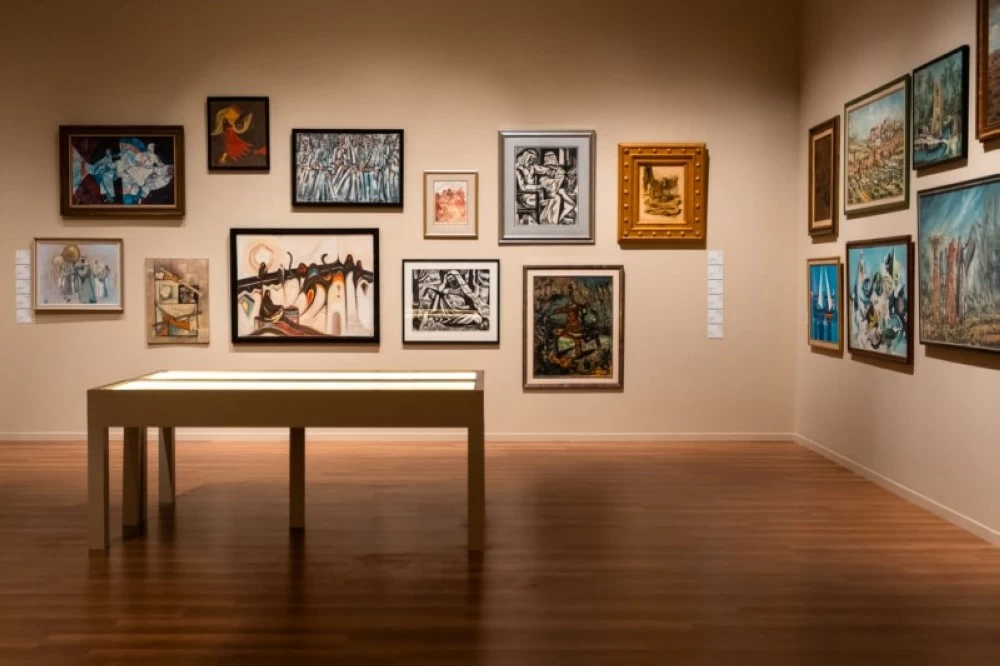
The National Museum of Saudi Arabia in Riyadh has launched the exhibition “Beginnings… The Beginnings of the Saudi Art Movement,” organized by the Visual Arts Authority, to highlight a crucial stage in the Kingdom’s cultural history and to document the rise of modern art and the formation of its first features.
The exhibition houses an artistic treasure trove of over 250 creative works by 73 pioneers of the Saudi art movement, spanning three decades from the 1960s to the 1980s. This period represents a pivotal turning point, witnessing the birth of modern and abstract artistic experiments and shaping the contours of the local art scene as we know it today.
Historical context: Art is a mirror of comprehensive renaissance
This pivotal stage in the history of Saudi art coincided with major social and economic transformations in the Kingdom. The 1960s and 1980s were not merely an artistic beginning, but a reflection of a comprehensive renaissance. With the economic boom, the state began investing heavily in infrastructure and education, including sending the first artists abroad to study, particularly in Italy, Egypt, and the United States. Upon their return, these pioneers brought with them modern artistic styles and techniques, blending them with their local environment and cultural heritage, resulting in the birth of a unique Saudi artistic identity that combined tradition and modernity. This period also witnessed the establishment of the first art education institutions and the emergence of government patronage of the arts, which provided the necessary support for the growth of this generation of creative individuals.
Strategic importance and far-reaching impact
The significance of the “Beginnings” exhibition extends beyond its artistic merit; it represents a strategic cultural event. Locally, the exhibition contributes to building a bridge of knowledge between generations, offering young Saudis the opportunity to explore the roots of their modern artistic identity and appreciate the pioneering efforts of those who paved the way. Regionally and internationally, the exhibition corrects historical narratives and highlights the Kingdom’s contribution to the modernist art movement in the Middle East, a contribution often overlooked in international academic studies. This documentation aligns with Saudi Vision 2030, which aims to strengthen the cultural sector and showcase the Kingdom’s rich national heritage on the global stage.
Exhibition sections and contents
The exhibition is divided into three main, integrated sections. The first explores the roots of the modern art movement and the beginnings of art education in schools. The second section focuses on the artistic currents and themes that shaped artistic production during that period, such as nature, landscape, social life, and symbolic expression. The third section highlights pioneering modernist artists who contributed to the development of the early art scene, including Safia Binzagr, Abdulhalim Radwi, Mohammed Al-Saleem, and Munira Mosli.
In addition to artworks, the exhibition showcases rare archival materials that offer new perspectives on the formative years of the modern art movement in the Kingdom, in a context that combines individual creative initiatives, the growth of cultural infrastructure, and institutional support.
The CEO of the Visual Arts Authority, Dina Amin, confirmed that the exhibition presents a comprehensive picture of the efforts of pioneering artists and supporters who contributed to building the Saudi art movement, explaining that the exhibition allows the public the opportunity to interact with a rich and diverse visual history that represents a living reference and a source of inspiration for future generations.
The exhibition is the opening show of an extensive research program launched by the Visual Arts Authority that lasted for two years, which included field visits, technical reports and documentary interviews, and is accompanied by a cultural program that includes workshops and discussion sessions, in addition to the publication of a scientific book and a documentary film that will be shown later.
The exhibition featured a select group of male and female artists, including: Ibrahim Al-Fassam, Ibrahim Buqas, Ahmed Abdulaziz Al-Araj, Ahmed Al-Ghamdi, Ahmed Al-Maghlouth, Ahmed Al-Sabt, Ahmed Al-Zahrani, Ahmed Falmban, Ahmed Tayeb Manshi, Badriya Al-Nasser, Bakr Sheikhoun, Turki Al-Dossari, Jamil Al-Jafri, Faisal Samra, Kamal Al-Muallim, Hassan Abdulmajid, Hammad Al-Jaid, Hamza Bajouda, Khalid Al-Abdan, Khalil Hassan Khalil, Saad Al-Obaid, Mohammed Al-Saleem, Saad Al-Masari, Saadoun Al-Saadoun, Saud Al-Aidi, Saud Al-Qahtani, Sulaiman Bajaba, Samir Al-Daham, Saleh Khattab, Safia Binzagr, Diaa Aziz, Taha Al-Sabban, Abduljabbar Al-Yahya, Abdulhalim Radawi, Abdulhamid Al-Baqshi, Abdulrahman Al-Sulaiman, Abdul-Sattar Al-Mousa, Abdulaziz Al-Hammad, Abdullah Al-Sheikh, Abdullah Idris, Abdullah Al-Shalti, Abdullah Al-Marzouq, Abdullah Hamas, Abdullah Nawawi, Abdo Yassin, Othman Al-Khuzaim, Ali Al-Ruziza, Ali Al-Saffar, Ali Al-Ghamdi, Fahd Al-Hujailan, Fahd Al-Rabiq, Fouad Maghrabi, Faisal Al-Mashari, Muhammad Al-Ajam, Muhammad Al-Hamad, Muhammad Al-Rusaiss, Muhammad Al-Sandal, Muhammad Siam, Muhammad Rasim, Muhammad Al-Saqabi, Muhammad Al-Munif, Muhammad Reda Wars, Muhammad Taher Kurdi, Mufreh Asiri, Mansour Kurdi, Munira Mousalli, Mahdi Rajih, Mirza Al-Saleh, Nabila Al-Bassam, Nasser Al-Mousa, Nabil Najdi, Hisham Binjabi, Yousef Jaha.
Culture and Art
Safia Binzagr's painting "City Road Cafe" sold for a record price
The painting “City Road Cafe” by pioneering Saudi artist Safia Binzagr was sold for 7.7 million riyals at a Sotheby’s auction, setting a record that reflects the global value of Saudi art.
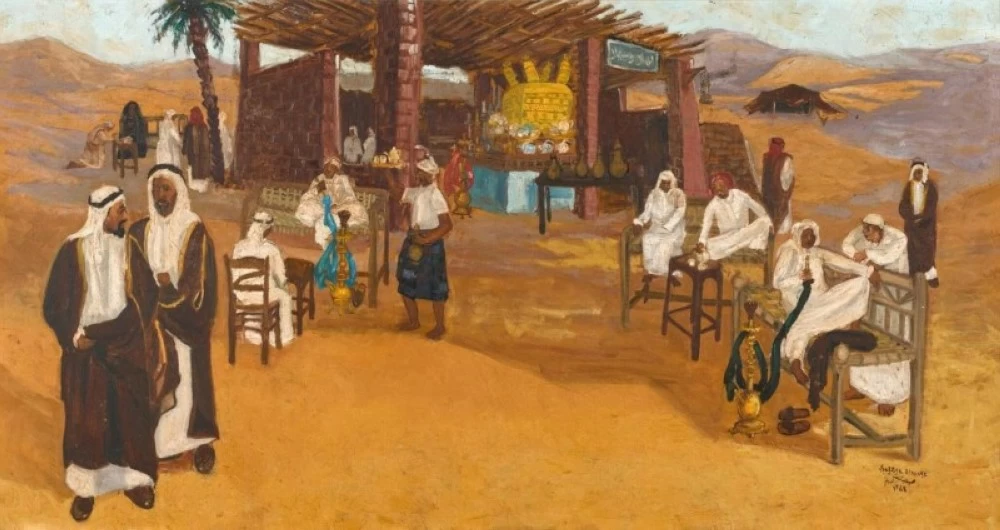
In a landmark art event, the painting “Café on City Road” by pioneering Saudi artist Safia Binzagr sold for an exceptional sum of US$2,063,000, equivalent to SAR 7.736 million. This historic sale took place during the Origins II auction held by Sotheby’s in the heart of historic Diriyah, setting a new record for the late artist’s work and underscoring the growing global significance of modern Saudi art.
A window into Jeddah's rich past
Safia Binzagr's 1968 painting, "A Café on a City Road," is more than just a work of art; it's a rare visual document of social life in Jeddah during the mid-20th century. Through her brushstrokes, she captured the intricate details of daily life during that era, from men gathering in traditional cafés to the features of traditional Hijazi architecture, offering a vivid glimpse into a rapidly changing social and cultural fabric. The work authentically reflects the spirit of that transitional period in the Kingdom's history, as modernity began to blend with the rich traditions of the past.
Safia Binzagr: A pioneer in documenting heritage
Safia Binzagr was more than just an artist; she was a visual historian who dedicated her illustrious career to preserving Saudi heritage, particularly that of the Hijaz region. At a time when the Kingdom was experiencing tremendous development, Binzagr recognized the importance of documenting customs, traditions, fashions, and everyday life that were threatened with extinction. This pioneering artist passed away, leaving behind a rich artistic legacy that has become an integral part of the Kingdom's cultural memory and a shining creative mark on the local and Arab art scene.
The importance of the event and its impact on the art scene
This auction transcends a mere commercial transaction, representing international recognition of the importance and stature of Saudi art. Holding an auction by the prestigious Sotheby's in Diriyah, a city of historical significance to the Kingdom, reflects the cultural openness the country is experiencing under Vision 2030, which aims to bolster the culture and arts sector. The high price achieved by the painting places the works of pioneering Saudi artists on the global art map, encouraging increased interest from international museums and collectors, and raising the overall market value of Saudi art, thus benefiting a new generation of artists.
A lasting legacy: Safia Binzagr House
As a culmination of her decades-long career, the late artist established the Safia Binzagr Foundation in 1995, a unique cultural institution that serves as a permanent museum for her artwork and collection, in addition to housing her studio and private library. In 2000, she published her book, "A Journey of Three Decades with Saudi Heritage," in which she outlined the Foundation's objectives and its mission to preserve heritage in an aesthetically pleasing and constructive manner for future generations, ensuring that her legacy continues to inspire artists and researchers even after her passing.
-

 Local news one week ago
Landslide in Riyadh: Details of the incident in Al-Sahafa neighborhood and containment efforts
-
 Local news one week ago
The death penalty was carried out against a citizen who stabbed another to death in Tabuk
-
 Culture and Art 7 days ago
Haifa Wehbe's absence in Riyadh: A photo crisis or a strained relationship with the media?
-
 Local news one week ago
First birth on the Riyadh train: A heartwarming story at Andalus station
-

 Local news one week ago
Riyadh collapse: Emergency plans to secure water after a main pipeline burst
-
 Culture and Art 7 days ago
City Kitchen series: A drama of conflict and the middle class during Ramadan
-

 Culture and Art 7 days ago
The series "Kasra": Dawood Hussein in a moving social drama this Ramadan
-

 Local News 6 days ago
Applying for the 1447 Opportunities Program for Teachers via the Fares System