
Culture and Art
Strengthening the identity of the Arab child: A comprehensive dialogue session
A dialogue session at Ithraa, a gathering of cultural leaders to promote the identity of the Arab child, and highlighting the importance of the Arabic language as a bridge to cultural belonging and linguistic development.


An inspiring dialogue session at “Ithraa”: Building the identity of the Arab child is a focus of attention for cultural leaders
In a prominent cultural event, the King Abdulaziz Center for World Culture (Ithra) hosted a distinguished panel discussion entitled "The Efforts of Cultural Institutions in Building the Identity of the Arab Child." The session was attended by a select group of local and regional cultural leaders, and highlighted the importance of developing linguistic identity in Arab children.
Arabic language: A bridge to cultural belonging
The session discussed the vital role of the Arabic language in strengthening the cultural identity of Arab children. Maha Al-Otaibi, Head of Cultural Programs at the King Salman Global Academy for the Arabic Language, confirmed that the Academy has published approximately 200 linguistic products specifically for children. She also mentioned upcoming projects aimed at teaching Arabic to non-native speakers, reflecting the Academy's commitment to expanding its reach.
Cultural programs to promote identity
For her part, Mira Al Naqbi, Director of Cultural Programs at the House of Wisdom in Sharjah, explained that strengthening identity requires well-designed cultural programs that develop thinking, language, and writing skills. These programs are not limited to language instruction but extend to developing children's intellectual and creative abilities.
The role of family and cultural integration
Dr. Samira Al Hosani, Director of the Abu Dhabi Children's Library, highlighted the importance of cultural integration and the role of the family in shaping a child's identity amidst cultural diversity. The family is considered the primary unit that instills fundamental values and concepts in children, making it a key partner in the efforts of cultural institutions.
Diverse means to promote language and culture
The session concluded by emphasizing the importance of using diverse methods such as theater, music, and digital media to promote the Arabic language and instill cultural concepts that contribute to the development of a child's character. These methods are not merely educational tools, but rather bridges of communication that connect generations and contribute to building a cohesive and multicultural society.
Future prospects:
The coming period is expected to witness increased collaboration among various institutions to develop new programs and initiatives targeting Arab children both within and outside the Arab world. Technology is also anticipated to play a larger role in delivering innovative and engaging educational content that contributes to strengthening the linguistic and cultural identity of future generations.


Culture and Art
Huda Shaarawi: The story of the suffering that preceded the tragic end
Old statements reveal the psychological suffering of artist Huda Shaarawi with domestic workers, in a painful story that tragically predicted her end at the hands of her maid.
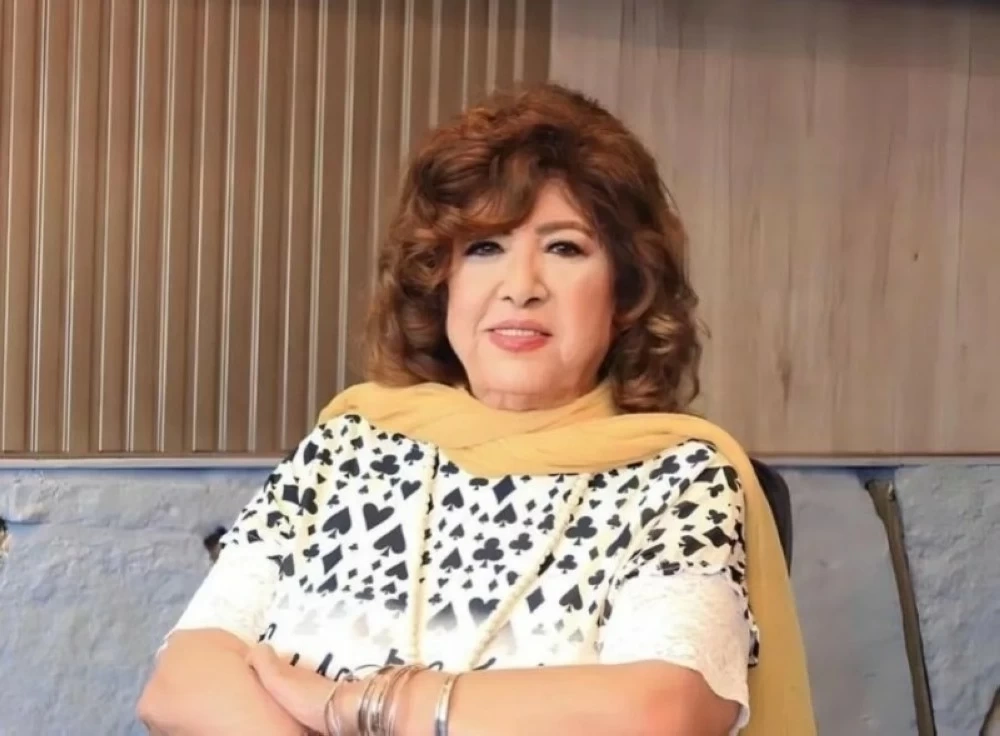
Introduction: Statements that resurface
Old television statements by the late Syrian artist Huda Shaarawi have resurfaced, revealing a profound human side and hidden psychological suffering she endured before her tragic death. These statements, in which she spoke candidly about her experiences with domestic workers, were not merely a casual outpouring of emotion, but have now become a poignant testimony, painting a sorrowful backdrop to her end, which shocked her fans and the artistic community.
Background: Who is Huda Shaarawi?
Huda Shaarawi, who passed away at the age of 87, is considered one of the icons of Syrian drama. Her artistic career spanned decades, during which she delivered unforgettable performances that remain etched in the memory of the Arab audience. She was particularly famous for her role as "Umm Zaki" in the popular series "Bab Al-Hara," where she portrayed the wise and strong midwife, a character that has become an integral part of Syrian dramatic heritage. Her illustrious career made her personal life and her sudden passing a subject of widespread interest and profound impact in Arab cultural circles.
Details of the ordeal: “13 domestic workers” and psychological pressure
In the interview that resurfaced, Shaarawi revealed a significant transformation in her personality. She emphasized that she was not inherently short-tempered, but rather known for her cheerful spirit and love of singing and dancing. However, the accumulated psychological pressures, primarily stemming from her strained relationship with domestic workers, altered her character. She explained that she had worked with 13 domestic workers over the years, describing the experience as "psychologically exhausting" and leaving a profound impact on her emotional stability and daily behavior.
Poor communication and cultural gap
The problem wasn't financial; it stemmed from poor communication and a cultural gap. Shaarawi recounted how some domestic workers were unaware of family customs and traditions, creating constant tension. Perhaps the most striking example she cited was the story of a worker who spoke to her exclusively in English for eight months, only to discover later that the woman was fluent in Arabic. This incident reflects the immense difficulties Shaarawi faced in establishing even a simple, stable human connection within her home. When asked if there was any racist undertone in her account, she vehemently denied it, emphasizing that her suffering was "purely human and psychological.".
A tragic end: a painful irony
These statements take on a more tragic dimension when linked to the late artist's tragic end. In a painful irony, Huda Shaarawi's life ended at the hands of her domestic worker, according to initial investigations. The news of her murder in her Damascus home came as a profound shock to everyone, with suspicion quickly falling on the worker who had been employed by her and who disappeared after the incident. This event sparked widespread debate, both locally and regionally, about the relationship between families and domestic workers, highlighting complex social and psychological issues.
Impact and investigations: A shock in the art world
Syrian authorities acted swiftly and arrested the suspect. The Attorney General in Damascus confirmed that initial investigations revealed the suspect's confession to the crime. While investigations are ongoing to uncover all the motives and circumstances, Huda Shaarawi's story remains a painful reminder that behind the glare of fame and stardom, tales of silent human suffering can be hidden, sometimes ending in unimaginable ways, leaving a profound impact on her fans and colleagues in the Arab artistic community.
Culture and Art
The killer of artist Huda Shaarawi has been arrested, and details of the crime have been revealed
Syrian authorities have arrested the woman accused of murdering renowned artist Huda Shaarawi. Details of the crime and the suspect's confession have shocked the artistic community.
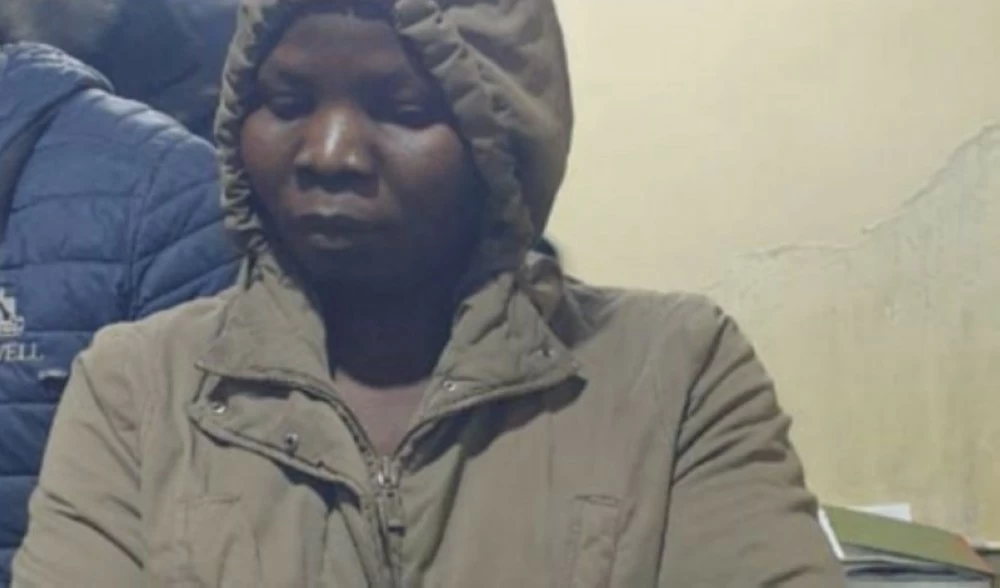
Syrian security authorities announced the arrest of the woman accused of murdering the renowned artist Huda Shaarawi, in a swift move within the intensive investigations aimed at uncovering the circumstances of the incident that shook the Syrian street and the Arab artistic community.
In an official statement, the Public Prosecutor in Damascus explained that the suspect, who worked as a maid for the late artist, had initially confessed to committing the crime. Although the preliminary investigations have not yet revealed the full motives behind this tragic act, the confession represents a key lead in the case. The relevant authorities are continuing to complete the legal procedures and gather evidence to ascertain all the details and circumstances of the incident before referring the case to the judiciary.
Shock at the passing of a Syrian drama icon
The news of the discovery of actress Huda Shaarawi murdered in her Damascus home came as a profound shock, not only to her fans and admirers but also to her colleagues in the artistic community, who mourned her with heartfelt words. Shaarawi passed away at the age of 85, leaving behind a magnificent artistic legacy and a prolific career spanning more than six decades, which established her as one of the pillars of Syrian and Arab drama.
A prolific artistic career
Huda Shaarawi is considered a pioneer of Syrian art, having begun her career in the 1960s, working across theater, radio, television, and film. She was renowned for her diverse roles and ability to portray a wide range of characters, but her portrayal of "Umm Zaki" in the popular series "Bab Al-Hara" (The Neighborhood Gate) and its various seasons had the greatest impact on cementing her place in the hearts of millions of Arab viewers. Her character became an integral part of Ramadan drama's collective memory. She was not merely an actress; she was a witness to the evolution of Syrian drama and a key contributor to its success and widespread popularity.
Impact of the incident and its repercussions
The heinous crime that ended the life of the esteemed artist sparked widespread grief and outrage, and once again brought to light the issue of violence and murders targeting elderly people living alone. The public reacted strongly on social media, remembering her work and demanding full justice. This case is expected to remain a focus of public attention in the coming period, pending the outcome of the final investigations and the trial of the accused, which will finally close a painful chapter in the history of Syrian art.
Culture and Art
American investor: Camel festival reflects the authenticity of Saudi culture
American investor Chris Atwell visits the Custodian of the Two Holy Mosques Camel Festival, expressing his admiration for Vision 2030 and the generosity of the Saudi people, stressing that culture is the true treasure of the Kingdom.


The distance between Florida and Riyadh, the capital of Saudi Arabia, did not hinder the deepening friendship between young Saudi Musallat Al-Otaibi and American investor Chris Atwell over the course of five years. This human connection evolved into a unique cultural bridge, culminating in an exceptional meeting that reflected the highest ideals of human harmony and cultural exchange between peoples.
Vision 2030: A dazzling vision that transcends the numbers
Chris Attwell arrived in Riyadh to participate in the “Future Real Estate Forum,” bringing with him his experience as an investor seeking promising opportunities. But what he witnessed on the ground exceeded his expectations; he described the speed of implementation of the Kingdom’s Vision 2030 projects as “astonishing and impressive.” Attwell affirmed that the Saudi real estate and housing sector has become a major attraction for global investments, not only because of the economic opportunities but also because of the strong will and ambitious goals driving this historic transformation.
Background of the event: The Custodian of the Two Holy Mosques Camel Festival
The Custodian of the Two Holy Mosques Camel Festival, held annually, is one of the Kingdom's most prominent cultural and sporting events. It is more than just a race; it is a grand celebration of authentic Saudi heritage, where camels hold a deep historical and symbolic place in the culture of the Arabian Peninsula. Attracting camel owners from across the Kingdom and the Gulf region, the festival aims to preserve and promote this rich heritage as an integral part of national identity, in line with the goals of Vision 2030, which seeks to enrich the cultural experience for both residents and visitors.
From wish to lived experience
Despite his busy schedule, Chris harbored a long-held wish he had often shared with his friend Musallat: “I want to experience Saudi culture at its source.” Musallat readily granted this wish, taking him on a trip to the Custodian of the Two Holy Mosques Camel Festival in Janadriyah. There, amidst the excitement of the crowds and the scent of the desert, Chris experienced a profound cultural immersion. He commented, “In the camel races, the food, and the traditional clothing, I found deep meaning in the Saudis’ commitment to their heritage and traditions.”.
The Saudi people: the true treasure
Chris Atwell's fascination wasn't limited to the architectural projects or heritage events; it extended to the very essence of the experience: the Saudi people. He described them as a "hidden treasure," praising the warm welcome and generous hospitality that made him feel like he was among family. This deep emotional connection transformed Chris into an unofficial ambassador for Saudi culture in his country. He makes a point of greeting everyone with the Islamic greeting "As-salamu alaykum" in America and spreading the values of generosity and joy he experienced in the Kingdom.
The global impact of cultural exchange
Such individual experiences are of paramount importance both regionally and internationally. They represent effective tools of soft power, contributing to correcting stereotypes and presenting a true image of Saudi society as open and hospitable. The impressions of investors and visitors like Chris Attwell, upon returning home, create a positive impact that extends beyond commercial deals. They encourage tourism, strengthen diplomatic and people-to-people ties, and affirm that cultural diversity is not an obstacle, but rather a source of richness and beauty that opens endless horizons for cooperation and understanding between nations.
Regarding his constant use of the Saudi greeting, Chris explained, “The Saudi people have given me so much, and if I can bring a smile to their day, that makes me happy. The greeting costs me nothing, while they have given me so much.” Chris believes that Saudis in America are also a “hidden treasure,” maintaining their generosity and hospitality. He emphasized that the relationship has transcended friendship to become familial ties, as he and his family in Florida make a point of hosting Saudi families to reciprocate and strengthen this exceptional relationship that began with the word “peace” and culminated in a meeting in the heart of Saudi Arabia.
-

 Local News 4 days ago
Landslide in Riyadh: Details of the incident in Al-Sahafa neighborhood and containment efforts
-
 Local News 5 days ago
The death penalty was carried out against a citizen who stabbed another to death in Tabuk
-
 Culture and Art, 1 week ago
Ramez Galal in Ramadan 2026: Details of the bloody prank show
-

 Local News 6 days ago
First birth on the Riyadh train: A heartwarming story at Andalus station
-
 Culture and Art 4 days ago
Haifa Wehbe's absence in Riyadh: A photo crisis or a strained relationship with the media?
-

 Local News 4 days ago
Riyadh collapse: Emergency plans to secure water after a main pipeline burst
-
 Culture and Art 4 days ago
City Kitchen series: A drama of conflict and the middle class during Ramadan
-

 Culture and Art 4 days ago
The series "Kasra": Dawood Hussein in a moving social drama this Ramadan