
Culture and Art
Chekhov... The Miserable Sigh
The feeling we have towards the literature of the Russian playwright and novelist Anton Chekhov is attributed to his remarkable ability to provoke our senses

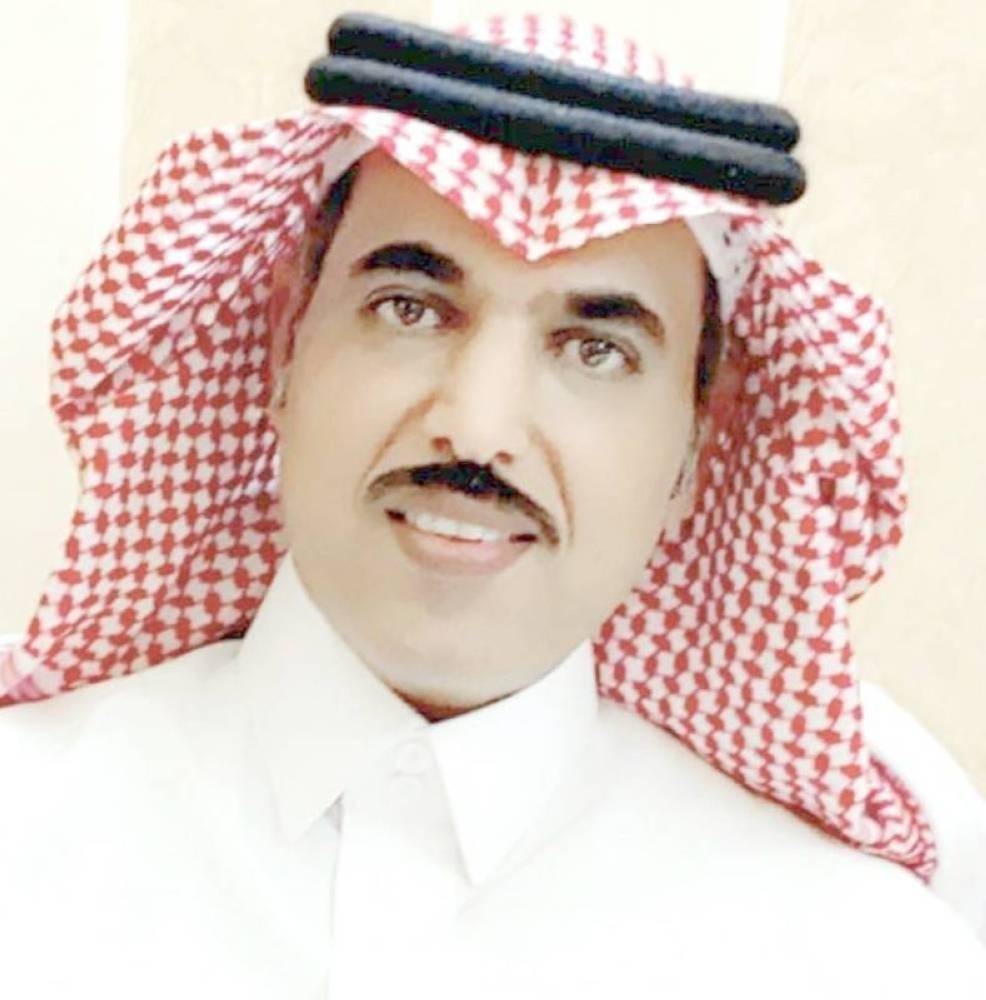
The feeling we have towards the literature of the Russian playwright and novelist Anton Chekhov is attributed to his remarkable ability to disturb our senses and keep them alert and ready, as well as his construction of the reader’s understanding of social contradictions not as eternal differences and perpetual disparities related to the course of life, but as values emanating from the essence of man and blending with his vision to radiate through his thoughts. However, his ability to create the unfamiliar through a familiar and perhaps fleeting event and to capture the minute and broad details at the same time is what makes us stand before his texts with astonishment and wonder, as is the case with his peers among the creators of the short story.
Besides the fact that (Chekhovian literature) was a brilliant social progressive movement that involved confronting the prevailing stagnation and the bleak life at that time with innovative ways that went beyond the literary space towards the human space, his genius, which invented a dramatic principle called (Chekhov’s gun) through which he made every element in the narrative text important, is the same genius that wove from his way of dealing with ideas and formulating a wide coat from which writers continued to emerge successively, and each of their inkwells was fragrant with the scent of his ink.
The texts of the great Russian represent a brilliant creative and human condition that has remained rooted in the conscience of literature as well as in the conscience of the reader. They did not limit themselves to highlighting the spiritual emptiness of man and the dilapidated and ruined areas in his soul, but rather went beyond that to reveal the desire of the simple people to conquer the miserable life with hopeful and optimistic breezes and showed their longing for a spiritual renaissance and intellectual leaps despite the ruin and collapse that afflicts their souls.
This desire was evident in Chekhov's writings, as was his desire to accumulate profound human ideas. It manifested itself through his meticulous portrayal of his characters' experiences of life during a dark historical period and a stifling social situation that highlighted the Russian society's need for moral reforms. It was as if he wanted to emphasize that the inclination of emotion to feel the misery of others and share their sorrows offers a tender solace that does not fail the afflicted, a connection whose growth fulfills the capacity of human feeling. This is extremely difficult, especially given his characters' awareness that there is no bright horizon to which they can escape the darkness of their reality, and their lack of heroic emotions and extraordinary skills to change their fate. This is another facet of Chekhov's genius, comparable to his genius in portraying a world that vanished a century and a half ago, yet whose characters still live among us, sharing their life experiences. The archetype of the governess girl (Yulia Vasilievna) depicts a submissive and exploited simplicity as she submits Forced into the realm of greed, he was like a lamp illuminating the psychological distortions and deteriorating morals inherent in the human soul, and explaining the fragility of the simple in a world full of cruelty and self-love. He still lives among us in different forms, dealing with the concerns of his weakness and enduring the arrogance of his masters. As Iona Potapov describes in the famous story (To Whom Do I Complain of My Melancholy), a terrifying state of marginalization and spiritual desolation prevented him from relieving his pain and broadcasting his complaint to anyone, whoever he may be. This is the model that materialism in human societies has shown and continues to show in abundance. Not far from this is the symbolism of Apogen in the story (The Enemies) and Andrei Yefimovich in (Ward No. 9).
Chekhov always clothed his fictional texts in a watery veil that enabled us to touch his soul, read his thoughts, tendencies, and enthusiasm, and see virtue from a discerning perspective that shows the reader his own self stripped of the false garments of life, so that he can feel the protrusion of his heart and the twists of his soul and correct what is crooked in them. Therefore, our deep sympathy with his fictional and narrative characters outweighs the imaginative flaws in his texts.
Chekhov injected the miserable and monotonous life with bold and intense doses of beauty that turned the numbness of emotion into a storm, as if a fusion between his profession as a doctor and his work as a short story writer and novelist had given each of them the skill and tools of the other. In parallel with his practice of medicine, which is the highest and noblest profession, Chekhov practiced a broader nobility as he held the scalpel of the writer to cut open human feeling and remove a thick layer of calcifications that had accumulated on top of it and hindered his connection with the suffering and misery of others. Through a prolific flow of stories and tireless work that did not pay attention to the short duration of his stay in life, he succeeded in achieving an emotional flourishing that was associated with his texts and made his literary legacy the heaviest in terms of humanity. Perhaps the harsh life that Chekhov lived in his early years played a role in this, as well as in his understanding of human complexities and their obscure contradictions. However, his boredom and growing resentment kept the sparkle of his humanity burning bright and active, sharpening his resolve and driving him to a continuous condemnation of the whims of his era by adopting the suffering of his heroes and presenting it as timeless stories that made readers feel their humanity and prompted many writers to take up his rifle, put on his coat, and follow in his footsteps.


Culture and Art
Details of a lawsuit against the TV series "Immunity" starring Hend Sabry
A legal crisis is engulfing the TV series "Immunity," starring Hend Sabry. The family is suing the show's producers and has issued a warning to the Actors' Syndicate, alleging a breach of privacy. Here are the full details.

The artistic scene witnessed a new legal escalation in recent hours that threatens the stability of the upcoming drama season. Lawyers Mohamed Abdel Moneim and Ahmed Saeed, representing the family of the "Mana'a" family, filed an urgent lawsuit in the Economic Court against the producers of the series, which stars Hend Sabry. Not content with resorting to the courts, the defense also issued a formal warning to the Actors' Syndicate, a move reflecting the seriousness of their objection to what they described as a blatant violation of the family's privacy.
Details of legal action and defense of rights
The family's legal team explained that this action is a necessary measure to defend their clients' moral and intellectual property rights. The lawsuit is based on the fact that the series delves into intimate details of the family's life without prior authorization or legal consent, which constitutes a clear violation of intellectual property and personal rights laws. The lawyers pointed out that the drama includes allusions and dramatic treatment that directly harm the family's reputation, exposing its members to significant material and moral damages. They demanded that the series be taken off the air and that those responsible be held accountable if the harm is proven.
The creators' response: Between reality and dramatic imagination
In contrast, the production team of the series "Immunity" has maintained official silence regarding the legal proceedings. A source within the production stated that they are unaware of the details of the lawsuit. However, screenwriter Amr El-Daly, the series' author, had previously settled the debate surrounding the nature of the story, asserting that the events of the series belong entirely to "dramatic fiction." El-Daly explained that the only resemblance to reality lies in a single plotline inspired by a true event, while the remaining details, characters, and dramatic structure bear no relation to the original story. This is a defense commonly employed by drama creators to distinguish between real-life inspiration and artistic interpretation.
The recurring debate between drama and reality
This incident opens a thorny issue that recurs frequently in Egyptian and Arab drama: the age-old conflict between artistic freedom and the individual's right to privacy. Works inspired by true stories or that touch upon the lives of well-known figures often provoke the ire of heirs or families, placing economic courts in the complex task of distinguishing between the author's inherent right to create fiction and what constitutes a violation of others' privacy. These cases have a significant impact on the entertainment industry, potentially leading to the postponement of major productions or the complete revision of scripts to avoid legal action.
The role of the union and the expected impact
The warning issued to the Actors' Syndicate takes on particular significance in this context, as the syndicate typically plays a mediating role to bridge differences before crises escalate and reach the courts, thus disrupting production. This issue is expected to spark widespread debate regarding the ethical and legal standards of adapting real-life events, especially given the involvement of a star of Hend Sabry's stature. This will undoubtedly bring significant media and public attention to the series even before its release, and this legal controversy could either translate into free publicity for the project or pose a genuine obstacle that threatens its very existence.
Culture and Art
Bassem Samra rejects "The Giants 3" and attacks fake stardom
Bassem Samra reveals in “Secret Ink” the reasons for his refusal to participate in the third part of the series “Al-Atawla”, criticizes paid stardom via social media, and comments on Ahmed El-Sakka’s separation.

In bold statements reflecting the current state of the art scene, the esteemed Egyptian artist Bassem Samra asserted that the standards of true stardom have been distorted for some, stressing that survival belongs to the fittest and to works of high artistic value, not to those who possess electronic armies on social media platforms.
Stardom: Between talent and trend
During his appearance on the program "Secret Ink" with journalist Asma Ibrahim, Samra addressed a sensitive issue plaguing drama and film producers: the phenomenon of "paid stardom." He explained that the reliance of some rising stars, or even established ones, on social media "committees" to inflate their success is a false notion that means nothing to him. These statements come at a time when the artistic community is witnessing widespread debate about the impact of fake follower counts and views on production companies' choices, which could be unfair to genuine talents who deserve opportunities based on their acting abilities, not their digital engagement.
The future of "the old guard" and the rejection of repetition
Regarding the popular drama series "Al-Atawla," which resonated widely with Egyptian and Arab audiences by bringing together stars like Ahmed El Sakka and Tarek Lotfy, Bassem Samra revealed a surprising stance on the show's continuation. Samra bravely admitted that the overwhelming success of the first season wasn't replicated with the same momentum in the second, attributing this to technical reasons that might be related to a change in the writer and a shift in the dramatic vision.
Out of concern for his artistic legacy, he categorically refused to participate in a third season of "Al-Atawla," explaining that the series would become "mere repetition," lacking spirit and novelty. This stance reflects an artistic awareness of the importance of timing in concluding drama series before they lose their appeal, a dilemma faced by many Arab productions that fall into the trap of "stretching and prolonging" to capitalize on commercial success at the expense of artistic quality.
The lives of artists... a red line
On a personal note, Samra addressed the recent separation of his friend and colleague, actor Ahmed El Sakka, from media personality Maha El Saghir, describing it as "fate and destiny." Samra used this occasion to deliver a strongly worded message against the violation of celebrities' privacy, condemning the obsession with photographing artists during moments of vulnerability or personal crises. He pointed out that an artist's life is not the idyllic luxury the public imagines, but rather full of pressures and challenges, which necessitates respecting their personal space and not turning their private lives into fodder for gossip.
Culture and Art
Ghada Adel on Ramez Level: Beauty Secrets and a Clash with Magdy El Hawary
Watch the details of Ghada Adel's episode on Ramez Level the Monster, where she revealed the use of Mongaro injections for weight loss and embarrassed Ramez Galal because of a question about her ex-husband Magdy El Hawary.

Ghada Adel topped search engines and social media platforms following her controversial appearance on the popular prank show “Ramez Level the Monster,” where the episode featured a mix of bold confessions and tense situations between her and the show’s host, Ramez Galal.
Bold confessions about beauty and weight loss
In a move characterized by candor and transparency, Ghada Adel revealed during the episode that she had undergone cosmetic procedures, confirming that she had two surgeries, one of which was on her face. She didn't stop there, but also discussed the secret to her recent weight loss, mentioning her use of the well-known medical injections "Mongaro" to aid in weight loss. This reflects a growing trend among celebrities to reveal their beauty and medical secrets to their fans, moving away from the denial that was previously prevalent.
Clash with Ramez Galal over personal life
The episode witnessed moments of clear tension when Ramez Galal tried to delve into the details of Ghada Adel's personal life. He posed a sensitive question about her relationship with her daughter, asking, "Are you refusing to let your daughter get married because you don't want to be a grandmother?" Ghada categorically denied this, asserting that the claim was completely unfounded.
The conversation escalated when Ramez brought up her relationship with her ex-husband, director Magdy El Hawary, asking, "Who will be happier for you, Magdy El Hawary or his wife?" He then followed up with a more personal question about rumors of her marriage, saying, "I heard there are two weddings, and you'll be the new bride." At this point, Ghada Adel decided to put an end to these questions, responding firmly, "You have no right to ask me that question," reflecting her desire to keep her personal life private.
The context of Ramez Galal's program and its impact
Ramez Galal's show is a Ramadan staple eagerly anticipated by Arab audiences each year, as it relies on luring celebrities and placing them in unexpected situations. The appearance of Ghada Adel as the ninth victim this season confirms the show's continued appeal to prominent figures in the worlds of art and sports, despite occasional criticism regarding the nature of the questions or the pranks.
The public's interest in Ghada Adel's statements about "Mongaro injections" reflects the significant influence of celebrities on health and beauty trends in society, as these medical techniques have become the talk of the town globally and locally in the field of weight loss.
List of victims of "Ramez Level the Monster"
Ramez Galal opened the episode with his usual sarcastic introduction, humorously commenting on Ghada Adel's personal life. This year's "Ramez Level of the Monster" features a long list of stars, including: Ahmed El Sakka, Ghada Abdel Razek, Hana El Zahed, Asmaa Galal, Aya Samaha, Yara El Sokary, Shaimaa Seif, Rahma Mohsen, and festival singers Essam Sasa and Hamo Beka.
The list also includes Rogina, Maged El Masry, Razan Gamal, Caroline Azmy, Diab, Mostafa Gharib, Lekaa El Khamissi, Hassan Malek, Dina, Donia Sami, Samah Anwar, and Khairia Abou Laban. On the sports front, football stars such as Ahmed Sayed Zizo, Marwan Attia, Yasser Ibrahim, Mahmoud Bentayk, and Saudi player Saleh Abu Shamat are participating, in addition to sports critic Amr El Dardiri.
-

 Local news two days ago
Saudi Arabia approves regulations for the continued presence of Gulf vehicles: duration and penalties
-
Local News 5 days ago
The Ministry of Interior begins procedures for a royal pardon for common law prisoners
-
Local news one week ago
19 requirements to reduce dust from projects in Riyadh and fines for violators
-
Sports one week ago
Dates for the Al-Nassr vs. Al-Wasl match in the 2026 AFC Champions League quarter-finals
-
Politics, one week ago
Trump plans to create a $2 billion alternative to the World Health Organization
-
Culture and Art, 1 week ago
Amr Diab appears with his four sons and a highly anticipated concert in Türkiye
-
 Local news one week ago
Three billion riyals deposited as Ramadan aid for social security beneficiaries
-
Sports one week ago
Laporta attacks refereeing: A systematic conspiracy against Barcelona


