
Culture and Art
Details of Assala's new album in the Syrian dialect: 14 songs that take her back to her roots
Artist Assala Nasri revealed details of her new album, which features 14 songs in the Syrian dialect. Learn about the behind-the-scenes work that reflects cultural identity and a return to artistic roots.

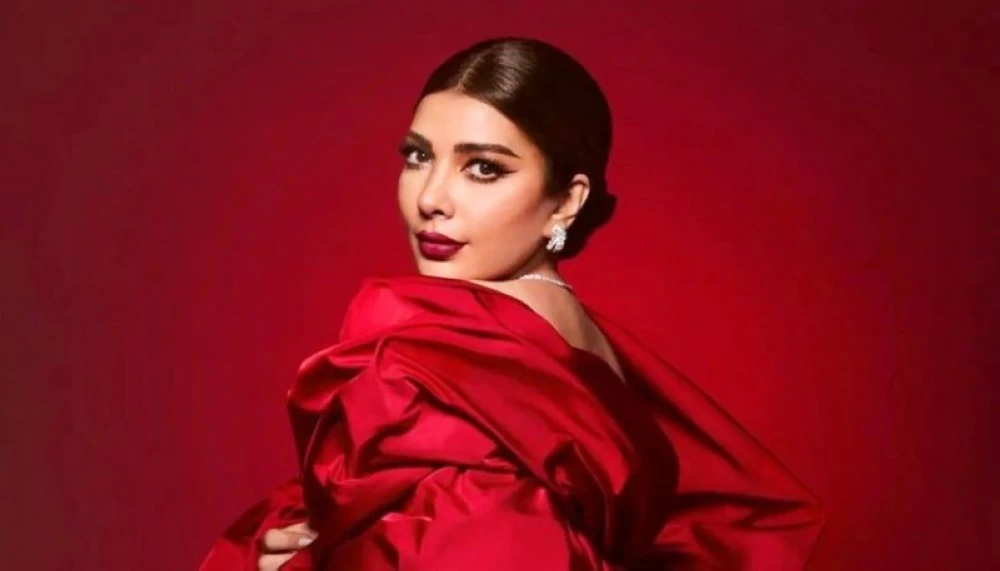
In an artistic move reflecting a profound nostalgia for the past and a celebration of identity, the iconic Syrian singer Asala Nasri revealed the main features of her highly anticipated album, which is entirely dedicated to the Syrian dialect. Asala confirmed that the project has reached its final stages, describing it as possessing an exceptional emotional quality that makes it a distinctive and unique experience in her long artistic career, reflecting a deep connection to the musical and cultural identity of the Levant.
In her recent statements, Assala explained that her new album comprises 14 meticulously crafted songs, prioritizing quality and subtle expressive details over quantity. The artist carefully selected lyrics and melodies that resonate with refined musical sensibilities, aiming to make the work more accessible to the hearts of the Arab public in general, and the Syrian public in particular. Assala believes the true value of this release lies in its unique spirit and the emotions it evokes, not merely in the number of songs. She indicated that she doesn't rule out repeating this experience in the future, despite currently describing the album as a singular artistic project that holds a special personal place in her heart.
A return to roots and a rich musical history
This move by Assala Nasri represents a welcome return to her roots. From the beginning of her career, Assala was known for her powerful voice and mastery of authentic Eastern musical modes. She is the daughter of the late artist Mustafa Nasri, under whose tutelage she studied. Over many years, Assala achieved resounding success by skillfully navigating various Arabic dialects, particularly the Gulf and Egyptian dialects, producing works that cemented her name as one of the leading stars in the Arab world. However, her return with a full album in the Syrian dialect carries special significance, evoking the masterpieces of authentic Syrian art and affirming the continuation of this artistic heritage through a voice that is among the most powerful on the scene.
Cultural influence and artistic maturity
This direction reflects a significant stage of artistic maturity, in which Asala seeks to reintroduce her voice within a context rooted in Syrian cultural heritage and musical language. Amidst the rapid changes sweeping the art scene, this album stands out as a serious attempt to preserve musical authenticity and present it in a contemporary style that resonates with listeners. The album is expected to have a wide regional impact, given the public's thirst for works that carry an authentic local flavor combined with high-level professionalism in performance and arrangement.
This project gives Asala’s career an emotional dimension that goes beyond the limits of traditional musical production towards a deeper and more personal experience, making it one of the most anticipated artistic releases in the coming period, and confirming that true art is that which starts from the local to touch everyone’s hearts.


Culture and Art
Ali Al-Alyani returns with the "Theater of Life" program on Al-Rai TV during Ramadan
Ali Al-Alyani returns this Ramadan with the second season of his show "Masrah Al-Hayat" (Theater of Life) on Al-Rai TV and the ROD platform. Details of his return and bold interviews await Gulf audiences during the holy month.
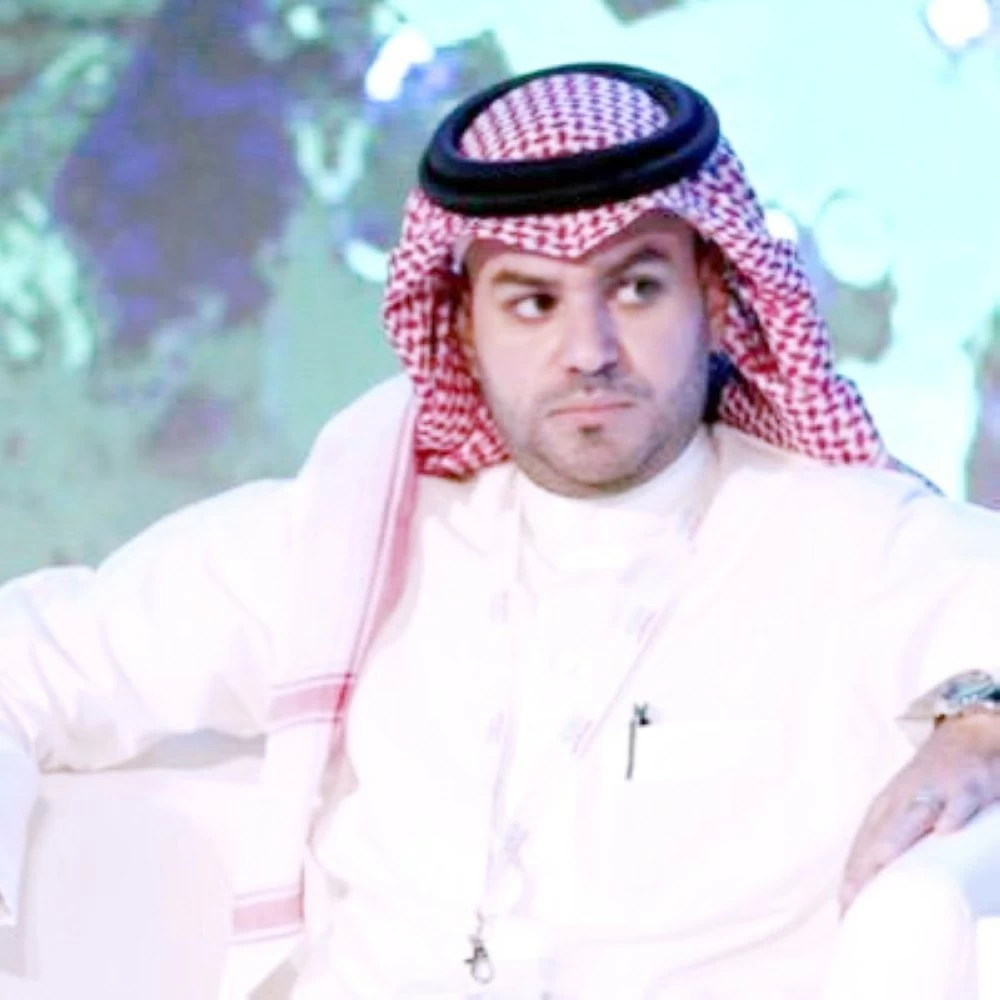
Prominent Saudi media personality Ali Al-Alyani is preparing to renew his connection with Arab and Gulf audiences during the holy month of Ramadan with the launch of the second season of his talk show, "Theater of Life." The program is scheduled to air on Kuwait's Al-Rai TV, simultaneously with its digital release on the ROD platform. This continues Al-Alyani's career, which has been closely linked to the Ramadan season, considered the peak of television viewership in the Arab world.
This announcement comes amidst fierce competition among satellite channels and digital platforms during the holy month of Ramadan, with Al-Ulayani considered a "winning card" in the talk show race. His program, "Theater of Life," stands out as a comprehensive platform that skillfully blends sensitive social issues, artistic topics, and political and economic discussions, targeting a broad audience. At its core, the program features influential and elite figures, offering content that delves into the depths of the human experience, moving beyond superficiality.
Historically, Ali Al-Alyani has established himself as one of the region's leading interviewers, with his previous programs becoming landmarks in Ramadan television history. He achieved resounding success with his program "Majmou'at Insan" on MBC, which was distinguished by its sophisticated and impactful exploration of the hidden aspects of celebrities' lives. He also presented a unique experience with "Marahil" on SBC, which combined personal interviews with charitable work through financial donations, in addition to his earlier strong start with "Ya Hala Ramadan" on Rotana Khalijia. This accumulated experience has made his programs an annual must-see for Gulf viewers.
The second season of "Theatre of Life" is particularly significant given the transformations taking place in the media sector. Its simultaneous broadcast on traditional television and digital platforms (ROD) reflects an understanding of the evolving viewing habits of a new audience. The program aims to offer a rich selection of live dialogues based on personal storytelling, reinforcing the human dimension that resonates with viewers during the month of Ramadan.
The new season is expected to feature a significant improvement in visual pacing and presentation style, while maintaining Al-Ulayani's signature bold approach to questioning and steering the conversation. The program is anticipated to generate considerable buzz in media circles and on social media platforms, solidifying Al-Ulayani's position as a pillar of Ramadan talk shows that blend entertainment with meaningful content.
Culture and Art
The passing of Saeed Al-Sarihi: A pioneer of Saudi criticism and godfather of visual arts
Farewell to Saeed Al-Sarihi, the great Saudi critic who combined literature and visual arts. This article reviews his cultural career and his impact on journalism, criticism, and guiding writers.
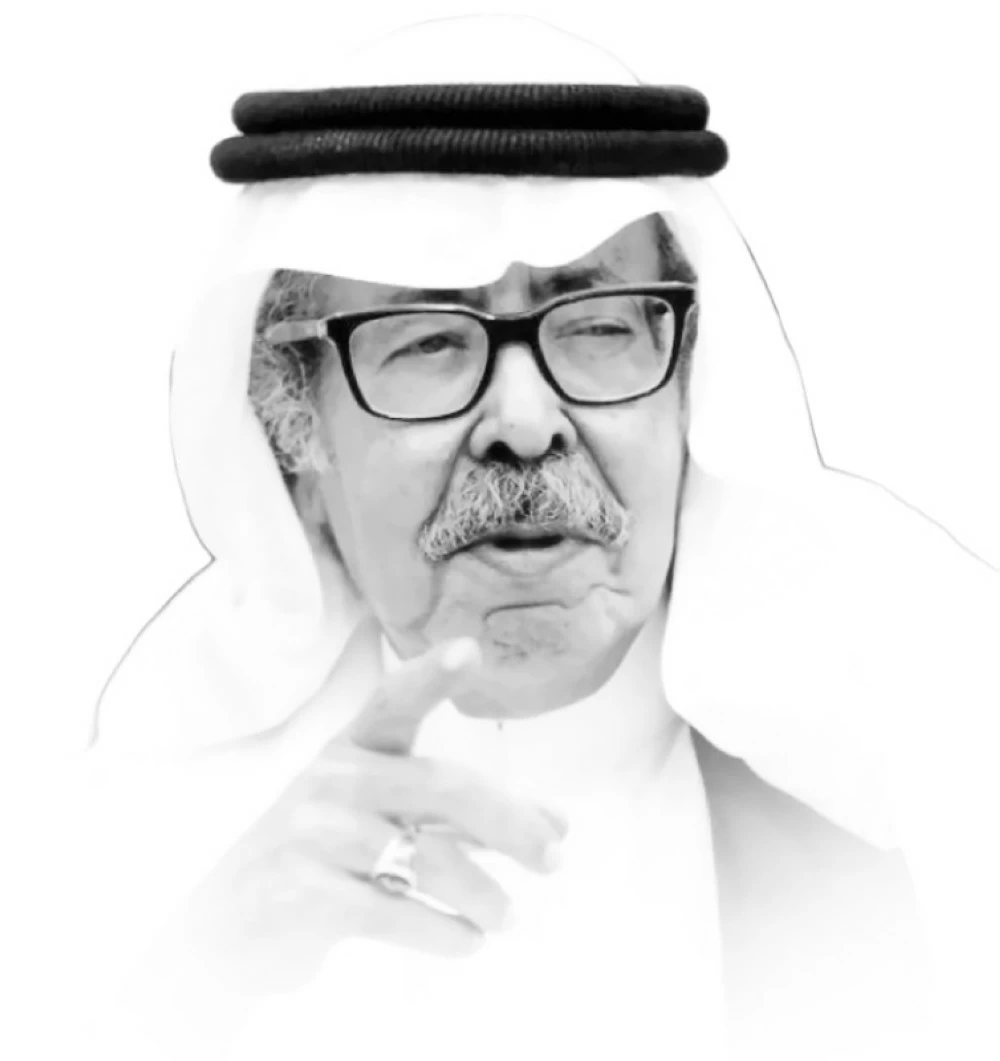
With the passing of Dr. Saeed Al-Suraihi, the Saudi and Arab cultural scene not only loses a great critic, but also bids farewell to a rare intellectual figure and encyclopedic scholar who was able to combine the depth of heritage knowledge, the nobility of morals, and the sensitivity of human feeling, thus forming a unique cultural phenomenon whose impact has extended for decades.
A symbol of modernity and cultural renewal
Al-Suraihi is considered one of the most prominent figures who shaped the cultural landscape in Saudi Arabia over the past four decades. He was not merely a passing critic, but a pioneer of renewal and modernity, engaging in serious intellectual debates to establish the concepts of modern criticism. His presence in literary clubs, particularly the Jeddah Literary Club, and in cultural journalism through the newspaper "Okaz," served as a compass guiding the younger generation towards broader horizons of writing and thought.
When Al-Suraihi spoke, he compelled you to listen, not through the force of his voice, but through the depth of his thought and the presence of a sage whose every word you immediately recognized as worthy of being heard and recorded. You wished he would never fall silent, that he would linger longer in the realm of words, for his speech was not fleeting but settled in the mind and heart. And though his voice has now faded, whether by choice or by force, his meaning remains, and will continue to resonate within the hearts of his admirers and students. His words will remain etched in our minds as a testament to a golden era in our cultural history.
The encyclopedic critic and visual arts
The deceased was unique in his distinction and encyclopedic in his knowledge; he was a profound scholar of religion and Islamic law, an expert in the intricacies of the Arabic language, and a discerning literary critic. However, what some may overlook is his exceptional appreciation of the visual arts. He possessed a remarkable and precise knowledge in this field, grounded in details, figures, and insightful readings that sometimes surpassed that of specialists who had practiced or studied the art academically. Listening to him, one sensed that he possessed the keys to this world with the awareness of a deep researcher, not the superficiality of a casual observer.
Perhaps his most notable achievement was dedicating a weekly page to the visual arts during his journalistic career. This page was not merely a fleeting space to fill airtime, but rather, thanks to his vision, it transformed into a vibrant cultural platform where he contributed his diverse ideas and perspectives, along with insightful headlines that resonated deeply and cultivated a genuine visual awareness among readers. He approached visual and plastic arts as a form of intellectual discourse no less significant than literature, granting artists their due share of in-depth reading and critical respect.
The noble teacher... a school of ethics
On a personal and professional level, Al-Suraihi was a noble mentor from whom an entire generation of journalists and writers benefited in the art of crafting headlines, writing introductions, and building journalistic and literary profiles. His editing was never dry or condescending, nor was his guidance harsh. Rather, he would smile and politely ask, "What do you think about writing it this way?" You would then realize that what he offered was guidance imbued with respect, not a correction that would wound the text or break its author. His language conveyed a deep appreciation for what had been written, and his suggestions opened new horizons without negating what had come before. He never criticized a text nor broke a writer's pen; instead, he corrected with the spirit of an expert, suggested with the mind of a partner, and left the final decision to the writer.
His body has departed, but his lessons remain, his impact endures, and his approach, tone, and ethics will forever be a guiding light. Saeed Al-Suraihi will remain a voice present in our cultural memory, a rare intellectual conscience who taught us that words carry great responsibility, and that criticism is ethics and conduct before it is merely tools and methodologies. May God have mercy on Dr. Saeed Al-Suraihi, grant him a spacious place in Paradise, and place his contributions to thought, culture, and literature on the scale of his good deeds.
Culture and Art
Huda Shaarawi's killer's confessions: Reenactment of the crime and shocking motives
The Syrian Ministry of Justice has released details of the murder of artist Huda Shaarawi. Watch the maid's confession regarding the motives for the poisoning, how the crime was carried out, and her subsequent suicide attempt.
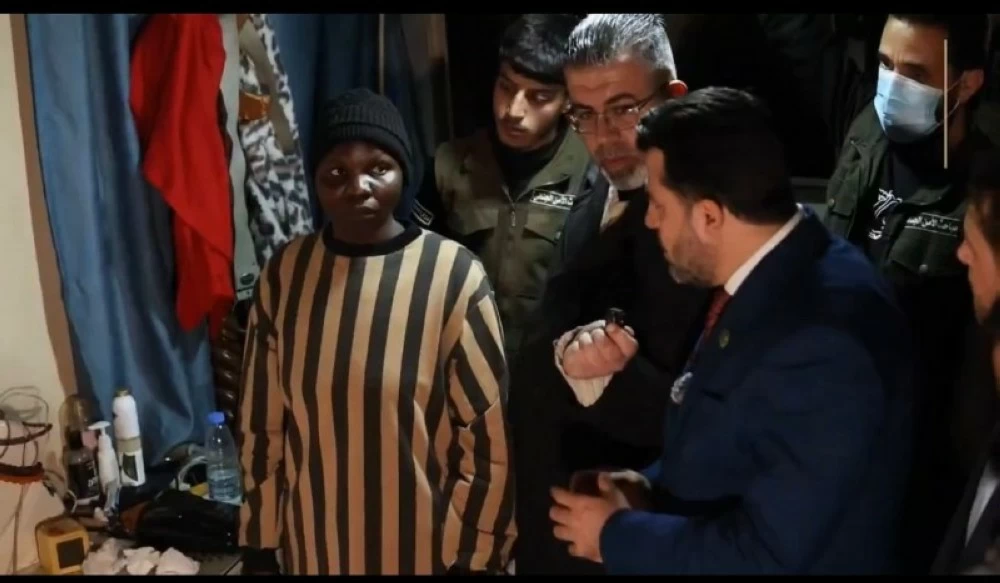
In a new development in a case that has shaken the Syrian public and the Arab artistic community, the Syrian Ministry of Justice revealed on Saturday gruesome details surrounding the murder of renowned artist Huda Shaarawi in her Damascus home. The ministry released footage of the crime reenactment, which was carried out by her Ugandan maid, and affirmed that the legal process is ongoing to ensure full justice in this tragic incident.
Documented confessions and crime scene reenactment
The ministry released a video on its official accounts showing the accused, Vicky Ajok, calmly reenacting the crime at the scene. The footage showed how the accused ambushed the late artist while she was in bed, inflicting fatal and repeated blows to her head with a hard metal object, which led to her death from severe injuries.
During the investigation, the accused offered a bizarre justification for her heinous act, claiming she suspected the artist intended to poison her. The accused recounted that the victim had asked her not to go near the refrigerator, claiming it contained poisonous substances. The maid interpreted this as a direct threat to her life, stating in her testimony: "I thought she had poisoned me, so I decided we should both die.".
A failed suicide attempt and a chaotic escape
Not content with committing the murder, the perpetrator then attempted to end her own life and cover up the crime. She confessed to taking a large quantity of medication and pouring fuel to set the room on fire before climbing to the roof of the building and jumping in a suicide attempt. Despite her fall, the accused survived and ran into the street in a state of hysteria and distress, pleading with passersby to take her to the hospital. However, the vigilance of citizens led to the authorities being alerted and her arrest in record time.
Background of the conflict and allegations of abuse
Regarding her relationship with the victim, the Ugandan worker claimed there had been prior disagreements dating back to last November, centered on the artist's refusal to give her her wages to send to her family. She also alleged mistreatment, food deprivation, and confinement—claims currently under judicial investigation to verify their accuracy. The accused maintains that she acted alone in planning and executing the crime without any external instigation.
The passing of the "Bab Al-Hara" icon and the shock it caused in the artistic community
This announcement sheds light on the tragic end of actress Huda Shaarawi, who passed away on January 29th. Shaarawi was a prominent figure in the history of Syrian drama, her name forever linked in the memory of the Arab audience with her portrayal of "Umm Zaki," the midwife in the popular series "Bab Al-Hara." Her death in such a violent manner came as a great shock to her fans and colleagues, highlighting the dangers of unregulated domestic workers and the urgent need to protect elderly people living alone.
The Syrian judicial authorities are continuing to complete the case file, in preparation for referring the accused to the competent court to receive her just punishment in accordance with the applicable laws, in a case that has become a matter of public opinion par excellence.
-

 Culture and Art, 1 week ago
Yasser Galal and Radwa El Sherbiny: Details of a new artistic project that brings them together
-
Local news one week ago
Mohammed Al-Rasasmeh appointed as official spokesperson for the Ministry of Municipalities and Housing
-
Culture and Art, 1 week ago
Poster for the series "Two Others": Asser Yassin and Dina El Sherbiny in Ramadan
-
Politics, one week ago
German Chancellor Friedrich Merz departs Riyadh after an official visit
-
Local news one week ago
Saudi Arabia weather today: Thunderstorms and dust in 5 regions
-
Culture and Art, 1 week ago
Ask Your Soul series, Ramadan 2025: Story, cast, and broadcasting channels
-
Local news one week ago
Agreement to regulate and empower street vendors in Jeddah: Details and objectives
-
Local news one week ago
The Spears of Victory 2026 military exercises concluded in Saudi Arabia with international participation


