Culture and Art
Anne-Claire Legendre is a candidate to succeed Jack Lang as president of the Arab World Institute
Anne-Claire Legendre is poised to become the next president of the Arab World Institute, succeeding Jack Lang. Learn more about the crucial meeting and the career of the first woman who could hold this prestigious diplomatic post.

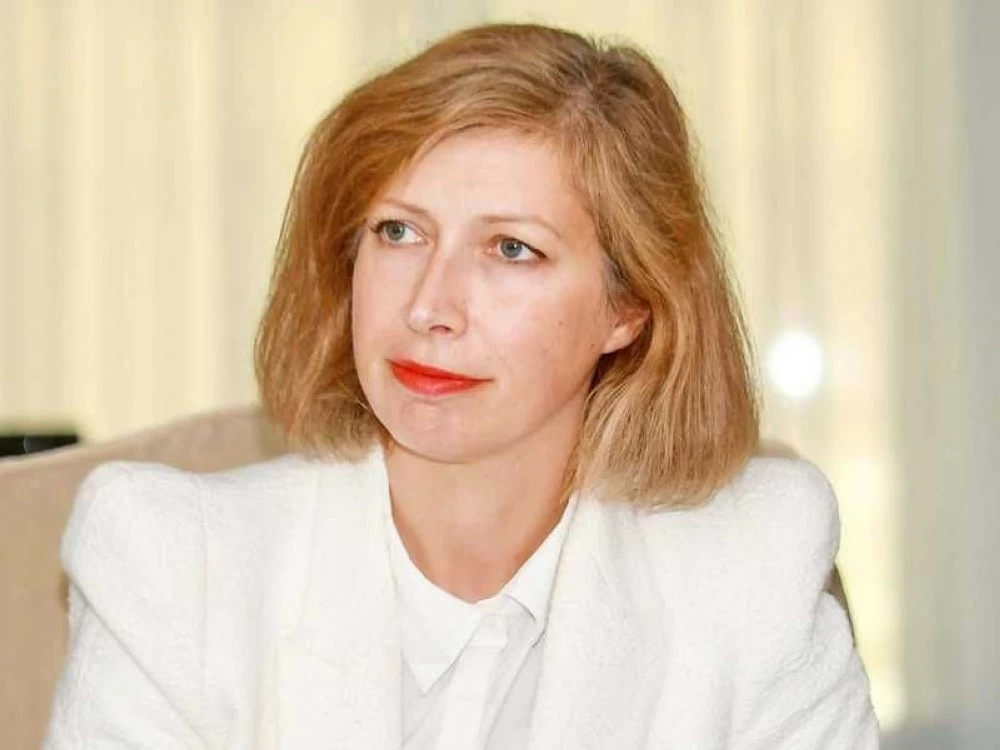
the Arab World Institute enter a pivotal phase in the history of this prestigious institution today (Tuesday), as its 14-member board of directors (seven representatives from the Arab League member states and seven representatives from France) convenes to inaugurate a new administrative era. This crucial meeting will accept the resignation of the current president, former French minister Jack Lang, and appoint his successor, with veteran diplomat Anne-Claire Legendre this prestigious post.
The end of the Jack Lang era and the controversy it sparked
Today marks the official end of Jack Lang's tenure as director of the Istituto de France, a prominent cultural and political figure who led the institute for many years and significantly contributed to strengthening its cultural presence in Paris. However, his departure comes at a delicate time, as he resigned amidst the recent media and legal controversy surrounding his alleged ties to the Jeffrey Epstein case. This departure necessitates a revitalization of the institution to ensure the continuity of its enlightening mission, free from political infighting.
Anne-Claire Lejondre: The Élysée's strategic choice
In the search for new leadership, prominent names such as Audrey Azoulay (Director-General of UNESCO) and Sabrina Agresti-Robach emerged, but the focus ultimately settled on Anne-Claire Legendre . French Foreign Minister Jean-Noël Barrot settled the debate with a tweet on the X platform, announcing his proposal to appoint Legendre as France's representative and Chair of the Executive Board, describing her as possessing "the experience and strategic vision necessary to assume these high-level responsibilities."
Legendre is an ideal choice for the current stage; she is no stranger to the complexities of the region, currently serving as President Emmanuel Macron's advisor on North Africa and the Middle East. She also possesses considerable diplomatic experience, having previously served as France's ambassador to Kuwait and as spokesperson for the Ministry for Europe and Foreign Affairs. Furthermore, her fluency in Arabic facilitates communication with the Arab members of the board.
A historical precedent and the importance of the institute as a cultural bridge
If her appointment is confirmed, as expected by unanimous vote, Legendre will make history as the first woman to head the Arab World Institute since its founding in the 1980s. This appointment carries significant symbolic weight, reflecting a trend toward empowering women leaders in major cultural diplomacy institutions.
It is worth noting that the Arab World Institute, designed by the renowned architect Jean Nouvel and inaugurated in 1987, is one of the most important cultural institutions in Europe. Its strategic importance lies in its role as a bridge for dialogue between France and the Arab world, and as a platform for showcasing Arab culture through art exhibitions, intellectual seminars, and Arabic language instruction. The new leadership is expected to strengthen this pivotal role, particularly in light of current geopolitical challenges that necessitate a greater use of soft power and cultural diplomacy.


Culture and Art
Details of the theft at the filming location of the TV series "Mona Lisa" and the arrest of the accused
Filming of the series "Al-Set Mona Lisa" starring Mai Omar has been temporarily halted due to the theft of electrical cables. Security forces have arrested a suspect with 22 prior criminal convictions following the disruption. Here are the full details.
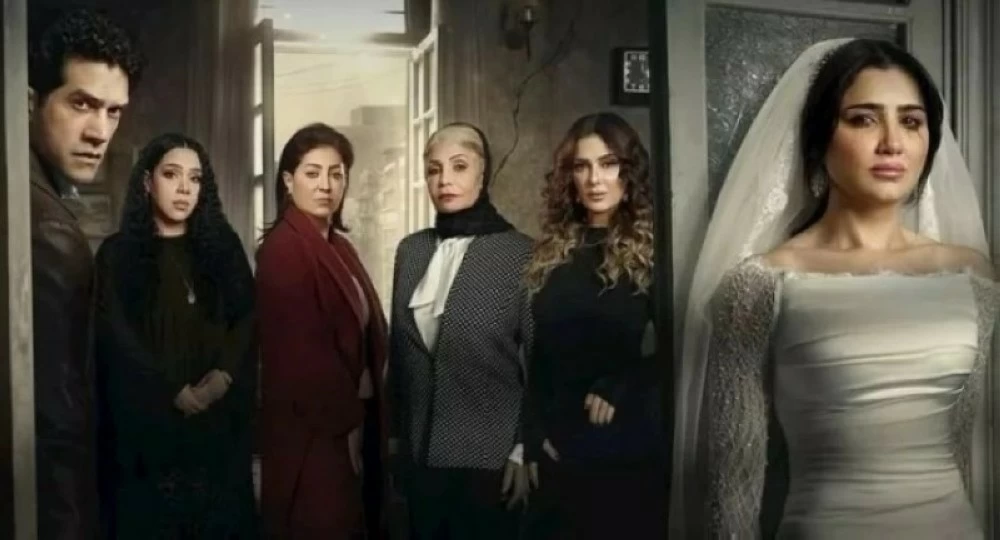
The Egyptian art scene has been thrown into turmoil and confusion in recent hours following a sudden robbery at the set of the TV series "Mona Lisa," which disrupted production and temporarily halted filming. This incident casts a shadow over the already tight schedule of the production team, who are racing against the clock to complete filming according to plan.
Details of the incident and the swift security intervention
The crisis began with a sudden power outage at the filming location, completely paralyzing the equipment and lighting necessary to complete the scenes. Initial inspection by those in charge of the location revealed that the main power cables supplying the filming equipment were missing, confirming suspicions of foul play.
Immediately upon receiving the report, Egyptian security forces acted swiftly and decisively, intensifying their search and investigation efforts to identify the perpetrator. It wasn't long before the suspect was apprehended. Upon questioning and reviewing his criminal record, a shocking revelation emerged: the suspect was a known criminal with a long history of offenses, having been previously charged in approximately 22 separate theft cases. This confirmed his habitual involvement in such criminal activities and his targeting of both public and private property.
The impact of the accident on filmmakers and stars
The power outage and cable theft disrupted the daily filming schedule for the series' stars, including Mai Omar, Ahmed Magdy, Wafaa Amer, Shaimaa Seif, Sawsan Badr, and Mohamed Mahmoud. The crew was forced to halt production for several hours, presenting a significant production challenge, as any delays in the filming schedule incur additional costs and put pressure on the actors and crew to make up for lost time.
Despite the temporary chaos caused by the incident, the rapid response of the security services and the restoration of control over the situation helped to reassure the crew, allowing filming to resume later and an attempt to make up for the delay.
"The Mona Lisa"... A highly anticipated social drama
Aside from the incident, audiences are eagerly anticipating the premiere of the series "Mona Lisa," given its distinguished cast of stars. The series unfolds as a compelling social drama, telling the story of a woman who is confronted with a harsh reality, discovering that the idealized image she had envisioned for her life was nothing but a grand illusion.
The series delves into the depths of the human psyche and complex familial and emotional conflicts, as the protagonist attempts to rebuild her life and get back on her feet after a failed marriage, facing difficult social and psychological challenges. The media attention the series received, even before its release, reflects the importance of the issues it raises and the influence of Egyptian drama as a soft power that reflects and addresses societal concerns.
Culture and Art
Abdulaziz Khoja at Jeddah Arts: A night where poetry and music embraced
The Jeddah Culture and Arts Association is organizing an evening of classical Arabic songs with Dr. Abdulaziz Khoja, showcasing the aesthetics of sung poetry and supporting the Madid program for Saudi cultural activism.
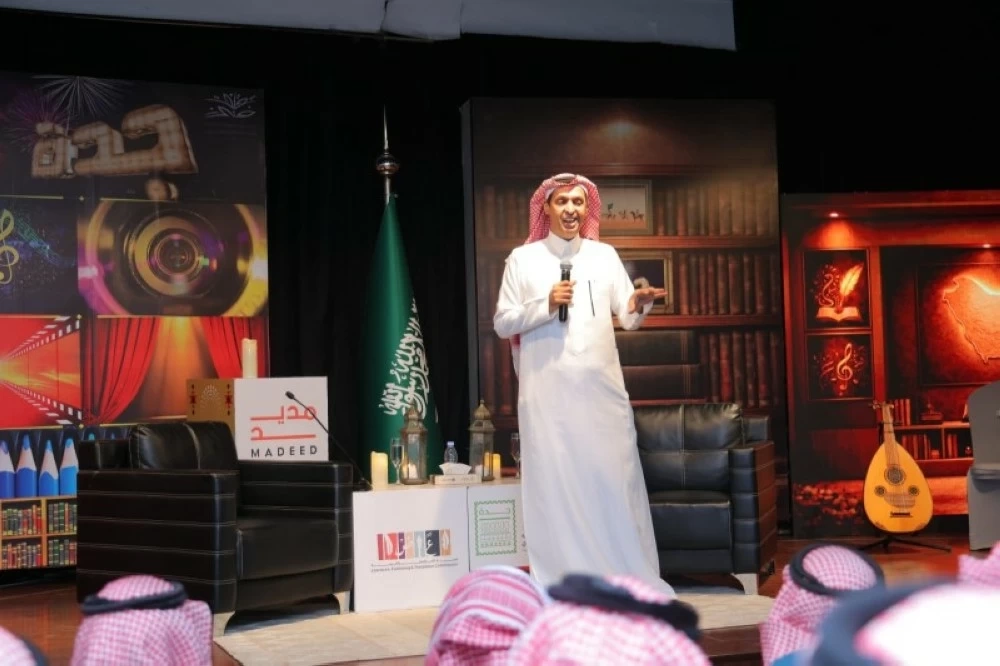
On a cultural evening where the magic of eloquence blended with the sweetness of melodies, the Jeddah Culture and Arts Association organized a unique event entitled "Classical Arabic - The Song of the Soul," hosting the distinguished literary and diplomatic figure, Dr. Abdulaziz Khoja. The evening, skillfully moderated by Dr. Zaid Al-Fadhil, was part of a vibrant cultural movement in the Kingdom, supported by the "Madid" program of the Literature, Publishing and Translation Commission, aimed at strengthening the presence of Classical Arabic in the artistic landscape and solidifying the status of poetry in the public's aesthetic consciousness.
Abdulaziz Khoja: The poet, diplomat, and human being
This evening was more than just a fleeting event; it was a tribute to the long and distinguished career of Dr. Abdulaziz Khoja. Khoja is one of the most prominent figures in the Saudi and Arab cultural scene, combining political acumen as a former Minister of Culture and Information and ambassador to several major capitals with the sensitivity of a poet who crafts words to resonate deeply. His participation is particularly significant given his pioneering role in bridging the gap between classical Arabic poetry and modern musical taste, making his texts a rich source of inspiration for leading composers and singers.
The sung poem: an artistic memory that transcends borders
During the enriching dialogue, the audience delved into the experience of the sung poem, as Dr. Khoja and Dr. Al-Fadhil explored the journey of poetic texts that transformed into iconic songs. Dr. Khoja pointed out that when a poem is sung, it acquires new life and reaches a wider segment of the Arab audience. This was evident in the list of renowned artists who have performed his words, such as Wadih El Safi, Sabah Fakhri, Mohammed Abdu, Abadi Al-Johar, Karima Al-Saqli, and Hiba Qawas. This geographical diversity of artists confirms that Saudi poetry possesses the qualities of universality and the ability to influence the Arab consciousness from the Atlantic to the Gulf.
Vision 2030 and supporting cultural activism
This event is a direct reflection of the significant cultural transformation underway in the Kingdom under Vision 2030, which has given unprecedented attention to culture and the arts as pillars of quality of life and soft power. In this context, Mohammed Al-Subaih, Director of the Jeddah Culture and Arts Association, emphasized that refined music and singing represent a civilized face of society, praising the institutional support provided by the "Madeed" program, which empowers non-profit cultural organizations to offer high-value content that strengthens national identity and belonging.
Lively interaction and elite input
The evening wasn't limited to theoretical discussions; it also featured a practical application of the aesthetic interplay between poetry and music. The audience experienced a captivating performance by artist Mohammed Hashem, accompanied by musician Dr. Madani Abadi on the qanun, in a beautiful display that embodied the elegance of the lyrics and the sweetness of the melody. The closing event was enriched by insightful contributions from prominent figures, including Ambassador Osama Naqli, Dr. Abdullah Dahlan, journalist Saad Zuhair, and poet Badia Kashgari, lending the evening the air of a distinguished literary salon and reviving Jeddah's historical cultural prestige.
Culture and Art
Launch of the Culture and Arts Guide in the Urban Landscape under the patronage of the Minister of Culture
Under the patronage of Prince Badr bin Farhan, the Ministry of Culture launched the Culture and Arts Guide in the Urban Landscape to enhance quality of life and integrate art into public spaces within Vision 2030.
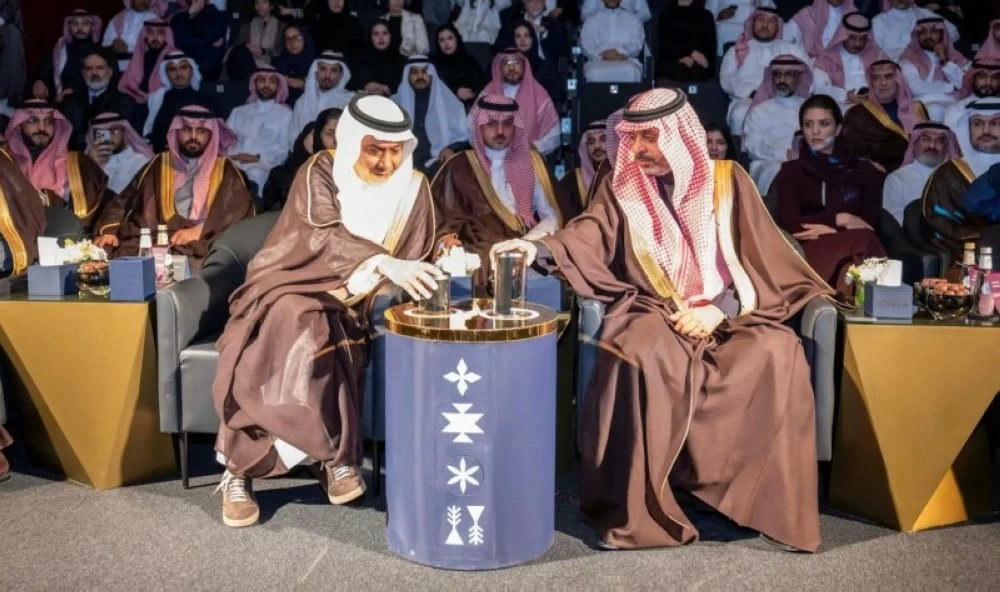
Under the patronage of His Highness Prince Badr bin Abdullah bin Farhan, Minister of Culture, the Ministry of Culture launched the “Culture and Arts in the Urban Landscape” guide yesterday (Monday) at a ceremony held at the Diriyah Center for Future Arts. This strategic step lays the foundation for a comprehensive national reference to support stakeholders in planning and implementing cultural interventions in public spaces, with the aim of improving the urban landscape and enhancing the quality of life in Saudi cities, in line with the objectives of the Kingdom’s Vision 2030.
A qualitative leap in Saudi urban planning
The launch of this guide comes at a time when the Kingdom is witnessing a radical transformation in urban planning concepts, as cities move from being mere functional concrete blocks to vibrant, human-centered spaces. This guide is a practical application of the Quality of Life Program initiatives, one of the Vision 2030 programs, which seeks to empower the cultural sector to play a pivotal role in shaping the identity of cities and making them more attractive to both residents and visitors.
The ceremony was attended by the Deputy Minister of Culture, Professor Hamed bin Mohammed Fayez, and the Deputy Minister of Municipalities and Housing, Engineer Ehab Ghazi Al-Hashani, reflecting the extent of governmental integration to achieve these goals.
An integrated partnership between culture and urban development
In his address on behalf of His Highness the Minister of Culture, Professor Hamed Fayez affirmed that the guide is the fruit of a strategic partnership with the Ministry of Municipalities and Housing. He pointed out that Saudi cities hold a rich history and profound meanings that can be revived through public spaces, saying, “These spaces can be transformed into living experiences that build a relationship between people and their surroundings, and work to transform the place into a destination, a story, and a creative space.”.
For his part, Engineer Ehab Al-Hashani explained that the ministry is working on redefining urban planning to put “people first,” stressing that the guide moves municipal work from individual efforts to a sustainable methodology, to give cities a visual language that expresses their identity and cultural diversity.
The importance of the guide and its expected impact
The role of the "Culture and Arts in the Urban Landscape" guide extends beyond aesthetics to encompass significant social and economic dimensions. Socially, art in public spaces fosters a sense of belonging and creates opportunities for community interaction, thus reducing social isolation in major cities. Economically, transforming squares and public spaces into artistic landmarks contributes to attracting both domestic and international tourism and revitalizes commercial activity in surrounding areas—a phenomenon known globally as "placemaking.".
Practical methodology and entrepreneurial projects
The guide offers a practical roadmap for municipalities, local authorities, and real estate developers, starting with understanding the nature of the community and the location, and extending to implementation and impact measurement. To ensure the guide's effectiveness, pilot projects were launched in collaboration with major entities such as the Royal Commission for Riyadh City, the King Fahd National Library, and the Madinah Municipality, serving as living examples of how to integrate art into the urban fabric.
It is worth noting that the guide is now available through a dedicated digital platform on the Ministry of Culture’s website in both Arabic and English, including tools, models and global best practices, to help planners and innovators transform the Kingdom’s cities into open museums that reflect their cultural depth and their aspirations for the future.
-

 Culture and Art 6 days ago
The "Between and Between" exhibition in Jeddah: 5 artists reshape Saudi memory
-
Local News 4 days ago
Saudi Arabia's National Arabic Language Policy: 8 Principles to Promote Identity
-
Culture and Art 7 days ago
Shakira's concert in Jeddah: Details of the international star's first concert in Saudi Arabia
-
Local News 3 days ago
Adopting the National Policy for the Arabic Language: Strengthening Identity and Vision 2030
-
Culture and Art, 1 week ago
The truth about Nancy Ajram's video and Epstein Island, and her legal response
-
Local News 4 days ago
The Riyadh-Rin-Bisha dual carriageway, spanning 559 km, has been completed
-
Local news one week ago
Launch of the new Dammam project with investments of 98 billion riyals
-
Politics, one week ago
Washington Post president resigns after laying off a third of staff