
Culture and Art
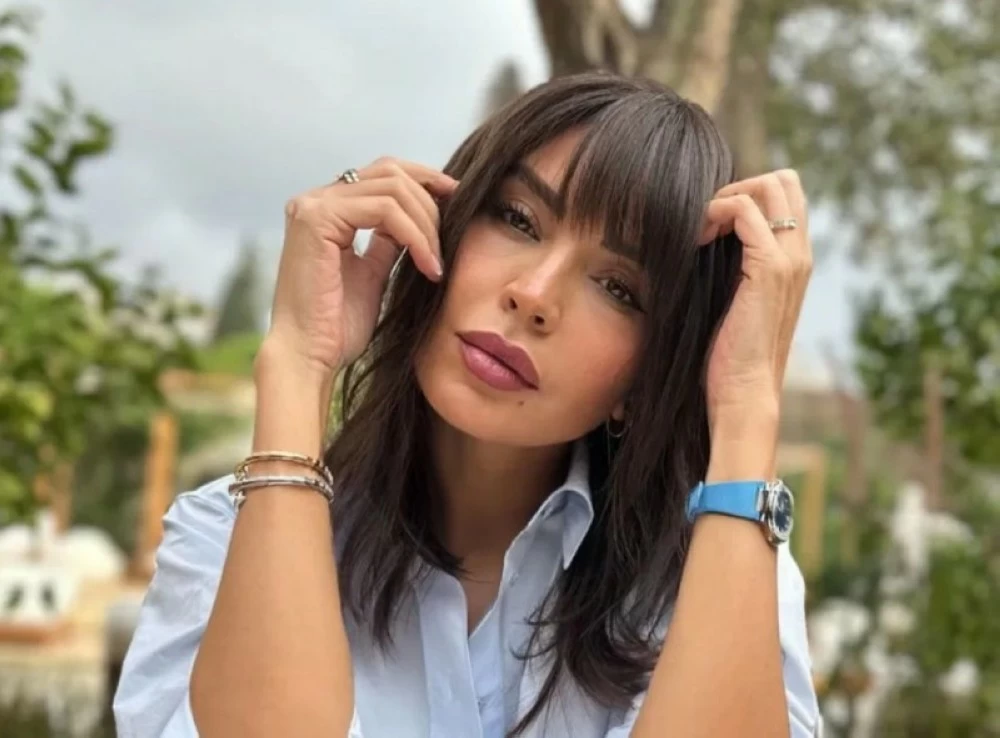
Amal Bouchoucha: Details of my return to Egyptian drama in "Awlad El Ra'i"
Algerian artist Amal Bouchoucha reveals the challenges of her role in the series “Awlad Al Ra’i” and the reasons for her 7-year absence from Egyptian drama and the importance of this return in her artistic career.

A strong comeback for Egyptian drama
The brilliant Algerian star, Amal Bouchoucha, expressed her immense happiness at the overwhelming public interest and anticipation surrounding her return to Egyptian drama after a seven-year absence. Through her participation in the highly anticipated Ramadan series "Awlad El Ra'i" (The Shepherd's Sons), Bouchoucha considers this tremendous support not merely a motivation, but a positive pressure and a great responsibility that drives her to deliver an exceptional performance worthy of the love and trust of the audience in Egypt and across the Arab world.
A successful artistic background
Amal Bouchoucha's return to Egypt comes with a rich artistic career. Since her debut on the popular talent show "Star Academy," she has proven her talent and successfully transitioned into acting, delivering prominent roles in joint Syrian and Lebanese dramas, making her one of the leading stars in the Arab world. Egyptian drama, with its long history and widespread influence, is a pivotal point in the career of any Arab artist, and Bouchoucha's return, following her last guest appearance in the series "Abu Omar Al-Masry" in 2018, represents a significant strategic step in her artistic journey.
Details of the roles and conflicts in "The Shepherd's Sons"
In an exclusive statement to Okaz newspaper, Bushousha revealed that the series "Awlad Al-Ra'i" (The Shepherd's Sons) is distinguished by its fast pace and successive events, which rely on multiple and complex conflicts. Each episode witnesses surprising developments that keep viewers constantly on the edge of their seats. She explained that her character in the series is multifaceted, combining different aspects. She blends action-packed scenes full of suspense with deep romance, especially in the scenes she shares with star Majed Al-Masri, creating a compelling and unique dramatic blend.
The dialect challenge and the behind-the-scenes atmosphere
Preparing for the role wasn't easy, as Amal Bouchoucha admitted that mastering the Egyptian dialect was a significant challenge at first, given the mix of Arabic dialects she had used in her previous work. However, thanks to her focus and perseverance, she was able to control it and deliver it fluently. She described the filming atmosphere as enjoyable and productive, emphasizing that working alongside such prominent actors as Khaled El Sawy, Ahmed Eid, and Maged El Masry was a valuable opportunity for learning and exchanging experiences, adding a new dimension to her artistic journey.
Future prospects and expected reactions
Amal Bouchoucha eagerly awaits audience reactions after the series airs and hopes her performance will be well-received by critics and viewers alike. She also mentioned plans for new artistic projects in Egypt in the coming period, emphasizing her strong desire to return to the stage, her first love, through a new production with the prestigious Caracalla Theatre, continuing her journey of enriching the Arab artistic scene with diverse and distinguished works.


Culture and Art
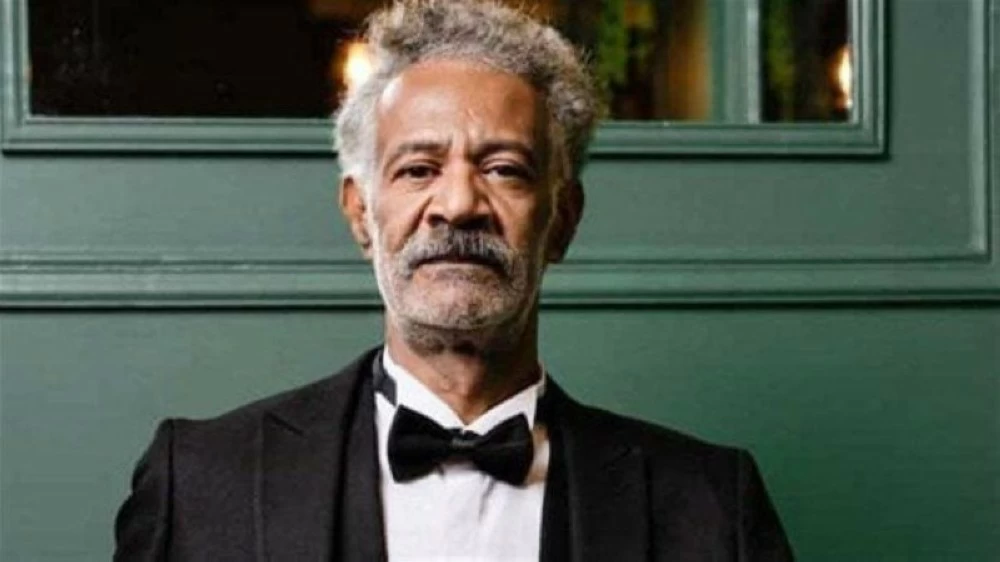
Mahmoud El-Sarraj's crisis: Details of his accusation of insulting Egyptians and the syndicate's response
Details of the crisis of Sudanese actor Mahmoud Al-Siraj after the circulation of posts offensive to Egyptians, the reaction of the Actors Syndicate, and the artist's statements to defend himself.
Widespread controversy on social media platforms
Sudanese actor Mahmoud Al-Siraj has been trending on social media platforms in Egypt and Sudan in recent hours after old posts attributed to him, containing insults against the Egyptian people, resurfaced. These posts sparked widespread outrage, with many considering them offensive to the brotherly and historical relations between the two countries, placing the actor in an embarrassing position with the Egyptian public who have embraced his artistic career.
Background of Egyptian-Sudanese relations and their cultural impact
The relationship between Egypt and Sudan is based on deep historical, geographical, and cultural ties that stretch back thousands of years. The two countries are considered a single entity, bound together by the Nile River and a shared heritage. Over the decades, art and culture have served as a vital bridge for communication, with Egypt welcoming numerous Sudanese artists and creators who have left a significant mark on the Egyptian and Arab art scene. This historical context makes any offensive statements extremely sensitive, as they not only target individuals but also threaten the very symbolism of this deeply rooted relationship.
The repercussions of the crisis and the intervention of the actors' union
This incident was not the first of its kind, as observers pointed out that these statements attributed to the artist had been repeated on previous occasions, intensifying criticism and calls for decisive action. Calls escalated on social media to ban Al-Siraj from participating in any artistic works within Egypt, given that such statements are unacceptable. In response to the public outcry, the Egyptian Actors' Syndicate issued an official statement confirming that it was monitoring the crisis. The head of the syndicate, Dr. Ashraf Zaki, stated that the syndicate's board would convene urgently to discuss the situation and take appropriate action, emphasizing that the syndicate would not tolerate any matter that infringes upon the dignity of the Egyptian people.
Mahmoud al-Sarraj denies the accusations and clarifies his position
In his first response, actor Mahmoud El-Siraj categorically denied the authenticity of the circulating posts. In a press statement, El-Siraj confirmed that the accounts publishing these insults have no connection to him and that their aim is to incite discord between the two nations. He expressed his deep love and appreciation for Egypt, which he considers his second home, noting that he has resided there for five years and that half of his family lives in Egypt. He emphasized that his relationship with Egypt and its people is far too strong to be affected by such destructive attempts, as he described them.
Culture and Art
Mai Selim in the series "Black Rouge": A true story about organ trafficking
Mai Selim is starring in the Ramadan drama series 'Black Rouge', which exposes the issue of organ trafficking. Learn more about her role, inspired by a true story, and the social significance of the work.

Mai Selim faces organ trafficking charges during Ramadan
Egyptian actress Mai Selim returns to television screens this Ramadan season with the series "Black Rouge," airing on Al-Nahar and Al-Mehwar channels. The show tackles a sensitive and complex issue, offering a human and social perspective on the hidden crime of organ trafficking, a crime that threatens societies. Inspired by real events, the series lends it depth and credibility, appealing to viewers seeking meaningful dramas.
Personal details about "Reem" and a story inspired by reality
In the series, Mai Selim portrays Reem, a simple girl from a humble social class who faces harsh life challenges. The plot thickens when she is betrayed by her husband, who exploits her trust and love to steal her kidney, in a dramatic twist that reflects the most heinous forms of treachery and betrayal. This tragic story is based on the true story of a woman who sacrificed part of her body to save her husband's life, only to be met with betrayal and expulsion from their home. Mai Selim's performance is highly anticipated as she is expected to portray this depth of pain and psychological complexity.
Ramadan drama as a mirror of social issues
Egyptian drama, especially during Ramadan, has long been a major platform for raising and widely discussing pressing social issues. The series "Black Rouge" continues this tradition, using art to shed light on the crime of organ trafficking, which often occurs in secret and whose victims are among the most vulnerable. Addressing such sensitive topics contributes to raising societal awareness and warning individuals about the methods criminals use to exploit people's needs and difficult circumstances.
The importance of the work and its expected impact
The series' significance lies in its ability to spark public debate on a serious international and local issue. Locally, it can draw the attention of relevant authorities to the need for stricter oversight and more stringent laws to combat this illicit trade. Regionally, its broadcast across the Arab world contributes to raising awareness among a wider audience about the dangers of this phenomenon, which is not confined to any one country. Through drama, the hearts and minds of millions can be reached, transforming a single, painful story into a matter of public concern—the ultimate role of art.
Series Cast
The series "Black Rouge" features a constellation of prominent stars alongside Mai Selim, including Rania Youssef, Dalia Mostafa, Liqaa El-Khamissi, Farah El-Zahed, Ahmed Fahim, and Karim El-Omari. Written by Ayman Selim and directed by Mohamed Abdel Rahman Hamaki, the series is scheduled to air in 30 episodes throughout Ramadan. In related artistic news, Mai Selim recently released her latest single, "Accumulations," a dramatic song expressing the emotional pain left by failed relationships. With lyrics by Ahmed Eissa and music by Madian, the song further demonstrates her artistic versatility in both acting and singing.
Culture and Art
Mohammed Al-Qass reveals he was the victim of artistic theft and threatens to resort to the judiciary
Saudi artist Mohammed Al-Qass announced in an official statement that the idea for his series was stolen by an actor, confirming that he will take all legal measures to protect his intellectual property rights.
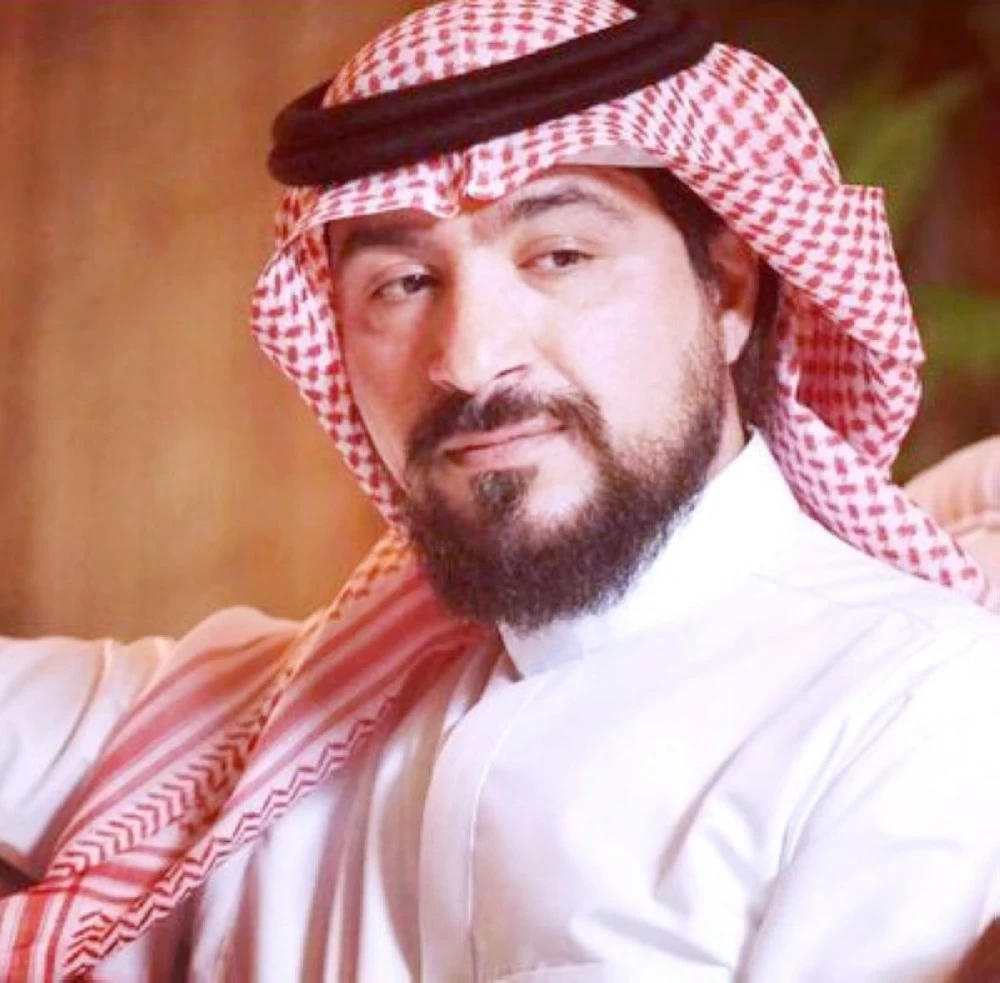
Saudi artist and producer Mohammed Al-Qass sparked widespread controversy in artistic circles after he revealed in a lengthy statement on social media platforms that he had been subjected to what he described as a “new artistic theft,” accusing an actor of stealing the idea for a series he had worked on for years and starting to implement it with a satellite channel without any right.
In recounting the details of the incident, without naming the parties involved, the priest explained that his artistic career, spanning over 25 years, had been full of challenges, but this particular incident was the most painful. He indicated that he had independently developed the idea for a television series and discussed it in good faith with a new actor whom he considered a professional partner. He was later shocked to discover that this actor had appropriated the idea, claimed it as his own, and presented it to a satellite channel, which had already begun production. The priest added that he tried to contact channel officials to clarify the matter, but his attempts were met with complete disregard, suggesting that the close relationship between the actor and the channel was the reason behind this.
This case opens the door to a broader discussion about intellectual property rights in the Arab entertainment industry, a long-standing and contentious issue. In the absence of clear and binding mechanisms for documenting creative ideas in their early stages, many artists rely on mutual trust and verbal agreements, leaving them vulnerable to exploitation and theft. The priest's case further highlights the need for stricter legal and professional frameworks to protect creators, especially given the tremendous growth of the drama and film production sector in Saudi Arabia and the Gulf.
Mohammed Al-Qass is known as one of the most prominent names in the Saudi art scene, having built a career rich in theatrical, television, and cinematic works, most recently his notable participation in the film "Al-Khalat+" which was shown on the global platform Netflix. This long artistic history lends weight and significance to his statement within the artistic community, making the accusation against him an event that cannot be ignored and may prompt a review of prevailing professional practices.
In his statement, the priest affirmed that he would not hesitate to defend his rights "by all possible means," a clear indication of his intention to pursue legal action. He emphasized that he would not forgive anyone involved in or benefiting from this "theft," explicitly excluding the director and his fellow actors from the accusation, thus placing the responsibility squarely on the executive producer and the actor who claimed the idea as his own. He concluded his statement by expressing his confidence that the truth would come to light and that he would not remain silent regarding his moral rights, which represent the culmination of his creative effort.
-
 Local news one week ago
Landslide in Riyadh: Details of the incident in Al-Sahafa neighborhood and containment efforts
-
 Local news one week ago
The death penalty was carried out against a citizen who stabbed another to death in Tabuk
-
 Culture and Art 7 days ago
Haifa Wehbe's absence in Riyadh: A photo crisis or a strained relationship with the media?
-

 Local news one week ago
First birth on the Riyadh train: A heartwarming story at Andalus station
-
 Local News 7 days ago
Riyadh collapse: Emergency plans to secure water after a main pipeline burst
-
 Culture and Art 7 days ago
City Kitchen series: A drama of conflict and the middle class during Ramadan
-
 Culture and Art 7 days ago
The series "Kasra": Dawood Hussein in a moving social drama this Ramadan
-

 Local News 6 days ago
Applying for the 1447 Opportunities Program for Teachers via the Fares System