
Culture and Art
The Shadi and the Sahih confirm the brotherhood of "popular" and "classical" Arabic
The Al-Baha region experienced two poetic nights, during which the poets of the homeland and love (Saleh Al-Shadi and Jassim Al-Sahih) delighted the audience with their masterpieces

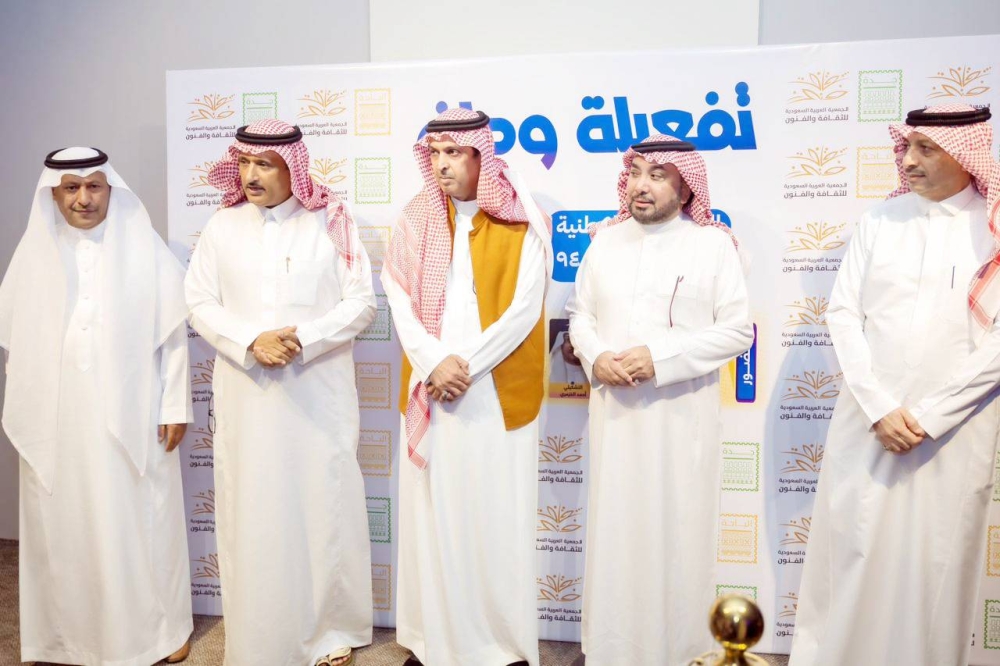
The Al-Baha region experienced two poetic nights, during which the poets of the homeland and love (Saleh Al-Shadi and Jassim Al-Sahih) delighted the audience with selected gems from the necklaces of pearls. The homeland was present with its symbolism, leadership, people, and achievements. The attendees of the two evenings interacted by reciting verses of poetry (popular and classical), to confirm that the two knights of the evening affirmed that poetry in all its genres is a (fragrance) that differs in the vessel in which it is presented.
Al-Shadi in the arts of Al-Baha: I sang for the homeland and sang of it, and I am still thirsty
At his poetry reading held at the Culture and Arts Association in the Al-Baha region, poet Dr. Saleh Al-Shadi expressed his gratitude for being chosen as the nation's poet and personality of the year 2024. He emphasized that for 40 years he has been singing the praises of Saudi Arabia, and he remains thirsty for more, like someone drinking seawater, feeling he hasn't yet said all he wants to say. He then recounted a part of his poetic journey, specifically the 12th Janadriyah Operetta (The Struggle of Generations) in 1417 AH (1996/1997 CE), which he was commissioned to write by the late Prince Badr bin Abdulaziz, Deputy Head of the National Guard. The melody was composed by the late Mohammed Shafiq, and the song was performed by the late Talal Maddah, Mohammed Abdu, Abadi Al-Johar, Ali Abdulkarim, Abdullah Rashad, Abdulmajeed Abdullah, and Rabeh Saqer. He explained that Prince Badr bin Abdulaziz inspired some of the ideas and vocabulary he incorporated into the text. King Abdullah bin Abdulaziz, may God have mercy on him, requested the addition of two panels, one bearing the inscription "There is no god but God, Muhammad is the Messenger of God," and the other "Youth of the Nation." Al-Shadi then discussed his writing of song lyrics, followed by his foray into intellectual and philosophical writing, and the world of metaphysics. Al-Shadi's evening was part of a partnership between the Culture and Arts Societies in Jeddah and Al-Baha, with contributions from Mohammed Al-Subaih, Ahmed Al-Khazmari, Mahdi Al-Zahrani, and Ali Al-Baydani.
The correct view: Betraying the language of the dictionary is a tribute to poetry
The poet Jassim Al-Sahih opened his evening at the Al-Sharik Literary Café with a poem titled "A Greeting to Al-Baha," followed by his poem "The Imprint of Unity on the Forehead of the Homeland," which includes the lines: "A homeland where the Quran is enshrined, its verses and explanations shaded by its light. Memories have etched it within us, so when we forget, forgetfulness reminds us of it. Our ancestors examined the acid of its soil and saw that its soil is human, its arm extending from the waves of the Gulf, its completion in the Jeddah of the shores." He then recited "Temptation in the Café," which includes the lines: "A café, and your lips are bare, bathing in the foam of the cup, and the map of the expansive bosom draws me in, to be a field engineer within it." He also recited "A Celebration of Love and Life," which includes the lines: "And I was struck by something I hadn't anticipated, a woman with the taste of the Merciful One's glad tidings. Meeting her was merely a coffee, and love can come from the cup. I loved, O equator of my emotions, so stand firm against the heat of the heart." He concluded with the poem "Leaning on the Shoulder of the Alphabet," which includes the lines: "Suspended between neither moving forward nor stopping, the path carries me, not the goal. If I must belong, then I am a poem that newspapers refused to publish. In my helplessness, I address myself as I address it. Oh, what a disappointment, for which there is no regret in its magnitude! My writing was neither a deficiency nor a luxury; my writing is that I confess to my deficiency." In response to questions from the evening's host, Adel Al-Adwani, Al-Sahih emphasized that betraying the language of the dictionary is a form of loyalty to poetry, noting that vocabulary is historically worn out. He explained that this problem is overcome by employing metaphors, and that every poet creates their own metaphors.


Culture and Art
Fayez Al-Maliki reveals he has benign tumors and begins his treatment journey
Saudi artist Fayez Al-Maliki reassures his fans after revealing that he has benign tumors in his rectum and abdomen, confirming that he has begun his treatment journey amidst widespread support from his fans.
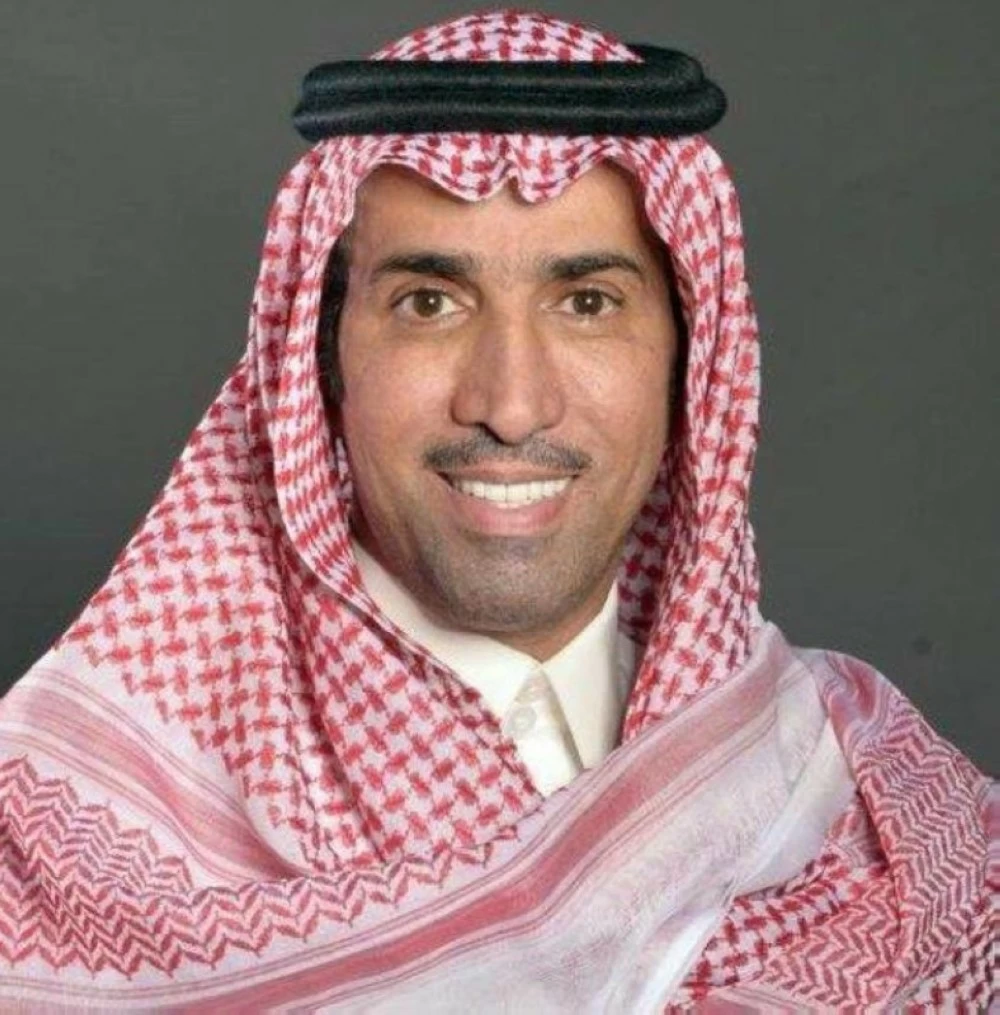
Fayez Al-Maliki reassures his fans and begins his treatment journey
In a move that garnered widespread attention, prominent Saudi artist Fayez Al-Maliki revealed details of his health condition, confirming a diagnosis of benign tumors in his rectum and abdomen. In a direct message via his social media accounts, Al-Maliki reassured his fans and supporters, announcing the start of his treatment journey with confidence and faith, which sparked a wave of support and sympathy in Saudi Arabia and the Gulf region.
In his heartfelt message, Al-Maliki said, “To everyone who asked about me, I pray that God protects you and your loved ones from all harm. I am happy to tell you that I am well. I was diagnosed with tumors in my rectum and abdomen, and they turned out to be benign, praise be to God.” He added optimistically, “My treatment has begun,” confirming that his condition is stable and the initial results are reassuring. He expressed his deep gratitude to everyone who contacted him, saying, “I am receiving treatment and I am doing well, thank God they are benign. Praise and thanks be to God.” He concluded by asking his followers for their prayers.
Background on an inspiring artistic and humanitarian journey
Fayez Al-Maliki, born in Taif in 1969, is considered a pillar of comedy and drama in Saudi Arabia, with an artistic career spanning more than three decades. Al-Maliki began his career in the early 1990s with small roles, but his real breakthrough came with his participation in the popular series "Tash Ma Tash," which opened the doors to stardom. Later, he cemented his position as a leading man in successful works such as the series "Beni wa Benak" and "Saktam Baktam," which not only focused on comedy but also addressed important social issues in a satirical and engaging style, making him a regular guest on Saudi and Gulf television screens.
Alongside his artistic success, Al-Maliki has built a solid reputation for humanitarian and charitable work. Since 2009, he has served as a UNICEF Goodwill Ambassador in the Gulf region, dedicating a significant portion of his time and effort to supporting humanitarian causes, such as children's rights, refugee assistance, and contributing to numerous relief campaigns both within the Kingdom and abroad. This combination of impactful art and genuine philanthropy has earned him a special place in the hearts of millions, making him a widely respected and admired public figure.
The importance of transparency in health awareness and its societal impact
Fayez Al-Maliki's transparent disclosure of his health condition is a courageous and impactful step with significant social implications. In societies where some may hesitate to speak openly about illnesses, especially those affecting sensitive areas of the body, the sharing of a public figure's experience helps break down the barriers of silence and fear. This step encourages the importance of early detection and regular checkups, which are crucial in managing various types of tumors.
Al-Maliki's emphasis on the "benign" nature of tumors sends a powerful message of hope, clarifying to the public that not every tumor necessarily indicates a malignant disease. This reduces the panic that can accompany such diagnoses and underscores the importance of accurate medical diagnosis. Many doctors and health activists have praised this initiative, considering it a practical lesson in social responsibility, where celebrities use their platforms not only for entertainment but also to raise health awareness and promote a positive health culture in society.
Culture and Art
Elham Ali and the truth about the changes in the series "Al-A'sha Street 2"
Artist Elham Ali denies rumors about major changes in the cast of Al-A'sha Street 2, and reveals developments in her character 'Wadha' and details of the anticipated new season.
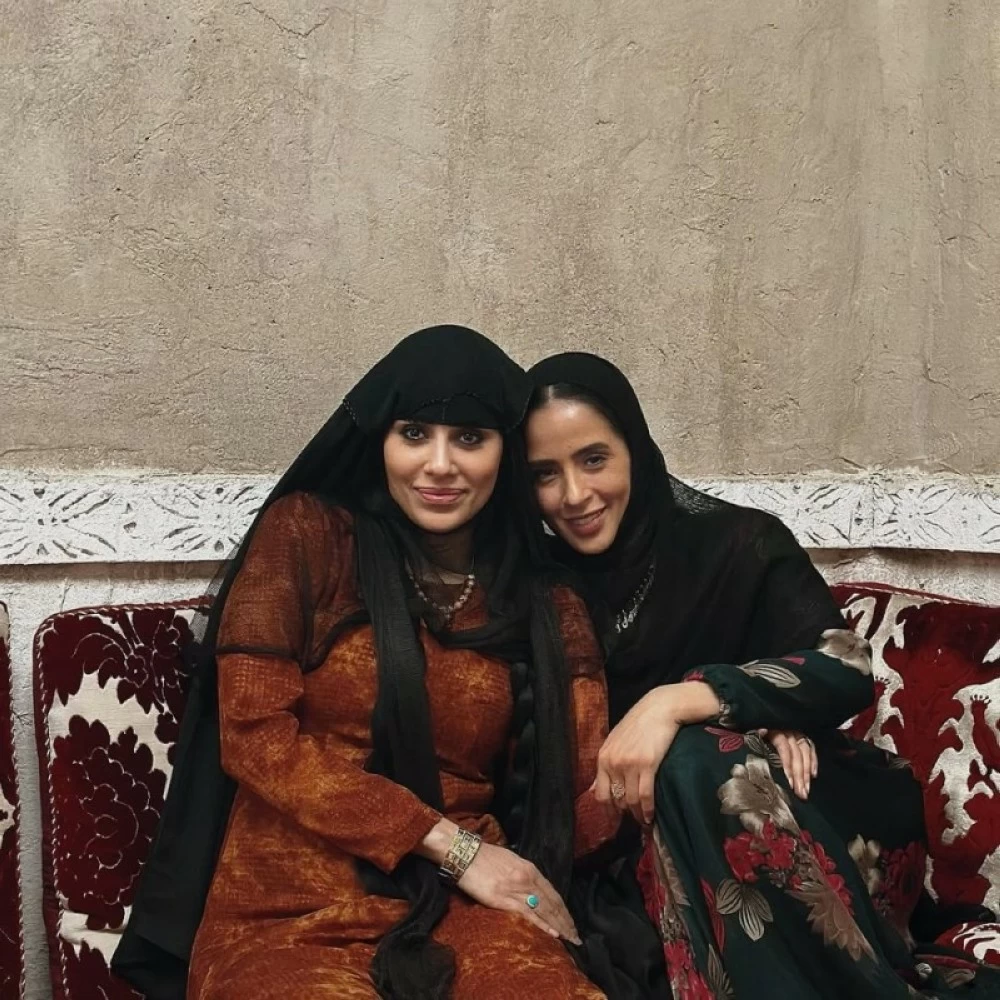
In recent statements, the brilliant Saudi actress Elham Ali put an end to the controversy surrounding the second season of the hit drama series "Al-A'sha Street," confirming that much of the information circulating on social media is false and has no basis in reality. She clarified that the core cast remains unchanged, denying any fundamental alterations that might affect the series' beloved format.
Background to the success of “Al-A’sha Street”
The series “Al-A’sha Street” is considered one of the most prominent Saudi drama productions in recent years. Its first season successfully transported viewers to 1950s Riyadh, highlighting the profound social and cultural transformations the capital witnessed during that period. The series takes its name from the historic Al-A’sha Street, one of Riyadh’s oldest streets, and presents a story rich in human detail and dramatic conflicts that reflect the spirit of that era. This has led to widespread popular and critical success, raising expectations for the second season.
Clarifications regarding the cast and new stars
Ilham Ali reassured the audience that the creative minds behind the project are continuing their work, especially the writer and supervisor of the series, Dr. Badriya Al-Bashar, who is considered a cornerstone of its success. She teased the audience, saying, "Nothing has changed except that the number of contributors to the project has increased since the first season, as have the guest stars for the second season." She expressed her great happiness and excitement about the addition of prominent artistic names who will significantly enhance the storyline, promising a richer and more diverse season.
The evolution of Wadha's character and a renewed artistic vision
Ilham Ali revealed significant developments in her character, Wadha, who garnered considerable attention in the first season. She stated, "In the first season, I presented a general overview of her character, but in the new season, I will delve deeper, revealing the history and complexities of Wadha's personality and the changes she has undergone." She noted that she had previously resisted the idea of sequels, preferring new artistic challenges. She jokingly added that she enjoyed "twisting the screws" on her previous work, but the success of "Shari' al-A'sha" and the strength of its script led her to reconsider. She also expressed her excitement about reuniting with her colleague, actress Hind Mohammed, following their successful collaboration on the series "Khareef al-Qalb" (Autumn of the Heart).
The promotional campaign increases public enthusiasm
The MBC Shahid platform has already begun building anticipation for the upcoming season, sharing the first teaser trailer that offered quick and intense glimpses into the new atmosphere and upcoming conflicts, featuring all the show's stars. The platform also released individual character posters, further enhancing the promotional campaign with the intriguing tagline: "In Al-A'sha Street, even if dreams fade, the past will always find its way... and from here, the story begins anew." These steps reflect the significant importance the producers place on the series and its anticipated impact on the Gulf and Arab drama landscape in the coming season.
Culture and Art
The play "Sam Ala Asal" (Ghee on Honey): Jumana Murad and Moatasem Al Nahar in Riyadh Season
Learn about the comedy play "Saman Ala Asal" starring Jumana Murad and Moatasem Al Nahar, part of the Riyadh Season events. Find out about showtimes and the other participating stars.
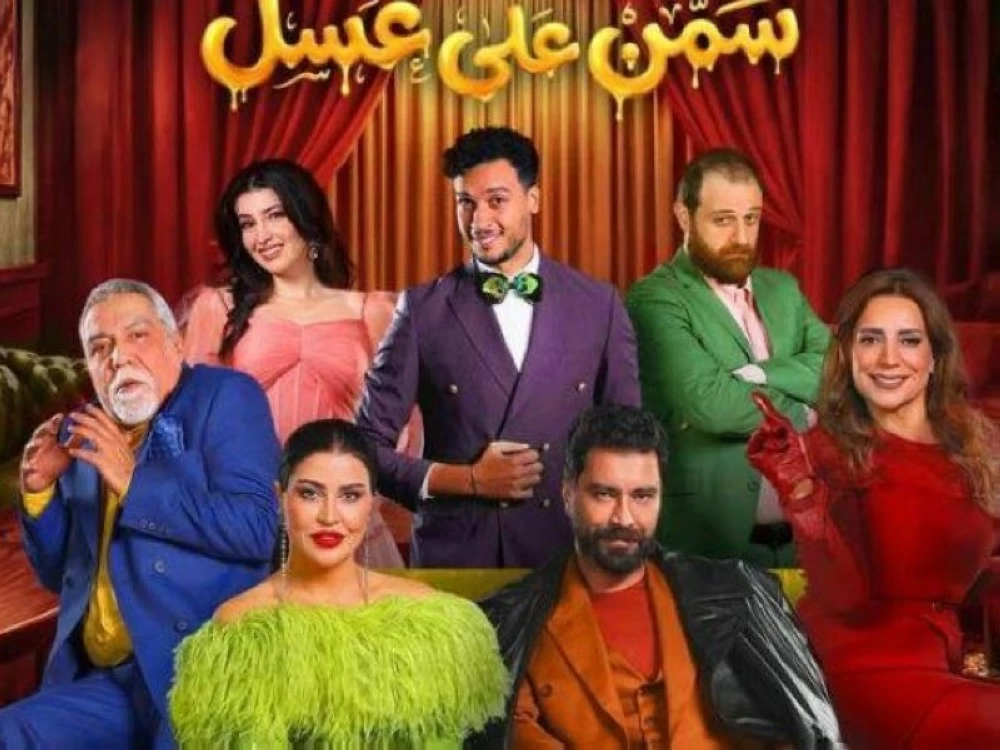
The play “Samman Ala Asal” brings together Syrian stars in Riyadh
Syrian actress Jumana Murad announced her latest theatrical work by releasing the official poster for the play "Saman Ala Asal" (Ghee on Honey), which is scheduled to be performed as part of the arts and culture events of the sixth edition of Riyadh Season. This comedy brings together a selection of Syria's most prominent drama and comedy stars, including Jumana Murad and actor Moatasem Al-Nahar, generating considerable excitement among Arab audiences eager for major theatrical productions.
Show details and staff
In a post on her official social media accounts, Jumana revealed that the comedy play will be performed at the Mohamed Ali Theater in Boulevard City from February 3rd to 7th. Alongside Jumana Murad and Moatasem Al-Nahar, the play stars a distinguished cast including Sarah Baraka, Shukran Murtaja, Ayman Reda, Haya Maraachli, Jamal Al-Ali, and Ahmed Abdel Wahab. The play is directed by Batoul Arafa, who has directed numerous successful productions.
Riyadh Season as a platform for Arab culture and art
The play "Samman Ala Asal" (Ghee on Honey) is being presented as part of Riyadh Season, which has become one of the most important entertainment and cultural festivals in the Middle East. Since its launch as part of the Kingdom's Vision 2030, the season has successfully attracted millions of visitors from within and outside the Kingdom, transforming the capital, Riyadh, into a global tourist destination. The season provides a vital platform for Arab artists to showcase their creativity to a diverse audience, fostering cultural exchange and supporting the creative industries in the region. Hosting theatrical productions of this scale underscores the important role the Kingdom plays in enriching the Arab artistic landscape.
The importance of the work and its expected impact
The play's significance lies in its gathering of stars from different generations, such as the veteran actor Ayman Reda, known for his pioneering comedic roles, and the popular young star Moatasem Al-Nahar. This combination guarantees a diverse audience appeal. The play is expected to achieve great popular success, given the wide fan base of its stars in the Gulf region and the Arab world. This type of joint production also contributes to strengthening artistic ties between Arab countries and opens new avenues for future collaboration.
Jumana Murad's intense artistic activity
On another note, Jumana Murad continues her busy artistic schedule, also participating in the upcoming Ramadan season with the series "The Color Blue." The 15-episode series is written by Mariam Naoum and directed by Saad Hindawi. In it, Jumana presents a social drama inspired by reality, highlighting aspects of suffering and deep human emotions. She is joined by a stellar cast of Egyptian actors, including Ahmed Rizk, Ahmed Badir, Kamal Abu Raya, Naglaa Badr, Hanan Suleiman, and Yara Qassem, reflecting the diversity of her roles and her ability to move seamlessly between comedy on stage and social drama on television.
-

 Local news two days ago
Landslide in Riyadh: Details of the incident in Al-Sahafa neighborhood and containment efforts
-
 Local News 3 days ago
The death penalty was carried out against a citizen who stabbed another to death in Tabuk
-
 Local News 4 days ago
First birth on the Riyadh train: A heartwarming story at Andalus station
-
 Culture and Art 7 days ago
Ramez Galal in Ramadan 2026: Details of the bloody prank show
-
 Local news two days ago
Riyadh collapse: Emergency plans to secure water after a main pipeline burst
-
 Culture and Art 2 days ago
Haifa Wehbe's absence in Riyadh: A photo crisis or a strained relationship with the media?
-
 Culture and Art 2 days ago
City Kitchen series: A drama of conflict and the middle class during Ramadan
-

 Culture and Art 2 days ago
The series "Kasra": Dawood Hussein in a moving social drama this Ramadan