Culture and Art
Al-Qashami: I have published 55 books... and Al-Aboudi, Khazendar, and Al-Ali motivate me to continue
The documentary writer and historian, Muhammad bin Abdul-Razzaq Al-Qashami, expressed his gratitude to the Jeddah Literary Club and its board of directors for choosing him to

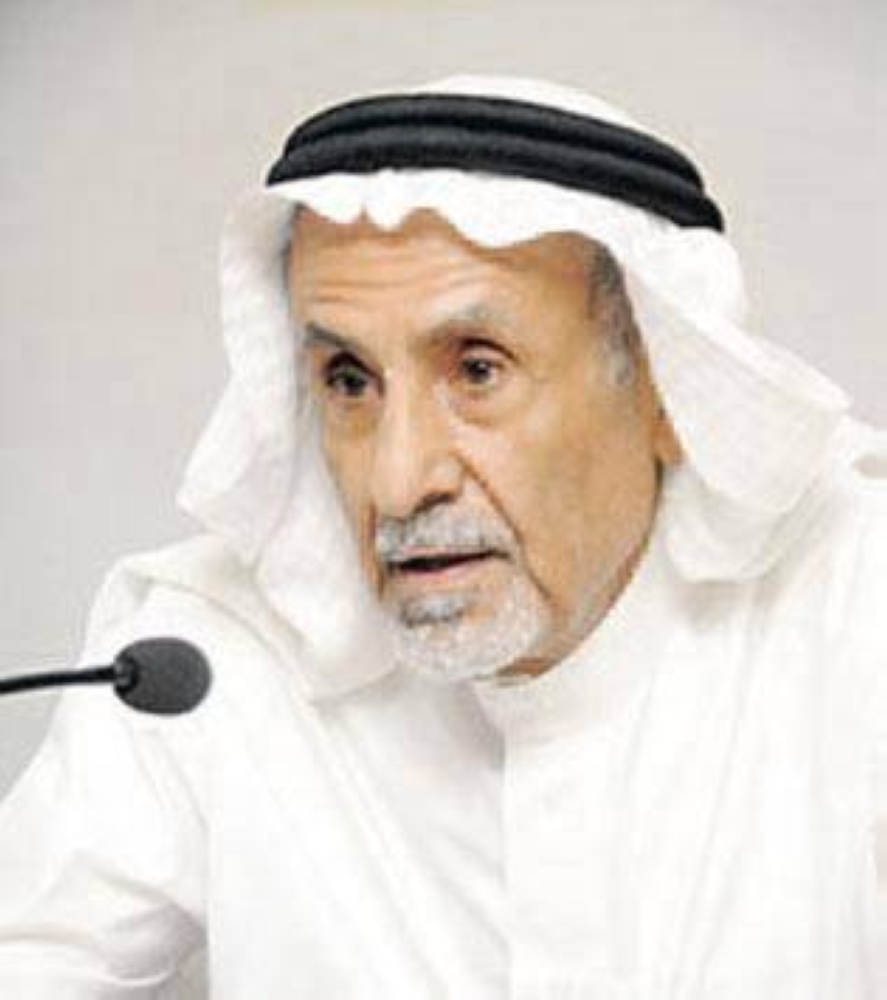
Documentary writer and historian Mohammed bin Abdul-Razzaq Al-Qashami expressed his gratitude to the Jeddah Literary Club and its board of directors for choosing him to be the honored figure at the 21st Text Forum for the year 2025, entitled “Literary and Cultural History in the Kingdom of Saudi Arabia between Orality and Writing.”.
Al-Qashami said: “Thank you to those who thought well of me and honored me with this tribute, which I consider a tribute to every cultural and literary achievement that a citizen presents to his country and society, and an incentive to accomplish more studies and research.”.
He added: “When the president of the Jeddah Literary Club, Dr. Abdullah bin Awaiqil Al-Sulami, contacted me to inform me of the decision made by the club’s board of directors to honor me, after some friends had paved the way for it, I tried to decline, saying that there were others more deserving of this honor than me. He said that he had contacted me to inform me of what had been agreed upon, not to ask my opinion. Therefore, I accepted, and I leave my affairs to God… hoping that I will live up to your expectations.”.
Regarding his journey into writing, Abu Ya'rub explained that he only began writing relatively late, after he had passed the age of fifty-five. It was by chance that Dr. Muhammad al-Dubaisi, then an editor of the cultural page in Al-Jazirah newspaper in Riyadh, asked him in 1419 AH/1999 to write about the pioneer Abdulkarim al-Juhaiman (may God have mercy on him), due to the close relationship between them, on the occasion of his nomination for an award at the National Festival of Heritage and Culture. He emphasized that after the article was published, he felt encouraged and began writing his childhood memories and his move from Zulfi to Riyadh. When he had published 18 installments, the series was halted because someone had contacted the newspaper objecting to the use of titles (or standards) deemed inappropriate. He realized that this objector was mistaken, which encouraged him to complete the series to 32 installments and publish them in a book titled "Beginnings" in 1421 AH/2000.
Given his work at the King Fahd National Library, where he had access to most of the newspaper and periodical archives, he reviewed them, selected some of the published material, and then began writing about selections, rarities, and noteworthy pieces, particularly those from the period of individual journalists (1383-1384 AH / 1964-1964 CE). He compiled his published material into books. Later, he came across the book "The Unification of the Kingdom of Saudi Arabia" by Muhammad al-Mana', a former translator at the Royal Court. He found that al-Mana' praised King Abdulaziz's representatives and agents abroad before the appointment of ambassadors and consuls, which only began after King Abdulaziz entered the Hijaz. He mentioned the names of Fawzan al-Sabiq, Abdullah al-Fawzan, Rashid bin Laila, Abdul Latif al-Mandeel, Abdullah al-Nafisi, and Abdul Rahman al-Qusaibi. He said: “These men made a great effort for the benefit of their country abroad, and it is unfortunate that many of them are hardly mentioned at present.” So he collected information about them and published it, and presented it to the Darah in conjunction with the King Salman bin Abdulaziz Award and Grant for Studies in the History of the Arabian Peninsula. The study won the Grant for Studies and Research for the year 1427 AH (2006), and he received the monetary award and certificate from King Salman. This encouraged him to continue writing and authoring until the number of publications reached (55) books, some of which are related to newspapers and magazines, and some of which are related to the biographies of their owners and some writers. (15) independent books were published about them, in addition to four books that included more than (210) personalities, under the name (Figures in the Shadows), which he first published in the Arab Magazine during the presidency of Dr. Abdullah Al-Hajj, then its publication moved to Al-Jazirah newspaper, and finally it settled in Al-Yamamah magazine and it is still there, in addition to biographies of those who assumed the presidency of the editors of individual newspapers for about (120) of them.
Among Al-Qashami’s accomplishments is the “Oral History” program, in which he hosts elderly writers, educators, and others, and records with them at the library. He recorded with (407) personalities over 23 years.
He noted that his work at the General Presidency for Youth Welfare motivated him to organize events in cultural and social affairs, particularly in the youth welfare offices of Al-Ahsa and Hail (1495-1401 AH). The General President of Youth Welfare, Prince Faisal bin Fahd (may God have mercy on him), encouraged such activity and thanked Al-Qashami for his efforts, especially since he documented them and submitted periodic reports. He rewarded him by submitting a request to the highest authorities for his exceptional promotion from the fifth to the ninth rank, which took place in 1400 AH. Upon returning to Riyadh, he spearheaded the publication of the "This is Our Country" series, of which approximately fifty volumes were published before his retirement. He also served as a member of the General Secretariat of the State Appreciation Award for Literature and as secretary for cultural weeks.
He appreciated the role of everyone who encouraged him to pursue this field, first and foremost the former Vice President of the Medina Literary Club, Dr. Muhammad Al-Dubaisi, who invited him to write and to participate for the first time in a seminar at the Medina Club alongside the writer Osama Al-Subaie to talk about his pioneering father, Ahmed Al-Subaie, in 1425 AH (2004), then the invitation to another conference and to speak on behalf of the participants in 1431 AH (2010), as well as the President of the Literary Club in Riyadh, Dr. Muhammad bin Abdul Rahman Al-Rabee, who published his book in 2004, Suleiman bin Saleh Al-Dakhil, owner of the Riyadh newspaper franchise in Baghdad in 1910. He also facilitated his winning the King Salman Award as an advisor to the King Abdulaziz Foundation, which is responsible for the grant.
He added that he participated in the first lecture or seminar at the Sheikh Hamad Al-Jasser Cultural Center to talk with Ahmed Al-Duwaihi about Abdul Rahman Munif, following his death in 2003, expressing his gratitude to the Abha Literary Club, which was the first to publish his book (The Pseudonyms of Saudi Writers) in 2004. Then ten clubs published his work, including the Riyadh, Medina, Makkah and Jeddah clubs, which published it more than once, in addition to the Taif, Abha, Jazan and Al-Ahsa clubs, the Hamad Al-Jasser Cultural Center, the King Faisal Center for Studies and Research, the King Abdulaziz Foundation, the King Fahd National Library and the King Abdulaziz Public Library.
He recounted the story of accepting Saleh Bu Haniya's invitation from Al-Ahsa on December 17, 2003, to the Tuesday gathering, in the presence of Professors Abdulkarim Al-Juhaiman and Abdulrahman Al-Mansour, in appreciation of the cultural activities undertaken by the Presidential Office. Following Dr. Hamoud Al-Badr's lecture on "The Relationship Between the Shura Council and Regional Councils," Dr. Mohammed Al-Saif presented a chart in Hail, signed by a number of Hail's writers and officials, depicting the cultural activities implemented by the office during his tenure as its head.
He was also honored at the Conference of Ministers of Culture of the Gulf Cooperation Council countries in the Kingdom of Bahrain on 11/26/1434 AH corresponding to 10/2/2013 for his literary career, along with the writer Muhammad Al-Ali, and the visual artist Safia Bint Zaqr, with those who were honored from the GCC countries. Each of the honorees received a sum of money, a medal bearing the Council’s logo, and a certificate of appreciation signed by the Secretary-General of the Gulf Cooperation Council, Dr. Abdul Latif Al-Zayani, and by the Minister of Culture of the Kingdom of Bahrain, Sheikha Mai Bint Mohammed Al Khalifa.
In addition to being honored by the Ministry of Culture and Information on the occasion of World Book Day in 1436 AH (2015), Abdulmaqsoud Khoja was honored at his Monday gathering in Jeddah on 9/2/1436 AH (1/12/2014). He was also honored twice by the Zulfi Community Committee (the Zulfi Governorate Social Development Committee in 1436 AH and 1440 AH), and Dr. Muhammad Al-Mashouh was honored and celebrated at the Tuesday gathering on 6/1/1439 AH (6/10/2017). He was also honored by the Al-Salihia Charitable Society in Unaizah Governorate at the Sixth Unaizah Cultural Festival in 1439 AH (2018) along with a group of writers, including Saad Al-Suwayan, Hamad Al-Qadi, Abdulmaqsoud Khoja, and Muhammad Al-Shamikh. He was also honored by Jazan University in 1438 AH (2017) and at Abdulrahman Moukli's Thursday gathering in Dhubiyah, Jazan. The media commemorated the centenary of the publication of Umm Al-Qura newspaper on 26/8/1442 AH, under the patronage and in the presence of the Governor of Makkah Region, Prince Khalid Al-Faisal. In addition, Al-Jazirah newspaper was honored with a special issue of its cultural magazine, issue number (550), dated 27/11/1438 AH, and the Hamad Al-Jasser Cultural Center was honored with a special issue of its newsletter, "Jisr" (Bridges), issue number (29), for the year 1444 AH. The writer Adnan Al-Awami was also honored with the publication of his book, "Al-Qash'ami in Their Pens," in 2022. This is an honor I cherish and consider a fitting conclusion.
Abu Ya’rub said: “I will never forget what the late critic Abed Khazendar sent from Paris in 2012, shortly before his death, when he read his book about him. Khazendar said: ‘The book made me extremely happy, and the nation and future generations will be indebted to you for everything you document about the pioneers. I read your book about civil society, and I was very impressed with it. It is also added to your impressive record of the history of the nation and the free patriots.’”.
In another letter, he wrote: “It suffices to say that your work in documenting the history of writing in our country and highlighting its pioneers is a noble endeavor that enriches and strengthens our history. It is a task that even a group of writers would struggle to accomplish, let alone a single writer. It is an effort that the nation will appreciate and that will be a treasure for future generations.” He considered such words from such a man to be the greatest encouragement and appreciation.
He added: “I am still trying to offer what I believe is beneficial and useful. Upon reaching the age of eighty, I thought about stopping writing and taking a break. However, when I recall the efforts and achievements of Sheikh Muhammad Al-Aboudi and his continued research and writing until he was close to one hundred years old, as well as Abed Khazendar, who continued writing until his death - may God have mercy on them - and the writer and poet Muhammad Al-Ali, who is still writing despite his old age and suffering, I become active again and write.”.
He concluded his speech on this occasion by saying: It is interesting that Brother Khalid bin Hazil Al-Dabbous Al-Sharari from Tabarjal contacted me a few days ago asking me: From which university did you graduate? Where did you study, and how many certificates do you hold? I answered him with what our teacher Saad Al-Bawardi said before me: that he holds three certificates: the certificate that there is no god but God, the birth certificate, and the elementary certificate.


Culture and Art
Mohamed Youssef Ozo reveals his rare illness after the series "Sahab Al Ard"
Artist Mohamed Youssef Ozo breaks his silence and reveals his diagnosis of ankylosing spondylitis after criticism of his appearance in the series "Sahab Al Ard", explaining the details of his treatment and suffering.

In a poignant moment of candor that put an end to many questions, Egyptian artist Mohamed Youssef, known artistically as “Ozo,” broke his silence to reveal to the public the truth about his health condition, following the controversy surrounding his obvious hunched back during his outstanding performance in the series “Sahab Al Ard,” which aired during the 2026 Ramadan drama season. This appearance, which attracted attention, was not just an acting performance, but rather concealed a real story of pain.
The nature of the disease: What is ankylosing spondylitis?
Ouzo explained via his official Facebook account that he is battling a rare autoimmune disease known medically as ankylosing spondylitis. Medically, this disease is a chronic type of arthritis that primarily affects the spine, causing inflammation and stiffness of the vertebrae. Over time, this can lead to some vertebrae fusing together, which explains the changes in posture and difficulty moving that the public has noticed.
The young artist confirmed that he is currently undergoing an intensive treatment program based on “biological therapy”, which is one of the latest medical protocols used to control the activity of the immune system, with the aim of stopping the deterioration of the condition and stabilizing the disease at its current level, to ensure that he can continue to practice his professional and personal life.
Behind the scenes of the medical trip and the role of the union
In a related context, Mohamed Youssef revealed his persistent efforts to find radical solutions, noting that he did not hesitate to explore both cosmetic and therapeutic surgery options to improve the appearance of his spinal curvature. He was accompanied on his search by Dr. Ashraf Zaki, head of the Actors' Syndicate, a gesture reflecting the syndicate's ongoing support for its members during health crises. Despite his strong desire to undergo surgery, the specialist advised postponing the procedure for a full year due to the complexities of his medical condition, even though the typical recovery period for such surgeries does not exceed six months.
Despite these obstacles, Ozu showed great determination to complete his treatment journey, confirming his intention to consult another doctor who has a vision that balances the cosmetic necessity and the precise medical considerations of his complex condition.
A message of awareness and apology to the public
Away from the cameras, Ozu emphasized that his decision to conceal his illness for so long stemmed from his desire to avoid seeking public sympathy, preferring to endure the excruciating pain with patience and silence. He noted that he resorts to assistive methods such as hydrotherapy and manual therapy to alleviate the stiffness and daily pain.
He concluded his speech with a noble message in which he apologized to everyone who criticized his appearance or the way he walked in the series without knowing the truth about his illness, stressing that what people see as a superficial difference is in fact a daily battlefield that he silently wages, thus highlighting the importance of societal awareness of the invisible suffering of others, and the need to be patient before passing judgment on the outward appearance of artists and public figures.
Culture and Art
Updates on Hani Shaker's health condition after he was admitted to intensive care
Details of artist Hani Shaker's health condition after undergoing emergency surgery and being transferred to intensive care. His manager reveals to Okaz the cause of the bleeding and the latest updates on his medical condition.

Recent news regarding the health condition of the great Egyptian artist Hani Shaker, nicknamed “Prince of Arab Singing”, has sparked widespread concern in artistic and public circles, after the announcement that he was urgently transferred to intensive care following a sudden health crisis that required immediate surgical intervention.
Details of the health crisis and surgical intervention
In an exclusive statement to Okaz newspaper, the manager of artist Hani Shaker revealed the precise details of the crisis, confirming that the artist suffered a sudden and severe hemorrhage in his colon, which necessitated his immediate transfer to the hospital and an emergency surgery to stabilize the situation. He explained that Shaker is currently in the intensive care unit, where he is under close and continuous medical supervision by a team of senior doctors to ensure the stability of his vital signs.
Relative stability and precautionary monitoring
Regarding the developments in his condition, the business manager indicated that there is a noticeable gradual improvement in the health condition of the Prince of Arab Singing, but the medical team preferred not to rush his exit from intensive care, preferring to keep him under observation for an additional period as a precautionary measure to ensure that no complications occur and to make sure that the wound heals and the bleeding stops completely before transferring him to a regular room.
Union support and a prolific artistic career
In a related development, the Egyptian Musicians Syndicate has been closely monitoring the condition of its former head. Nadia Mustafa, a board member and the syndicate's official spokesperson, called on fans and the Arab public to pray for the renowned artist's speedy recovery, emphasizing that the syndicate is following all details concerning his health condition closely and wishing him a swift recovery and return to entertaining his audience.
Hani Shaker is considered one of the most prominent figures in classical and contemporary Arabic music, boasting a decades-long artistic career during which he presented hundreds of works that have shaped the consciousness of the Arab public. This crisis serves to highlight his immense popularity among his fans, as his name trended on search engines and social media platforms immediately after the news broke.
Previous health challenges and artistic determination
It's worth noting that this isn't the first time Hani Shaker has faced health challenges recently. He previously performed a huge concert in the United Arab Emirates, his first public appearance after undergoing delicate spinal surgery. He appeared seated while singing, a scene that reflected his strong determination to fulfill his artistic commitments and his respect for his audience despite the pain. He also delivered a moving message to the audience, expressing his gratitude for their support, which he considers an essential part of his recovery journey.
Culture and Art
Diab refuses to work with Ghada Abdel Razek and chooses Mona Zaki to star in his film
Diab sparks controversy in Ramadan 2026 with his statements about Ghada Abdel Razek, and reveals his ideal partner and details of his new series, "Kimia" with Mustafa Gharib.

Egyptian artist Diab widespread controversy in artistic circles and on social media platforms following his recent bold statements, in which he revealed his firm decision not to collaborate artistically again with star Ghada Abdel Razek . This came during his appearance on the prank and talk show "Ramez Level the Monster," which aired during Ramadan 2026, where Diab opened up to the public, speaking candidly about his career choices and relationships within the artistic community.
Past conflicts and their impact on the future
Diab explained that his decision not to work with Ghada Abdel Razek again stemmed from a previous experience they shared, which he described as unsatisfactory both professionally and personally. These statements highlight the importance of chemistry and compatibility between actors in dramatic works, as harmony behind the scenes is a crucial factor in the success of any artistic endeavor. Disagreements or discomfort on set often negatively impact the quality of the final product, prompting artists to make crucial decisions about their future partners to ensure a healthy and creative working environment.
Mona Zaki... the dream partner
In another context, when asked which leading actress he would most like to co-star with in a film, Diab didn't hesitate to choose the renowned actress Mona Zaki , preferring her to other options such as Mai Ezz El-Din, Mai Omar, and Mai Kassab. This choice reflects Diab's appreciation for Mona Zaki's considerable talent, a true icon of Egyptian cinema. He sees her as the ideal partner for delivering a work of art with significant dramatic weight, highlighting Diab's ambition to create films that rely on powerful acting and a well-crafted plot.
Comedy and competition in Ramadan 2026
With great candor, Diab praised the talent of the young artist Mustafa Gharib , emphasizing that he possesses a remarkable ability to make audiences laugh, surpassing even his own personal capacity. He expressed his profound admiration for Gharib's spontaneous comedic style. This praise comes at a time when the artistic community is witnessing the rise of a new generation of comedians who are making a significant impact on both television drama and film.
The series "She Kimia" and skin transformation
In the current Ramadan 2026 season, Diab presents a completely new face to his audience through the series "Heya Kimya" (She's Kimya) . In this work, Diab decides to break away from the villainous roles he excelled in for years, presenting a comedic character that showcases hidden facets of his talent. The series stars a distinguished cast, most notably Mustafa Gharib, Mariam El Gendy, the veteran actor Sayed Ragab, Mohamed Abdel Azim, and Michel Milad. Written by the talented writer Mohab Tarek and directed by the creative Islam Khairy, the series is expected to achieve great popular success due to its exceptional artistic ensemble.
-

 Local News 3 days ago
Jeddah Airport alerts for travelers due to airspace closure and flight disruptions
-
Local News 5 days ago
Saudi Arabia approves regulations for the continued presence of Gulf vehicles: duration and penalties
-
Local news one week ago
The Ministry of Interior begins procedures for a royal pardon for common law prisoners
-
Local News 7 days ago
The deadline for property registration in Hail and Riyadh is Thursday
-
Sports one week ago
Tickets for the Al-Ahli vs. Al-Hilal King's Cup match postponed: New date
-
Local news one week ago
Under the patronage of the Minister of Information, an agreement was signed between the Ministry of Information and Waves Marketing Company
-
Culture and Art 6 days ago
The Devil's Prisons series was halted: The full story of "The Emperor's" being moved to YouTube
-
Local news one week ago
Saleh Al-Maghamsi appointed Imam of the Prophet's Mosque: Details of the Royal Decree