
Culture and Art
Ahmed El-Awady challenges his critics with the Ramadan series 'Haq Arab' 2024
Artist Ahmed Al-Awadi reveals details of his new Ramadan series 'Haq Arab', confirming that the work will achieve great success despite the campaigns directed against it on social media.

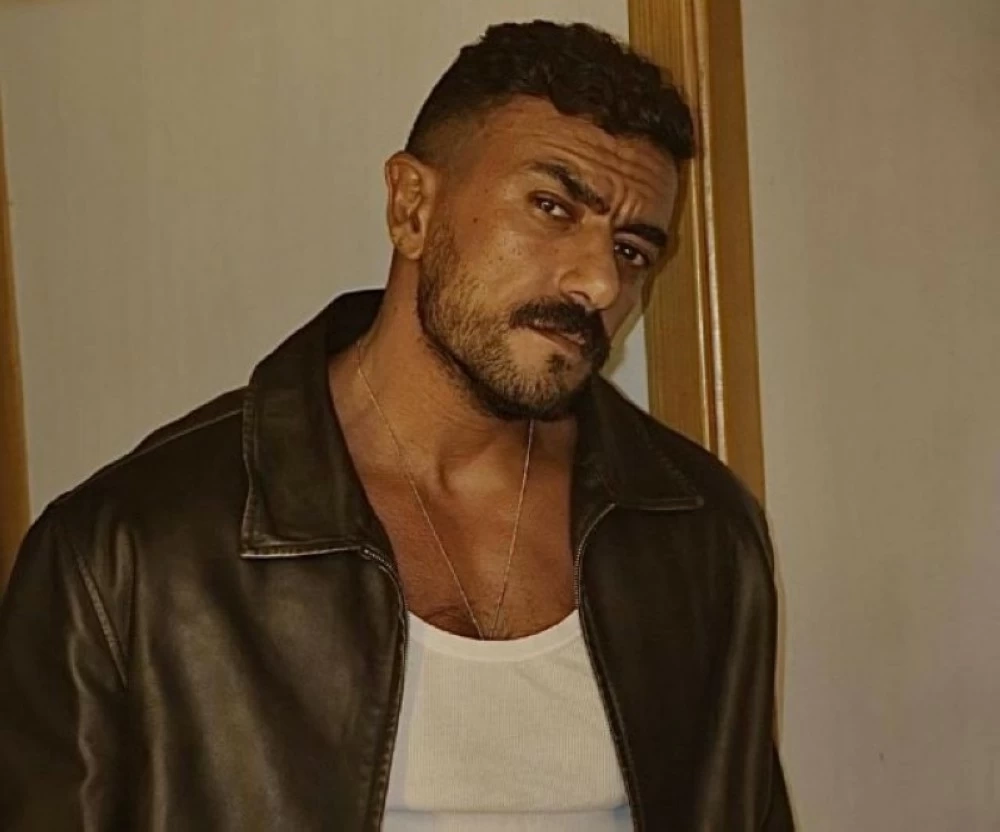
Ahmed El-Awady: My new series 'Haq Arab' will surprise the audience
Egyptian star Ahmed El-Awady confirmed that his highly anticipated 2024 Ramadan series, titled "Haq Arab," offers a rich dramatic experience blending his signature popular style with romantic storylines and gripping conflicts. In an exclusive statement to Okaz newspaper, El-Awady emphasized that the series will hold unexpected surprises for viewers from the very first episode, promising a new and different character from his previous roles.
Countering online campaigns: A proven strategy for success
In response to the recurring social media campaigns targeting his work, Al-Awadi asserted that he ignores them and doesn't allow them to affect his focus. He explained, "If I kept talking about campaigns, I wouldn't be able to work." He added that this phenomenon is not new to him, citing the success of his previous characters, such as "Fahd the Hero" in the series "He Who Has No Leader," which faced similar criticism but achieved overwhelming popular success. Al-Awadi believes that the true measure of success is the interaction and acceptance of the work by the Egyptian public, not the controversy stirred up in the virtual world.
The competitive context of Ramadan dramas and the importance of the work
The series 'Haq Arab' comes at the height of the Ramadan drama season, considered the biggest and most competitive season in the Arab entertainment scene. Major production companies and the brightest stars compete to present their best work, creating a state of anticipation and often leading to sharp polarization in public opinion and the emergence of campaigns supporting or attacking various productions. In this context, the series represents an important test for Ahmed El-Awady's career, as he takes on his first solo leading role during Ramadan, placing a great responsibility on him to prove his ability to carry an entire project on his own and achieve the success he has become accustomed to in his previous collaborative works.
Expected impact on the art scene
The series' success isn't limited to the local level; Egyptian dramas enjoy a wide following throughout the Arab world. Therefore, the success of "Haq Arab" will solidify Al-Awadi's position as a leading star on the regional scene and confirm the continued success of his "popular hero" style, which resonates strongly with broad segments of the Arab audience. Alongside Ahmed Al-Awadi, the series stars a distinguished cast including Riad El-Khouly, Wafaa Amer, Dina Fouad, and Sarah Baraka. It is written by Mahmoud Hamdan and directed by Ismail Farouk.
Praise for young talents
Al-Awadi did not forget to praise his colleagues at work, and he specifically mentioned the Syrian artist Sarah Baraka, whom he described as a hardworking artistic talent, expressing his happiness at her participation in the series and his expectation of a promising future for her in the world of acting, which reflects the spirit of support and cooperation within the work team.


Culture and Art
The passing of Abdul Aziz Al-Sari, a pioneer of Kuwaiti and Gulf theater
The playwright Abdul Aziz Al-Sari’, one of the founders of the modern theatrical movement in Kuwait, passed away at the age of 87, leaving behind an enduring cultural legacy and works that shaped the conscience of generations.
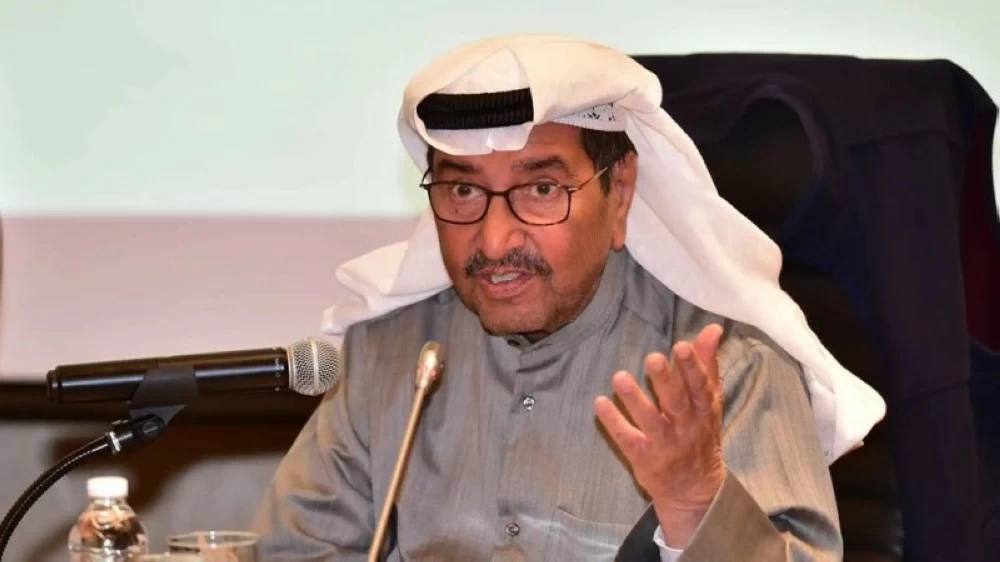
The passing of a prominent Kuwaiti cultural figure
The Kuwaiti and Gulf cultural scene lost one of its most prominent historical figures today, Saturday, with the passing of pioneering writer and playwright Abdul Aziz Mohammed Al-Suraie, who died at the age of 87. His death marks the end of a luminous chapter in the history of art in the region, following a prolific creative career spanning more than six decades, during which he left an indelible mark on theater, literature, and television, and became a defining figure in the Kuwaiti cultural landscape.
Historical background: Pioneering role in the golden age of Kuwaiti culture
Abdulaziz Al-Suraie belongs to the pioneering generation that established the modern theatrical movement in Kuwait, both before and after independence, a period known as the "Golden Age." During the 1950s and 60s, Kuwait witnessed a comprehensive cultural and economic renaissance, and theater became a mirror reflecting the aspirations of society and boldly addressing its issues. In this context, Al-Suraie was one of the key founders of the "Arabian Gulf Theater Troupe" in 1963, alongside his colleagues such as Saqr Al-Rashoud. This troupe marked a turning point, transforming theater from an amateur pursuit to a professional endeavor, and presenting serious works with profound social themes and a progressive artistic vision.
The significance and impact of the event: an intellectual legacy that transcends borders
Abdul Aziz Al-Suraie's influence was not limited to the local scene; his legacy extended to the Gulf region and the Arab world. His classic plays, such as "The Rooster is Lost," "He Has a Certificate," and "The Lost Family," were not merely entertainment; they were insightful and critical analyses of bureaucracy, social transformations, and the impact of oil wealth on values. Through his texts, Al-Suraie fostered societal dialogue and solidified the role of art as a tool for enlightenment and change. Furthermore, his contributions to the establishment of the National Council for Culture, Arts and Letters in 1973 helped build a robust cultural infrastructure for the country, making Kuwait a cultural beacon in the region for decades.
A career full of achievements and controversy
The late artist was born in 1939 and began his career in the education sector before discovering his true passion in theater. In addition to his timeless theatrical works, he wrote short story collections such as "Tears of a Married Man" and authored television series that left a lasting impression on viewers, such as "The Broken Jug" and "The Maid." Throughout his career, he received numerous awards and honors, most notably recognition at prestigious theater festivals in Carthage and Damascus, reflecting his stature in the Arab world. Adding to the sorrow of his passing was the controversy that arose just days before his death, when it was revealed that he was among those whose Kuwaiti citizenship was revoked. This decision caused widespread shock in cultural and public circles, given his prominent national role and his significant contributions to shaping Kuwait's cultural identity.
With the passing of Abdul Aziz Al-Sari’, Kuwait not only loses a playwright, but also a living memory of the cultural foundation stage, and a symbol of the “good old days” whose works will remain a testament to his creativity and insightful vision.
Culture and Art
Asiri cuisine: International chefs discover the secrets of Hanith and Areeka
At the Haneeth Festival in Asir, international chefs discovered the secrets of authentic Saudi dishes such as Haneeth and Areeka, in a move that enhances the global presence of Saudi cuisine within the framework of Vision 2030.
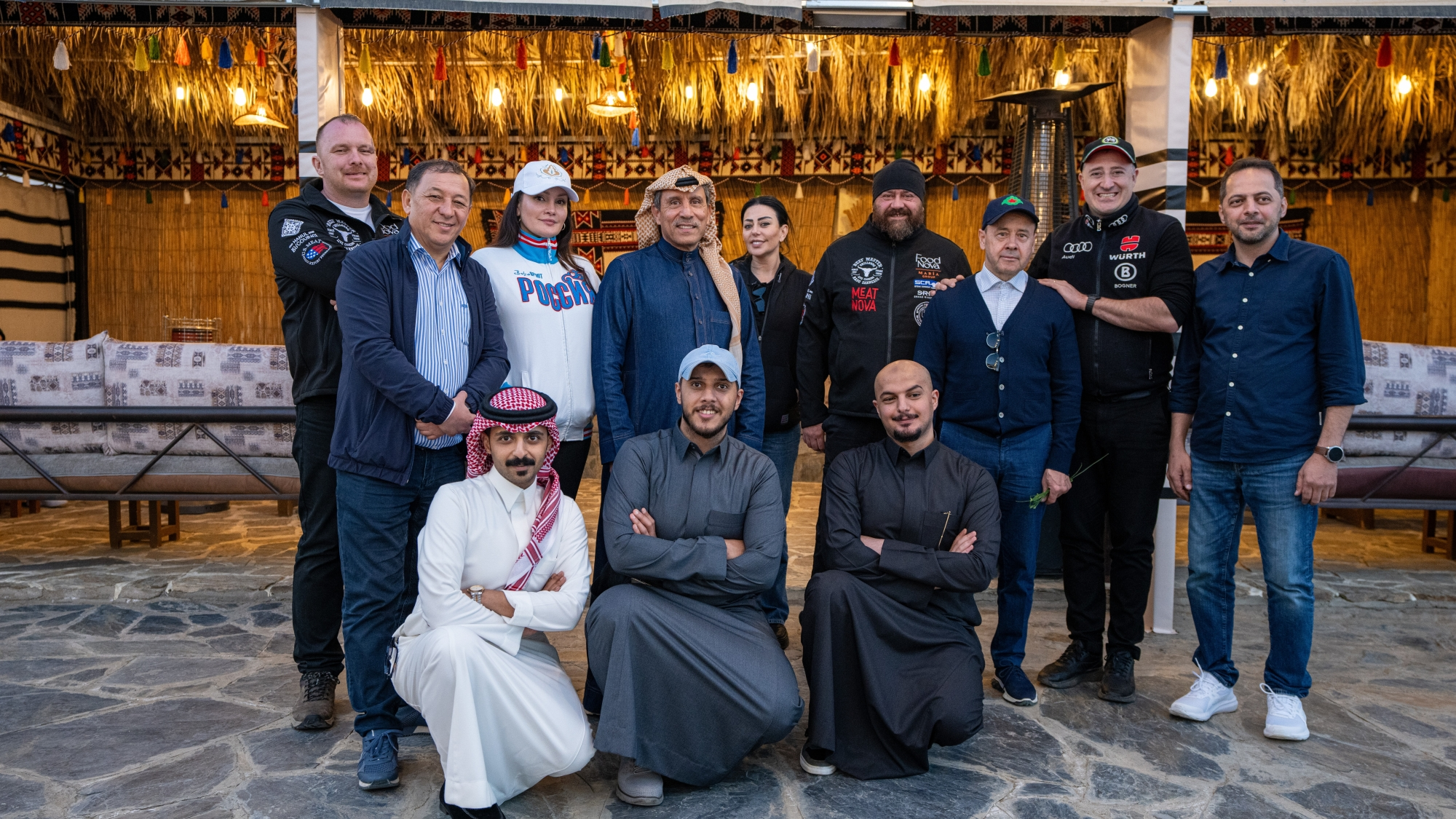
In a unique cultural experience, the Al-Assas Council in Abha hosted a number of international chefs and experts who came to explore the rich flavors of Asiri cuisine as part of the second annual Hanith Festival, which kicked off in the Mahayil Asir Governorate. This week-long event offered a global perspective on one of the richest traditional cuisines in Saudi Arabia.
This expedition brought together chefs from around the world, including members of international culinary associations, consultants for prestigious European and Asian cuisines, and specialists in developing traditional dishes. During their visit, the guests delved into the art of preparing popular dishes for which the Asir region is renowned, most notably Hanith, Malla, Areeka, Mabthoutha, Mashghoutha, Jareesh, Aseedah, and Radheefa. They also eagerly observed the stages of preparing traditional tandoor bread, from selecting fresh local ingredients and preparing traditional cooking sites such as the tandoor and the Mifa pit, to the presentation methods that reflect the generous hospitality of Asir.
Background and history of Asiri cuisine
The cuisine of Asir is a true reflection of the region's geographical and historical environment. Its towering mountains and temperate climate have directly influenced its ingredients and cooking methods. "Hanith," meat cooked very slowly in an underground pit (mifa) using branches of the tamarisk or balsam tree, which impart a unique smoky flavor, is a symbol of generosity and hospitality. "Areeka," a thick pancake made from whole wheat flour, kneaded and served with clarified butter, honey, and dates, is a staple dish that provides energy and warmth, perfectly suited to the highland lifestyle.
The importance of the event and its expected impact
This initiative is not merely a culinary event; it serves as a bridge for cultural and intellectual exchange. Locally, the festival contributes to preserving culinary heritage and fostering pride in local identity, while also supporting local farmers and producers. Nationally, the event aligns with the goals of Saudi Vision 2030, which aims to showcase the Kingdom's rich culture and diversify the economy by promoting cultural and culinary tourism. Internationally, hosting world-renowned chefs opens doors for Saudi cuisine, particularly that of Asir, to reach a global audience. The chefs expressed their enthusiasm for the possibility of serving these dishes in their international restaurants while preserving their authenticity, thus solidifying the Kingdom's position on the global culinary map.
The delegation also viewed traditional utensils made of stone, wood, and pottery, and learned about the role of local ingredients such as clarified butter, honey, and sesame oil in creating a distinctive flavor and high nutritional value that reflects the deep connection of Asir cuisine to its land. The chefs emphasized that this diversity and depth of traditional cooking techniques represents a treasure that can inspire cuisines worldwide.
Culture and Art
Hend Sabry returns to Ramadan drama with the series "Immunity" after a long absence
Actress Hend Sabry returns to the Ramadan drama season after a four-year absence with the series 'Immunity'. Learn more about the story and the new character she portrays, set in the 1980s.

Hend Sabry makes a strong comeback this Ramadan season
After a four-year absence from the small screen during the most-watched season, Tunisian-Egyptian star Hend Sabri makes a strong comeback to the Ramadan drama scene with a new series titled "Immunity." In an exclusive interview with the newspaper "Okaz," Sabri revealed details about the project, describing it as "completely different" and a "transformation of her artistic style." She promised a story and character that will be a big surprise for her fans, who have been eagerly awaiting her return.
Background and significance of Hend Sabry's return
Hend Sabry is one of the most prominent leading actresses in the Arab world, having built a successful career in both film and television. She etched her name in the memory of Arab viewers with iconic roles in previous Ramadan seasons, such as the series "Ayza Atgawez" (I Want to Get Married), which achieved phenomenal success, and "Halawet El Donia" (The Sweetness of Life), which showcased her profound dramatic abilities. Therefore, her absence from this artistic marathon for four consecutive years created a noticeable void, increasing anticipation and expectations for her upcoming project, which is expected to redefine her position in television drama and further solidify her artistic influence on the regional scene.
Details of “Immunity”: A journey to the 80s with a legendary character
Hend Sabry explained that the series "Immunity" is inspired by a true story and features a "legendary" character, the full details of which she did not reveal, but she confirmed that the character possesses new and complex facets. The series takes place in the 1980s, a period rich in social and economic transformations in Egypt and the Arab world, giving the work historical depth and a distinctive visual framework. Sabry noted that this era may seem "distant or recent" depending on each viewer's memory, but the team is delighted to present a work with an authentic Ramadan flavor inspired by that period.
The actress added that her role in "Immunity" presents a significant challenge, as it portrays a side of evil in a way she has never done before. She expressed her hope that the audience will accept this bold shift in her artistic choices, emphasizing that the story doesn't directly address issues like drugs, but rather focuses on the complex psychological makeup of the main character and her internal conflicts.
A fully integrated team ensures the expected quality and impact
What further fuels the audience's excitement for the series is the team behind it. Hend Sabry renews her collaboration with the distinguished director Hussein El-Manbawy, with whom she previously worked on the critically acclaimed and widely popular series "Halawet El Donia." This second collaboration promises a polished production in terms of both direction and artistic vision. The 15-episode series, written by Abbas Abu El-Hassan, features a constellation of prominent stars alongside Hend Sabry, including Riad El-Khouly, Khaled Selim, Ahmed Khaled Saleh, Maha Nassar, Mohamed Anwar, Huda El-Etreby, and the veteran actress Mimi Gamal, creating a rich and diverse cast that guarantees high-caliber performances.
The series “Immunity” is expected to have a significant impact on the Ramadan season, not only because it marks the return of a star of Hend Sabry’s caliber, but also because it presents an unconventional story within an engaging timeframe, supported by a strong cast. All these factors make it one of the most anticipated works on the Arab drama scene.
-

 Local News 6 days ago
Landslide in Riyadh: Details of the incident in Al-Sahafa neighborhood and containment efforts
-
 Local news one week ago
The death penalty was carried out against a citizen who stabbed another to death in Tabuk
-

 Local news one week ago
First birth on the Riyadh train: A heartwarming story at Andalus station
-
 Culture and Art 6 days ago
Haifa Wehbe's absence in Riyadh: A photo crisis or a strained relationship with the media?
-

 Local News 6 days ago
Riyadh collapse: Emergency plans to secure water after a main pipeline burst
-
 Culture and Art 6 days ago
City Kitchen series: A drama of conflict and the middle class during Ramadan
-

 Culture and Art 6 days ago
The series "Kasra": Dawood Hussein in a moving social drama this Ramadan
-

 Local News 5 days ago
Applying for the 1447 Opportunities Program for Teachers via the Fares System