
Culture and Art
Ahmed El-Awady sparks controversy: Is he the highest-paid actor in Egypt?
Ahmed El-Awady's announcement that he is the highest-paid actor in Egypt has sparked widespread controversy. Learn the details of his statement, the background to his rise in the industry, and the truth about the salary structure of stars in Egyptian drama.

Egyptian star Ahmed El-Awady widespread controversy in artistic circles and on social media platforms following his recent statements asserting that he is the highest-paid actor in Egypt . This bold declaration did not go unnoticed; rather, it opened the door to discussion about the criteria for stardom and salaries in the Egyptian drama market, especially given the fierce competition witnessed during Ramadan seasons each year.
The “highest paid” statement and its timing
Al-Awadi's statement comes at a time of significant artistic resurgence, particularly following his string of successes in recent years, from his garnered supporting roles to his leading roles that topped viewership ratings. Al-Awadi believes that his salary is a natural reflection of the revenue and popular success of his work, noting that the true measure lies in the numbers on the street and on digital platforms.
The rise of Al-Awadi and the popular style
Al-Awadi's statements cannot be separated from the broader context of his artistic career. In a short period, he managed to carve out a prominent place for himself in the "popular hero" category, a category that has historically served as a gateway to overwhelming stardom in Egypt. Through characters like "Al-Khedewi" and "Arab Al-Suweirki," Al-Awadi was able to build a broad fan base in working-class neighborhoods, which typically translates into substantial advertising revenue for the broadcasting channels, thus logically justifying his significantly higher salary.
Stars' Stock Exchange and Fierce Competition
This debate comes within the historical context of the Egyptian drama industry, where the issue of "highest paid" has often remained a closely guarded secret, or a source of media boasting among major stars like Adel Imam in the past, and more recently, Mohamed Ramadan, Karim Abdel Aziz, and Amir Karara. Production companies base their salaries on several factors, most importantly the ability to sell the series internationally (distribution in the Gulf), attract advertising, and achieve viewership on digital platforms.
The impact of the statement on the art scene
Art critics believe that Al-Awadi's statement reflects great self-confidence and a challenge to his competitors, but it also places an added burden on him to maintain this level of success. The title of "highest paid" requires a consistent output of work that resonates with audiences and achieves record-breaking ratings. While some see the statement as a legitimate marketing tactic, others assert that Al-Awadi has indeed become a force to be reckoned with in the Egyptian drama scene, making him a genuine contender for the top spot in the artistic hierarchy.


Culture and Art
The French series brings together Amr Youssef and Gamal Soliman for the first time
Learn about the details of the series “The Frenchman”, the first work that brings together stars Amr Youssef and Gamal Soliman in a suspenseful drama revolving around revenge and justice.
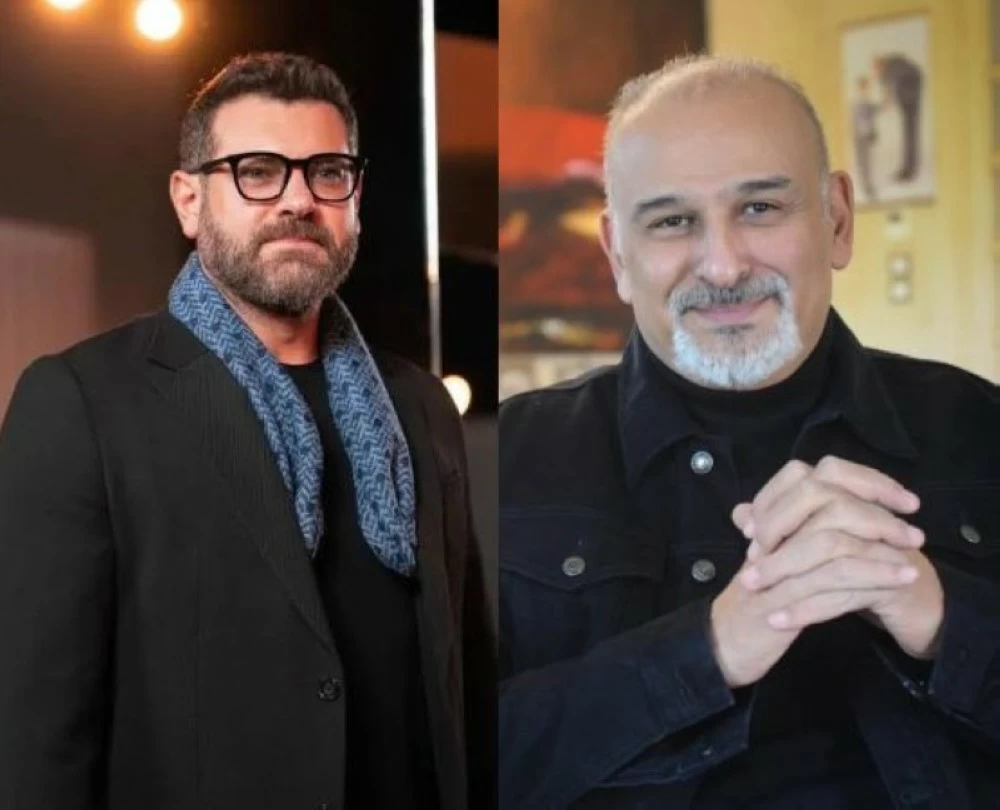
Summit meeting at the French Hotel: Amr Youssef and Gamal Soliman together for the first time
The production company announced that the renowned Syrian actor Jamal Suleiman on to star in the series "Al-Faransawi" (The Frenchman) , alongside Egyptian star Amr Youssef . This project marks the first artistic collaboration between these two prominent figures, generating considerable excitement among both audiences and critics. The series is scheduled to air during the off-season after Ramadan 2026, giving it a greater chance of being watched outside the competitive Ramadan season.
Artistic and historical background of the stars
This collaboration brings together two distinct schools of acting. Amr Youssef is one of the most prominent stars of his generation in Egypt, having built a wide fan base through his diverse roles in action and social dramas, achieving great success in both film and television. On the other hand, Gamal Soliman is considered a pillar of Syrian and Arab drama, boasting a rich artistic history of complex roles and iconic characters that have left a lasting impression on Arab audiences. He has also achieved widespread stardom in Egypt over the past two decades. This combination of Soliman's extensive experience and Youssef's captivating presence is expected to produce a unique on-screen chemistry.
Story details and exciting events
The 10-episode series unfolds as a thriller, a crime drama interwoven with human conflict. Amr Youssef portrays Khaled Moshir, a corrupt lawyer known as "The Frenchman." His life is turned upside down after the murder of his beloved, prompting him to abandon his corrupt ways and pursue justice in his own way, driven by a powerful desire for revenge. Jamal Soliman is expected to deliver a pivotal and entirely different performance, adding depth to the dramatic conflict. Written and directed by Adam Abdel Nasser, the series boasts a stellar cast including Ahmed Fouad Selim, Sami El Sheikh, Jana El Ashkar, Ahmed Bahaa, and Ingy Kiwan, along with several guest stars.
Amr Youssef's return to drama and the importance of the work
The series "El Faransi" marks the return of star Amr Youssef to television drama after a period focused on cinema, where he achieved notable success, most prominently in the "Welad Rizk" film series and the film "Shaqo." Despite his participation in the series "El Katiba 101" in 2023, "El Faransi" represents his strong comeback in a standalone series. The work gains its significance from belonging to the category of short series, which has become increasingly popular due to its compelling storylines and fast-paced rhythm that attract viewers, especially on digital platforms.
Culture and Art
Tariq Al-Qarni and the Saudi cultural scene in Vision 2030
An in-depth dialogue with thinker Tariq Al-Qarni about the transformations of the Saudi cultural scene, his vision of reading, philosophy, and the impact of new platforms in light of Vision 2030.

Amidst the rapid transformations sweeping the Saudi cultural landscape, the name of thinker and researcher Tariq bin Saad Al-Qarni stands out as an intellectual voice striving to deconstruct concepts and offer profound insights that blend tradition and modernity. His journey was not a matter of chance, but rather the product of a long immersion in reading and writing, and a persistent engagement with issues of language, thought, and humanity. In this interview, we delve into Al-Qarni's intellectual experience, explore his vision of the evolving cultural scene, and his engagement with its fundamental questions.
General context: Saudi culture with a new vision
This dialogue comes at an exceptional time for the Kingdom of Saudi Arabia, where culture forms a cornerstone of Vision 2030. Recent years have witnessed an unprecedented surge in support for the cultural sector, through the establishment of the Ministry of Culture and its specialized bodies, and the launch of international initiatives and festivals. This has opened the door wide to intellectual dialogues and public discussions that were previously limited. This new climate has provided voices like Tariq Al-Qarni with a greater opportunity to present their ideas and influence a new generation of intellectuals and those interested in culture, thus lending his views particular importance in understanding the dynamics of this transformation.
From existential reading to the worlds of language
• How did your first relationship with reading and writing take shape?
My relationship with reading and writing began in my childhood, but it wasn't disciplined. After entering university, I suffered a health and psychological setback that drove me to read in order to understand myself and my feelings. At that point, reading transformed into an existential experience, not merely a functional tool; I began reading to discover myself, not to obtain a degree. I specialized in linguistics and then critical methodologies, and from there I ventured into the humanities to broaden my horizons. I see language, as Heidegger described it, as "the house of Being," and from it our understanding of the self, society, politics, and history is formed. Thus, for me, language became a mode of thinking, not just a passive tool.
• What about the pivotal moment that changed your cultural trajectory?
There is no single defining moment. My life is simple and routine, and I shift my thinking according to the ideas I encounter. I consider science an existential condition, and therefore I do not hesitate to adopt the most compelling argument, provided it does not contradict my fundamental principles. For me, change is a path to existential progress.
Writing as a form of expression and communication
• Do you write to express an opinion? Or to pose a question?
I write to liberate an inner idea and test its strength in reality. Writing is a provocation for the idea to defend its worthiness to survive. It is a means of expressing my yearning to connect with others, and a linguistic game in which I find a kind of intellectual entertainment.
A reading of the contemporary Saudi cultural scene
How do you interpret the Saudi cultural scene today?
The scene is currently good, though it leans more towards quantity than quality. But this quantity itself is a healthy phenomenon; the scene is self-sustaining, and the discerning audience is the one that chooses what remains and endures. Culture, in its professional sense, is still new to our society. We need time and intellectual development to produce a distinctive culture, one that transcends the desire for personal triumph. Overall, the scene is growing in a healthy way.
• The proliferation of platforms: Has it weakened value or broadened influence?
The proliferation of platforms is a healthy phenomenon; the important thing is to refine their selections to avoid superficiality. The development of these platforms lies not in their technology, but in the development of the minds of those who run them and their audience. Society wants to tell its story, and every individual seeks their place, so this momentum is welcome and will, over time, produce the most deserving models.
The importance of cultural dialogue and its societal impact
Al-Qarni's views on platforms and elitism are gaining significant importance in light of media openness. Discussions on these issues are no longer confined to closed circles but have become part of the public discourse, with thousands of young people participating through social media. This movement contributes to raising awareness, encouraging critical thinking, and reshaping Saudi cultural identity to be more open and engaged with the world. It is a vital stage in maturing societal awareness and defining the characteristics of the new intellectual elite that will lead the future.
The debate on elitism, philosophy, and criticism
Where do you stand on the ongoing debate about the elitism and populism of culture?
I believe in the democracy of knowledge, and that everyone has the right to speak freely. Elitism is a quality bestowed upon individuals based on their competence and responsibility, not a job title or a slogan to exclude dissenters. A conscious society carefully selects its elite, and a true elite is one that bears the responsibility of providing awareness worthy of society.
• Is the accumulation of philosophical terms evidence of culture?
•• Sound intellectual inquiry requires acknowledging previous opinions to build upon them and presenting a new, well-supported viewpoint. This is not mere conjecture, but a scientific methodology. Our society is accustomed to literary and religious discourse, so it may assume that all transmission is flawed, which is incorrect in the humanities. What matters is adhering to the principles of knowledge and presenting what benefits the intellect of the recipient.
• Why are you against what is called “cultural criticism”?
There is no such thing as a discipline called “cultural criticism”; rather, it is “cultural studies.” Criticism is a logical science with an objective methodology. What is called cultural criticism is often an ideological starting point for reaching a preconceived conclusion, such as issuing emotional judgments like “Al-Mutanabbi was a beggar.” This is an ideological judgment, not a scientific, interpretive criticism that examines the actor’s understanding of their actions.
Culture and Art
The book "I am wheat and I am millet": Jazan's heritage in a cognitive text
A reading of Abdulrahman Mokli’s book “I am wheat and I am millet”, which transforms the popular dish “Marsa” into a deep anthropological entry point for understanding the memory and heritage of the Jazan cultural region.
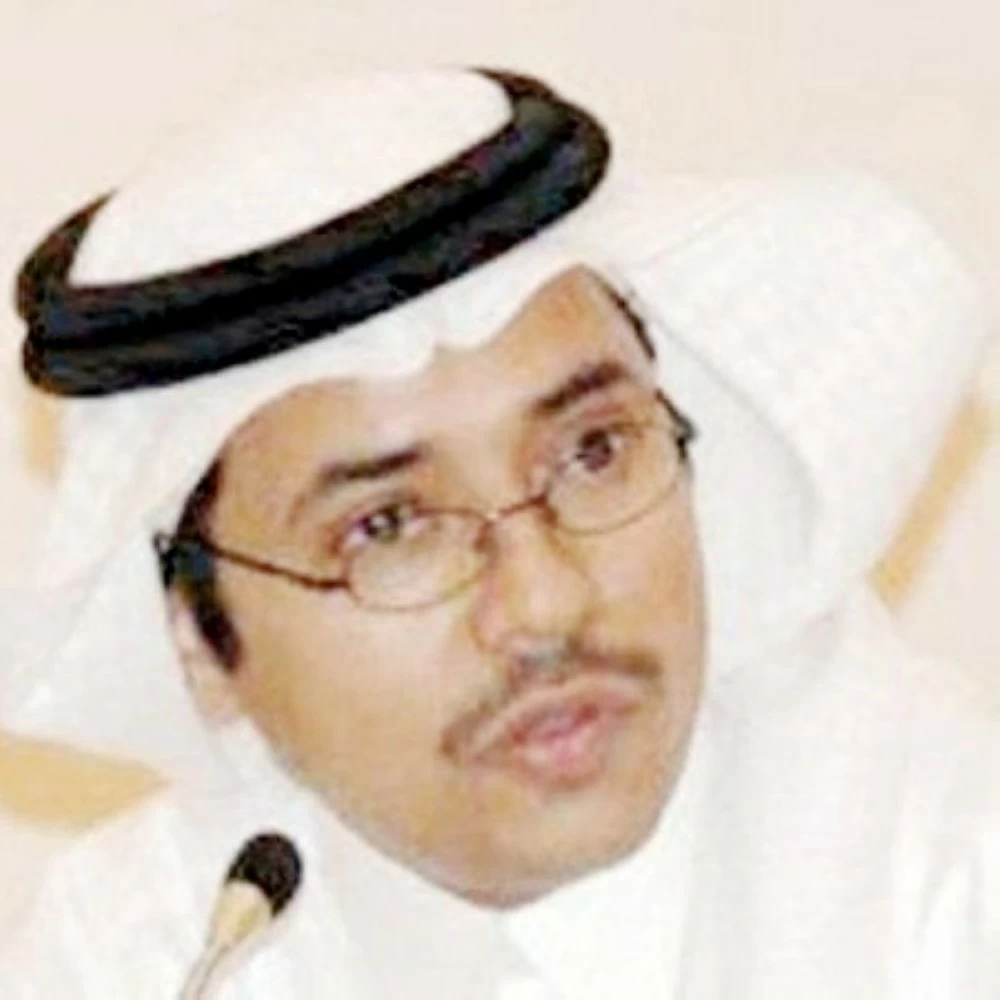
In his new book, "I Am Wheat and I Am Millet," published by Arouqa Publishing House, author Abdulrahman Moukly presents a unique literary work that transcends the boundaries of traditional narrative. Moukly begins with a simple and familiar element of Jazan's culture—the popular dish "Marsa"—and embarks on a profound intellectual and aesthetic journey, transforming rural cuisine into an anthropological laboratory through which he explores memory, identity, and the human history of the place.
The Jazan region, located in southwestern Saudi Arabia, is known for its rich cultural and historical heritage and its unique geographical diversity. This rich heritage is clearly evident in its oral traditions, its ancient souks like the Tuesday market in Sabya, and its cuisine, which reflects the relationship between people and the land. In this context, "Al-Marsa" is not merely a dish made of flour, bananas, and ghee; it is a symbol of generosity and community, a ritual of daily life that holds the stories of mothers and grandmothers, and embodies an economy of both abundance and scarcity. From this perspective, Mokli delves into this world to offer a cultural interpretation that transcends mere taste and explores deeper meaning.
The author's narrative relies on the perspective of the "witnessing self," evoking the memories of a child observing with caution and longing the events unfolding in the kitchen. Through this child's eyes, we see more than just food preparation; we sense the aroma of the oven mingled with the woman's breath, feel the subtle anxiety of want, and anticipate the joy of those returning from the market. The book's title, borrowed from a popular saying, "I am wheat and I am millet," encapsulates this vision. The phrase signifies not only readiness but also a declaration of an identity rooted in the land and its produce, how a person defines themselves through their sustenance, and how grains of wheat and millet become cultural symbols of fertility and belonging.
The book represents a practical and profound response to modern intellectual calls to break free from the "rhetorical prison" of literature and connect it to the humanities, specifically anthropology. As the Iraqi thinker Khaz'al al-Majidi pointed out, literature needs a revolution to return it to its lived human essence. Muqli wholeheartedly embraces this vision, abandoning linguistic embellishments in favor of a dense and richly symbolic prose. Small details, such as the dough for sorghum, bunches of bananas, and the names of valleys and villages, are transformed in his text into cultural documents that reveal an entire society's worldview, making literature a field of knowledge capable of interpreting everyday life.
"I Am Wheat and I Am Millet" is a new and important installment in Mokli's cultural project to document and write about Jazan's heritage from a profound intellectual perspective. Following his previous works that explored religious, mystical, and historical aspects, he now delves into the heart of daily life, emphasizing that knowledge is not confined to grand texts but also resides in food traditions, markets, and proverbs. In doing so, the book presents a genuine portrait of Jazan, far removed from stereotypes, revealing its spirit as manifested in its simplest details and affirming that folklore is not merely decorative but a living, breathing text of knowledge worthy of reading and interpretation.
Ultimately, "I Am Wheat and I Am Millet" transcends being merely an autobiography or a documentation of local folklore, becoming an intellectual exploration that questions the very nature of literature. It is a text that establishes a new relationship between literature and anthropology, demonstrating how the kitchen and the aroma of bread can serve as gateways to understanding the deeper layers of human consciousness and collective imagination, thus presenting a work worthy of the depth and authenticity of Jazan's culture.
-

 Local News 5 days ago
Landslide in Riyadh: Details of the incident in Al-Sahafa neighborhood and containment efforts
-
 Local News 6 days ago
The death penalty was carried out against a citizen who stabbed another to death in Tabuk
-

 Culture and Art, 1 week ago
Ramez Galal in Ramadan 2026: Details of the bloody prank show
-

 Local News 7 days ago
First birth on the Riyadh train: A heartwarming story at Andalus station
-
 Culture and Art 4 days ago
Haifa Wehbe's absence in Riyadh: A photo crisis or a strained relationship with the media?
-
 Local News 5 days ago
Riyadh collapse: Emergency plans to secure water after a main pipeline burst
-

 Culture and Art 4 days ago
City Kitchen series: A drama of conflict and the middle class during Ramadan
-

 Culture and Art 4 days ago
The series "Kasra": Dawood Hussein in a moving social drama this Ramadan