Culture and Art
The death of journalist Abdullah Al-Qubai'i... a distinguished career in the world of journalism
Saudi journalist Abdullah Al-Qubai'i has passed away, leaving behind a significant professional legacy. Learn about Al-Qubai'i's life, from his beginnings in Jeddah to his editorship of Ru'a magazine and his experience in the Middle East.

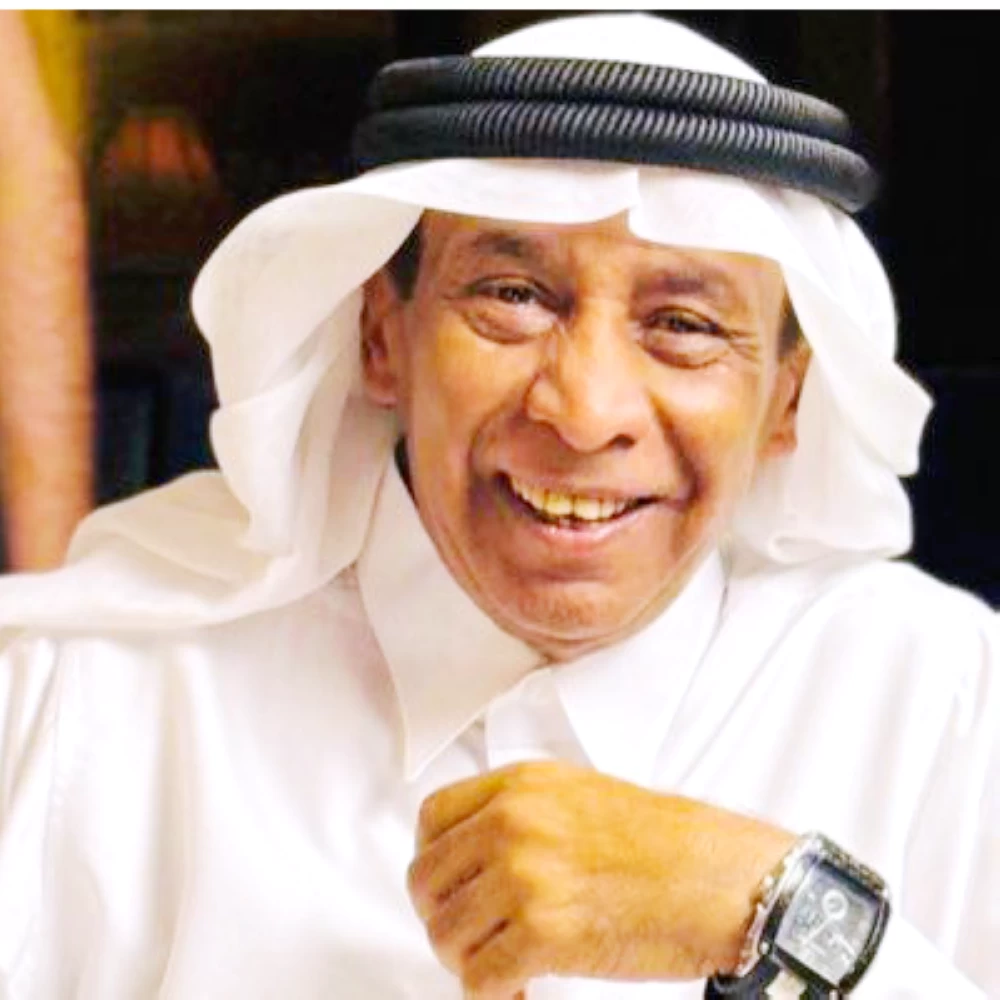
The Saudi and Arab media community has lost one of its most prominent figures who dedicated his life to serving the honest word, with the passing of colleague and professor Abdullah Al-Qubai’, who died suddenly, leaving behind a professional legacy spanning decades, and a fragrant biography that tells a story of struggle and passion that began as a hobby and ended at the top of the journalistic pyramid.
Beginnings in Jeddah... a passion that defies difficulties
The deceased was born in Jeddah in 1959, and it was in its alleyways that his earliest dreams took shape. His entry into the world of journalism was not easy; rather, it came at a time when the profession demanded immense perseverance and patience. Al-Qubai'i earned a Bachelor of Social Sciences degree from King Abdulaziz University in 1980, but his true passion led him to the "Royal Press." He began his journey as a simple amateur, armed with an overwhelming love for writing, skillfully and persistently progressing from a field reporter chasing news to the head of the arts section at Al-Madina newspaper, establishing a new era of serious art criticism.
The London School: Refining the Experience in the "Middle East"
Abdullah Al-Qubai’s time in London marked a pivotal turning point in his career, as he moved to work for the international newspaper Asharq Al-Awsat. At that time, London was the capital of the Arab diaspora press and a training ground for leading Arab journalists. There, Al-Qubai rose through the ranks to become managing editor, gaining international experience and high professional standards, and contributing to shaping the Arab media landscape from the heart of Europe, thus acquiring a comprehensive vision that transcended local boundaries.
Return and leadership: Envisioning the future of media
Al-Qubai’s success wasn’t limited to daily journalism; he was also a pioneer in anticipating media transformations. He assumed the editorship of “TV Arabia,” the first publication specializing in satellite media, keeping pace with the satellite channel boom in the region. Upon his return to his homeland, he was a natural choice to become deputy editor-in-chief of Al-Watan newspaper, contributing to the establishment of a modern and bold journalistic school in the Kingdom. He crowned his career with the editorship of “Ru’a” magazine, published by the Okaz Foundation, where he made his mark on entertainment and society journalism.
Between literature and the screen... multiple talents
The late author's creativity wasn't confined to paper and ink; it extended to the silver screen, where he participated in the production of high-quality television programs, including literary and cultural programs on MBC and sports programs on ART channels, reflecting his encyclopedic knowledge and exceptional professional versatility. On the literary front, his book "My Letters to You" revealed another facet of Al-Qubai'i: that of a sensitive, romantic soul, blending the professionalism of a journalist with the emotional depth of a writer.
Goodbye, noble one
Abdullah Al-Qubai, a father of four and a friend whose colleagues unanimously praised his gentle nature and kind heart, has passed away. He departed quietly, as was his character, without fanfare or complaint, after fulfilling his mission with utmost integrity and dedication. His life will remain a lesson for young generations of journalists, demonstrating that true professionalism is built gradually, patiently, and with respect for the reader.
The editorial team of "Okaz" and the media community extend their sincere condolences and sympathy to his family and relatives, asking God to have mercy on him.


Culture and Art
Bilal Sabri refuses to change the poster for the series "The Victims" after Nada Bassiouni's objection
A crisis has erupted between Nada Bassiouni and producer Bilal Sabry over the poster for the series "The Victims." The producer insists it is the company's prerogative and refuses to make any changes, while the actress expresses her dissatisfaction with her appearance in the poster.
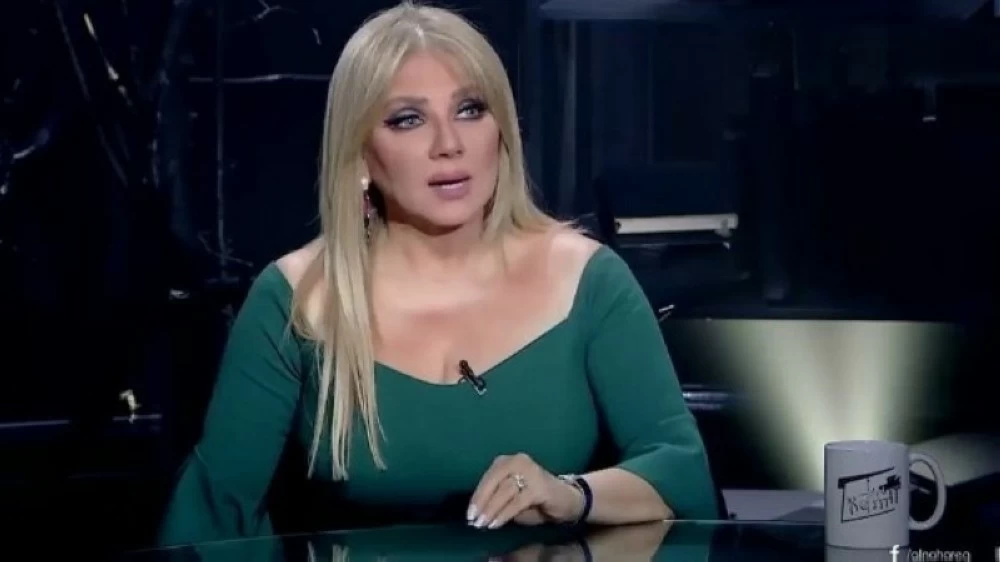
The past few hours have witnessed a state of controversy within the artistic community, specifically among the Ramadan drama producers, after a public dispute arose between the artist Nada Bassiouni and the producer Bilal Sabri, regarding the promotional materials for the series “The Victims,” which is scheduled to be shown in the second half of the holy month of Ramadan.
Crisis details and product response
The story began when actress Nada Bassiouni strongly objected to her image being used on the official poster for the series. However, producer Bilal Sabry responded decisively, insisting on the current design. In his statements, Sabry explained that the poster design is the sole prerogative of the production company, according to artistic conventions, and that artists have no right to interfere as long as it serves the dramatic vision of the work. He also noted that the other cast members had not voiced any objections.
Sabri addressed Bassiouni directly via Facebook, saying, "Sorry, all the artists liked the post. You're like a sister to me, Nada, but the post belongs to the production company." Sabri justified the actress's appearance by explaining that the series revolves around death, adding, "Why fear death? We're all going to die... that's the essence of the series, and I won't change the poster.".
Nada Bassiouni's dissatisfaction
For her part, Nada Bassiouni did not hide her displeasure, writing on her personal account: "Of course, I'm working on the series 'The Victims,' produced by Bilal Sabry, who is my brother, but I completely object to the poster idea." She questioned indignantly why she was being portrayed in this way without her consent, describing the image as "absolutely awful.".
The importance of posters in dramatic marketing
This incident opens the door to a discussion about the importance of promotional posters in the drama industry, as the poster is the primary means of visual communication between the work and the audience. Amidst the fierce competition of the Ramadan season, production companies strive to use designs that express the essence of the story, even if they sometimes appear shocking, to attract attention and pique curiosity. This seems to be the approach adopted by the creators of "The Victims" to reflect the atmosphere of mystery and death that pervades the events.
The story of the work and its heroes
The series "The Victims" unfolds as a suspenseful and thrilling drama centered on the character of "Sultan," shrouded in an aura of death and mystery, where a series of deaths befall anyone who approaches his world. The work portrays a complex psychological struggle between good and evil within the human psyche.
The series features a stellar cast including Salah Abdullah, Mirna Walid, Wafaa Salem, Amr Ramzy, Sherif Desouky, Randa El Beheiry, Aida Riyad, Enas Mekky, Nayera Aref, Hossam Helmy, Mohamed El Maabdy, and Mahga El Ghandour. It is written and directed by Hatem Salah El Din.
Culture and Art
Updates on Fifi Abdou's health condition and her new Ramadan program
Details of the health crisis that confined artist Fifi Abdo to bed, and the unveiling of her new program, "A Thousand Nights with Fifi," scheduled to be shown on MBC Egypt in Ramadan 2026.
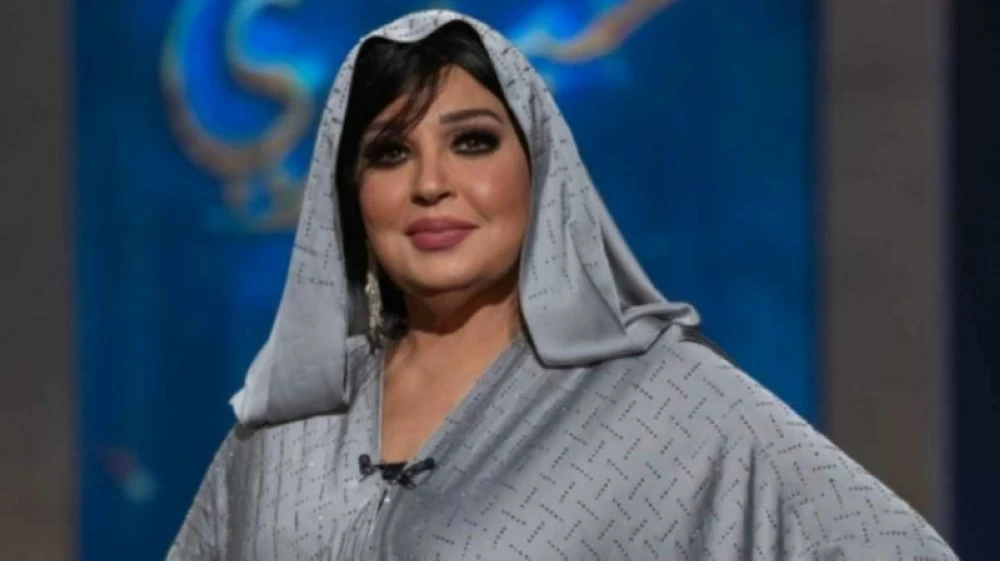
Egyptian star and renowned belly dancer Fifi Abdou a severe health setback in recent days, confining her to bed and temporarily preventing her from interacting with her large fan base. This news has sparked concern among her fans and followers on social media, who are accustomed to her positive energy and constant presence.
In brief media statements, Fifi Abdou revealed details of her health condition, indicating that she had contracted a severe cold. She explained, "I caught a bad cold, and I'm resting completely, avoiding any movement or exertion until I fully recover." She also expressed her deep gratitude to everyone who inquired about her well-being, apologizing for not being able to speak at length due to her current health condition, which requires rest and quiet.
A strong comeback in Ramadan with the program "One Thousand and One Nights with Fifi"
Despite her recent health scare, Fifi Abdou delivered good news to her fans regarding her upcoming programming schedule. The renowned artist confirmed that she has finished filming her new show, "A Thousand Nights with Fifi ," which is set to air during Ramadan. This program further solidifies Fifi Abdou's presence during Ramadan seasons, where she has always been known for her remarkable performances in both dramas and entertainment programs.
Fifi officially unveiled the promotional poster for the program on her official Instagram account, well before the start of Ramadan 2026, indicating an early marketing strategy for the show. She captioned the poster: "Pray for my success and good fortune. Stay tuned for me this Ramadan, God willing, on MBC Egypt in the program 'Alf Leila Ma'a Fifi' (One Thousand and One Nights with Fifi). Happy Ramadan!".
A prolific artistic career and a distinguished media presence
Fifi Abdou is considered one of the most prominent art icons in Egypt and the Arab world, boasting a long and distinguished career spanning decades in belly dancing and acting. Not content with being a top-tier dancer, Fifi has also carved a name for herself in the world of television and film drama through unforgettable roles that showcased her portrayal of the strong, down-to-earth Egyptian woman.
Her return to television presenting on MBC Egypt reflects her enduring appeal and ability to reinvent herself. Fifi Abdou's programs are typically characterized by spontaneity and humor, and they consistently attract a wide audience, not only in Egypt but also in the Gulf region and the Middle East, thanks to her unique charisma and endearing wit.
The impact of social media and public engagement
In recent years, Fifi Abdou has become a digital phenomenon on social media platforms, successfully building a strong connection with younger generations. Her famous phrases and spontaneous videos have become part of digital pop culture in the Arab world. Her show, "A Thousand Nights with Fifi," is expected to garner widespread attention and significant social media engagement, given her massive fan base who eagerly await her return and wish her a speedy recovery so she can once again delight them with her art and unique presence.
Culture and Art
Mohammed Omar: My voice is better than Mohammed Abdo's, and the story behind the song "Tadallal"
Artist Mohammed Omar revealed the details of his dispute with Mohammed Abdo over the song "Tadallal," asserting that his voice is stronger than that of the "Artist of the Arabs," who responded sarcastically to the comparison. Details of the heated exchange are available here.
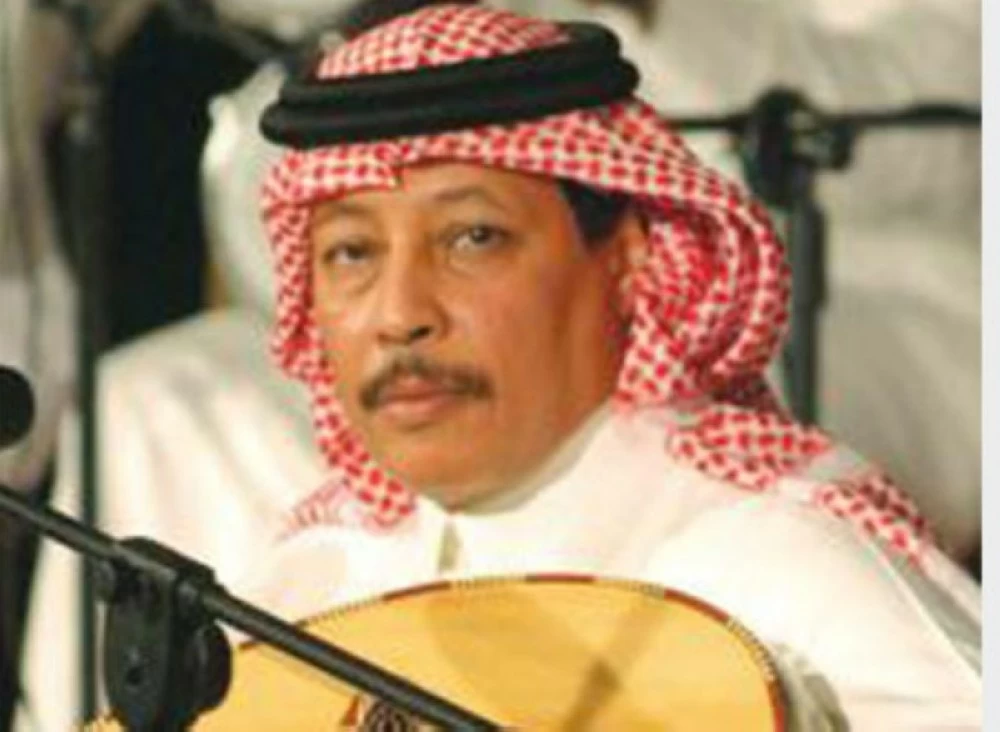
Mohammed Omar sparked widespread controversy in artistic and public circles following his recent fiery statements, revealing historical behind-the-scenes details about his collaboration with the Arab artist Mohammed Abdo , and pointing to details concerning his literary rights in one of the most famous Saudi songs.
The story behind the song “Tadallal” and the old dispute
During his appearance on the program "Where Are You?" on the "Cultural" channel, which focuses on highlighting artists who have withdrawn from the spotlight, Mohammed Omar made a startling revelation. He explained that he had memorized and recorded the famous song "Tadallal ," only to be surprised later to find it released on an official album by the artist Mohammed Abdu without any mention of his name or acknowledgment.
Omar expressed his strong displeasure with the Arab artist, saying: “I did not expect that Mohammed Abdo would release the song in the album without mentioning my name. It was a moral and artistic obligation for him to include my name, especially since the quality of the voice was so similar that the audience thought at the time that the voice belonged to Abu Noura himself.”.
“My voice is better”... a sarcastic response from Mohammed Abdo
The statements didn't stop at merely complaining about intellectual property rights; they went further, extending to artistic comparisons. Mohammed Omar confidently asserted that his voice was better and stronger than Mohammed Abdu's. He cited a past incident where some musicians and attendees conveyed to the "Artist of the Arabs" their opinion that Mohammed Omar's voice was superior in power.
According to Muhammad Omar’s account, this opinion caused Muhammad Abdo to be upset, and he responded at the time with a sarcastic and mocking phrase, saying: “How many tons?”, in an indication of his downplaying the standard of “voice power” as a measure of artistic superiority.
Mohammed Omar... one of the pillars of Saudi song
To understand the context of this controversy, one must revisit the history of the artist Mohammed Omar, considered one of the most prominent voices of the golden generation of Saudi song. Omar rose to prominence in the 1980s and 90s, presenting a collection of timeless works that shaped the consciousness of the Gulf listener, such as "I Loved the Letter 'Ain'" and "I Am the Promised One." Mohammed Omar was not merely a performer; he was a true rival to the giants of art during that era, distinguished by his melodious voice and exceptional ability to perform challenging musical scales, making comparisons between him and the pinnacles of Saudi art a legitimate point of reference in artistic criticism.
Competition in the Golden Age of Art
These statements open the door wide to recalling the vibrant artistic scene and the fierce competition that characterized the Saudi music scene. While Talal Maddah and Mohammed Abdu reigned supreme, other powerful voices like Mohammed Omar, Abdul Majeed Abdullah, and Rashed Al-Majed (in his early days) were striving to carve out their own niche. These forgotten stories, now coming to light through documentaries, reshape the public's understanding of the history of Saudi song, revealing a world full of details and situations previously unknown to the public. This lends significant historical and documentary value to such television interviews.
-

 Culture and Art 5 days ago
The "Between and Between" exhibition in Jeddah: 5 artists reshape Saudi memory
-
Culture and Art 6 days ago
Shakira's concert in Jeddah: Details of the international star's first concert in Saudi Arabia
-
Local News 3 days ago
Saudi Arabia's National Arabic Language Policy: 8 Principles to Promote Identity
-
Local news two days ago
Adopting the National Policy for the Arabic Language: Strengthening Identity and Vision 2030
-
Culture and Art, 1 week ago
The truth about Nancy Ajram's video and Epstein Island, and her legal response
-
Local News 3 days ago
The Riyadh-Rin-Bisha dual carriageway, spanning 559 km, has been completed
-
Fashion one week ago
Sneaker Con Jeddah 2026: The largest gathering for sneaker culture and fashion
-
Local news one week ago
Launch of the new Dammam project with investments of 98 billion riyals