Culture and Art
Founding Day opens the dramatic eye to our history
Visual arts are among the fastest media for conveying messages, reaching the mind of the audience, and solidifying ideas through images. Perhaps our history

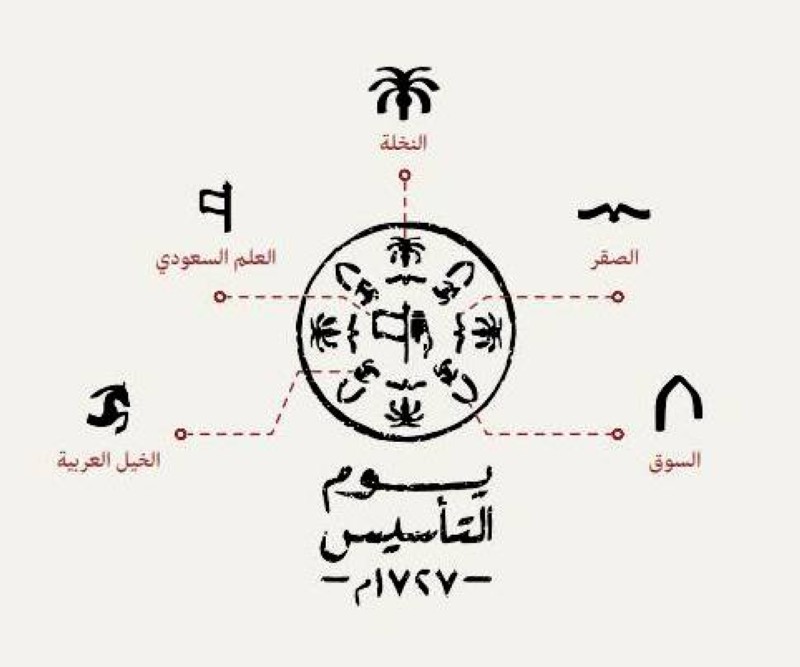
Visual arts are among the fastest means of conveying messages, reaching the mind of the follower, and establishing the idea through the image. Perhaps our Saudi history has not received, for decades, the dramatic works it deserves that highlight the great achievement of unification and the cumulative history of the Saudi state for more than three centuries. With the adoption and recognition of the founding day, specialists in drama, cinema, and theater place great hopes on presenting the bright image of our honorable history and being satisfied with importing the biographies and histories of others, as the founding day opened the eyes of drama to our locality. History is not a visual vision but a memory that resides in the conscience of every Saudi. Here we raise the issue of the role of drama, cinema, and theater to an elite, coinciding with the approach of the celebration of the founding day.
Film critic Dr. Fahd Al-Yahya considers history, both recent and distant, an important source for drama. However, he believes that its interpretation and production are not easy. Al-Yahya argues that drama is not simply a reproduction of reality, as approaching the truth in historical events is often difficult. This necessitates that the writer of a dramatic work be familiar with a number of sources to ensure that their portrayal remains true to historical facts. He emphasizes that producing historical works is costly due to the need for set design, costumes, hairstyles, props, and accessories, all aimed at achieving the closest possible accuracy to historical reality. He points out that drama in both the Maghreb and the Mashreq has drawn inspiration from history in many works, not only for the sake of historical "documentation" but also, often, to strengthen national spirit and deepen the sense of belonging.
Al-Yahya added that if Syrian drama has focused on the strongman and the tough guy, and Japanese cinema on the example of the samurai, then Vision 2030 has focused on drama, whether filmed (cinema and television) or theatrical, which means that it is time to pay attention to Saudi history, especially what is known as the First Saudi State, which was an important turning point in the history of the Arabian Peninsula and its extension in the name of the Kingdom of Saudi Arabia. He called on the historical inspiration to take into account all cultural, social and historical factors and not to be satisfied with the truncated image recorded in history curricula, but rather to employ people with oral narratives and present pure dramatic work, or documentary drama (Deco-drama).
Meanwhile, writer and engineer Mansour Al-Bakr believes that the founding day opens the eyes of Saudi drama to take its place in its Arab dramatic environment, explaining that Syrian, Egyptian and Turkish Arab series have occupied a space in our space and established themselves, and the Saudi citizen has become more aware of the history of these countries and their dramatic history than he is of the history of his own country.
He considered the importation of other people's histories and the neglect of our own a major flaw and a danger to Saudi youth, who have grown up for so long watching imported dramas. He hoped to avoid this neglect by utilizing the arts to serve our history and cultivate a sense of national pride among Saudi youth. He called on creative drama writers to write the history of Saudi Arabia, linking it from the founding day to the present, to develop a sense of national pride in these generations. Al-Bakr added: "I believe we are falling short in highlighting our country's national historical role and its honorable history in the development, progress, and stability that the Kingdom is witnessing. This necessitates addressing and dramatically linking it to the founding day to enhance the awareness of citizens, especially the youth." He attributed the superiority of Syrian drama over its Arab counterparts to its strong elements in terms of performance, actors, directors, and large-scale production. He looked forward to the creation of epic Saudi works with state support, especially at the beginning of its dramatic and production journey, to produce large and distinguished works that highlight the Kingdom's historical role. Al-Bakr called for utilizing highly qualified and experienced writers and creators from other countries, whether Arab or otherwise. Other than that, to produce important epic works about the Kingdom of Saudi Arabia, and to train Saudi youth in creative and intellectual works distinguished by creating real workshops to develop and improve Saudi drama in a creative way.
The poet and filmmaker Ahmed Al-Mulla affirms that national dramatic productions solidify a collective identity and reinforce a profound sense of existence. He emphasizes that this requires strong production capacity and a creative, innovative approach that draws upon a historical imagination far removed from the conventional and the commonplace. He attributes the potential for success to the quality of production and the freedom of imagination, particularly in portraying established figures found in historical texts and transforming them into individuals within a realistic narrative. He notes that, due to the extreme difficulty involved, many drama producers avoid addressing such highly sensitive topics.
Poet and media figure Abdulwahab Al-Arayedh expressed reservations about the presentation of imported historical stories broadcast by our satellite channels without touching upon our history, which no one but us or like us will produce. He believes that we are facing a major dilemma, which is the availability of a dramatic text that deals with an important era of the founding history of the Kingdom of Saudi Arabia. He expressed his regret that drama enthusiasts became attached to series that showcased the establishment of the Ottoman state and the transitions in Turkey through episodes that garnered millions of views in Saudi Arabia, in addition to stories of the Muslim Brotherhood and the establishment of the Egyptian state (King Farouk, Abdel Nasser, Sadat). All of these were broadcast on our official channels. We lived with Syrian drama in all its details, including the establishment of the state, the fight against colonialism, the rise of the government, and the formation of the state and its systems. Al-Aridh added: Today, we are facing a great challenge for Saudi writers and production institutions to create a drama specific to the Saudi state through its three stages, drawing its spirit from the era of establishment. He looked forward to the contribution of the King Abdulaziz Foundation and the King Fahd National Library in creating our own historical narrative, and the truth about that period, so that we can tell future generations how the Kingdom was established, which has become a global competitor and a force to be reckoned with on the international economic level, and has weight and influence in the Arab world and globally. Al-Aridh considered the Saudi people to be the fruit of success and establishment, as the sons of the nation are specialists in all fields and partners in all scientific and intellectual sectors. Hoping that next Ramadan we will see a 30-episode series that tells and simulates the history of the founding and the stages of construction, so that we can move beyond the imported dramas about the history of the Arab world without mentioning the history of our beloved country.
Ali Al-Baydani, director of the Culture and Arts Association branch in the Al-Baha region, looked forward to Saudi producers adopting writing and artistic talents and holding workshops in all regions to write dramatic texts that tell generations the story of the homeland from its origin to its vision, passing through its unity, so that citizens can learn about the history of their homeland and nourish the conscience of generations in a way that enhances the spirit of belonging through visual arts, theater, drama and cinema.


Culture and Art
Hussein Fahmy settles the Palme d'Or controversy and Algeria: My remarks were spontaneous
Hussein Fahmy issues a statement clarifying the truth about his remarks regarding the Palme d'Or, denying any offense to Algeria and affirming his respect for the history of Algerian cinema and its global achievements.
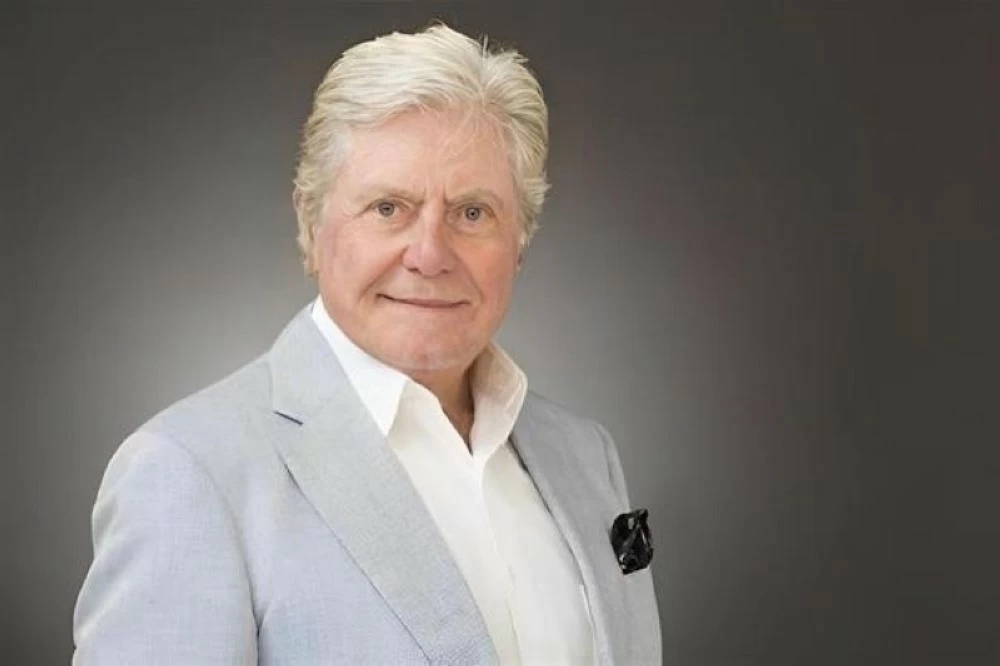
The renowned Egyptian actor Hussein Fahmy, president of the Cairo International Film Festival, has put an end to the widespread controversy that arose in recent days across social media and news outlets regarding his remarks about the Palme d'Or award and international film festivals. In a firm official statement, Fahmy asserted that his comments had been taken out of context, emphasizing that they were part of a general theoretical discussion about the inner workings of international judging panels.
Context of the conversation and denial of offense
Fahmy clarified that his remarks came during a casual conversation about how the decisions of judging panels at major festivals are sometimes influenced by political factors and the prevailing atmosphere at the time of the festival. He emphasized that he had absolutely no intention of questioning the merit of any country or artwork in receiving awards. He explained that his use of certain examples was spontaneous and involved an unintentional overlap between events, names, and political positions. He categorically denied any intention to offend or diminish the value of leading Arab artistic works that have won international awards.
Historical background and importance of Algerian cinema
This clarification comes at a time when the Arab public, and the Algerian public in particular, holds a deep sensitivity and affection for their rich cinematic history. It is well-known that Algerian cinema boasts a golden record on the international stage, with the Palme d'Or win at the 1975 Cannes Film Festival for "Chronicle of the Years of Embers" by director Mohammed Lakhdar-Hamina being a pivotal event in the history of Arab and African cinema, as it remains the only Arab film to have received this prestigious award. Therefore, any discussion of these achievements is met with great interest and scrutiny from both critics and the public.
A message of love and appreciation to the Algerian people
In a related context, the Egyptian artist reiterated his deep respect and sincere love for Algeria, its leadership, people, and art. Fahmy stated that the achievements and international successes of Algerian cinema remain a source of pride for every Arab citizen, and that its place is always cherished and appreciated in the hearts of Egyptians and all Arabs.

Art as a bridge for communication between peoples
The president of the Cairo International Film Festival concluded his statement by emphasizing the pivotal role of art in bringing people together, noting that cinema remains a universal language that unites rather than divides, and strengthens the bonds of brotherhood among Arabs. He expressed his gratitude to his large Algerian audience, appreciating their understanding of the spontaneous nature of his remarks, and affirming that the artistic relations between Egypt and Algeria will remain a model of fruitful cooperation and shared creativity that transcends any passing misunderstanding.
Culture and Art
Mai Kassab in Ramadan 2026: Details of the series "Noon Al-Neswa" and her new role
Learn about the details of Mai Kassab’s character in the series “Noon Al Neswa” for Ramadan 2026, the story of her rise from assistant to star, and the behind-the-scenes of her musical collaboration with Aziz El Shafei.
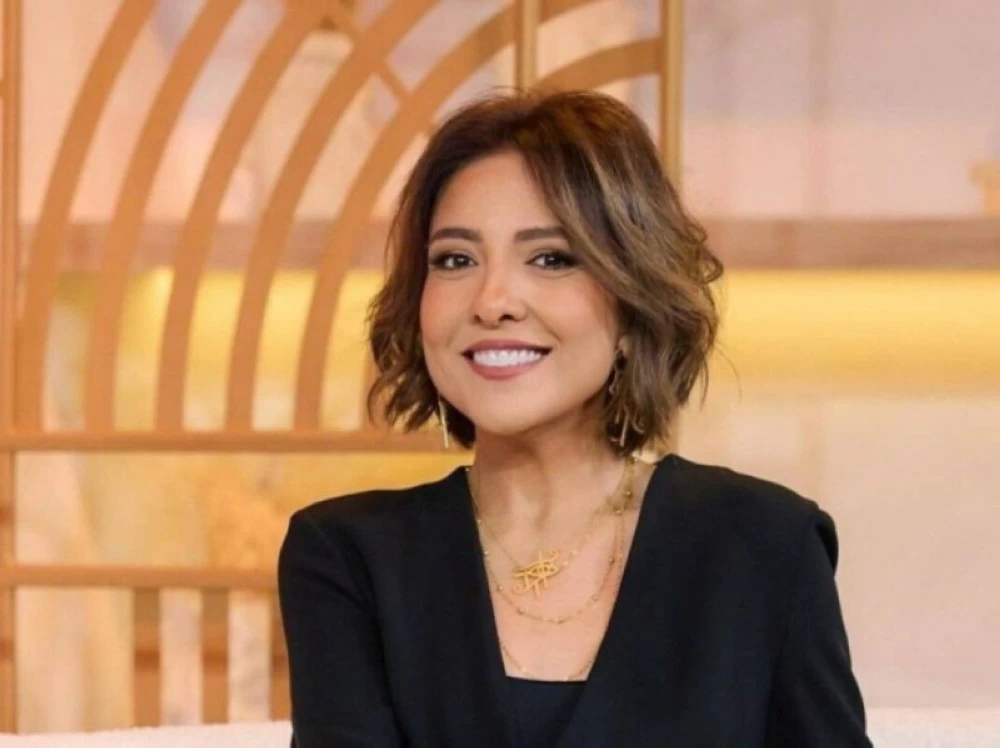
Egyptian artist Mai Kassab to enter the Ramadan 2026 season with a new and different dramatic experience through the series “Noon Al-Niswa” , a social work with a humanistic character consisting of 15 episodes, reflecting the modern trend in Egyptian drama towards short and intensive series.
Personal details of "Sharifa" and her journey to success
In the series, Mai Kassab portrays Sharifa, an ambitious young woman who begins her career behind the scenes of the celebrity world as an assistant to a major star, played by Simone . The plot thickens dramatically when Sharifa is given a golden opportunity to appear on screen after one of the leading ladies unexpectedly withdraws from the project. This sets her on her own journey in the world of art, amidst a series of challenges and human conflicts that reveal the secrets of this industry.
A return to musical roots with Aziz El Shafei
What distinguishes the "Nun Al-Niswa" experience is Mai Kassab's investment in her original talent as a singer. In press statements, she expressed her great enthusiasm for combining drama and singing in this work. Mai collaborated with the renowned composer Aziz El-Shafei to present a collection of songs accompanying the series, a move aimed at delivering a complete artistic experience that blends acting and vocal performance—an artistic style in which Mai Kassab has excelled since the beginning of her career.
The phenomenon of 15-episode series in Ramadan
The series "Noon Al-Niswa" reinforces the presence of 15-episode series during Ramadan seasons, a phenomenon that has become increasingly prevalent in recent years in Egyptian and Arab drama. This dramatic format allows for a faster pace of events and avoids drawn-out storylines, attracting a wide audience that prefers focused and concise narratives. This is what the creators are banking on to ensure the series' success amidst fierce competition.
The Stars Battalion and the Makers
The series boasts a stellar cast whose performances enrich the production. Alongside Mai Kassab and Simone, the cast includes Heba Magdi , the brilliant Ahmed Fahim , the comedian Mahmoud El-Leithy , Nada Moussa , and Ahmed El-Rafei . Produced by Sabah Ikhwan, one of the leading production companies in the Arab world, and written by Mohamed El-Henawy and directed by Ibrahim Fakhr, the series raises expectations for its artistic and directorial quality.
Expected impact and competition
The series "Nun Al-Niswa" is expected to make a significant impact on the 2026 Ramadan drama season, particularly as it addresses women's issues within a humanistic and social framework—a genre of drama that enjoys considerable popularity among Arab families. Furthermore, the combination of tragedy, a story of rising success, and musical elements lends the work diverse entertainment and artistic dimensions, potentially making it one of the most prominent contenders for viewership ratings.
Culture and Art
Artist Jamal Assaf killed in a security confrontation in Aleppo... Full details
Details of the killing of artist Jamal Assaf in a security clash in Aleppo, following a history of incitement and controversy. Learn about his arrest, his apology, and his fate in the Sheikh Maqsoud neighborhood.
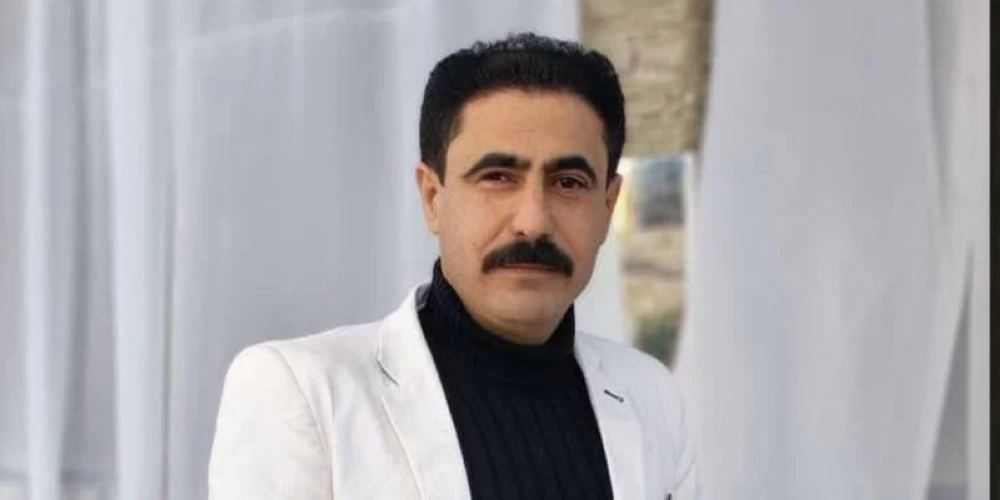
Security forces brought an end to the life of artist Jamal Assaf, who was killed in an armed confrontation, thus concluding a career that sparked widespread controversy in Syrian circles. Assaf was known for his staunch support of the Syrian regime, having transformed from a mere performer of popular songs into an instigator during the bloody conflict that engulfed the country, making his death a widely followed and closely watched event.
An artistic career in service of the conflict
Jamal Assaf was not just a passing artist; he was a prominent figure in what became known as "crisis songs," according to Syrian television and local media. Over the past few years, Assaf used his voice to attack the opposition with harsh lyrics, and his name became associated with songs bearing explicitly political and military themes. This trajectory reflects a phenomenon that emerged clearly during the Syrian war, where many artists became entangled in political alignment, often transforming art from a tool for peace into a means of mobilization and incitement—a context that placed Assaf at odds with a large segment of the Syrian population.
Calls for murder and boasting about weapons
Assaf's stances went beyond singing, reaching the point of direct incitement to violence. He sparked a massive wave of criticism and anger after posting statements on his personal social media accounts that included explicit calls for the use of barrel bombs against civilians in the city of Idlib in northwestern Syria. Not only that, but he also appeared on numerous occasions wearing military uniform and boasting about his participation in battles alongside the forces of the former regime, making him a target of legal and moral prosecution by human rights organizations and activists who considered his actions to be tantamount to incitement to murder.
Arrest and disappearance
The net began closing in on Assaf in late December 2024, when Syrian security forces announced his arrest in Aleppo. This followed intelligence reports confirming his hiding and constant movement between secret locations to avoid capture, in an attempt to evade legal consequences or settle internal scores. News of his arrest came as a shock to his supporters and a relief to his opponents, and it resonated widely across social media platforms, with some considering it the beginning of holding figures of incitement accountable.
The final chapter: An apology that did not absolve and a deadly confrontation
In a striking turn of events, leaked videos surfaced showing Jamal Assaf reappearing in January 2026 following his release. He offered a public apology to the Syrian people for his past actions, attempting to turn the page on the past. He then moved to the Ashrafieh and Sheikh Maqsoud neighborhoods of Aleppo, areas with complex security and demographic characteristics. However, this apparent reconciliation was short-lived; his life ended in a violent armed clash during another attempt by a security patrol to arrest him, bringing to a close the life of a figure who embodied the contradictions and dramatic transformations of the Syrian war.
-

 Culture and Art 6 days ago
The "Between and Between" exhibition in Jeddah: 5 artists reshape Saudi memory
-
Local News 4 days ago
Saudi Arabia's National Arabic Language Policy: 8 Principles to Promote Identity
-
Culture and Art, 1 week ago
Shakira's concert in Jeddah: Details of the international star's first concert in Saudi Arabia
-
Local News 3 days ago
Adopting the National Policy for the Arabic Language: Strengthening Identity and Vision 2030
-
Culture and Art, 1 week ago
The truth about Nancy Ajram's video and Epstein Island, and her legal response
-
Local News 4 days ago
The Riyadh-Rin-Bisha dual carriageway, spanning 559 km, has been completed
-
Local news one week ago
Launch of the new Dammam project with investments of 98 billion riyals
-
Culture and Art, 1 week ago
The truth about Wael Awni's conversion to Islam... The artist responds sarcastically to the rumors