Culture and Art
Nouf Al-Ghamdi: There are 263 theaters in Saudi Arabia... and the sector needs "governance"
Dr. Nouf Al-Ghamdi, a member of the International Federation for Theatre Research at Cambridge University, revealed that 263 theatres have been built and renovated in various locations

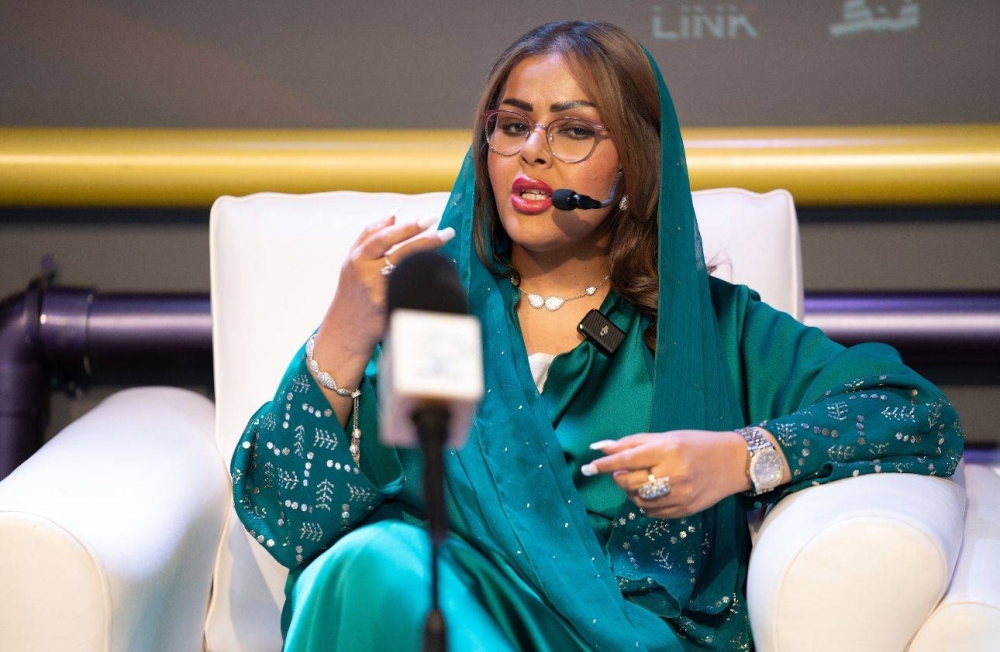
Dr. Nouf Al-Ghamdi, a member of the International Federation for Theatre Research at Cambridge University, revealed that 263 theaters were built and modernized in various cities of the Kingdom up to 2023, including theaters for major performances.
During the launch of the “Theater Economy” forum in Jeddah yesterday, she said that the theatrical movement taking place in the Kingdom is a strong supporter of artistic events and logistical services, and enhances the attractiveness of Saudi cities as cultural centers.
She added that the Ministry of Culture, represented by the Theater and Performing Arts Authority, is working hard to support theatrical creativity and develop its capabilities.
In her speech during the launch, she pointed to the governance of the theater, the paths of scientific research in the fields of theater, and the study of reference creative experiences, as they represent one of the values that can be relied upon to develop the Saudi theatrical scene.
She explained that the forum produced a set of recommendations, including working on solutions to organizational and administrative challenges, in addition to the importance of governance for non-profit organizations that are still in their early stages, and working on preparing an encyclopedic guide that includes universities, institutes and research centers within the Kingdom that are interested in theater and performance arts, with a focus on strengthening partnerships with international universities specializing in theater, strengthening partnerships with the private sector and launching initiatives for social investment in the performing arts, and supporting non-profit organizations in adopting effective digital marketing strategies to reach a wider audience.
She emphasized the importance of continuing to build new theaters and modernize existing theaters in different cities to enable theatrical organizations to present high-quality performances, encouraging critical studies of digital theater by supporting research that analyzes the impact of digital technology on Saudi theater, in addition to stimulating investment in Saudi theater and attracting investments from the private and public sectors to support theatrical projects, establishing specialized funding funds, and encouraging audio-visual documentation by creating a national archive that documents Saudi theatrical performances, which will facilitate the study of the development of Saudi theater by future generations.
For her part, journalist Dr. Zainab Al-Khudairi spoke during the forum about the challenges facing the theater, such as the lack of a national strategy to revitalize theaters, in addition to the fact that the infrastructure is still not compatible with the name of a theater, and that the technical services, in terms of personnel and equipment, need more professional artistic production companies, in addition to the weakness of the scripts and the lack of a sufficient number of specialized theater directors. Meanwhile, in the field of the novel and its transformation into a theatrical work, we are in dire need of developing the role of the novel in cultural affairs in a way that allows it to be transformed into artistic works, due to the novel’s connection to reality, contemporary issues, and the philosophical depth in dissecting society.
For his part, Jihad Al-Huwaik spoke about the importance of empowering and enhancing the skills of theatrical leaders, and the need to establish specialized institutes that begin by discovering theatrical talent at a young age, developing their skills over extended periods, and guiding them toward the most suitable specialization within the framework of the theater economy. He also noted the potential for benefiting from international expertise in this field. He emphasized the importance of organizing international theater festivals in the Kingdom and facilitating the participation of Saudi theater internationally, which would allow Saudi talent to develop by increasing its competitiveness. He further stressed the importance of marketing and building personal brands for some theater professionals, which would contribute to attracting audiences.


Culture and Art
Mohamed Youssef Ozo reveals his rare illness after the series "Sahab Al Ard"
Artist Mohamed Youssef Ozo breaks his silence and reveals his diagnosis of ankylosing spondylitis after criticism of his appearance in the series "Sahab Al Ard", explaining the details of his treatment and suffering.

In a poignant moment of candor that put an end to many questions, Egyptian artist Mohamed Youssef, known artistically as “Ozo,” broke his silence to reveal to the public the truth about his health condition, following the controversy surrounding his obvious hunched back during his outstanding performance in the series “Sahab Al Ard,” which aired during the 2026 Ramadan drama season. This appearance, which attracted attention, was not just an acting performance, but rather concealed a real story of pain.
The nature of the disease: What is ankylosing spondylitis?
Ouzo explained via his official Facebook account that he is battling a rare autoimmune disease known medically as ankylosing spondylitis. Medically, this disease is a chronic type of arthritis that primarily affects the spine, causing inflammation and stiffness of the vertebrae. Over time, this can lead to some vertebrae fusing together, which explains the changes in posture and difficulty moving that the public has noticed.
The young artist confirmed that he is currently undergoing an intensive treatment program based on “biological therapy”, which is one of the latest medical protocols used to control the activity of the immune system, with the aim of stopping the deterioration of the condition and stabilizing the disease at its current level, to ensure that he can continue to practice his professional and personal life.
Behind the scenes of the medical trip and the role of the union
In a related context, Mohamed Youssef revealed his persistent efforts to find radical solutions, noting that he did not hesitate to explore both cosmetic and therapeutic surgery options to improve the appearance of his spinal curvature. He was accompanied on his search by Dr. Ashraf Zaki, head of the Actors' Syndicate, a gesture reflecting the syndicate's ongoing support for its members during health crises. Despite his strong desire to undergo surgery, the specialist advised postponing the procedure for a full year due to the complexities of his medical condition, even though the typical recovery period for such surgeries does not exceed six months.
Despite these obstacles, Ozu showed great determination to complete his treatment journey, confirming his intention to consult another doctor who has a vision that balances the cosmetic necessity and the precise medical considerations of his complex condition.
A message of awareness and apology to the public
Away from the cameras, Ozu emphasized that his decision to conceal his illness for so long stemmed from his desire to avoid seeking public sympathy, preferring to endure the excruciating pain with patience and silence. He noted that he resorts to assistive methods such as hydrotherapy and manual therapy to alleviate the stiffness and daily pain.
He concluded his speech with a noble message in which he apologized to everyone who criticized his appearance or the way he walked in the series without knowing the truth about his illness, stressing that what people see as a superficial difference is in fact a daily battlefield that he silently wages, thus highlighting the importance of societal awareness of the invisible suffering of others, and the need to be patient before passing judgment on the outward appearance of artists and public figures.
Culture and Art
Updates on Hani Shaker's health condition after he was admitted to intensive care
Details of artist Hani Shaker's health condition after undergoing emergency surgery and being transferred to intensive care. His manager reveals to Okaz the cause of the bleeding and the latest updates on his medical condition.

Recent news regarding the health condition of the great Egyptian artist Hani Shaker, nicknamed “Prince of Arab Singing”, has sparked widespread concern in artistic and public circles, after the announcement that he was urgently transferred to intensive care following a sudden health crisis that required immediate surgical intervention.
Details of the health crisis and surgical intervention
In an exclusive statement to Okaz newspaper, the manager of artist Hani Shaker revealed the precise details of the crisis, confirming that the artist suffered a sudden and severe hemorrhage in his colon, which necessitated his immediate transfer to the hospital and an emergency surgery to stabilize the situation. He explained that Shaker is currently in the intensive care unit, where he is under close and continuous medical supervision by a team of senior doctors to ensure the stability of his vital signs.
Relative stability and precautionary monitoring
Regarding the developments in his condition, the business manager indicated that there is a noticeable gradual improvement in the health condition of the Prince of Arab Singing, but the medical team preferred not to rush his exit from intensive care, preferring to keep him under observation for an additional period as a precautionary measure to ensure that no complications occur and to make sure that the wound heals and the bleeding stops completely before transferring him to a regular room.
Union support and a prolific artistic career
In a related development, the Egyptian Musicians Syndicate has been closely monitoring the condition of its former head. Nadia Mustafa, a board member and the syndicate's official spokesperson, called on fans and the Arab public to pray for the renowned artist's speedy recovery, emphasizing that the syndicate is following all details concerning his health condition closely and wishing him a swift recovery and return to entertaining his audience.
Hani Shaker is considered one of the most prominent figures in classical and contemporary Arabic music, boasting a decades-long artistic career during which he presented hundreds of works that have shaped the consciousness of the Arab public. This crisis serves to highlight his immense popularity among his fans, as his name trended on search engines and social media platforms immediately after the news broke.
Previous health challenges and artistic determination
It's worth noting that this isn't the first time Hani Shaker has faced health challenges recently. He previously performed a huge concert in the United Arab Emirates, his first public appearance after undergoing delicate spinal surgery. He appeared seated while singing, a scene that reflected his strong determination to fulfill his artistic commitments and his respect for his audience despite the pain. He also delivered a moving message to the audience, expressing his gratitude for their support, which he considers an essential part of his recovery journey.
Culture and Art
Diab refuses to work with Ghada Abdel Razek and chooses Mona Zaki to star in his film
Diab sparks controversy in Ramadan 2026 with his statements about Ghada Abdel Razek, and reveals his ideal partner and details of his new series, "Kimia" with Mustafa Gharib.

Egyptian artist Diab widespread controversy in artistic circles and on social media platforms following his recent bold statements, in which he revealed his firm decision not to collaborate artistically again with star Ghada Abdel Razek . This came during his appearance on the prank and talk show "Ramez Level the Monster," which aired during Ramadan 2026, where Diab opened up to the public, speaking candidly about his career choices and relationships within the artistic community.
Past conflicts and their impact on the future
Diab explained that his decision not to work with Ghada Abdel Razek again stemmed from a previous experience they shared, which he described as unsatisfactory both professionally and personally. These statements highlight the importance of chemistry and compatibility between actors in dramatic works, as harmony behind the scenes is a crucial factor in the success of any artistic endeavor. Disagreements or discomfort on set often negatively impact the quality of the final product, prompting artists to make crucial decisions about their future partners to ensure a healthy and creative working environment.
Mona Zaki... the dream partner
In another context, when asked which leading actress he would most like to co-star with in a film, Diab didn't hesitate to choose the renowned actress Mona Zaki , preferring her to other options such as Mai Ezz El-Din, Mai Omar, and Mai Kassab. This choice reflects Diab's appreciation for Mona Zaki's considerable talent, a true icon of Egyptian cinema. He sees her as the ideal partner for delivering a work of art with significant dramatic weight, highlighting Diab's ambition to create films that rely on powerful acting and a well-crafted plot.
Comedy and competition in Ramadan 2026
With great candor, Diab praised the talent of the young artist Mustafa Gharib , emphasizing that he possesses a remarkable ability to make audiences laugh, surpassing even his own personal capacity. He expressed his profound admiration for Gharib's spontaneous comedic style. This praise comes at a time when the artistic community is witnessing the rise of a new generation of comedians who are making a significant impact on both television drama and film.
The series "She Kimia" and skin transformation
In the current Ramadan 2026 season, Diab presents a completely new face to his audience through the series "Heya Kimya" (She's Kimya) . In this work, Diab decides to break away from the villainous roles he excelled in for years, presenting a comedic character that showcases hidden facets of his talent. The series stars a distinguished cast, most notably Mustafa Gharib, Mariam El Gendy, the veteran actor Sayed Ragab, Mohamed Abdel Azim, and Michel Milad. Written by the talented writer Mohab Tarek and directed by the creative Islam Khairy, the series is expected to achieve great popular success due to its exceptional artistic ensemble.
-

 Local News 3 days ago
Jeddah Airport alerts for travelers due to airspace closure and flight disruptions
-
Local News 5 days ago
Saudi Arabia approves regulations for the continued presence of Gulf vehicles: duration and penalties
-
Local news one week ago
The Ministry of Interior begins procedures for a royal pardon for common law prisoners
-
Local News 7 days ago
The deadline for property registration in Hail and Riyadh is Thursday
-
Sports one week ago
Tickets for the Al-Ahli vs. Al-Hilal King's Cup match postponed: New date
-
Local news one week ago
Under the patronage of the Minister of Information, an agreement was signed between the Ministry of Information and Waves Marketing Company
-
Culture and Art 6 days ago
The Devil's Prisons series was halted: The full story of "The Emperor's" being moved to YouTube
-
Local news one week ago
Saleh Al-Maghamsi appointed Imam of the Prophet's Mosque: Details of the Royal Decree