Culture and Art
“Muhyi Studio” organizes the “Report a Fault” exhibition
The "Muhyi Studio" atelier in Abha announced the organization of an art exhibition that brings together four experiences of male and female artists from the Asir region, on the evening of

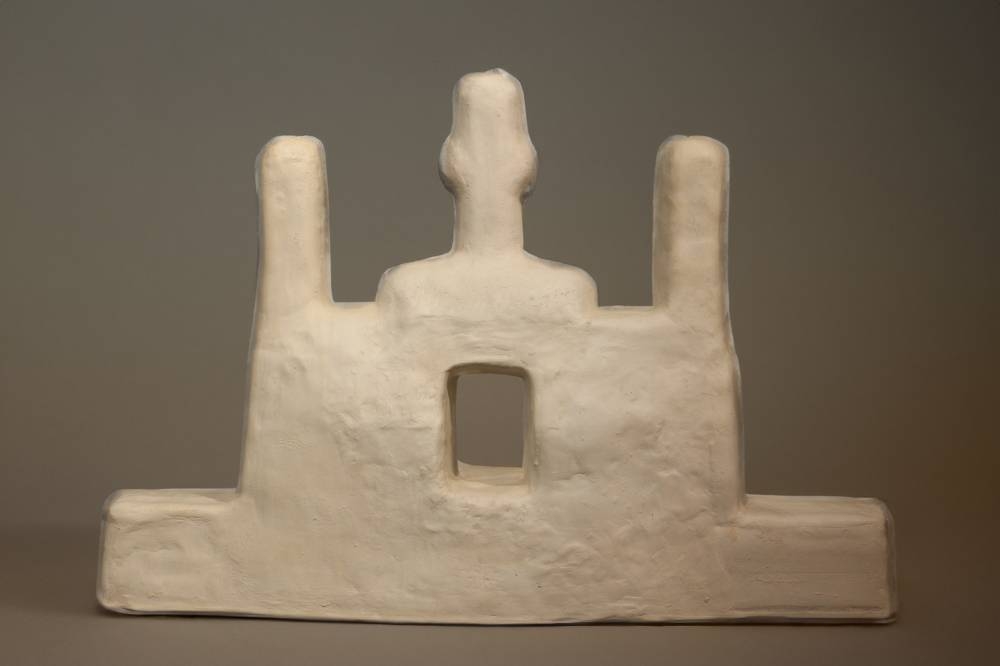
The “Muhyi Studio” atelier in Abha announced the organization of an art exhibition that brings together four experiences of male and female artists from the Asir region, next Tuesday evening, where the participants present different visual experiences, in cooperation with the curator, the poet Ashraf Fayyad. Participating in the exhibition is the artist Hussein Muhyi, who has previously participated in many exhibitions and art events and has a long history of institutional work to support the arts in the Asir region, the calligrapher Yazid Al Dayel, the artist Aisha Al Saleh, and the artist Mazoon Al Saleh, who are participating for the first time in the latest exhibition with a creative vision different from the prevailing one, and they present new and innovative works that reflect their personal and artistic vision, which gives the exhibition an exceptional visual dimension and richness.
The exhibition supervisor explained; Ashraf Fayyad explained that the exhibition addresses the transformation of art from functional to aesthetic, fostering a dialogue between the viewer and the artwork. It connects the viewer to their daily observations and visual memory through artistic scenes ranging from mixed-media installations and video art to Arabic calligraphy. These works disrupt the functions of everyday objects, transforming them into purely visual and aesthetic creations rooted in the depths of daily life. They depart from the prevailing stereotypical image of art in its traditional sense, raising various environmental, social, and cultural issues relevant to contemporary life. Fayyad added that the works embody the cultural identity of the participating artists, expressing their experiences within a contemporary framework that aligns with the changes of the modern age. They address social and cultural issues that represent this generation, reflecting its aspirations, hopes, and dreams. He considered this modern approach to art as transcending the traditional boundaries of art as a luxury, emphasizing the vital role of art in developing collective awareness and fostering rapprochement between different cultures. This approach, he noted, stems from the artists' personal experiences and expresses the unique cultural identity that each possesses. It is in the Kingdom, which is witnessing a golden age in all fields, including culture and the arts.
Meanwhile, the Executive Director of the Atelier, Hussein Mohi, revealed that he attracted the participants, as a result of what he sensed in them of passion and desire to present real and different art that expresses their aspirations and contemporary vision of their cultural and social issues, and to express the aspirations of a young generation that contributes to building an independent cultural identity in light of Vision 2030 concerned with culture and arts and enhancing its main role in building the human being and empowering the young generation and giving it a major role in shaping the features of transformations.


Culture and Art
Bushra recounts details of her harassment experience and behind-the-scenes stories from the film 678
Artist Bushra revealed that she was harassed three times, one of them by a producer and a journalist, stressing that these experiences inspired her to produce the film 678, which discussed the issue boldly and realistically.

In bold statements that brought renewed attention to one of the most serious societal issues, Egyptian artist Bushra revealed painful details about her personal experiences with harassment, stressing that this suffering was the main driving force behind her enthusiasm for producing and starring in the film “678”, which was produced in 2010 and caused a wide uproar at the time.
Details of the three harassment incidents
During her appearance on the "Secrets" program, which airs on Al-Nahar TV, Bushra bitterly recounted three instances of harassment she experienced at different ages. The story began in her childhood, specifically in elementary school, when she was harassed while riding a bus to a private lesson.
That wasn't the only incident in her childhood. Bushra recounted another that occurred while she was on her way to learn to play the piano. "I faced a terrifying situation in one of Cairo's streets," she said. "A man chased me and tried to catch me, but I managed to escape thanks to my speed." She described her escape by saying, "I slipped right through his legs.".
The third and most shocking incident occurred within her artistic work environment, where she revealed that she had been subjected to harassment attempts by some individuals in the industry, specifically a producer and a journalist. She described the seriousness of the situation, which once led her to take refuge in the bathroom and call a friend to rescue her from an attempted assault that nearly ended in disaster.
The film "678": Art confronts reality
Bushra emphasized that the film "678" was not merely a fleeting cinematic work, but rather a cry against societal silence regarding the issue of harassment. Written and directed by Mohamed Diab, the film is considered one of the first Egyptian cinematic works to address the phenomenon of sexual harassment directly and explicitly, portraying the suffering of women from different social classes.
Bushra revealed a strange incident that occurred during the filming of the movie, as the crew was subjected to actual harassment situations during the filming of scenes of gathering in the street, which prompted the intervention of the director, Mohamed Diab, personally to protect the actresses, in addition to using the police forces to control the situation, which proves the realism of the issue raised by the work.
The importance of work and its societal impact
Bushra's statement takes on particular significance given the historical context of the film "678." When it was released in 2010, discussing harassment was considered taboo in Egyptian society. The film played a major role in breaking the silence and encouraging women to report harassers, paving the way for societal and legal discussions that later led to stricter penalties for harassment in Egyptian law.
The film received widespread international acclaim and won awards at international festivals for its success in conveying a realistic picture of the suffering of Egyptian women, and for emphasizing the need to confront this phenomenon with awareness and firmness, a message that Bushra continues to emphasize to this day.
Culture and Art
Saba Mubarak: Hend Sabry is the best Arab actress in Egypt... and reveals the reasons
Saba Mubarak described Hend Sabri as the best Arab actress in Egypt during the program "The Ladder and the Snake," praising her artistic intelligence and career. Learn more about Saba's latest work, the series "220 Days.".

Saba Mubarak praised the exceptional artistic career of Tunisian star Hend Sabri , describing her as the best and most successful Arab actress in breaking into the Egyptian market and leaving an indelible mark on the public's conscience.
Certificate of appreciation in "Snakes and Ladders"
Saba Mubarak's remarks came during her guest appearance on the program "The Ladder and the Snake," where she emphasized that Hend Sabry's achievements in Egypt were not merely fleeting success, but rather the establishment of a unique artistic school. Saba stated, "Hend Sabry possesses an exceptionally rich experience and broad cultural background, and she has honed her talent by collaborating with leading directors in Egypt, enabling her to leave a clear and powerful mark on both Egyptian drama and cinema.".
Mubarak added, explaining the reasons for this excellence: “Hind’s success was not a coincidence, but rather the result of continuous effort and precise and intelligent artistic choices that contributed to establishing her position as one of the most important first-class stars in the Egyptian market,” considering that Hind Sabri’s experience is “the model that should be emulated” for any Arab artist who aspires to work and succeed in “the Hollywood of the East.”.
Hend Sabri: A journey of rise from Tunisia to the top of the Egyptian pyramid
Saba Mubarak's praise comes within a historical context that underscores Egypt's status as a nurturing ground for Arab talent. Hend Sabry, since her early days at the beginning of the new millennium, has been able to overcome the barrier of dialect and fully integrate into Egyptian society. Her bold journey began with renowned directors such as Inas El-Degheidy and Daoud Abdel Sayed, after which she seamlessly transitioned between serious cinema and comedy, eventually reaching television dramas that have become household names in Egypt.
Hend Sabri's success is a phenomenon worthy of study. She didn't simply rely on being a "beautiful face" from Tunisia; she boldly and realistically addressed deeply personal Egyptian social issues (such as spinsterhood and divorce), making the Egyptian public see her as "one of them." This complete integration is what Saba Mubarak pointed out as the true measure of success in the highly competitive Egyptian market.
Details of the series "220 Days"
On another note, regarding her latest artistic endeavors, Saba Mubarak continues to strengthen her presence in Egyptian drama through her new series, "220 Days ." The series is written by Mahmoud Zahran and directed by Karim El-Adl.
Saba Mubarak stars in this highly anticipated drama alongside Karim Fahmy, as well as a distinguished cast including Ali Tayeb, the veteran actress Hanan Suleiman, and the star Aida Riyad. Audiences eagerly await the series, which is expected to offer a unique social drama, adding to Saba Mubarak's impressive portfolio of successful projects in recent years.
Culture and Art
Disciplinary action against Helmy Abdel Baqi at the Musicians Syndicate postponed... Full details
The Musicians Syndicate has decided to postpone referring Helmy Abdel Baqi to the disciplinary board until March 10th. Learn about the behind-the-scenes details of the crisis, the truth about the dispute with Mustafa Kamel, and the artist's fate.

In a surprising turn of events within the Egyptian Musicians Syndicate, the syndicate decided to postpone referring artist Helmy Abdel-Baqi, the syndicate's first deputy, to the disciplinary board. The hearing was scheduled for today, Sunday, but the decision to postpone it until March 10th was issued just hours before the scheduled time, without any official statement explaining the reasons behind this sudden postponement.
Helmy Abdel Baqi's shock and the behind-the-scenes details of the crisis
Artist Helmy Abdel-Baqi expressed his profound astonishment at the decision to refer him to the disciplinary board, emphasizing in media statements that he had not been officially notified of this procedure and that he was unaware of the true motives behind it. Abdel-Baqi described what was happening as a systematic attempt to remove him from the union scene and from the board of directors, especially after his resounding success in the Musicians' Syndicate elections and his gaining the confidence of the general assembly.
During his appearance on a television program with journalist Tamer Abdel Moneim, Abdel Baqi categorically denied committing any violations that would warrant disciplinary action. He also addressed the rumors circulating about the existence of audio recordings attributed to him containing insults against the head of the syndicate, Mustafa Kamel, asserting that these allegations are completely baseless and unfounded, and are merely tools used in internal conflicts.
A history of union conflicts
This incident once again highlights the administrative instability that the Musicians Syndicate experiences from time to time. Historically, the syndicate has witnessed numerous internal conflicts and power struggles between council members and the syndicate president at various times, often impacting the syndicate's operations. The relationship between the president and council members is a cornerstone of the syndicate's stability, and any rift in this relationship negatively affects the services provided to musicians.
The importance and impact of the event
This crisis is particularly significant given Helmy Abdel-Baqi's stature as an artist with a long history and his position as the union's first deputy, making his referral for disciplinary action an unusual event in the artistic community. The music scene in Egypt and the Arab world is eagerly awaiting the outcome of the March 10th hearing, as the results of this investigation could reshape the union's administrative structure. Observers fear that these disputes could disrupt the interests of its members and undermine the union's fundamental role in protecting musicians' rights and promoting public taste.
-

 Local news two days ago
Jeddah Airport alerts for travelers due to airspace closure and flight disruptions
-
Local News 4 days ago
Saudi Arabia approves regulations for the continued presence of Gulf vehicles: duration and penalties
-
Local news one week ago
The Ministry of Interior begins procedures for a royal pardon for common law prisoners
-
Local News 6 days ago
The deadline for property registration in Hail and Riyadh is Thursday
-
Sports one week ago
Tickets for the Al-Ahli vs. Al-Hilal King's Cup match postponed: New date
-
Local News 6 days ago
Under the patronage of the Minister of Information, an agreement was signed between the Ministry of Information and Waves Marketing Company
-
Culture and Art 5 days ago
The Devil's Prisons series was halted: The full story of "The Emperor's" being moved to YouTube
-
Local news one week ago
Saleh Al-Maghamsi appointed Imam of the Prophet's Mosque: Details of the Royal Decree