Culture and Art
The Jeddah Book Fair highlights the role of Vision 2030 in developing the cultural movement in the Kingdom
As part of the Jeddah Book Fair 2024 activities, the Literature, Publishing and Translation Authority organized a seminar entitled “A Reading of the Cultural Status Report”,


As part of the Jeddah Book Fair 2024 activities, the Literature, Publishing and Translation Commission organized a seminar entitled “A Reading of the Cultural Status Report,” which presented a comprehensive vision of the development of the cultural movement in Saudi society in light of Saudi Vision 2030.
The cultural report presented at the symposium addressed how to monitor the cultural situation through surveys, polls, and data analysis in order to understand the current situation and identify the opportunities and challenges facing the cultural sector, thus contributing to its empowerment and development.
In his speech, Dr. Ali Zaaleh pointed out that such strategic practices did not exist before 2019, when the first report on the state of culture was published, based on a survey of achievements in cultural creativity and participation in national and civil institutions.
He emphasized that the second report issued after the Corona pandemic was entitled “Digitalization of Culture,” where modern technologies and electronic communities helped to compensate for the absence of direct cultural presence.
The third report highlighted culture in the public sphere, while the final report addressed the importance of sustainability in the cultural sector, which is one of the fundamental concepts in cultural industries.
The report comprised six main chapters, including "Management and Preservation," which focused on preserving cultural and natural heritage; "Creativity and Cultural Production"; "Knowledge and Skills"; "Cultural Engagement"; "The Creative Economy"; and the final chapter, "Cultural Sustainability." The report also noted the significant growth in cultural production, including a substantial increase in the number of films produced in Saudi Arabia, which rose by 127% compared to the previous year.
For his part, Abdullah Al-Fares addressed the topic of cultural tourism, a relatively new term that has become an important component of tourism trends. He explained that cultural tourism encompasses trips aimed at learning, exploration, or experiencing the cultural customs and traditions of different regions. He also noted that the report showed that 50% of inbound trips to Saudi Arabia in 2023 were for cultural tourism, reflecting the role of festivals and cultural events in attracting tourists and highlighting the importance of promoting cultural tourism within the framework of Saudi Vision 2030.


Culture and Art
Ramez Level the Monster promo: Prank details and list of victims this Ramadan
Turki Al-Sheikh released the official promo for Ramez Level the Monster. Learn about the show's concept, inspired by the squid game, the list of victims, and details of Caroline Azmy's injury.
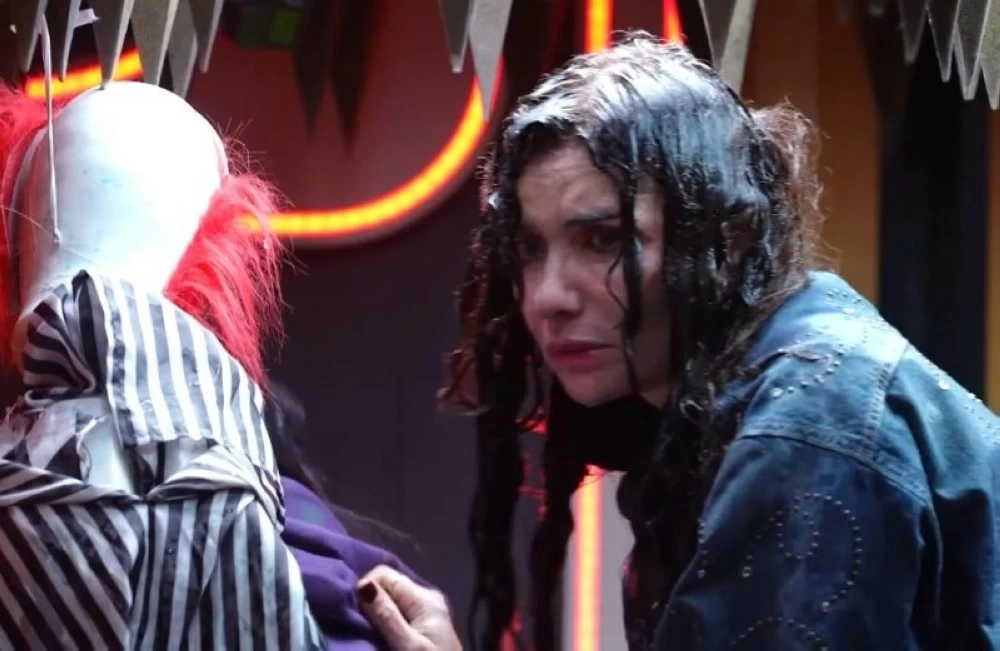
In a move that has ignited excitement among Arab audiences as the Ramadan season approaches, Turki Al-Sheikh, Chairman of the General Entertainment Authority in Saudi Arabia, released the official trailer for the highly anticipated prank show "Ramez Level the Monster," hosted by Egyptian star Ramez Galal. This announcement reaffirms the ongoing fruitful collaboration between the Authority and entertainment industry professionals to deliver world-class content.
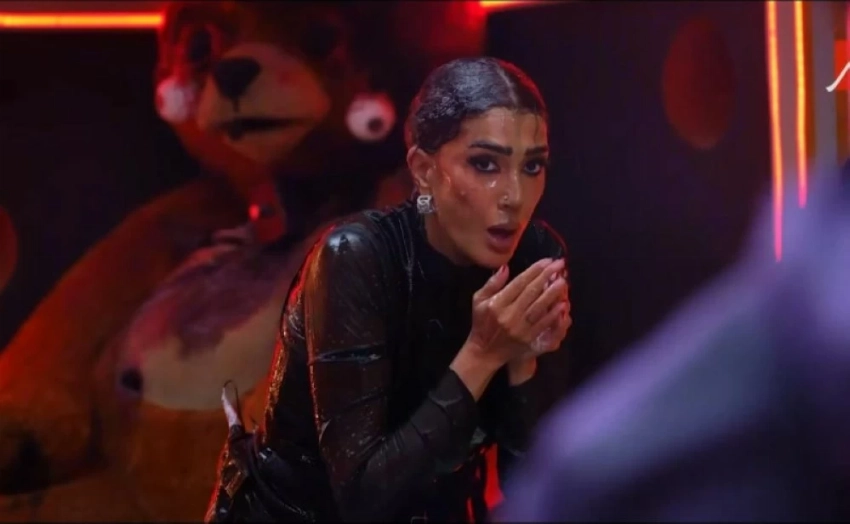
Program concept: The atmosphere of "The Squid Game" prevails
The teaser trailer revealed the main concept of this year's program, which appears to depart from traditional formats and delve into the world of complex psychological thrillers. The program draws inspiration from the internationally acclaimed Korean drama "Squid Game," with events unfolding in a secluded and mysterious setting.
In the promo, Ramez Galal appears disguised in an outfit similar to that of the players or goalkeepers in the series, using frightening sound and visual effects to heighten the tension for the guests. The plot revolves around subjecting the victims to a series of difficult challenges and unexpected surprises, which gradually escalate before Ramez reveals himself at the crucial moment, generating hysterical reactions that combine shock and terror.
A history of controversy and popular success
The "Ramez Level Monster" program comes as a continuation of star Ramez Galal's long career in the world of prank shows, which have become an annual tradition and an integral part of Ramadan television in the Arab world. For over a decade, these programs have achieved record-breaking viewership, topping search engine results and social media platforms as soon as their episodes air.
The support provided by the General Entertainment Authority reflects the extent of interest in providing a high-quality entertainment product, as Ramez's programs have evolved from simple street pranks to huge productions that rely on cinematic techniques and complex filming locations, which enhances Riyadh's position as a supportive destination for the Arab entertainment industry.
List of victims: Art and sports stars caught in the trap
The official promo revealed that a large number of A-list celebrities have fallen victim to Ramez's pranks this year, promising some explosive episodes. The list includes prominent names from the worlds of art and sports, most notably action star Ahmed El Sakka, known for his powerful reactions, as well as football stars like Egyptian national team player Zizo.
The list also included appearances by widely popular artists such as Ghada Abdel Razek, Ghada Adel, Asmaa Galal, and singer Diab, in addition to comedy and festival stars like Shaimaa Seif, Mustafa Gharib, and Hamo Beka. Veteran actress Samah Anwar, young actress Rahma Mohsen, and Caroline Azmy were also present, ensuring a wide range of reactions, from screaming and crying to violent resistance.
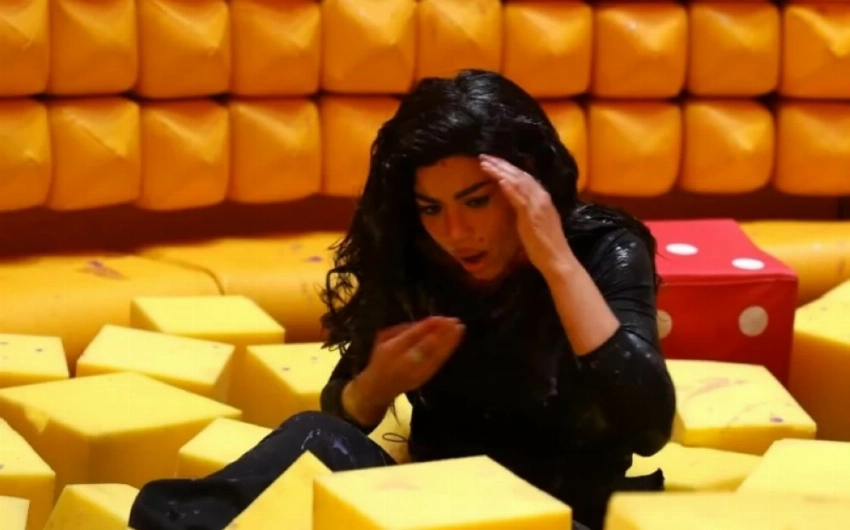
Dangerous behind-the-scenes details: Caroline Azmy injured
The filming of the program was not without its real dangers, highlighting the difficulty of the challenges this season. Reports revealed that the young artist, Caroline Azmy, sustained various injuries while filming her episode, resulting from a scuffle or fall during the prank. She was immediately taken to a hospital for necessary medical examinations and to ensure her well-being. This adds an air of seriousness and risk to this year's edition and increases the audience's curiosity to see what the stars faced behind the scenes.
Culture and Art
Mohamed Mounir sings the theme song for Rogina's Ramadan series "Had Aqsa"
King Mohamed Mounir returns to Ramadan drama with the theme song for the series "Had Aqsa" starring Rogina. Learn more about the song "Ta'ab," the series' plot, and its cast in the highly anticipated Ramadan season.

In a major artistic surprise that is set to ignite early competition in the upcoming Ramadan season, "The King" Mohamed Mounir has decided to return to the world of television drama theme songs, performing the opening theme for the series "Hadd Aqsa" (Maximum Limit), starring the renowned actress Rogina. This move adds significant artistic weight to the production, given Mounir's immense popularity and the enduring connection his voice has forged with timeless dramas in the hearts of Egyptian and Arab audiences.
Details of the song "Taab" and the return of the King
The new song, titled "Ta'ab" (Tiredness), has already been recorded by Mohamed Mounir and is ready for release at the start of Ramadan. The lyrics are by Ahmed Shabaka, and the music is composed and arranged by Ahmed Hamdi Raouf. It is produced by Rotana Music Group. This collaboration marks Mounir's strong return to the world of theme songs, a field in which he has always excelled, delivering memorable tracks that continue to resonate with audiences. This raises expectations for the success of both the song and the television series.
The artistic context and the importance of the event
Mohamed Mounir singing the theme song for any drama series is an artistic event in itself, not just a conventional addition. Historically, Mounir's voice has been associated with dramas that have become part of Egyptian cultural identity, and his participation in "Had Maqsa" (Maximum Limit) indicates the quality of the work and the attention to detail of its creators. This participation also reinforces Rogina's strong presence in recent Ramadan seasons, where she consistently tackles sensitive and controversial social issues.
The cast and crew of the TV series "Limit"
The series boasts a stellar cast alongside Rogina, including Mohamed El-Qass, who has recently achieved notable success, Khaled Kamal, Basant Abu Basha, Fadwa Abed, veteran actress Nashwa Mustafa, Bassam Ragab, Amir Abdel Wahed, Mariam Ashraf Zaki, and Mustafa Emad. The script is by Hisham Helal, and the series is directed by the promising young director Maya Ashraf Zaki in her highly anticipated directorial debut.
Series synopsis: Conflicts over money and influence
The series "Limit" unfolds as a social thriller, shedding light on the inner workings of the world of money laundering and financial corruption. The story centers on Rogina, who finds herself in a major predicament after mistakenly receiving a large sum of money while simultaneously taking out a massive bank loan. The plot thickens, revealing the social and psychological pressures faced by the protagonist and her husband, amidst conflicts stemming from betrayal of trust and disastrous, life-altering decisions, promising viewers a compelling dramatic experience.
Culture and Art
Hussein Fahmy settles the Palme d'Or controversy and Algeria: My remarks were spontaneous
Hussein Fahmy issues a statement clarifying the truth about his remarks regarding the Palme d'Or, denying any offense to Algeria and affirming his respect for the history of Algerian cinema and its global achievements.
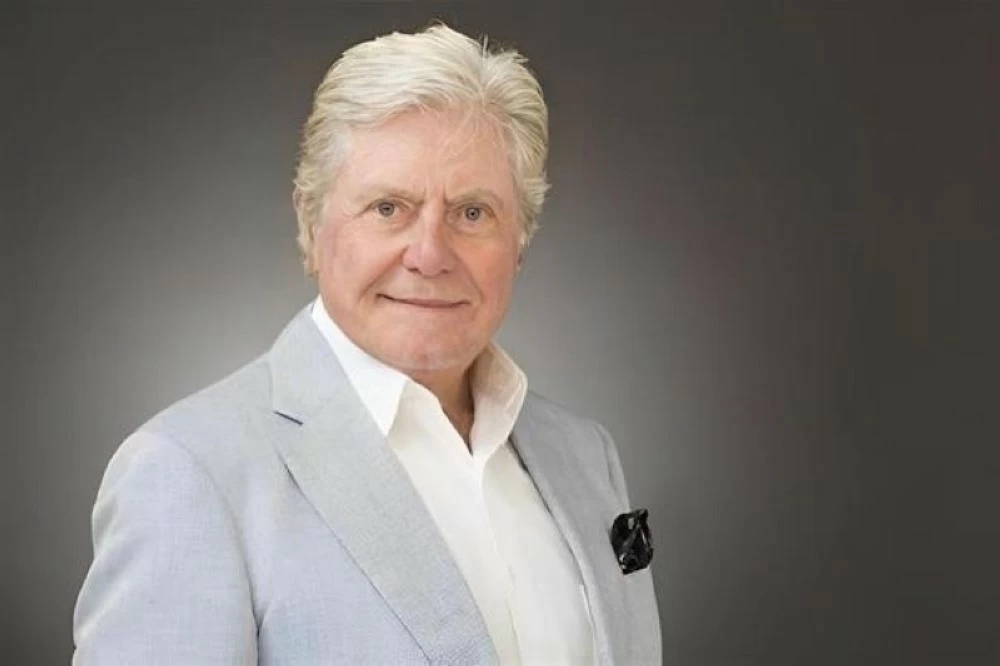
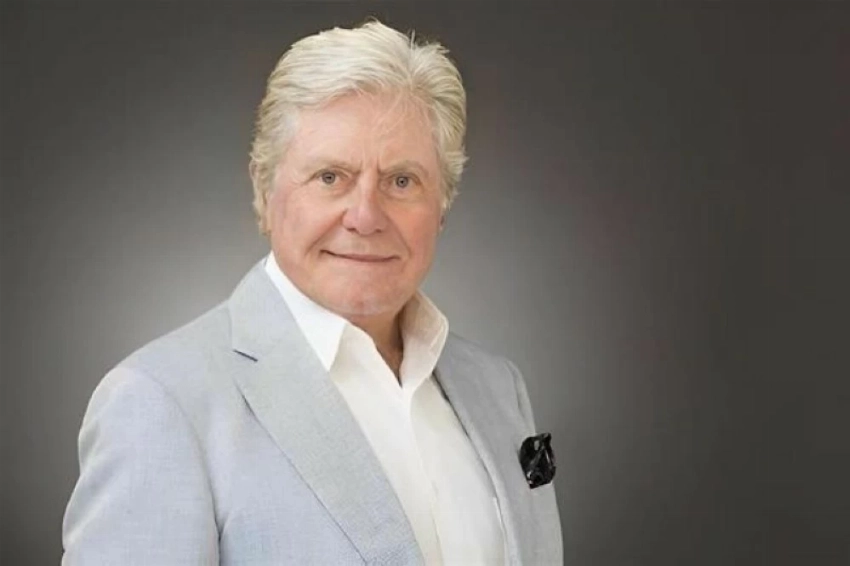
The renowned Egyptian actor Hussein Fahmy, president of the Cairo International Film Festival, has put an end to the widespread controversy that arose in recent days across social media and news outlets regarding his remarks about the Palme d'Or award and international film festivals. In a firm official statement, Fahmy asserted that his comments had been taken out of context, emphasizing that they were part of a general theoretical discussion about the inner workings of international judging panels.
Context of the conversation and denial of offense
Fahmy clarified that his remarks came during a casual conversation about how the decisions of judging panels at major festivals are sometimes influenced by political factors and the prevailing atmosphere at the time of the festival. He emphasized that he had absolutely no intention of questioning the merit of any country or artwork in receiving awards. He explained that his use of certain examples was spontaneous and involved an unintentional overlap between events, names, and political positions. He categorically denied any intention to offend or diminish the value of leading Arab artistic works that have won international awards.
Historical background and importance of Algerian cinema
This clarification comes at a time when the Arab public, and the Algerian public in particular, holds a deep sensitivity and affection for their rich cinematic history. It is well-known that Algerian cinema boasts a golden record on the international stage, with the Palme d'Or win at the 1975 Cannes Film Festival for "Chronicle of the Years of Embers" by director Mohammed Lakhdar-Hamina being a pivotal event in the history of Arab and African cinema, as it remains the only Arab film to have received this prestigious award. Therefore, any discussion of these achievements is met with great interest and scrutiny from both critics and the public.
A message of love and appreciation to the Algerian people
In a related context, the Egyptian artist reiterated his deep respect and sincere love for Algeria, its leadership, people, and art. Fahmy stated that the achievements and international successes of Algerian cinema remain a source of pride for every Arab citizen, and that its place is always cherished and appreciated in the hearts of Egyptians and all Arabs.
Art as a bridge for communication between peoples
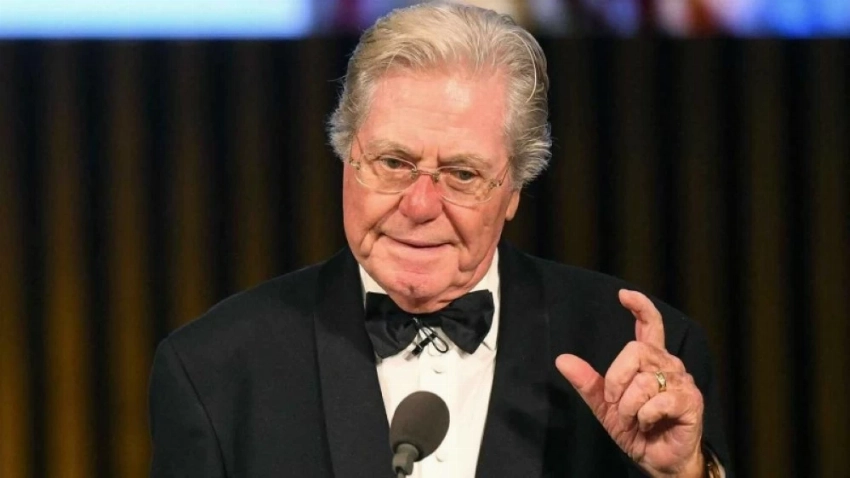
The president of the Cairo International Film Festival concluded his statement by emphasizing the pivotal role of art in bringing people together, noting that cinema remains a universal language that unites rather than divides, and strengthens the bonds of brotherhood among Arabs. He expressed his gratitude to his large Algerian audience, appreciating their understanding of the spontaneous nature of his remarks, and affirming that the artistic relations between Egypt and Algeria will remain a model of fruitful cooperation and shared creativity that transcends any passing misunderstanding.
-

 Culture and Art 6 days ago
The "Between and Between" exhibition in Jeddah: 5 artists reshape Saudi memory
-
Local News 4 days ago
Saudi Arabia's National Arabic Language Policy: 8 Principles to Promote Identity
-
Culture and Art, 1 week ago
Shakira's concert in Jeddah: Details of the international star's first concert in Saudi Arabia
-
Local News 3 days ago
Adopting the National Policy for the Arabic Language: Strengthening Identity and Vision 2030
-
Culture and Art, 1 week ago
The truth about Nancy Ajram's video and Epstein Island, and her legal response
-
Local News 4 days ago
The Riyadh-Rin-Bisha dual carriageway, spanning 559 km, has been completed
-
Local news one week ago
Launch of the new Dammam project with investments of 98 billion riyals
-
Local news two days ago
The Supreme Court calls for the sighting of the crescent moon of Ramadan 1447 on Tuesday evening