Culture and Art
Uncle Saleh's pipe
On the edge of a coastal plain, in a small village surrounded by ancient trees, lived Uncle Saleh in a wooden hut in the center of the village. He was known for his love


On the edge of a coastal plain, in a small village surrounded by ancient trees, lived (Uncle Saleh), in a wooden hut in the middle of the village.
He was known for his love of meditation, as well as for his hand-carved wooden pipe, which he inherited from his grandfather, a famous sailor in the seafaring community.
Every night, Uncle Saleh would sit on his wooden chair in front of his hut, light his pipe, and slowly exhale smoke, reminiscing about the past, as if the pipe were telling him stories about the sea winds (Al-Mihal), the flood, and its difficult and dark waves.
One winter night, the wind was howling and piercing the planks of his wooden hut when he heard a shy knock on his door. It was a small child named (Saeed), who had lost his way back to his home.
Uncle Saleh opened the door and welcomed the child, sat him down near the heater, and then said: “Don’t worry, my son, you will be warm here and I will take you home when the winds calm down.”.
Uncle Saleh lit his pipe and sat next to the child, then said with a smile:
"Do you know, my son, that this pipe is not just a piece of wood that breathes smoke? It is a winter companion. When I sit alone in this cold, its glow gives me a warmth that brings back many memories.".
Then the uncle began to tell Saeed a story about his grandfather who carved this pipe during a long sea voyage, and how the pipe kept him steadfast in the face of the sea waves and cold nights while he was far from his family and homeland.
The uncle said: “This smoke, Saeed, despite its simplicity, always reminds me that the journey of life is full of hardships and troubles that quickly fade away like smoke, but they keep the warmth, just as experiences keep their benefits. The important thing is to find something that keeps us connected to what we love.”.
Saeed felt warmth seep into his body and excitement fill his heart, not only from the heater, but also from Uncle Saleh's kind words and affectionate conversation. He spent the night safely in the hut, and when the winds died down, Uncle Saleh drove him home.
After that night, whenever Saeed felt cold or lonely, he would remember the warmth of Uncle Saleh's pipe and his stories of travels and memories. The pipe became a symbol of warmth, comfort, and the friendship that blossoms even in the darkest of times between people of different ages.


Culture and Art
Mohamed Mounir sings the theme song for Rogina's Ramadan series "Had Aqsa"
King Mohamed Mounir returns to Ramadan drama with the theme song for the series "Had Aqsa" starring Rogina. Learn more about the song "Ta'ab," the series' plot, and its cast in the highly anticipated Ramadan season.

In a major artistic surprise that is set to ignite early competition in the upcoming Ramadan season, "The King" Mohamed Mounir has decided to return to the world of television drama theme songs, performing the opening theme for the series "Hadd Aqsa" (Maximum Limit), starring the renowned actress Rogina. This move adds significant artistic weight to the production, given Mounir's immense popularity and the enduring connection his voice has forged with timeless dramas in the hearts of Egyptian and Arab audiences.
Details of the song "Taab" and the return of the King
The new song, titled "Ta'ab" (Tiredness), has already been recorded by Mohamed Mounir and is ready for release at the start of Ramadan. The lyrics are by Ahmed Shabaka, and the music is composed and arranged by Ahmed Hamdi Raouf. It is produced by Rotana Music Group. This collaboration marks Mounir's strong return to the world of theme songs, a field in which he has always excelled, delivering memorable tracks that continue to resonate with audiences. This raises expectations for the success of both the song and the television series.
The artistic context and the importance of the event
Mohamed Mounir singing the theme song for any drama series is an artistic event in itself, not just a conventional addition. Historically, Mounir's voice has been associated with dramas that have become part of Egyptian cultural identity, and his participation in "Had Maqsa" (Maximum Limit) indicates the quality of the work and the attention to detail of its creators. This participation also reinforces Rogina's strong presence in recent Ramadan seasons, where she consistently tackles sensitive and controversial social issues.
The cast and crew of the TV series "Limit"
The series boasts a stellar cast alongside Rogina, including Mohamed El-Qass, who has recently achieved notable success, Khaled Kamal, Basant Abu Basha, Fadwa Abed, veteran actress Nashwa Mustafa, Bassam Ragab, Amir Abdel Wahed, Mariam Ashraf Zaki, and Mustafa Emad. The script is by Hisham Helal, and the series is directed by the promising young director Maya Ashraf Zaki in her highly anticipated directorial debut.
Series synopsis: Conflicts over money and influence
The series "Limit" unfolds as a social thriller, shedding light on the inner workings of the world of money laundering and financial corruption. The story centers on Rogina, who finds herself in a major predicament after mistakenly receiving a large sum of money while simultaneously taking out a massive bank loan. The plot thickens, revealing the social and psychological pressures faced by the protagonist and her husband, amidst conflicts stemming from betrayal of trust and disastrous, life-altering decisions, promising viewers a compelling dramatic experience.
Culture and Art
Hussein Fahmy settles the Palme d'Or controversy and Algeria: My remarks were spontaneous
Hussein Fahmy issues a statement clarifying the truth about his remarks regarding the Palme d'Or, denying any offense to Algeria and affirming his respect for the history of Algerian cinema and its global achievements.
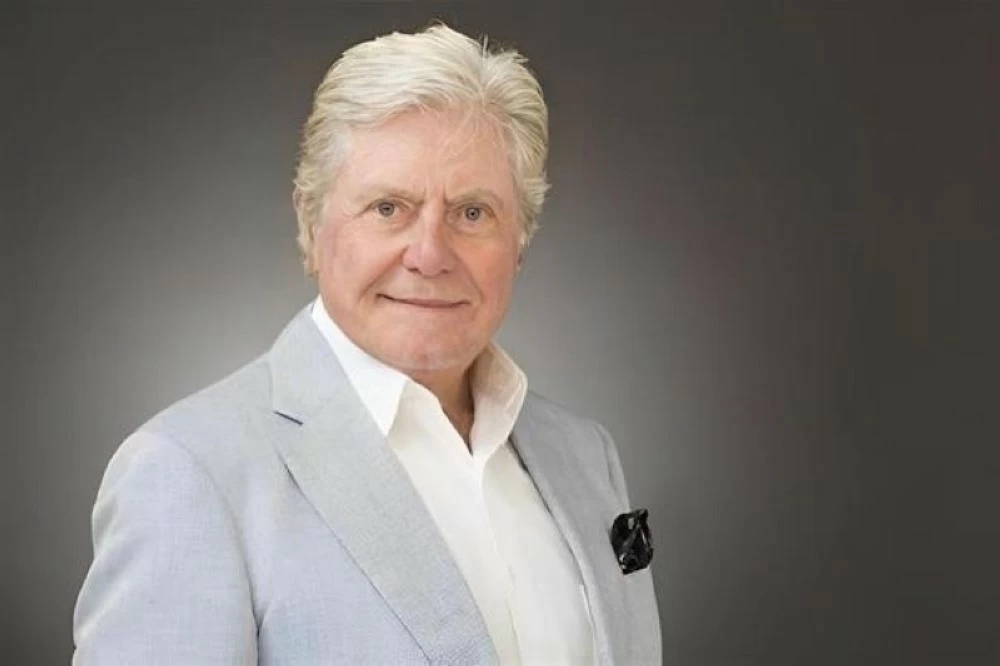
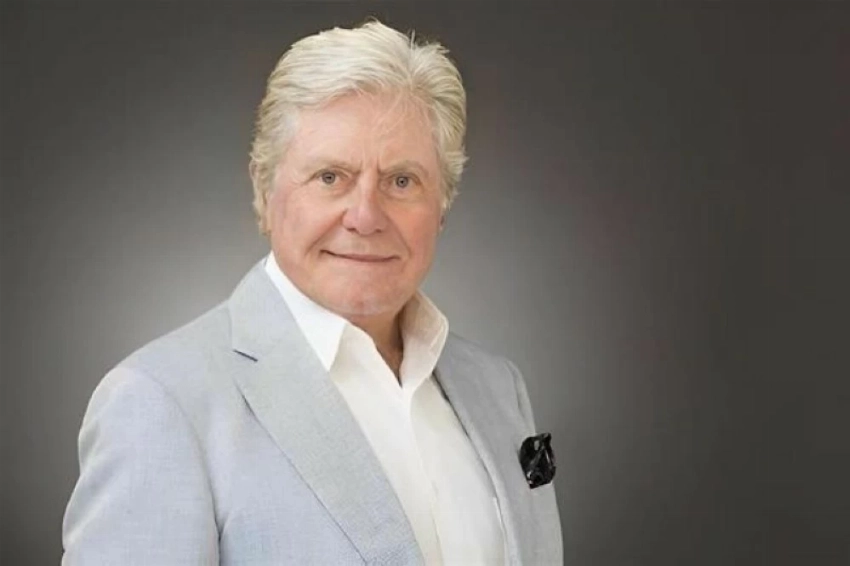
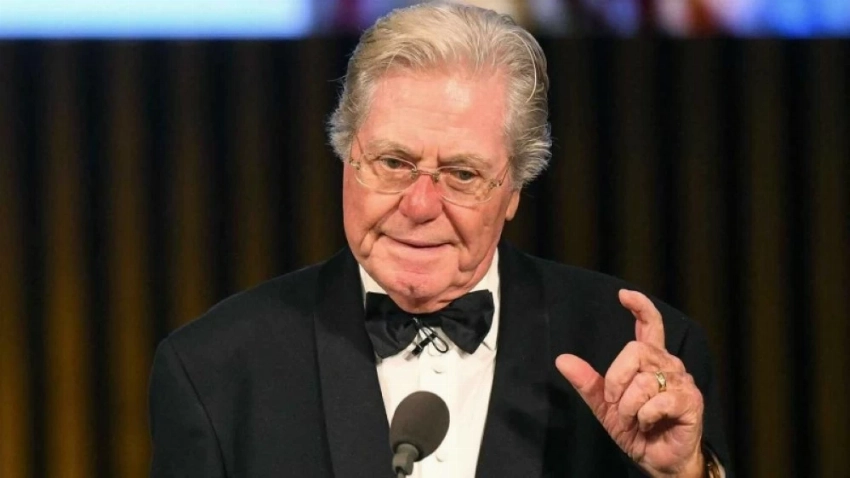
The renowned Egyptian actor Hussein Fahmy, president of the Cairo International Film Festival, has put an end to the widespread controversy that arose in recent days across social media and news outlets regarding his remarks about the Palme d'Or award and international film festivals. In a firm official statement, Fahmy asserted that his comments had been taken out of context, emphasizing that they were part of a general theoretical discussion about the inner workings of international judging panels.
Context of the conversation and denial of offense
Fahmy clarified that his remarks came during a casual conversation about how the decisions of judging panels at major festivals are sometimes influenced by political factors and the prevailing atmosphere at the time of the festival. He emphasized that he had absolutely no intention of questioning the merit of any country or artwork in receiving awards. He explained that his use of certain examples was spontaneous and involved an unintentional overlap between events, names, and political positions. He categorically denied any intention to offend or diminish the value of leading Arab artistic works that have won international awards.
Historical background and importance of Algerian cinema
This clarification comes at a time when the Arab public, and the Algerian public in particular, holds a deep sensitivity and affection for their rich cinematic history. It is well-known that Algerian cinema boasts a golden record on the international stage, with the Palme d'Or win at the 1975 Cannes Film Festival for "Chronicle of the Years of Embers" by director Mohammed Lakhdar-Hamina being a pivotal event in the history of Arab and African cinema, as it remains the only Arab film to have received this prestigious award. Therefore, any discussion of these achievements is met with great interest and scrutiny from both critics and the public.
A message of love and appreciation to the Algerian people
In a related context, the Egyptian artist reiterated his deep respect and sincere love for Algeria, its leadership, people, and art. Fahmy stated that the achievements and international successes of Algerian cinema remain a source of pride for every Arab citizen, and that its place is always cherished and appreciated in the hearts of Egyptians and all Arabs.
Art as a bridge for communication between peoples
The president of the Cairo International Film Festival concluded his statement by emphasizing the pivotal role of art in bringing people together, noting that cinema remains a universal language that unites rather than divides, and strengthens the bonds of brotherhood among Arabs. He expressed his gratitude to his large Algerian audience, appreciating their understanding of the spontaneous nature of his remarks, and affirming that the artistic relations between Egypt and Algeria will remain a model of fruitful cooperation and shared creativity that transcends any passing misunderstanding.
Culture and Art
Mai Kassab in Ramadan 2026: Details of the series "Noon Al-Neswa" and her new role
Learn about the details of Mai Kassab’s character in the series “Noon Al Neswa” for Ramadan 2026, the story of her rise from assistant to star, and the behind-the-scenes of her musical collaboration with Aziz El Shafei.
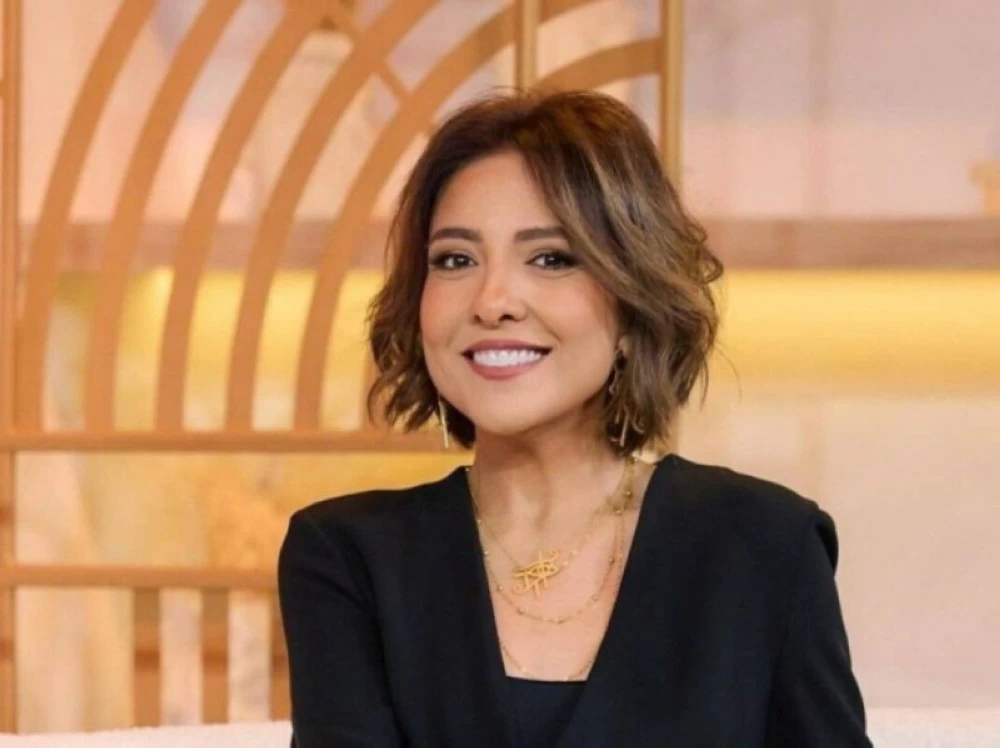
Egyptian artist Mai Kassab to enter the Ramadan 2026 season with a new and different dramatic experience through the series “Noon Al-Niswa” , a social work with a humanistic character consisting of 15 episodes, reflecting the modern trend in Egyptian drama towards short and intensive series.
Personal details of "Sharifa" and her journey to success
In the series, Mai Kassab portrays Sharifa, an ambitious young woman who begins her career behind the scenes of the celebrity world as an assistant to a major star, played by Simone . The plot thickens dramatically when Sharifa is given a golden opportunity to appear on screen after one of the leading ladies unexpectedly withdraws from the project. This sets her on her own journey in the world of art, amidst a series of challenges and human conflicts that reveal the secrets of this industry.
A return to musical roots with Aziz El Shafei
What distinguishes the "Nun Al-Niswa" experience is Mai Kassab's investment in her original talent as a singer. In press statements, she expressed her great enthusiasm for combining drama and singing in this work. Mai collaborated with the renowned composer Aziz El-Shafei to present a collection of songs accompanying the series, a move aimed at delivering a complete artistic experience that blends acting and vocal performance—an artistic style in which Mai Kassab has excelled since the beginning of her career.
The phenomenon of 15-episode series in Ramadan
The series "Noon Al-Niswa" reinforces the presence of 15-episode series during Ramadan seasons, a phenomenon that has become increasingly prevalent in recent years in Egyptian and Arab drama. This dramatic format allows for a faster pace of events and avoids drawn-out storylines, attracting a wide audience that prefers focused and concise narratives. This is what the creators are banking on to ensure the series' success amidst fierce competition.
The Stars Battalion and the Makers
The series boasts a stellar cast whose performances enrich the production. Alongside Mai Kassab and Simone, the cast includes Heba Magdi , the brilliant Ahmed Fahim , the comedian Mahmoud El-Leithy , Nada Moussa , and Ahmed El-Rafei . Produced by Sabah Ikhwan, one of the leading production companies in the Arab world, and written by Mohamed El-Henawy and directed by Ibrahim Fakhr, the series raises expectations for its artistic and directorial quality.
Expected impact and competition
The series "Nun Al-Niswa" is expected to make a significant impact on the 2026 Ramadan drama season, particularly as it addresses women's issues within a humanistic and social framework—a genre of drama that enjoys considerable popularity among Arab families. Furthermore, the combination of tragedy, a story of rising success, and musical elements lends the work diverse entertainment and artistic dimensions, potentially making it one of the most prominent contenders for viewership ratings.
-

 Culture and Art 6 days ago
The "Between and Between" exhibition in Jeddah: 5 artists reshape Saudi memory
-
Local News 4 days ago
Saudi Arabia's National Arabic Language Policy: 8 Principles to Promote Identity
-
Culture and Art, 1 week ago
Shakira's concert in Jeddah: Details of the international star's first concert in Saudi Arabia
-
Local News 3 days ago
Adopting the National Policy for the Arabic Language: Strengthening Identity and Vision 2030
-
Culture and Art, 1 week ago
The truth about Nancy Ajram's video and Epstein Island, and her legal response
-
Local News 4 days ago
The Riyadh-Rin-Bisha dual carriageway, spanning 559 km, has been completed
-
Local news one week ago
Launch of the new Dammam project with investments of 98 billion riyals
-
Culture and Art, 1 week ago
The truth about Wael Awni's conversion to Islam... The artist responds sarcastically to the rumors