Culture and Art
عبدالله حبيب: الكاتب إنسان معطوب
أعترفُ أن الشخصيات الأكثر فنيّة يصعب القبض عليها في حوار واحد، ويتعذّر الإلمام بجوانب الشخصية في سانحة فريدة،

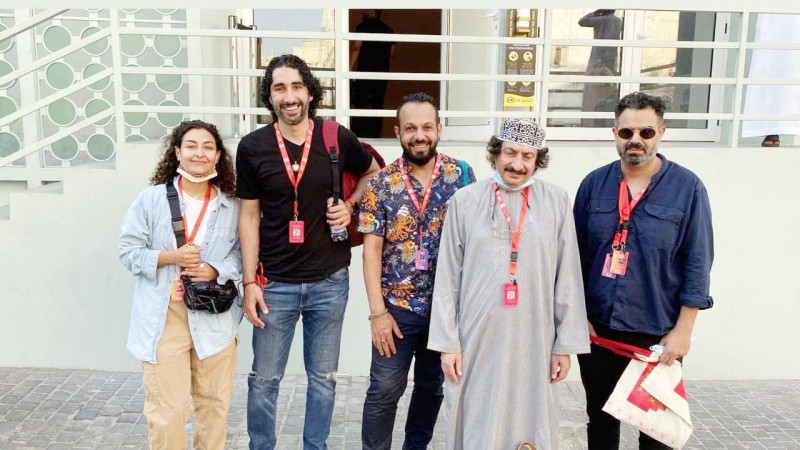
أعترفُ أن الشخصيات الأكثر فنيّة يصعب القبض عليها في حوار واحد، ويتعذّر الإلمام بجوانب الشخصية في سانحة فريدة، وأُشبّه الشاعر الأديب السينمائي العماني عبدالله حبيب بالبحر، صفاء للماء، وعمقاً، وغموضاً، ورهبة، وكرماً ومتاعب، ومكتنز أسرار عشاقه وضحاياه، يكتب كمن سلّمته القواميس نفسها، فلا يُكرر نفسه، وينفذ برهافة سهم الكلمات لشغاف القلب، فكأنه أنت أو كأنك هو، حاول فتح سماوات واسعة بمفاتيح ضئيلة، وتجاوز الرحيل بالفراغ الأبيض الذي سيَلِي، وأشعل للأحبة قنديلاً، وأبعده عن عين الشمس؛ هنا نص حوار بدأ ويستمر:
• وأنا أقرأ إصداراتك، شعرتُ بأنك تُلقي شيئاً من حِملك على القارئ؟
•• أرجو أن تسمح لي بما أمكن من الهدوء في هذا الموضوع ما دامت الثنائية العويصة: الكاتب/ القارئ شغلت الحداثة العربية منذ بواكيرها، بل وربما قبل ذلك. القارئ بحد ذاته، ومن حيث إنه مؤسسة، ليس المقصود الأول ببوصلة الكتابة في ما يخصني، وعلينا تحطيم ما تبقى من الأصنام. الكُتَّاب الذين وضعوا القارئ نصب أعينهم قبل أفئدتهم خسروا ثلاثة على الأقل: أنفسهم، والكتابة، والأسوأ من ذلك أنهم خسروا القارئ نفسه، وذلك أن هناك حالات يكون فيها القارئ قادراً على التطور أكثر من الكاتب.
بالنسبة لي، الكتابة حوار جارح مع الذات، وانتحاب سريٌّ خاص جداً في أقصي العتمات، وتجذيرٌ لمأزق الكينونة. أشبِّه الكتابة بما قاله رامبو في سياق مختلف قليلاً: «أن تزرع دمامل وبثوراً على وجهك وتربِّيها». والحقيقة هي أن الناس «الأسوياء» (بالمعنى الأفقي للكلمة) ليسوا بحاجة إلى الكتابة ولا إلى القراءة، وينبغي احترامهم بشرط أن يكفُّوا عن منافسة المعذَّبين في عذاباتهم؛ لأن هذا للأسف حاصل الآن، فهم يحاولون الاستيلاء حتى على فجائعنا. والقارئ الذي يأتي إلى الكتابة وفقاً لشروطه (فقط) فإنه يقترف جريمة أنه لا يضيف شيئاً إلى نفسه عبر إعادة إنتاج النص من خلال ذاكرته ورؤاه. هذا قارئ لا ترحب به الكتابة كثيراً.
• إلى أي حدّ تتقاطع مع قارئك ويتقاطع معك؟
•• ستكون إجابتي هنا إيضاحاً إضافياً لما قصدته في ردي عن سؤالك السابق، إذ إن ما أخشاه هو الاتهام بالاستخفاف بالقارئ والتعالي عليه؛ فالقارئ الحقُّ شريك كامل إذا كان مستعداً لأن يكون نوعيَّاً. الكاتب إنسان معطوب في الأساس، وإذا كان القارئ ينعم بالخير والصحة فلا داعي لتعكير صفو حياته الهانئة.
قبل أكثر من سنة تسلمت عبر البريد الإليكتروني رسالة مطولة من قارئة لا أعرفها (وهي، في أية حال، لم ترَ أن ذكر اسمها ضروري في ما يخص علاقتها بنصِّي بوصفها قارئة). وحين أردت أن أبعث رسالة شكر رداً على رسالتها لم أتمكن فالرسالة لا يمكن الرد عليها إما لأنها أرسلت من عنوان يبعث ولا يستقبل، أو لأن بريدها كان مليئاً لا يتسع لمزيد من الرسائل الواردة. راق لي الأمر إذ فكرت في أن علينا الاكتفاء بهذا الحد، ولن يكون شكري لها إلا بادرة بروتوكولية لا داعي لها. تتركز رسالة تلك القارئة حول ردة فعلها وتداعياتها في إثر قراءتها لكتابي «صخرة عند المصب: مقاطع من رسائل حب» الذي يوجد عنواني الإليكتروني في نهايته ككل كتبي. وسأقتبس من تلك الرسالة بعض المقاطع للبرهنة على إمكانية وجود علاقة عميقة بين القارئ والنص: «لماذا أَشعرُ أنّه ينبغي عليّ البُكاء أثناء كتابةِ هذهِ الرسالة، تحديدًا بعدَ الانتهاء من قراءة «صخرة عندَ المصب». أشعرُ أنّ فائِضًا من قلبي ينهال، أنّ كثيرًا منّي يُعاد، أنّي انتبهتُ إلى قلبي بعدَ عامينِ ونِصف، أو بعدَ ثلاثةٍ وعشرينَ عامًا لم انتبِه فيها إلى أنّ الحبّ أخذَ شكلي […]. لكنّي حين أدركتُ كتابكَ منذ يومين، أرسلت له مقاطع منه لتُخرسنا الدّهشة إلى أن يقول واحدنا: «شقد يشبهنا! عبدالله حبيب قاعد يكتب عنّا!» تحدّثنا عنكَ مرّات كثيرة قبلًا، كنّا نمضي في قراءة نصوصك أو أخبارك كما نمضي في قراءة أيّ شاعرٍ أو كاتبٍ آخر. هذه المرّة كنّا في صدمة الحبّ، كيف يمكن لعبدالله حبيب أن يعرف عنّا بهذا الشكل بل كيف أمكنه أن يحبّ امرأة بهذا الشّكل ويكتب عن الحب بطريقةٍ تغرقنا! أشعر أن عليّ أن أبكي -رغم أنّي لا أستطيع البكاء إلّا عند الكوارث الإنسانيّة- ينبغي عليّ ذلكَ الآن لأنّ قلبي استيقظ أو ربّما عاد ليرتَجِف. منذ زمنٍ طويل وأنا أردد -بلغتي- إلى الرجل الذي أحبّه: «أرى أنّ عليّ الاعتراف أنّي شخصٌ شقيّ، ومُعذَّب، وبائِس لا يستطيع أن يقيم علاقة طبيعية جدًا مع أيّ أحد»[هذا اقتباس من «صخرة عند المصب»]. استمرّ في قولِ هذا، استمرّ في توكيدِ أنّي لست شخصًا طبيعيًا قادرًا على المحبّة الدائِمة […]. وفي [المقطع رقم] (31) [من الكتاب] أيضًا كنت تقول إنك لا تستطيع أن تفهم لماذا تحبك امرأة مثلها! إنّ هذا الأمر يقتل قلبي أو يقتل قلبه تحديدًا حين أسأله لماذا تحبني؟ لماذا تمكّن رجل مثله أن يحبني أو أن يستمر في فعل ذلك! إنّ ذلك يبدو نوعًا من الشك، أو عدم التصديق، أو تجاوزًا للمعقولِ المحدود داخلي! لا يهمّ. إنّ المسافَة بينكما أو التي كانت… إنّها بين اثنينِ آخرين الآن. بيننا. اثنانِ يعيشانِ في بلدين مختلفين يدورانِ حول النقطة نفسها كلّما التقيا، كلما قطعَ هو ساعتين أو أربع ليصل إليها، وقطعت هي كذبة عائليّة مُنتهبَة، رفضًا قاطِعًا لهذا الحبّ ومضت إليه. لقد تحدّثت عن البحر، كان هذا يذكّرنا بغرقنا الأول، بالأخير حين تفتّتُ وأنا أنتظره أن يتركني وحيدة، وأنا أنظر إلى البحرِ، أقول له: «كل مرة أشوف البحر أتذكر فيرجينا وولف، كل مرّة أشوفها تنتحر قدّامي، وأحسّ برغبة موت، برغبة أن أغرّق نفسي. أحسها الطريقة الآمنة لموتي. إنه يتألّم من هواجسي، من مخاوفي، من رغبتي بالموت، من مشقّة أنّ الحب لم يُنقذني وهو الذي اعتقدَ ذلِك! […]. إنّ المسافة تدمّر القلب، بل ربما هي الرّغبة!» […]. ممتنّة لك وأتمنى أن تصلكَ هذه الرسالة لمجرّد وصولها».
لا يطمح كاتب مثلي إلى وسامٍ أرفع مما أسبغته عليَّ هذه القارئة المجهولة، فهذا هو نوع القرَّاء الذي أطمح إليه.
• بين دراسة الفلسفة، والسينما، وعشق الثقافة، وكتابة الشعر والسرد والنقد، ألا يزال هناك فضاء تتطلع للوصول إليه، كالرسم مثلاً؟
•• الرسم؟! لا والعياذ بالله! في المدرسة الابتدائية كنت الأسوأ في مادة الرسم. كل ما أفلحت في رسمه كان كوخاً صغيراً (لم يدخله أحد لغاية الآن) أمامه شجرة (لا بد أنها يبست بحلول هذا الوقت). لكني أعتقد أن الفشل أمام الرسم كان من خواطري الأولى في محاولة البوح عبر بعض الإجادة في فرع التعبير من مادة اللغة العربية حيث كان انتقامي الباذخ من أترابي المتفوقين عليَّ في الرسم. لكن -في استمرار للإجابة عن سؤالك- تمثِّل الرواية رهبتي الأكبر. أعتقد انني طوَّرت نظرية كاملة متكاملة في أني غير مؤهل لكتابة الرواية أبداً.
• ما الذي ما زلتَ تحاول البوح به؟
•• لو قلته لك لكنت قد بحت به. ثمَّة قصة لا تزال تحضرني من شيء من دروس المرحلة الابتدائية: طلبت أم من ولدها أن يأخذ صحناً مغطى إلى جارتها. وفي الطريق استوقف الصبيَ رجلٌ فسأله: «ماذا في الصحن»؟، فأجاب الصبي: «لو كانت أمي تريد أن يعرف الناس ما في الصحن لما غطَّته»! أفضِّل أن يبقى صحني مغطَّى!
• أي الفنون أعذب وأقلّ عذوبة؟
•• كل الفنون عذب، وليس هناك فن أقل عذوبة من الآخر، والمقارنة بين التفاح والبرتقال جائرة دوماً.
• ما حال الثقافة العربية ولماذا؟
••هذا سؤال يصيبني بالرعب. «الثقافة» مفهوم سوسيولوجي وأنثروبولوجي شامل (النتاج الروحي والمادي لمجموعة بشرية ما في فضاء زمني ومكاني ما) لكننا غالباً ما نختزل مفهوم «الثقافة» في الإبداع الفني والأدبي فحسب. تقريباً كلمة «مثقف» صارت «أديب» أو «مفكِّر» بينما لو راجعت باب «ثَقَفَ» لدى ابن منظور، مثلاً، فستكتشف أن الجذر إنما يعود -ضمن معانٍ أخرى- إلى البراعة في شأن من الشؤون. والحقيقة اني لم أعد معنيّاً كثيراً بـ «الأنسقة الكبرى» في الثقافة العربية لسببين: الأول هو أنه لا اضطلاع عتيداً لي في الأمر، والثاني هو أن حياتي أصبحت صغيرة ومحدودة للغاية، وعمري قصيراً كأعمار باقي البشر، والتفاصيل كثيرة ومعقَّدة بأكثر مما يستطيع شخص مثلي.
• بماذا يمكن أن يتصالح المثقف مع الواقع؟
•• بالنسبة للمثقف العضوي التصالح مع الواقع مستحيل. ونحن في منطقة الخليج نعيش في مجتمعات استثنائية بكل معاني الكلمة (خاصة لجهة الغياب الكامل تقريباً لمؤسسات المجتمع المدني بعد إخفاق مشاريع الستينيات والسبعينيات الراديكاليَّة البديلة). تحضرني دوماً مقولة لماركس: «إن الناس هم من يصنعون التاريخ» (أي أنه ليس التاريخ من يصنع الناس).
• وصفت المُغنّي والممثل والراقص بأرقى الكائنات، ما تفسيرك للوصف؟ ألا يهزّ عرش بقيّة المبدعين؟
•• كلا، لم أكن أقصد أن أهز عرشاً أو أُفاضِلَ أو أُراتِب. فقط قصدت أن المغني والممثل والراقص يعبِّرون بأجسادهم مباشرة من دون الحاجة إلى وسيط كما هو الحال لدينا نحن معشر الكُتَّاب؛ فالوسيط يحول دوماً دون انخراط مباشر وطازج أكثر في تجربة الوجود والعالم.
• كيف تقرأ قسوة وحِدة اليساريين حتى على أنفسهم؟
•• للأسف ارتبطت تجربة اليسار تاريخيَّاً بالعنف. أما اليساريون العرب فهم أكثر سوءاً من المتدينين في غياب التفكير النقدي وإعادة التفكير في الذات والموضوع ومراجعتهما. ماركس نفسه قال: «كل ما أعرفه هو أنني لست ماركسيّاً»، ولكن اليساريين العرب فاجأونا بأنهم يعرفون ماركس والماركسيَّة أكثر من ماركس. وهذه هي النتيجة: لقد أصبحوا أسوأ من ستالين في التعذيب وأحقر من المترفين في القصور. اليسار العربي بحاجة إلى مراجعة ونقد ذاتي صارمين. أفهم اليسار بأنه موقف ونضال ضد القبح، والجور، والظلم، والعسف. بهذا المعنى فإنني أعتبر نفسي يسارياً دائماً وبلا احتمال للتراجع بغض النظر عن ممارسات اليسار.
• كيف تقرأ نصّ المثقف الموظف؟
•• أقرؤه باعتباره نصاً كتبه مثقف موظف، ومن الأفضل له ولنا أن يهتم بوظيفته.
• هل القراءة بأكثر من لُغة تعزز معرفة القارئ أم تؤزمه؟
•• كلاهما معاً. بالنسبة «للتعزيز» فالأمر أوضح من أن يُذكر، وهو ينطبق على الجميع: من البداهة أن إتقان لغة أجنبية يعزز مداركك ويثري معارفك. لكن في الوقت نفسه فإنه قد يدفعك إلى إجراءات مقارنات وبحث تباينات بين لغتك الأم ولغتك الأجنبية المكتسَبة كي تدرك أن اللغة ليست أداة تعبير فقط، بل هي منهجية تفكير.
• عربياً، هل من كاتب استثنائي؟
•• كثير من الكتاب العرب استثنائيون، وأكثر جدارة بالاحترام من بعض من فازوا بجائزة «نوبل» للآداب. لستُ من دعاة «نظرية المؤامرة» في كل شيء، ولكننا نتعرض لاضطهاد فعليٍّ جاوز الاضطهاد العسكري والسياسي والاقتصادي.
• متى تقرأ؟ وما العمل الذي يمكنه تعليقك به لساعات وأيام؟
•• أقرأ في كل يوم (على الرغم من أن هذا لا يعني أحياناً أكثر من المراجعات الثقافية السريعة). لكن عليَّ الاعتراف أني لم أعد قارئاً نهماً. وأظن أن التقدم في العمر يفرض على المرء الانتقائية والتمهل في القراءة بدلاً من القراءة الكثيرة التي كان يقترفها المرء حين كان في مقتبل العمر.
• لماذا يشعر قارئك أن الأنثى حاضرة غائبة في كتاباتك؟
•• ربما لأنها حاضرة غائبة في نفس الوقت في حياتي الشخصيَّة، ولا أعرف كيف أذهب في الإيضاح إلى ما هو أبعد من ذلك.
• أين التقيت طلال مدّاح؟ وما سرّ العلاقة الوجدانية بأبي عبدالله؟
•• لم ألتقِ طلال مداح شخصياً قط. وبالمناسبة، قبل مدة كنت في جدَّة. وقد أمعنت في التمشي في أزقة «البلد» هناك طمعاً في أن أكون أمر بنفس الأنحاء التي تمشّى فيها طلال. منذ صباي أغرمت بطلال في اللوعة، في حنجرته الملأى بالشجن، في «الرَّاء» حين ينطق بها بطريقة حسيَّة وحُزنيَّة. قبل حوالي سنتين أنجزت فيلماً روائياً قصيراً، وفيه أعدت اللقطة التي يخر فيها طلال شهيداً على المسرح أربع مرات. حين اتخذت هذا القرار كنت أرى إلى طلال مداح بوصفه تلاشياً نبيلاً، فعلاً من أفعال الإبداع الاستثنائي في الحياة وفي الموت. تقريباً لا أستطيع أن أصف الأمر كما ينبغي. لم أعد أنظر إلى طلال مداح بوصفه مبدعاً كبيراً (مع إنه كذلك بالطبع). صرت أراه بوصفه نديماً في الليل الطويل والحزن الكثيف، وهذا يكفيني منه. سأقول لك: في السنوات القليلة الفائتة اختطف الموت بعض أعز أصدقائي واحداً تلو الآخر بحيث بالكاد أستوعب الموت كي يصعقني مرة أخرى. حين أعود إلى شقتي كنت أشغِّل بطريقة أوتوماتيكية تقريباً أغنية «زمان الصمت»؛ فأشعر أن طلال (هو الميت بدوره) يفهمني ويتعاطف معي تماماً (ولا أعتقد أن أحداً من الأحياء عزَّاني في فقداناتي كما فعل طلال). سأكتفي بالقول إن علاقتي بطلال مداح علاقة شجنيَّة ووجدانيَّة إلى أقصى الحدود.
• ماذا تعني لك العائلة؟
•• يقول جان جينيه: «العائلة هي الخليَّة/ الزنزانة الإجرامية الأولى». وفيما يخصني تعني العائلة أقصى ضروب كل ما هو سيئ، وغير أخلاقي، وغير إنساني. العائلة تعني لي الهواء الفاسد، والماء الحامض، والطعام الغادر، وكافة ضروب الشناعة.
• ما صحة «نحتمي بالكتابة من الجنون»؟
•• قد يكون هذا صحيحاً للبعض (ولأسباب وجيهة للغاية). لكن بالنسبة لي الكتابة هي المجاهرة بالجنون والقبض عليه كما يفعل مفضوح بفضيحة، وليس الاحتماء منه أو التستُّر عليه.


Culture and Art
Hassan Al-Zahrani elected president of the new Al-Baha Literary Association
The election of the board of directors of the Al-Baha Literary Association, headed by Hassan Al-Zahrani, is a historic step aimed at developing the cultural scene in the region within the Ministry of Culture's strategy.
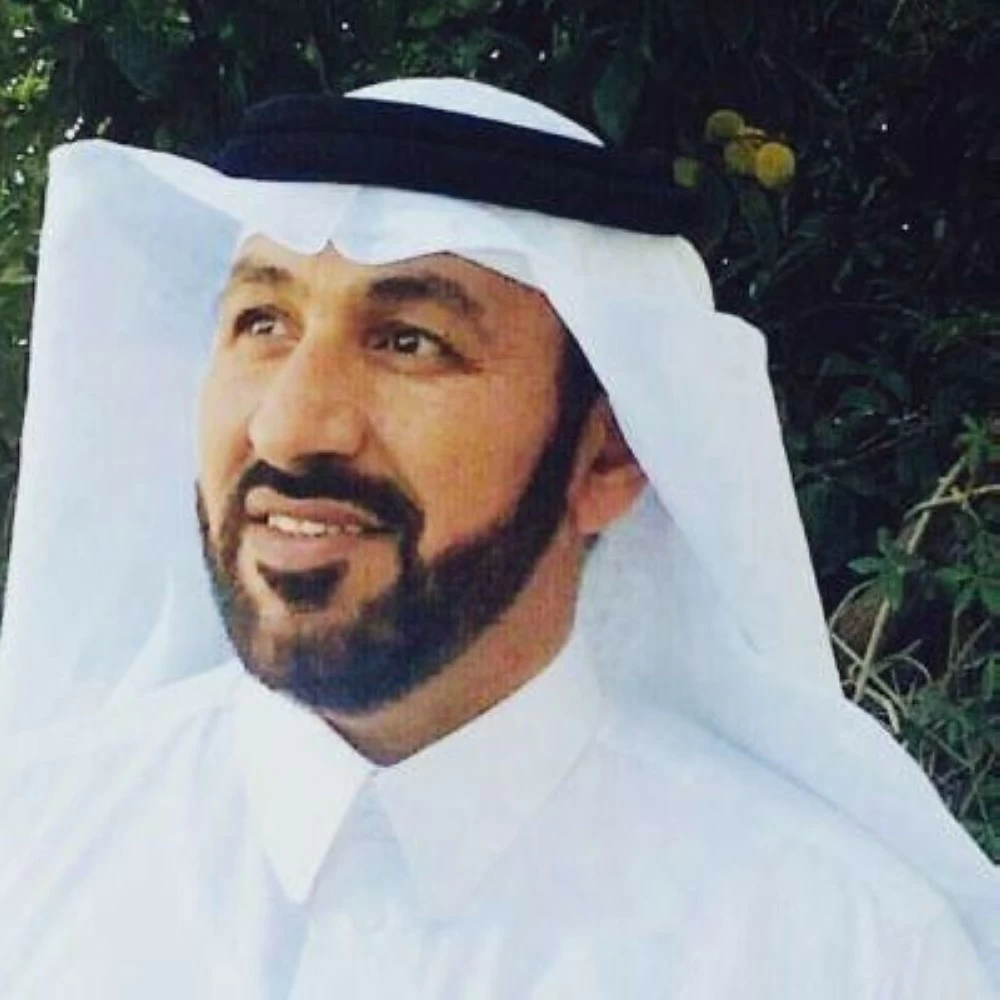
In a significant turning point for the cultural landscape of the Al-Baha region, the Al-Baha Literary Association's board elections resulted in the selection of renowned poet and media personality Hassan bin Mohammed Al-Zahrani as its first chairman. This election marks the culmination of a transitional phase that saw the region's literary club transformed into a non-profit association, in line with the Ministry of Culture's strategy to develop the cultural sector in the Kingdom.
The voting process took place in a democratic atmosphere and was overseen by a specialized committee comprising Professor Khairallah Zarban, Professor Amin Al-Asri, and Professor Najwa Al-Omari. The interim chairman of the board, Dr. Mansour Al-Harthi, and members of the general assembly, who expressed their confidence in the winning list, were also present. In addition to Al-Zahrani, Professor Musfir Al-Adwani was elected vice president, while Ghaliyah Jumaan Al-Qalti, Areej Hanish Atiq, and Tawfiq Ghanem were elected as board members, each receiving 10 votes.
Background to the transformation: From club to association
This transformation is part of a comprehensive national project launched by the Saudi Ministry of Culture in 2019, aimed at converting all sixteen literary clubs in the Kingdom into non-profit, non-governmental organizations. This strategic step aims to enhance the independence of these cultural entities, enabling them to diversify their funding sources and expand their activities to encompass various aspects of literature, culture, and the arts. This new legal framework also grants them greater flexibility in forging partnerships with the public and private sectors, allowing them to contribute more effectively to achieving the cultural objectives of the Kingdom's Vision 2030.
The importance of the event and its expected impact
Locally, this transformation is expected to open new horizons for the cultural landscape in the Al-Baha region. After decades of operating under the umbrella of literary clubs, which played a pivotal role in nurturing talent and disseminating literary works, the new association will be able to launch more innovative and diverse initiatives, such as cultural festivals, specialized workshops, and programs aimed at youth and children, thus enhancing cultural activity and making it more connected to the local community. Nationally, the success of this experiment in Al-Baha and other regions demonstrates the maturity of the Saudi cultural sector and its ability to evolve and adapt to the demands of the times, transitioning from direct government support to a more sustainable model based on governance and community participation.
The cultural community places great hopes on the new board of directors, led by Al-Zahrani, who is known for his long history of serving culture, to lead the association towards achieving its goals and enhancing Al-Baha’s position as an important cultural destination on the map of the Kingdom.
Culture and Art
Nasser Al-Khelaifi honored at the JOY AWARDS ceremony in Riyadh in 2026
The JOY AWARDS ceremony witnessed Advisor Turki Al-Sheikh honoring Nasser Al-Khelaifi with the Diamond Entertainment Makers Award, in recognition of his contributions to global media and sports.
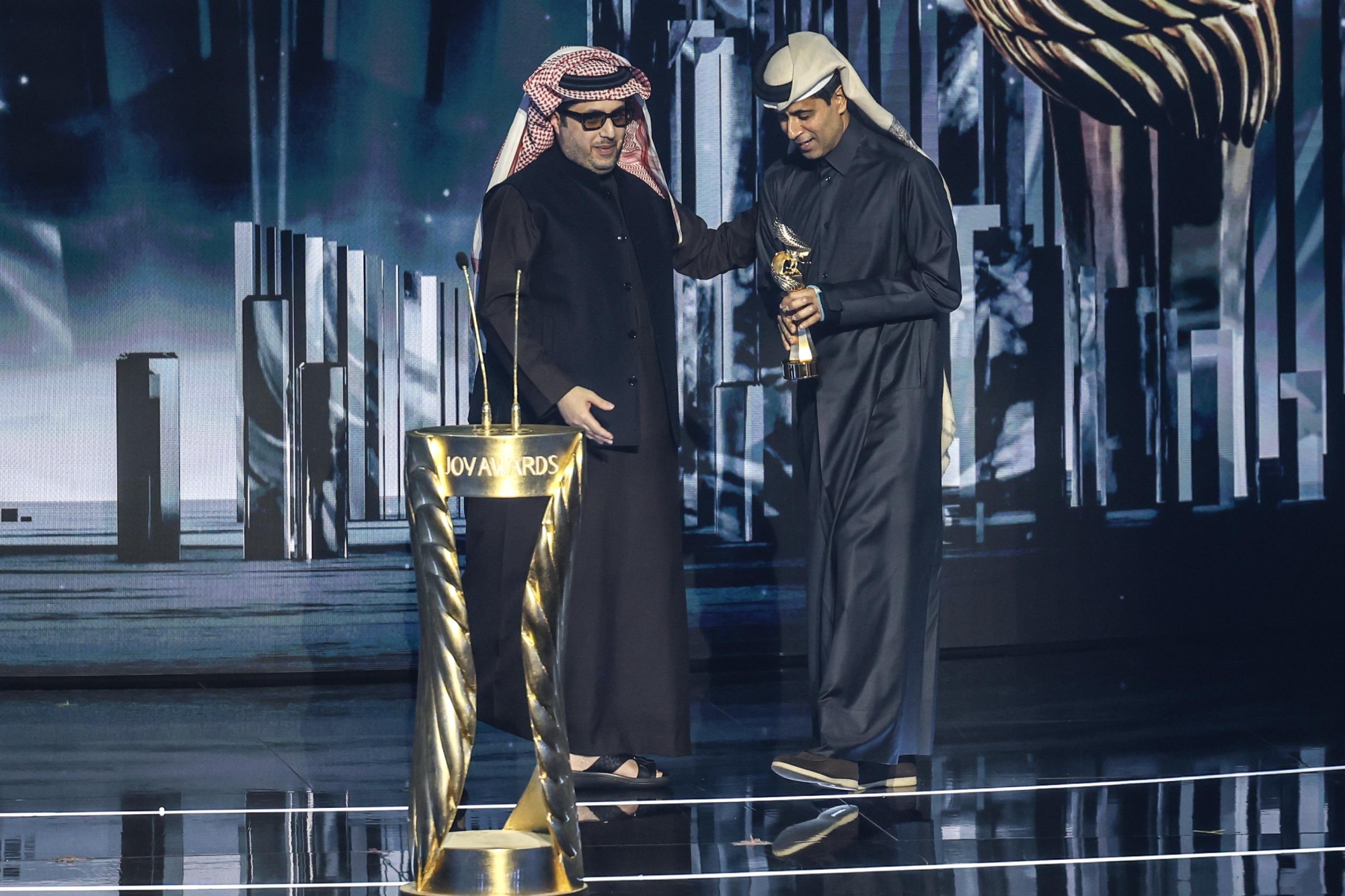
On an exceptional evening that brought together the brightest stars of art, sports, and media in the Saudi capital, Riyadh, His Excellency Turki bin Abdulmohsen Al-Sheikh, Chairman of the Board of Directors of the General Entertainment Authority (GEA), honored Mr. Nasser bin Ghanem Al-Khelaifi, Chairman of the Board of Directors of beIN Media Group and President of Paris Saint-Germain, with the “Diamond Entertainment Makers Award.” This prestigious recognition came during the sixth edition of the “Joy Awards” ceremony, which has become one of the most prominent entertainment events in the region and the world.
Background of the event and its growing importance
The JOY AWARDS ceremony is an integral part of Riyadh Season, the ambitious initiative under Saudi Vision 2030, which aims to transform the Kingdom into a global tourism and entertainment destination. Since its inception, the ceremony has garnered significant international attention, annually bringing together leading figures in film, drama, music, and sports to celebrate their achievements and honor their inspiring careers. This event reflects the Kingdom's remarkable transformation in the entertainment sector and its pursuit of establishing itself as a regional hub for creative industries.
A well-deserved tribute to an influential figure
The awarding of the Diamond Award to Nasser Al-Khelaifi recognizes his pivotal and influential role in shaping the landscape of the sports entertainment and media industry on the international stage. Al-Khelaifi not only serves as Chairman of the Board of Directors of beIN Media Group, one of the world's largest sports media networks, but also chairs the Board of Directors of Qatar Sports Investments (QSI), which has transformed Paris Saint-Germain into one of the giants of European football. This honor highlights Al-Khelaifi's significant contributions to the development of global sports content and its successful integration with the modern entertainment industry, making him one of the most prominent leaders in this vital field.
Regional and international implications
This honor carries dimensions that extend far beyond simply celebrating a prominent figure; it symbolizes the growing cooperation and integration among the major players in the entertainment and sports industries in the Gulf region. The presence of a figure of Nasser Al-Khelaifi's stature and his recognition in the heart of Riyadh reinforces JOY AWARDS' position as a unifying international platform and sends a positive message about the future of regional partnerships in the creative and economic sectors. It also underscores that sports have become an integral part of the global entertainment ecosystem, and that investing in them is an investment in a soft power with far-reaching influence.
Words from the heart and a message to the youth
Upon receiving the award, Al-Khelaifi expressed his profound happiness at this honor, extending his deepest gratitude to His Excellency Advisor Turki Al-Sheikh for this generous gesture. He emphasized his pride in being in the Kingdom of Saudi Arabia among this distinguished group of innovators. Al-Khelaifi also delivered an inspiring message to Arab youth, urging them to hold fast to their ambitions and work hard, noting that persistence and perseverance are the only way to realize their dreams and transform them into tangible achievements.
Culture and Art
Mohamed Ramadan excluded from the Africa Cup of Nations final: The full story
Artist Mohamed Ramadan revealed details of his exclusion from the closing ceremony of the 2023 Africa Cup of Nations, expressing his displeasure with the organizers. Learn the full story and the reasons behind the dispute.

Controversy surrounds the closing ceremony of the 2023 Africa Cup of Nations
Egyptian artist Mohamed Ramadan sparked widespread controversy after announcing his exclusion from performing at the closing ceremony of the 2023 Africa Cup of Nations, held in Ivory Coast. In a video posted to his official Instagram account, Ramadan revealed details of what happened, describing the situation as "disturbing" and humiliating to him as an Arab artist representing Egypt.
Background of participation and general context
This controversy arises from Mohamed Ramadan's participation in the tournament's official song, "Akwaba," which brought him together with prominent African stars such as the Ivorian band Magic System and Nigerian singer Yemi Allied. The song achieved widespread popularity and was considered a symbol of African unity through art and music. It was natural for the public to expect to see the song's stars perform it live at one of the tournament's two main ceremonies, the opening or closing ceremony, given its significant symbolic and media impact.
Details of Mohamed Ramadan's novel
In his account of the events, Ramadan explained that he was delighted to participate in this important continental event and that he had dedicated time and effort to filming the song in Marrakech, Morocco. He noted that he was initially informed his performance would be at the opening ceremony, before being told it had been postponed to the closing ceremony. However, the shock, as he described it, came just one day before the final, when he received no official communication from the organizers to confirm his participation or arrange logistical details. He considered this unprofessional and unbecoming of the event's scale and his artistic stature.
Importance and expected impact
Participating in major sporting events, such as the Africa Cup of Nations, is a golden opportunity for artists to enhance their international presence and reach a global audience. The absence of an artist of Mohamed Ramadan's stature, who enjoys a wide fan base in Africa and the Arab world, from the closing ceremony came as a surprise to many of his followers. This situation raised questions about the organizational efficiency and communication of the tournament's organizing committee, which is affiliated with the Confederation of African Football (CAF). Ramadan concluded his remarks by expressing his deep dissatisfaction with the way he was treated, officially announcing his withdrawal from the event and emphasizing that an artist's dignity and respect come first.
-

 Reports 3 days ago
Achievements of Saudi government sectors in 2025
-
Local news two weeks ago
FDA warns of contaminated Nestle infant formula | Recall details
-
Technology 4 weeks ago
Artificial intelligence regulations in Saudi education and student data protection
-
Technology 4 weeks ago
US ban on drones: reasons and consequences
-
Technology 4 weeks ago
SRMG and Snapchat partnership: The future of digital media in the Middle East
-
Sports 4 weeks ago
Salah leads Egypt to a thrilling comeback against Zimbabwe in the Africa Cup of Nations
-
Technology 4 weeks ago
Saudi Arabia's Ministry of Islamic Affairs is employing artificial intelligence in public speaking
-
Sports 4 weeks ago
Napoli win the Italian Super Cup in Riyadh for the third time (2025)