Culture and Art
The Sultan Qaboos Award opens nominations for its 12th edition
The Sultan Qaboos Award for Culture, Arts and Literature has opened nominations for its twelfth edition, setting the deadline for submissions as the 24th of

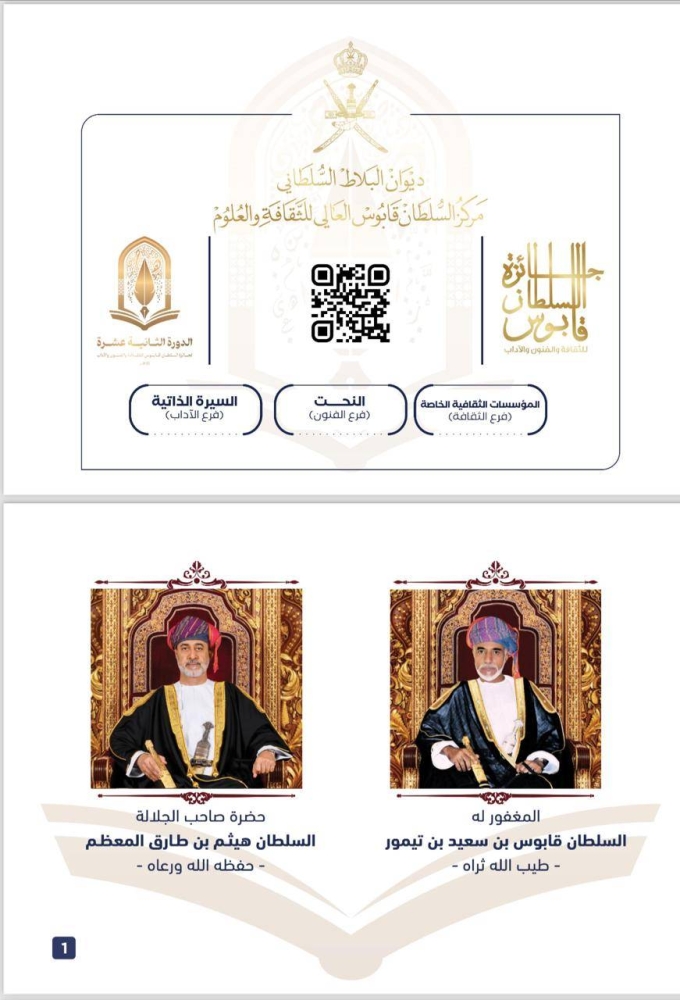
The Sultan Qaboos Award for Culture, Arts and Literature has opened the door for nominations for the award in its twelfth session, and has set July 24 as the deadline for receiving nominated works. It has made available the opportunity to nominate in the field of autobiography (Literature branch), provided that the submitted biography has life transformations, has cognitive, intellectual and social value on the social and human levels, and that the narrative in the autobiography text relies on modern artistic techniques for the genre of autobiography, and the text written in the form of diaries, memoirs and personal essays is not accepted.
The sculpture category (Arts branch) requires that the candidate's work reflects a unique and creative artistic identity and vision that adds a new dimension to art. It must be characterized by a high level of creativity, skill, and craftsmanship in the use of sculptural tools and materials. The candidate must have played a leading role in developing the sculptural experience at both the regional and international levels, with a clear impact on nurturing generations of sculptors. The candidate's work must demonstrate a continuous and unbroken progression, showing a logical sequence of development in style and technique. Additionally, the private cultural institutions category (Culture branch) requires that the institution be non-governmental and administratively and financially independent. Through its various activities, it must be concerned with promoting and disseminating culture and knowledge in society, contributing to the preservation of heritage and the strengthening of Arab cultural identity, and providing culture to the widest possible segment of beneficiaries in a sustainable manner. Furthermore, it must stimulate dialogue and cultural exchange between societies. Examples include: publishing houses and institutions concerned with publishing and cultural documentation, independent cultural centers, private libraries and cultural research centers, independent museums and galleries, digital institutions concerned with culture, institutions that manage cultural awards and competitions, and institutions that support cultural dialogue and exchange. (Arab, institutions concerned with preserving cultural heritage). The institution must be officially registered as an Arab cultural entity in any country of the world, and operate in accordance with the local laws and regulations of that country. The institution must rely on self-financing, whether through investments or support from various entities, which ensures its continuity and independence. It must have a clear vision, goals, and values that reflect its cultural mission and community initiatives, within a strategic plan that defines its future path. It must have a documented record of achievements and cultural activities that extend for a period of no less than 10 years, with the sustainability of its activities and not be limited to temporary projects.
The Sultan Qaboos Award is the largest periodic award celebrating creative achievement at the local and regional levels. It is an annual award, given on a rotating basis every two years, so that in one year only Omanis compete, and in the following year it is an honorary award in which Omanis compete alongside their Arab brothers. The award is given to winners in the branches of culture, arts and literature, so that one field is chosen from each branch in each cycle of the award, so that the number of winners becomes three in each year from among intellectuals, artists and writers, with one winner in each field.
The current session allowed nominations for Omanis and Arabs in general, provided that the nominee is alive, unless he died after submitting his nomination, and that the nominee’s works are distinguished by originality and excellence, and include a qualitative addition that contributes to enriching culture, thought and art, and that the works are originally written in Arabic, and other works completed by the nominee in languages other than Arabic may be considered as supporting materials for his nomination, and that all of the nominee’s works and contributions take into account ethics, values and public taste, and that the nominee shall only apply for one field, and the award considers the entirety of the nominee’s works, whether they are independent works or joint works, and winners of the Sultan Qaboos Award for Culture, Arts and Literature in its Arab sessions are not entitled to nominate again, and the nominee is bound by the time period for nomination.
Each winner of the award in its Omani edition is awarded the Order of Merit for Culture, Science, Arts and Literature, in addition to a financial sum of 50,000 Omani riyals, while each winner in the appreciation edition dedicated to Arabs in general is awarded the Sultan Qaboos Medal for Culture, Science, Arts and Literature, and a financial sum of 100,000 Omani riyals.
Related News
The works should be sent to the following address: Sultanate of Oman, Muscat, Airport Heights, Sultan Qaboos Higher Center for Culture and Science, Royal Court Affairs.
Sultan Qaboos Award for Culture, Arts and Literature
Phone + WhatsApp: 24359345, Phone: 24359552
P.O. Box: 661 Postal Code: 115 (Sultan Qaboos City).


Culture and Art
The tragedy of the poet Badr Al-Hazin: Calls for cultural loyalty after his leg was amputated
Poet Maneh bin Jallab (Badr Al-Hazin) is facing a health crisis after his leg was amputated following a car accident. Calls are being made for cultural institutions to support him in recognition of his poetic contributions and literary career.
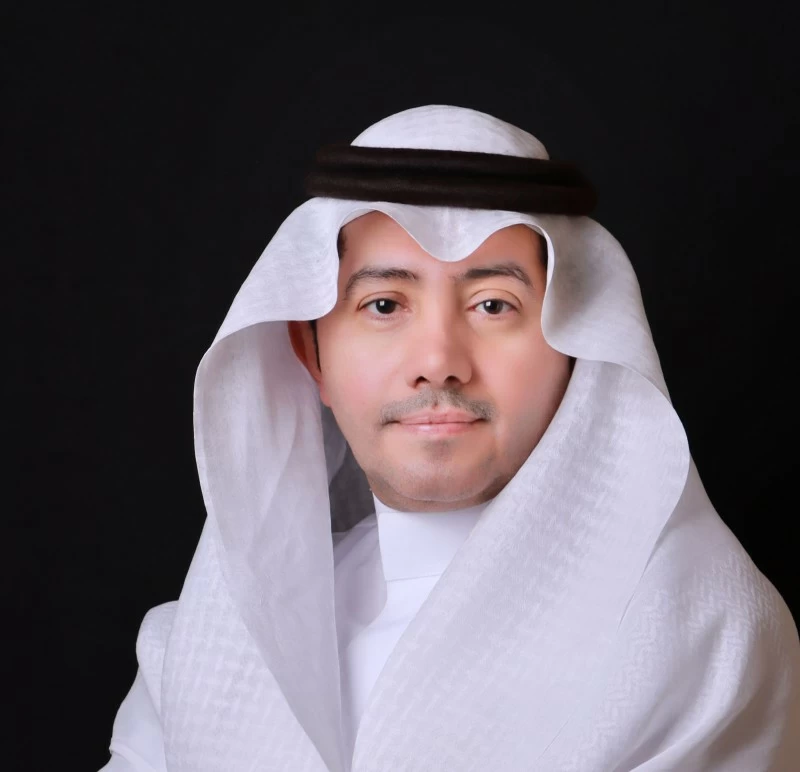
In vibrant societies where culture forms the cornerstone of identity, loyalty is not measured solely by the volume of applause during moments of brilliance and success, but rather by the resilience of the cultural body and its ability to embrace its members during times of hardship and adversity. A true artist is not merely a creator of texts, but a living memory and a conscience that pulsates with the hopes and sorrows of society, making support for them in times of crisis a moral and institutional obligation before it is a social luxury.
In this context, all eyes, filled with both pain and hope, are on the poet and writer Maneh bin Jallab Al Ghanem , who has etched his name in the annals of Nabati poetry with the title "Badr Al Hazin" (The Sad Moon). This melodious poetic voice is currently facing a harsh personal turning point, following a horrific car accident that resulted in the amputation of his leg. This incident was not merely a passing physical injury, but a true test of the resilience of his creative spirit, a challenge that touches the very fabric of his daily life and his ability to connect with the world that has so often enriched his sensibilities with the most beautiful poems.
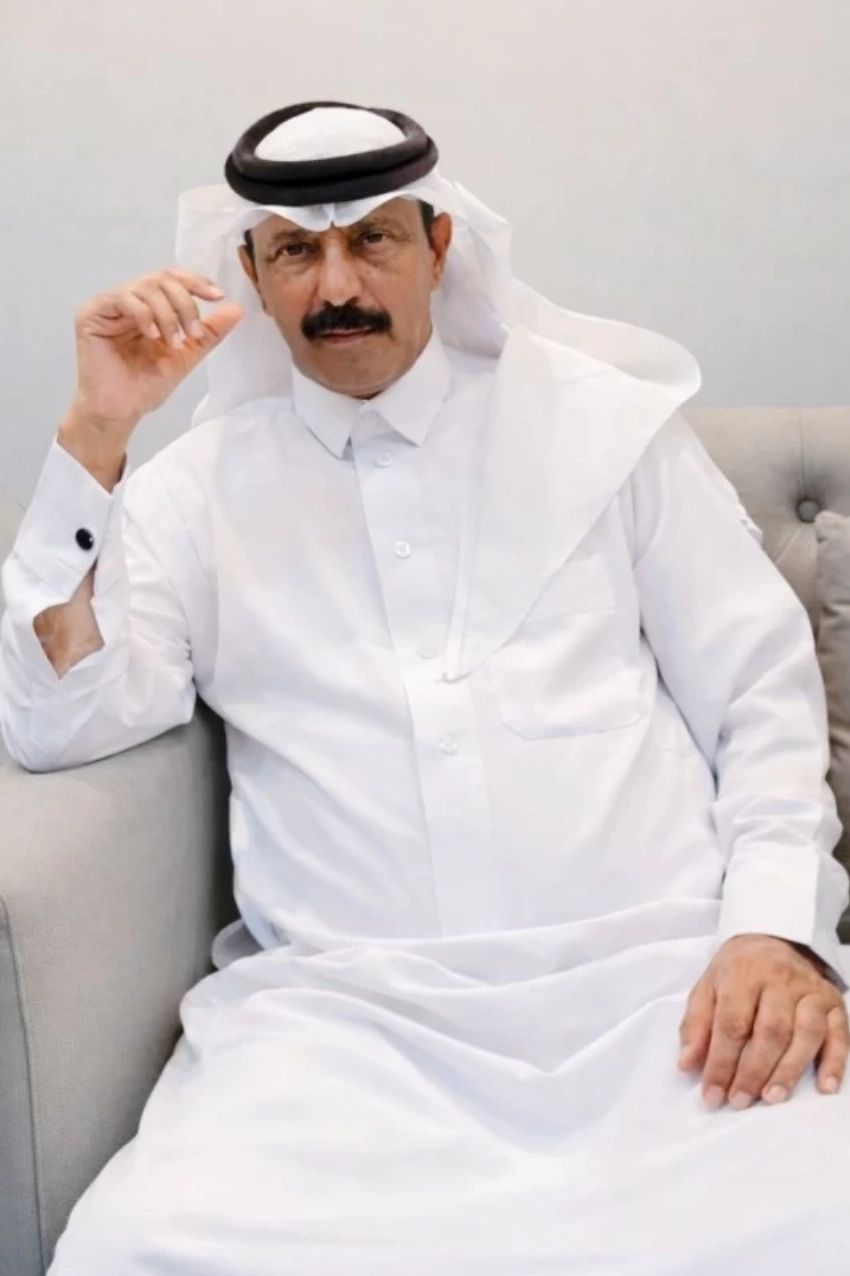
In Saudi Arabia and the Arabian Gulf, poetry is not merely a literary art; it is the Arabs' record and chronicle of their achievements. Poets have always been the voice of society and the guardians of its values. Therefore, the tragedy that befell Badr al-Hazin opens a wide door to discussing a fundamental issue concerning the mechanisms of support and care provided by cultural institutions and literary societies to their members. The role entrusted to these entities extends beyond organizing poetry readings and publishing collections; it encompasses providing a social and psychological safety net for the creative individuals who have contributed to shaping the cultural landscape, ensuring them a dignified life befitting their contributions.
Despite the harshness of the experience, the poet Mane' bin Jallab remains an example of patience and perseverance, armed with a deep faith that is clearly evident in his verses, which his admirers have shared and which have become an icon of resilience in the face of adversity. He says:
Life, with its bitterness, remains sweet as long as God is generous.
Rise up and shake off the dust of sorrow from your heart, lest it suffocate it.
He creates relief with hardship. A merciful Lord to His creation,
and He answers after the darkness and the night with a bright sun.
These words are not merely rhyming verses; they are a message of life, affirming that true disability lies in the spirit, not the body. However, the poet's resilience does not absolve the cultural and media establishment of its responsibilities. Highlighting Badr Al-Hazin's plight today is a clear call to transform feelings of sympathy into tangible initiatives, whether through honoring him morally or providing him with material and medical support to overcome this ordeal.
In conclusion, honoring the poet Badr Al-Hazin is honoring poetry itself, and a message affirming that creative individuals in our nation are not left alone to face their fate. We await action from the relevant authorities that matches the magnitude of the pain, and restores the smile to a poet who so often brought it to our faces, so that we may prove to the world that our culture is rooted in humanity, and that we are a nation that cherishes friendship and protects the dignity of its creative minds.
Culture and Art
Mohamed Ramadan sparks controversy with a "Number 1" photo and a message to his rivals
Mohamed Ramadan is trending with a new photo bearing the number 1, despite his absence from Ramadan dramas. Details of his message to his rivals, the controversy surrounding Lara Trump's music video, and the release date of his new film, "Asad" (Lion).

Despite his noticeable absence from this year's Ramadan drama marathon, Egyptian star Mohamed Ramadan to steal the spotlight and dominate search engines and social media, proving once again his exceptional ability to manipulate the media landscape to his advantage. This time, Ramadan returned not with a drama series, but with a single image posted on his official Facebook page. In the photo, he sports a new haircut with the number "1" tattooed on his back, accompanied by his usual defiant caption: "Number One... Some people call me that, and it's given others a complex."
A veiled message at a crucial time
This post sparked a wide range of reactions and debate among both the public and critics. Its timing is significant because it coincided with several current drama stars announcing their top viewership ratings during Ramadan, leading many to interpret Ramadan's message as an indirect response to his rivals in the entertainment industry, implying that his position as "number one" remains unchanged even in his absence from the small screen.
The history of the "Number 1" title and marketing strategy
To understand the context of this event, we must go back a little. Mohamed Ramadan adopted the title "Number 1" as part of his artistic and marketing identity since the release of his hit song of the same name in 2018. Since then, this title has become his trademark and a constant source of controversy between supporters who see it as well-deserved confidence based on viewership and revenue figures, and detractors who see it as a form of arrogance. This latest post shows that Ramadan continues to solidify this image, using social media platforms as an effective tool to remain in the spotlight.
Between globalism and Egyptian identity
The controversy surrounding Mohamed Ramadan wasn't solely due to this photo; it was preceded by heated discussions following his recent musical collaboration with Lara Trump, filmed inside her Miami home. Despite criticism regarding the absence of the Egyptian flag in the music video, Ramadan responded firmly, affirming his unwavering pride in his Egyptian identity and his commitment to representing his country. He indicated that his international experience wouldn't end there, and that he was preparing to announce new global collaborations that would further solidify his presence beyond the Arab world.
The next bet: the film "Lion"
While audiences miss his presence in Ramadan dramas, Mohamed Ramadan is currently focusing on cinema, betting on a strong and distinctive comeback with his highly anticipated historical film "Asad" (Lion). Expected to be released during the Eid al-Fitr season of 2026, the film represents a significant leap forward in his career, as it is set in a historical context requiring extensive preparations. This explains his temporary absence from television dramas, allowing him to concentrate on delivering a cinematic work worthy of his fans' expectations.
In conclusion, Mohamed Ramadan proves once again that he is an artistic phenomenon that transcends the boundaries of traditional works, as he possesses the keys to the media game that enable him to remain the talk of the town, whether through a scene in a series, a song, or even just a picture and a hairstyle.
Culture and Art
Mai Ezz El-Din in intensive care... Details of the surgery and her husband's message
Learn about the latest developments in the health condition of artist Mai Ezz El-Din after she underwent surgery and was admitted to intensive care, and the details of her withdrawal from the Ramadan 2026 race and the series Before and After.

A state of anxiety and anticipation prevailed in the artistic community and among the fans and admirers of the Egyptian star Mai Ezz El-Din , following the sudden announcement of the deterioration of her health condition and her undergoing an urgent surgical operation that required her transfer to the intensive care unit to closely monitor her health condition.
Details of her health condition and her husband's message
Ahmed Taymour revealed details of her recent health crisis, explaining on his official Instagram account that her ordeal began about two weeks before the start of Ramadan. Taymour indicated that Mai had been hospitalized for approximately a week to receive necessary care and prepare for surgery, saying, "Mai has been unwell for two weeks before Ramadan. She was admitted to the hospital a week ago and underwent surgery today. She is currently in intensive care. Please pray for her recovery." This news sparked a wave of sympathy and heartfelt prayers from her colleagues in the entertainment industry and her large fan base.
Withdrawal from the Ramadan 2026 race
This health setback comes at a critical time, as Mai Ezz El-Din was preparing to participate in the 2026 Ramadan television season with a series titled "Before and After ." However, her health condition and her desire to present artistic content befitting her history and standing with the public led her to make the decision to withdraw at the last minute. Reports confirmed that her wish to avoid rushing and deliver a well-rounded project was the primary motivation behind this decision, especially since Ramadan series require significant physical and mental exertion.
Cast of the postponed series
The series "Before and After" was set to bring together a distinguished group of Egyptian drama stars, making it one of the most eagerly anticipated productions. The cast, alongside Mai Ezz El-Din, included Hani Adel, Mahmoud Abdel-Moghni, the veteran actress Sawsan Badr, Reem El-Baroudi, Laila Ezz El-Arab, Iman El-Sayed, and Emad Ziada . The series was written by the acclaimed writer Mohamed Soliman Abdel-Malek and directed by Morcos Adel, both of whom boast a long and successful track record in television drama.
Mai Ezz El-Din's status and the impact of her absence
The absence of Mai Ezz El-Din from the screen, whether due to illness or project postponements, is a significant event in the Egyptian and Arab artistic scene, given her widespread popularity and unique talent that has enabled her to excel in romantic, comedic, and complex social roles. The public has grown accustomed to her strong and impactful presence, which is why news of her illness has dominated search engines and social media platforms. Fans have been eager to write messages of support and wishes for a speedy recovery to the "Princess of Egyptian Drama," hoping for her swift return to her artistic activities and to continue entertaining them with her distinctive work.
-

 Culture and Art, 1 week ago
The ban on the Hamdiya series in Iraq: Reasons and official response
-
Local News 5 days ago
The Ministry of Interior begins procedures for a royal pardon for common law prisoners
-
Local news two days ago
Saudi Arabia approves regulations for the continued presence of Gulf vehicles: duration and penalties
-
Reports one week ago
King Salman Relief Center's Ramadan aid includes 9 countries
-
Local news one week ago
19 requirements to reduce dust from projects in Riyadh and fines for violators
-
Sports one week ago
Dates for the Al-Nassr vs. Al-Wasl match in the 2026 AFC Champions League quarter-finals
-
Culture and Art, 1 week ago
Details of the first episode of the series "Al-Maddah 6: The Legend of the End"
-
Politics, one week ago
Trump plans to create a $2 billion alternative to the World Health Organization