Culture and Art
The buried alive
Hanouf grew up and became a young woman of fifteen. Her mother no longer allowed her to leave the house, and she no longer accompanied girls to weddings, nor

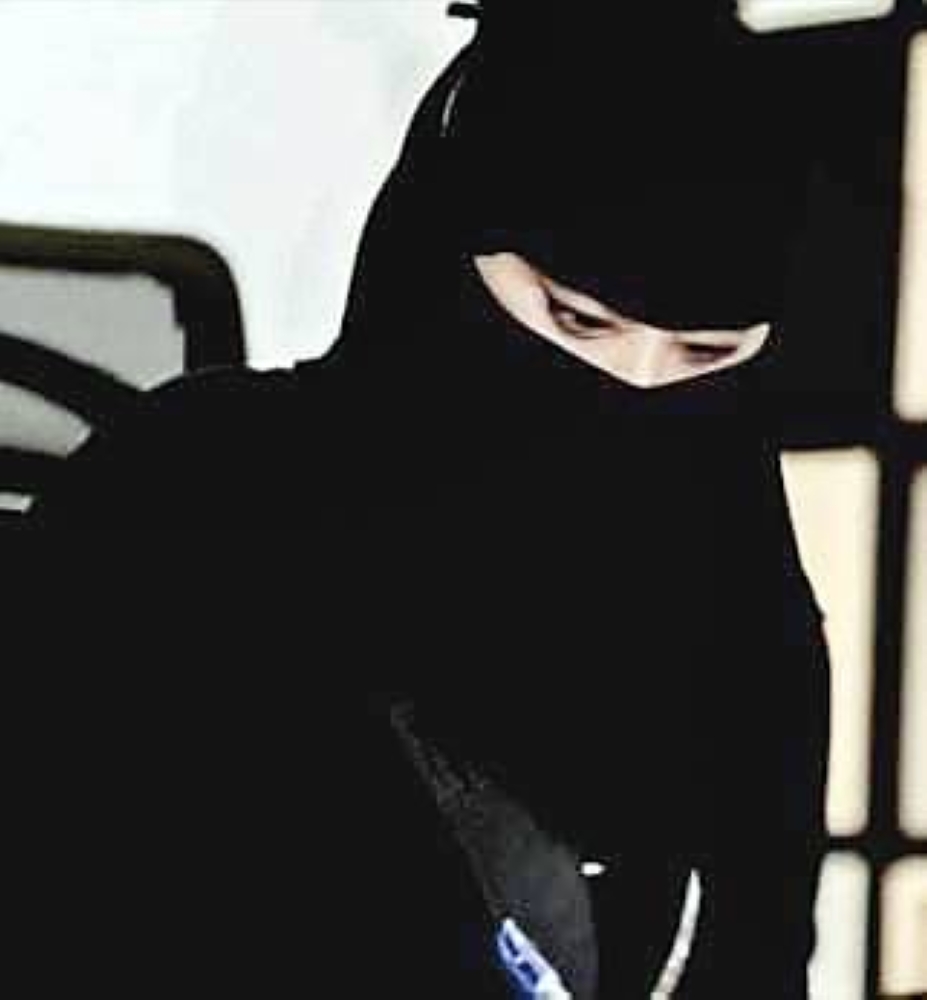
Hanouf grew up and became a young woman of fifteen. Her mother no longer allowed her to leave the house, and she no longer accompanied girls to weddings, nor did she visit her relatives, even on holidays, as her mother feared the evil eye. She had become an example of beauty and good manners…
Her cousin is hovering around her, but he doesn't dare to propose to her. How will he get past the barbed wire that her cousin has put up around her? All the young men in the village whisper her name, but they realize that it is impossible to marry her.
Her cousin Talal eagerly awaits the construction of his house in a high location overlooking the village. Every morning he goes there to check on the construction and what follows. Everyone envies him for the beautiful house that will be distinguished from all the houses in the village, for the bride who is the most beautiful and radiant among her peers, and for his comfortable situation, as he owns vast areas of agricultural land and sheep. The villagers have forgotten his real name, as he is now known by the title of the lucky one.
Hanouf fell ill and was bedridden for a few days. Her mother complained about her illness to the women of the village. They all agreed that she had been afflicted by an evil eye. They sent for the wise woman, Umm Ali, who was in charge of births in the village, treated the mother and the newborn, prescribed herbs for the sick, and never hesitated to offer advice and counsel. She had solutions ready for every difficult matter. Umm Ali rolled up her sleeves, examined Hanouf, and gave her medical report stating that the girl had been afflicted by an envious eye and would continue to suffer throughout her life as long as God had bestowed upon her all this beauty.
She added: I have the solution. So I brought a sieve, ordered one of the women to hold it over Hanouf's head, then she melted the lead in a metal container, and after she poured it into a dish filled with water, she picked it up and began to read the features of the lead structured into shapes whose secret of formation was known only to her, then she muttered some words, covered Hanouf with a thick blanket, and ordered her to stay in her bed until she sweated, saying:
Her symptoms of weakness will disappear after she sweats, God willing.
Hanouf's mother kept watching her daughter, but she did not notice any improvement in her condition.
The mother's heart was overcome with intense sadness when she woke up in the morning and tried to wake her daughter. Her limbs froze when she saw her face like saffron, her body cold, and her eyes drooping. The mother screamed, fainted, and fell on her daughter's lifeless body. The whole village, men and women, gathered. The women's wailing intensified. Some of them rushed to prepare hot water. Hanouf was washed, shrouded, and buried in the afternoon amidst the gloom and sadness of the villagers.
Everyone was deeply shocked, but the shepherd Omar was the most grief-stricken. He brought his sheep and let them graze in the cemetery while he decided to spend the night near Hanouf's grave. He wept bitterly for her, pacing around the grave, saying:
Everyone wished you were their wife, and when death snatched you away, they left you alone. But I will stay by your side; I will not leave you until my last breath. Overwhelmed by grief, he leaned his head against a stone placed as a headstone at the grave. After a few moments, he heard cries as if they were coming from the bottom of a well. He looked around, terrified. He began circling the grave, pressing his head against it in every direction, the screams still clearly audible. He fled back to his family and told his father the news, but his father scolded him and ordered him to return to his sheep before they strayed. He swore to his father with the most solemn oaths, but his father did not believe him. He returned and leaned against the headstone. Every now and then, the sound would break off until it disappeared from his sight in the late hours of the night and the beginning of dawn, as sleep overcame him and grief overwhelmed him, and he slept for hours into the following morning.
Omar began telling everyone he met about the screaming that terrified him on the night of Hanouf's burial. People began whispering, and the news reached Hanouf's father. He was shaken to his core and choked with tears. He sent for the woman who washed Hanouf and supervised her shrouding. After questioning her, she told him the following:
- Oh, how I pity Hanouf! She was shy and polite even in death.
How? Please describe her condition to me
She moved her hands and placed them on her chest, and that made me cry and made all the women who were helping to wash her cry.
The father fell to the ground unconscious, and when he awoke from his coma, he ordered his sons and brothers to open Hanouf’s grave. When they uncovered the grave, they found her sitting, mummified in her shroud, with two streams of blood frozen at the openings of her nostrils and her mouth. A circle and a mine of astonishment had petrified in it the screams and pleas for help that no one listened to in order to rescue her except death.


Culture and Art
Ramez Level the Monster promo: Prank details and list of victims this Ramadan
Turki Al-Sheikh released the official promo for Ramez Level the Monster. Learn about the show's concept, inspired by the squid game, the list of victims, and details of Caroline Azmy's injury.
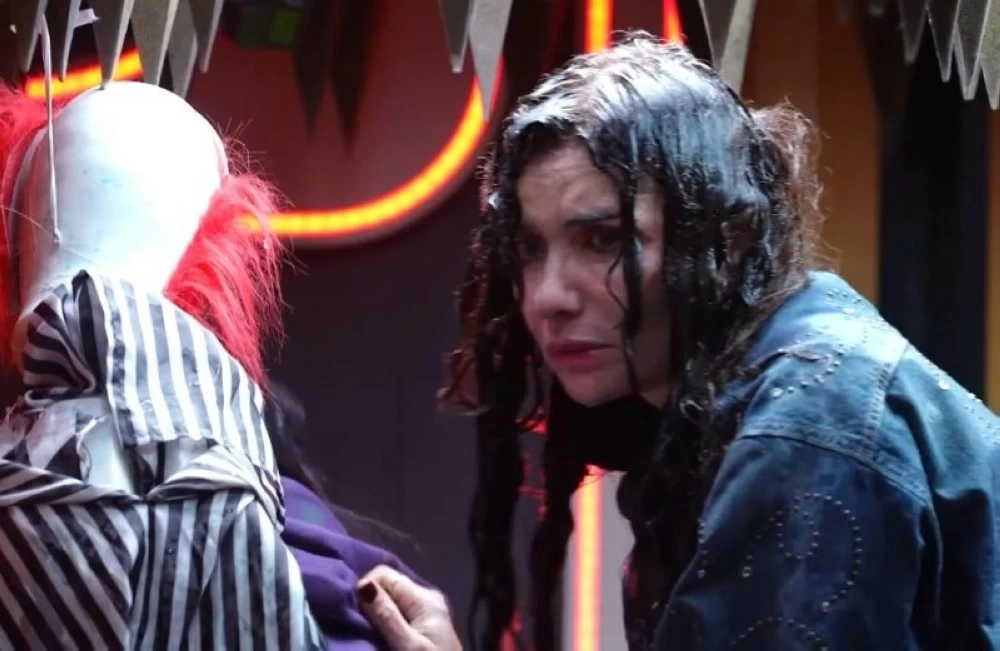
In a move that has ignited excitement among Arab audiences as the Ramadan season approaches, Turki Al-Sheikh, Chairman of the General Entertainment Authority in Saudi Arabia, released the official trailer for the highly anticipated prank show "Ramez Level the Monster," hosted by Egyptian star Ramez Galal. This announcement reaffirms the ongoing fruitful collaboration between the Authority and entertainment industry professionals to deliver world-class content.
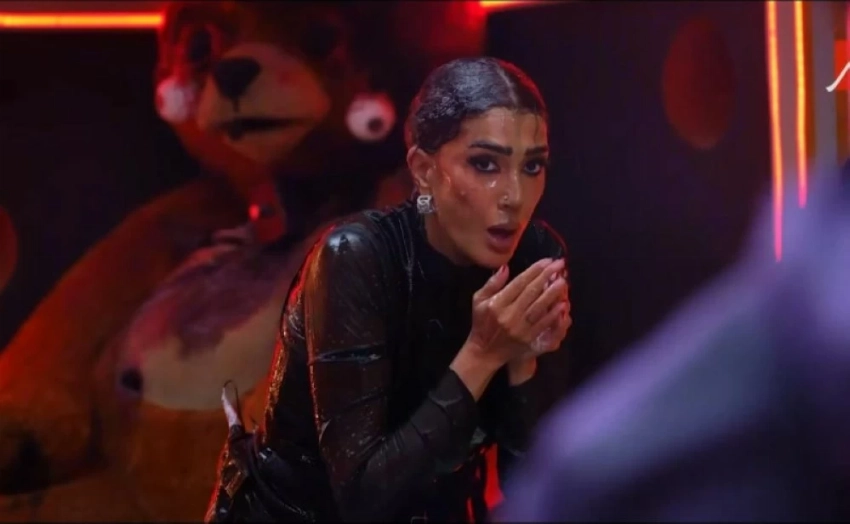
Program concept: The atmosphere of "The Squid Game" prevails
The teaser trailer revealed the main concept of this year's program, which appears to depart from traditional formats and delve into the world of complex psychological thrillers. The program draws inspiration from the internationally acclaimed Korean drama "Squid Game," with events unfolding in a secluded and mysterious setting.
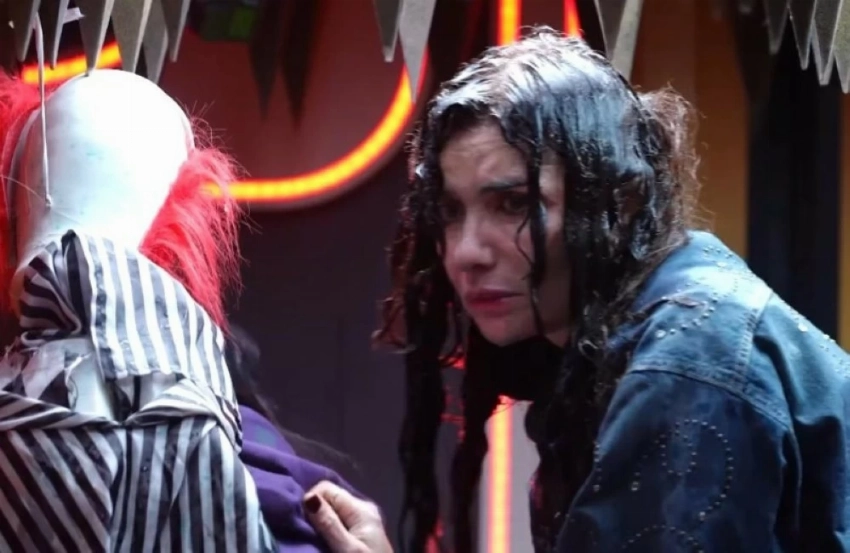
In the promo, Ramez Galal appears disguised in an outfit similar to that of the players or goalkeepers in the series, using frightening sound and visual effects to heighten the tension for the guests. The plot revolves around subjecting the victims to a series of difficult challenges and unexpected surprises, which gradually escalate before Ramez reveals himself at the crucial moment, generating hysterical reactions that combine shock and terror.
A history of controversy and popular success
The "Ramez Level Monster" program comes as a continuation of star Ramez Galal's long career in the world of prank shows, which have become an annual tradition and an integral part of Ramadan television in the Arab world. For over a decade, these programs have achieved record-breaking viewership, topping search engine results and social media platforms as soon as their episodes air.
The support provided by the General Entertainment Authority reflects the extent of interest in providing a high-quality entertainment product, as Ramez's programs have evolved from simple street pranks to huge productions that rely on cinematic techniques and complex filming locations, which enhances Riyadh's position as a supportive destination for the Arab entertainment industry.
List of victims: Art and sports stars caught in the trap
The official promo revealed that a large number of A-list celebrities have fallen victim to Ramez's pranks this year, promising some explosive episodes. The list includes prominent names from the worlds of art and sports, most notably action star Ahmed El Sakka, known for his powerful reactions, as well as football stars like Egyptian national team player Zizo.
The list also included appearances by widely popular artists such as Ghada Abdel Razek, Ghada Adel, Asmaa Galal, and singer Diab, in addition to comedy and festival stars like Shaimaa Seif, Mustafa Gharib, and Hamo Beka. Veteran actress Samah Anwar, young actress Rahma Mohsen, and Caroline Azmy were also present, ensuring a wide range of reactions, from screaming and crying to violent resistance.
Dangerous behind-the-scenes details: Caroline Azmy injured
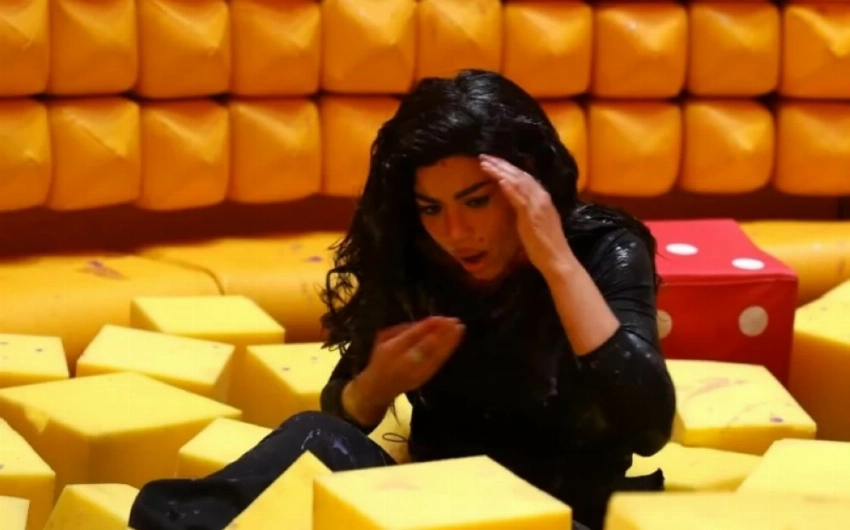
The filming of the program was not without its real dangers, highlighting the difficulty of the challenges this season. Reports revealed that the young artist, Caroline Azmy, sustained various injuries while filming her episode, resulting from a scuffle or fall during the prank. She was immediately taken to a hospital for necessary medical examinations and to ensure her well-being. This adds an air of seriousness and risk to this year's edition and increases the audience's curiosity to see what the stars faced behind the scenes.
Culture and Art
Mohamed Mounir sings the theme song for Rogina's Ramadan series "Had Aqsa"
King Mohamed Mounir returns to Ramadan drama with the theme song for the series "Had Aqsa" starring Rogina. Learn more about the song "Ta'ab," the series' plot, and its cast in the highly anticipated Ramadan season.

In a major artistic surprise that is set to ignite early competition in the upcoming Ramadan season, "The King" Mohamed Mounir has decided to return to the world of television drama theme songs, performing the opening theme for the series "Hadd Aqsa" (Maximum Limit), starring the renowned actress Rogina. This move adds significant artistic weight to the production, given Mounir's immense popularity and the enduring connection his voice has forged with timeless dramas in the hearts of Egyptian and Arab audiences.
Details of the song "Taab" and the return of the King
The new song, titled "Ta'ab" (Tiredness), has already been recorded by Mohamed Mounir and is ready for release at the start of Ramadan. The lyrics are by Ahmed Shabaka, and the music is composed and arranged by Ahmed Hamdi Raouf. It is produced by Rotana Music Group. This collaboration marks Mounir's strong return to the world of theme songs, a field in which he has always excelled, delivering memorable tracks that continue to resonate with audiences. This raises expectations for the success of both the song and the television series.
The artistic context and the importance of the event
Mohamed Mounir singing the theme song for any drama series is an artistic event in itself, not just a conventional addition. Historically, Mounir's voice has been associated with dramas that have become part of Egyptian cultural identity, and his participation in "Had Maqsa" (Maximum Limit) indicates the quality of the work and the attention to detail of its creators. This participation also reinforces Rogina's strong presence in recent Ramadan seasons, where she consistently tackles sensitive and controversial social issues.
The cast and crew of the TV series "Limit"
The series boasts a stellar cast alongside Rogina, including Mohamed El-Qass, who has recently achieved notable success, Khaled Kamal, Basant Abu Basha, Fadwa Abed, veteran actress Nashwa Mustafa, Bassam Ragab, Amir Abdel Wahed, Mariam Ashraf Zaki, and Mustafa Emad. The script is by Hisham Helal, and the series is directed by the promising young director Maya Ashraf Zaki in her highly anticipated directorial debut.
Series synopsis: Conflicts over money and influence
The series "Limit" unfolds as a social thriller, shedding light on the inner workings of the world of money laundering and financial corruption. The story centers on Rogina, who finds herself in a major predicament after mistakenly receiving a large sum of money while simultaneously taking out a massive bank loan. The plot thickens, revealing the social and psychological pressures faced by the protagonist and her husband, amidst conflicts stemming from betrayal of trust and disastrous, life-altering decisions, promising viewers a compelling dramatic experience.
Culture and Art
Hussein Fahmy settles the Palme d'Or controversy and Algeria: My remarks were spontaneous
Hussein Fahmy issues a statement clarifying the truth about his remarks regarding the Palme d'Or, denying any offense to Algeria and affirming his respect for the history of Algerian cinema and its global achievements.
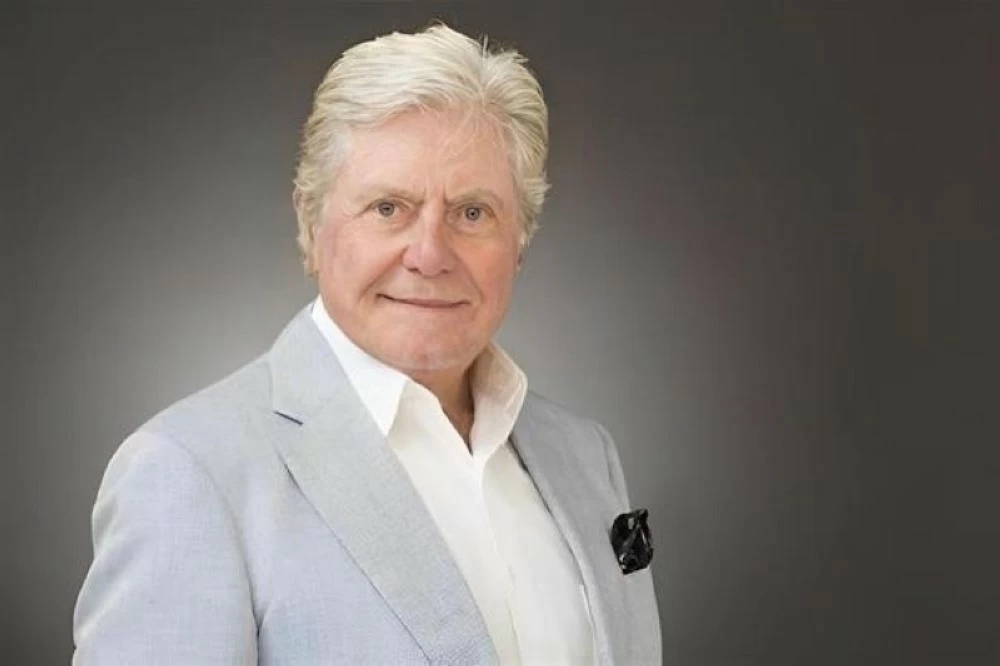
The renowned Egyptian actor Hussein Fahmy, president of the Cairo International Film Festival, has put an end to the widespread controversy that arose in recent days across social media and news outlets regarding his remarks about the Palme d'Or award and international film festivals. In a firm official statement, Fahmy asserted that his comments had been taken out of context, emphasizing that they were part of a general theoretical discussion about the inner workings of international judging panels.
Context of the conversation and denial of offense
Fahmy clarified that his remarks came during a casual conversation about how the decisions of judging panels at major festivals are sometimes influenced by political factors and the prevailing atmosphere at the time of the festival. He emphasized that he had absolutely no intention of questioning the merit of any country or artwork in receiving awards. He explained that his use of certain examples was spontaneous and involved an unintentional overlap between events, names, and political positions. He categorically denied any intention to offend or diminish the value of leading Arab artistic works that have won international awards.
Historical background and importance of Algerian cinema
This clarification comes at a time when the Arab public, and the Algerian public in particular, holds a deep sensitivity and affection for their rich cinematic history. It is well-known that Algerian cinema boasts a golden record on the international stage, with the Palme d'Or win at the 1975 Cannes Film Festival for "Chronicle of the Years of Embers" by director Mohammed Lakhdar-Hamina being a pivotal event in the history of Arab and African cinema, as it remains the only Arab film to have received this prestigious award. Therefore, any discussion of these achievements is met with great interest and scrutiny from both critics and the public.
A message of love and appreciation to the Algerian people
In a related context, the Egyptian artist reiterated his deep respect and sincere love for Algeria, its leadership, people, and art. Fahmy stated that the achievements and international successes of Algerian cinema remain a source of pride for every Arab citizen, and that its place is always cherished and appreciated in the hearts of Egyptians and all Arabs.

Art as a bridge for communication between peoples
The president of the Cairo International Film Festival concluded his statement by emphasizing the pivotal role of art in bringing people together, noting that cinema remains a universal language that unites rather than divides, and strengthens the bonds of brotherhood among Arabs. He expressed his gratitude to his large Algerian audience, appreciating their understanding of the spontaneous nature of his remarks, and affirming that the artistic relations between Egypt and Algeria will remain a model of fruitful cooperation and shared creativity that transcends any passing misunderstanding.
-

 Culture and Art 6 days ago
The "Between and Between" exhibition in Jeddah: 5 artists reshape Saudi memory
-
Local News 4 days ago
Saudi Arabia's National Arabic Language Policy: 8 Principles to Promote Identity
-
Culture and Art, 1 week ago
Shakira's concert in Jeddah: Details of the international star's first concert in Saudi Arabia
-
Local News 3 days ago
Adopting the National Policy for the Arabic Language: Strengthening Identity and Vision 2030
-
Culture and Art, 1 week ago
The truth about Nancy Ajram's video and Epstein Island, and her legal response
-
Local News 4 days ago
The Riyadh-Rin-Bisha dual carriageway, spanning 559 km, has been completed
-
Local news one week ago
Launch of the new Dammam project with investments of 98 billion riyals
-
Politics, one week ago
Kuwait adds 8 Lebanese hospitals to its terrorism lists