Culture and Art
The cultural scene: the hopes of intellectuals and the changes of the current era
My mother used to tell me, "You're old with the old and ignorant with the ignorant," meaning that I blended in quickly and effortlessly with older people


My mother used to tell me, "You're old with the old and young with the young," meaning that I blended in quickly and effortlessly with both the elderly and children. Perhaps my generation, those born in the 1980s, often possess this ability to adapt easily to different generations, or at least they are aware of these differences and can deal with them because of the era they lived in. The 1980s was a remarkable period, a time of intense contrasts, characterized by the struggle between these dichotomies: old and new, conservative and modern, pre-oil boom and post-oil boom, stone or mud houses and modern reinforced concrete and steel houses. So many such dichotomies marked that era with the tumultuous process of change that gave rise to what followed.
Well, putting all that aside, many intellectuals today are seriously concerned about the state of culture and its future. They raise fears such as the transformation of culture into another consumer commodity, controlled by capital to be manipulated as it sees fit. To begin with, it's essential to understand that any turning point in time, like the one we are currently experiencing, inevitably brings with it profound changes to the structure of everything, and culture is no exception. However, like any other field, culture will inevitably lose some things and gain others. The shift in the landscape of cultural activity will have both positive and negative consequences.
Undoubtedly, the cultural meaning has expanded considerably since the past, when culture was limited to the public sphere and publications. Culture was confined to literary clubs, a few pages in newspapers, and perhaps a few scattered cultural salons, later echoed by internet forums. Consequently, a generation, perhaps even generations, of intellectuals emerged from this limited framework, their understanding shaped by what we might call "hard culture"—a culture characterized by intellectual and cognitive depth, seriously striving to bring about a deeper intellectual, cultural, and developmental transformation within the social consciousness. While no concrete, ready-made project existed, many hopes were publicly voiced by this elite, which later gave rise to various forms of intellectual and ideological conflict that perhaps permeated the depths of society, taking on numerous manifestations beyond the scope of this discussion, though their stories remain etched in our collective memory.
Today, the cultural meaning has become more expansive, encompassing the definition and framing of the spirit of identity. Many things that were previously neglected are now practically included within the definition of cultural activity and its fields, such as fashion, cuisine, architecture, folk dance, etc. This sudden expansion of the Saudi cultural scene has necessitated the introduction of many new concepts, including investment in culture. By its very nature, any investment tends towards what is easy, attractive, and widespread. As a natural consequence, the traditional cultural structure has suddenly fragmented, giving rise to "soft culture"—a light, accessible, and fast-paced culture, thus facilitating its dissemination and expansion. This means it has transcended the formality of the pulpit and the printed word to become community events that take on an attractive and entertaining form, conveying the same message (the spirit of identity), but targeting broader segments that extend beyond the intellectual class that once constituted what was called the "intelligentsia," the educated class in society.
The key to understanding the underlying dynamics of the Kingdom's cultural landscape is to embrace the logic of change without apprehension or anxiety. What has actually transpired is a shift in culture from a patronage-based model to diverse forms of production. This means that the state, through various forms of support, including the Cultural Fund, generous funding of literary partner cafes, and cultural awards, has sought to create an environment conducive to investment in the cultural sector. In my view, this approach is far more beneficial in the long run than the previous patronage-based model, which treated culture as a purely internal developmental matter. The difference is vast between a sector that is constantly being managed and one that is self-regulating, organically growing, and governed by the rules of competition, like any market.
The concern and apprehension expressed by some intellectuals regarding the shift in Saudi Arabia's cultural structure from "hard" to "soft" is understandable, stemming from the desire and hope for a general intellectual, cognitive, and cultural renaissance in the country. However, such a renaissance cannot materialize suddenly simply through cultural activity; rather, it is formed through a long-term, cumulative process involving numerous factors. Culture, however widespread and supported, is but a small part of this process. Consequently, the ongoing transformation of cultural activity from its intense, substantial form, directly addressing societal ideas, to a more modern, lighter, and more marketable form, will have further accumulation and expansion, indirectly broadening the message of culture, which embodies the "spirit of identity." In other words, the hopes of intellectuals who believe in the concept of "hard culture" will be realized, but over a much longer period, as a logical outcome of the cumulative cognitive development currently underway, in conjunction with a host of influential factors shaping the societal mindset. This approach of building from the grassroots level of society is the most effective and impactful, but at the same time, the gains of cultural activity accumulated over past decades must be preserved. This allows the current era to unfold naturally and expand further, while simultaneously safeguarding the cultural heritage and achievements that the Kingdom's cultural landscape has attained. Therefore, the Ministry of Culture must avoid severing culture from its cumulative (solid) foundation, and instead leverage this foundation and its extension through various forms, programs, and initiatives. Finally, in my view, combining the old and new forms in cultural work, in multiple directions, is not a difficult process, but it may require drawing up more practical strategies to reshape the contours of the cultural scene, in a way that reconciles the two contexts together, without the need for the intellectual to be forced to carry feelings of apprehension and anxiety about the features of a cultural stage whose tools he has not known before, so that he disappears and withdraws, and consequently, cognitive and intellectual energies are wasted under the weight of neglect and marginalization, and abandon their supposed role in any society, so that the country is deprived of serious intellectual and cultural contributions to development and shaping the future.


Culture and Art
Nidal Al-Shafei's mother passed away months after the death of his wife
Artist Nidal El Shafei is experiencing another tragedy with the death of his mother after a battle with illness, just months after the passing of his wife. Details of the funeral and the artist's illustrious career.
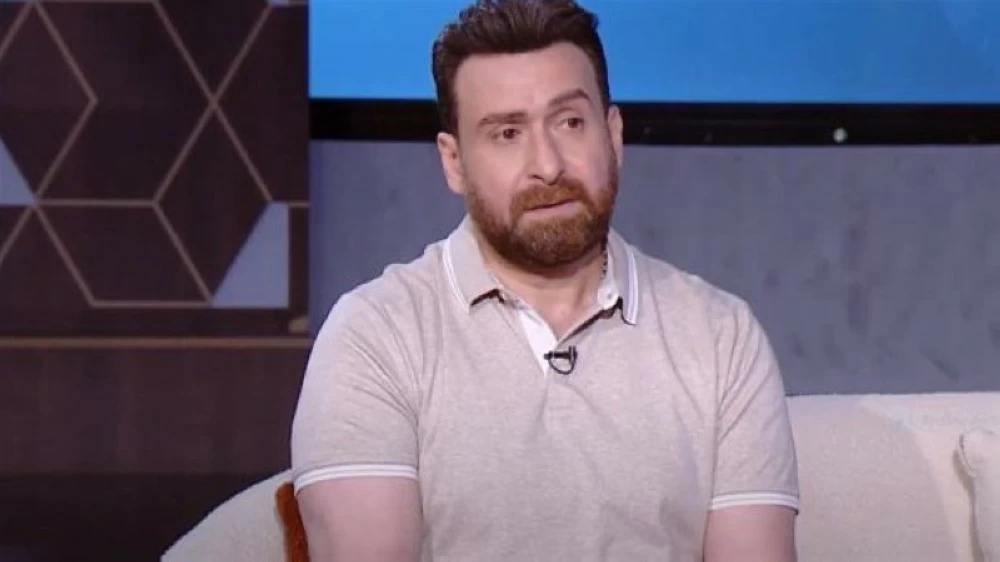
Tragedy strikes artist Nidal Al-Shafei again
In news that saddened the Egyptian artistic community and the public, actor Nidal El-Shafei announced the death of his mother after a recent health crisis. This tragic loss comes just months after the passing of his wife, Hind Mohamed Ali, leaving the actor to grieve the loss of two of his loved ones in such a short period.
On his official Facebook page, Nidal El Shafei shared the news with his followers, posting a touching message mourning his mother and asking everyone to pray for her mercy and forgiveness, and that God grant her paradise. The post received a wide response from his fellow artists and the public, who quickly offered their condolences and sympathy.
Funeral and burial details
Al-Shafi'i explained in his post that the funeral prayer for his late mother will be held after the noon prayer today at the Al-Bahgat Mosque in the Dreamland area. She will be laid to rest in the family cemetery located on the Oasis Road in Cairo, where family and friends will gather for a final farewell.
The context of successive sorrows
This tragedy brings to mind the profound sorrow that befell artist Nidal El Shafei in April 2024, when he lost his wife and life partner, Hind Mohamed Ali, after a long battle with kidney disease. Her death was a devastating blow to him and his family, as she had been a fundamental support in his personal and professional life. Today, he faces renewed grief with the passing of his mother, compounding his pain and prompting a great outpouring of support from his fans during this difficult time.
A rich artistic career and humanitarian stances
Nidal El-Shafei is one of the most prominent actors on the Egyptian art scene, having delivered many memorable performances in film, television, and theater throughout his career. He began his artistic journey after graduating from the Higher Institute of Theatrical Arts, quickly attracting attention with his powerful performances and the diversity of his roles. Among his most notable works are television series such as "Tamer and Shawqia" and "Critical Moments," and films like "The Island" and "The Dealer," where he demonstrated his ability to brilliantly portray a wide range of characters. On a personal level, he is known for his deep connection to his family, which is why his recent tragedy has garnered widespread sympathy.
Latest artworks
On the professional front, actor Nidal El Shafei's last dramatic appearance was in the series "Al-Amira Dhal Heita" (Princess, the Shadow of a Wall), which aired recently. The 15-episode series starred a number of prominent actors, including Yasmine Sabri, Nicolas Mouawad, Wafaa Amer, Hala Fakher, and Maha Nassar. It was written by Mohamed Sayed Bashir and directed by Sherine Adel. Despite his busy schedule, the difficult family circumstances he recently faced have been the subject of concern and prayers from everyone.
Culture and Art
Yasmine Abdel Aziz and the series "Elli Maloush Kebeer" | A Ramadan drama success story
An analysis of the success of the series 'Elly Maloush Kbeer' starring Yasmine Abdel Aziz and Ahmed El Awady, and how the promo and famous phrases such as 'No one has hurt me as much as you' sparked widespread controversy.
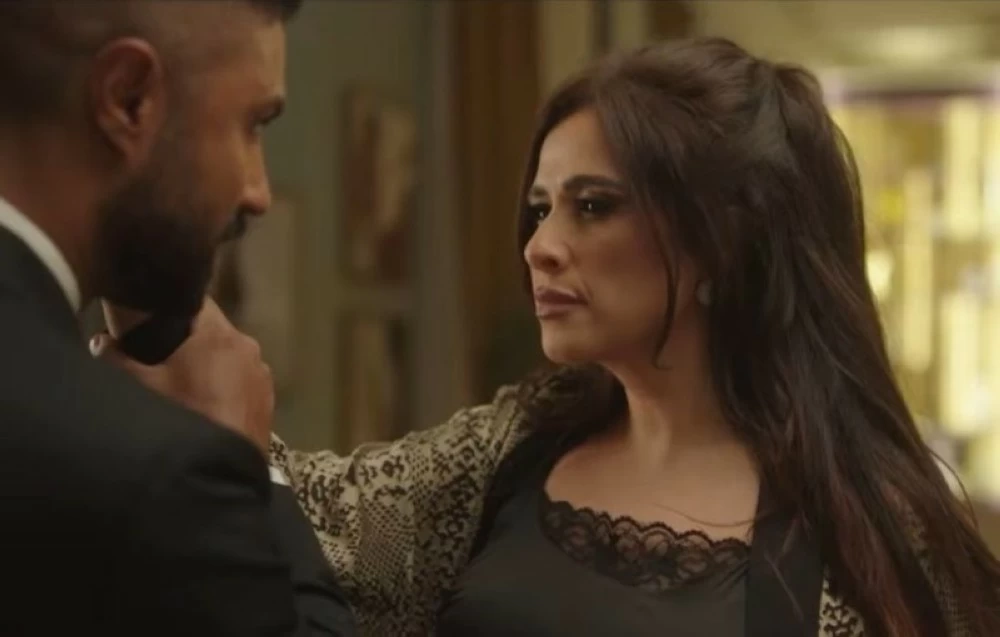
The “He who has no elder” controversy: How did Yasmine Abdel Aziz’s phrase become a trend?
The teaser trailer for the series "Elli Maloush Kbeer" (He Who Has No Big Shot) caused a sensation before its premiere during Ramadan 2021, captivating audiences with scenes that blended action, drama, and romance. However, a single line uttered by star Yasmine Abdel Aziz in one of the most poignant scenes—"No one has hurt me as much as you"—was enough to ignite social media platforms, becoming a memorable line that continues to resonate today and encapsulates the profound psychological struggle experienced by her character, Ghazal, throughout the series.
Background to Yasmine Abdel Aziz's dramatic transformation
The series “Elli Maloush Kbeer” (He Who Has No Big Shot) marked a significant turning point in Yasmine Abdel Aziz's artistic career. After years of dominating the box office in cinema with light comedic roles, she began in recent years to shift towards more complex and profound dramatic roles on television. While she successfully portrayed a romantic and social character in the 2020 series “We Nehabb Tani Leh” (Why Do We Fall in Love Again?), earning critical and popular acclaim, “Elli Maloush Kbeer” showcased her ability to powerfully embody action and suspense roles, portraying a strong female character who defies the difficult circumstances imposed upon her.
The importance of the series and its regional impact
The series' success wasn't limited to being a local hit; its impact extended to becoming a pan-Arab phenomenon during Ramadan. The on-screen chemistry between Yasmine Abdel Aziz and her then-husband, actor Ahmed El Awady, who portrayed "Saif El Khedive," created a unique level of audience engagement in Egypt and the Gulf region. Phrases like "Ala Allah Hekaytak" (God knows your story) and "Wahsh El Kon" (The Beast of the Universe) became part of everyday slang, reflecting the show's deep resonance with Arab viewers. The series tackled sensitive social issues such as domestic violence, forced marriage, and class conflict, all within a compelling and engaging framework that captivated a wide audience.
A story of struggle and power
The series revolves around Ghazal (Yasmine Abdel Aziz), who is forced by her father to marry a wealthy and cruel businessman (Khaled El Sawy) many years her senior. She endures a life filled with oppression and both physical and emotional humiliation. The phrase "No one has ever hurt me as much as you have" is uttered during her confrontation with him, expressing the depth of her suffering. Her life takes a dramatic turn when she meets Saif El Khedewy (Ahmed El Awady), a strong young man with whom she embarks on a love story fraught with challenges and dangers. In him, she finds the protection and support she has always lacked.
Integrated team
The success of "Elli Maloush Kbeer" (He Who Has No Master) is due to the combined efforts of a distinguished team. The series was written by Amr Mahmoud Yassin, who excelled in crafting complex characters and a cohesive plot, and directed by Mustafa Fikry, who delivered a modern visual style and masterful action sequences. The cast included a constellation of stars alongside Yasmine Abdel Aziz and Ahmed El Awady, including Khaled El Sawy, Dina Fouad, Iman El Sayed, and Badria Tolba, each of whom delivered a remarkable performance that contributed to the series' strength and resounding success.
Culture and Art
The Release Series: Amr Saad's Story in Ramadan Drama | Details and Cast
Discover all the details of the series "Efrag," the latest Ramadan project starring Amr Saad. A gripping revenge story, a talented cast, and a major transformation for actor Hatem Salah. Will it be a hit in the competition?
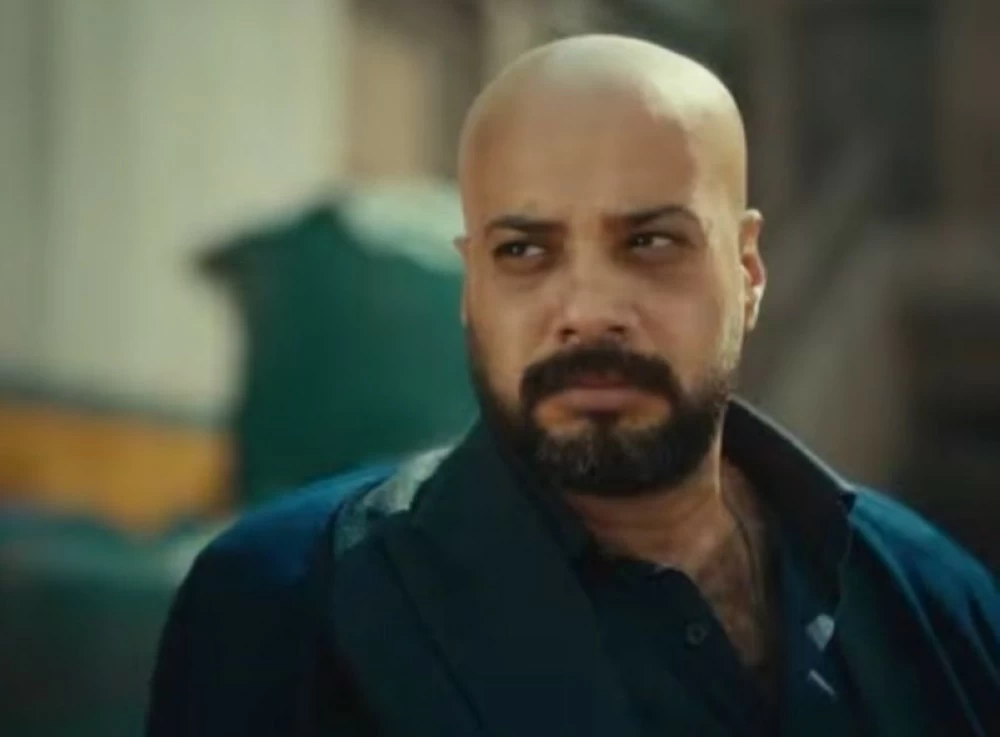
“Efraj” series: Amr Saad returns with a revenge epic in the Ramadan drama race
With the most important drama season in the Arab world approaching, the production company behind the series "Efraj" has released the first teaser trailer, marking the return of Egyptian star Amr Saad to the forefront of the Ramadan competition. The trailer offers a glimpse into a major drama centered on a revenge story filled with challenges and difficult situations, placing the series among the most anticipated shows by audiences.
General context: The fierce Ramadan competition
The Ramadan drama season is the most prominent arena for television productions in Egypt and the Arab world, with major production companies vying to present works that attract millions of viewers. In this context, Amr Saad stands out as one of the stars who has achieved consecutive successes this season, relying on his unique charisma and ability to portray complex characters from the working class, which resonate widely with audiences. His return with the series "Efrag" confirms his continued commitment to this genre of drama in which he has excelled.
A journey of revenge and suspense in “Release”
The teaser trailer reveals that the 30-episode series revolves around the protagonist, played by Amr Saad, as he embarks on a grueling journey of revenge. The story appears steeped in suspense and action, as the hero faces escalating challenges and conflicts with powerful figures. This genre, blending popular social drama with action, has proven highly successful in recent years, and "Efrag" seems poised to follow in the footsteps of such hits, adding a unique touch through the vision of the "Molouk" writing workshop, which is handling the script.
The main characters and dramatic twists
The series doesn't just star Amr Saad; it also features a stellar cast that adds significant weight to the production. One of the biggest surprises revealed in the trailer is the participation of Hatem Salah, known for his comedic roles, in a serious role completely removed from comedy. This presents a major challenge for him, and the audience eagerly anticipates it. The cast also includes Tara Emad, the veteran actor Abdel Aziz Makhyoun, Sama Ibrahim, Safwat, Ahmed Abdel Hamid, Mohsen Mansour, Alaa Morsi, and Sarah Baraka, promising artistic harmony and high-caliber acting.
Importance and expected impact
The series “Efraj” is expected to have a significant impact both locally and regionally. Its airing on MBC Egypt, one of the largest television platforms in the region, guarantees it a wide viewership. Furthermore, the show's success will solidify Amr Saad's position as one of the leading stars of Ramadan dramas. On a social level, series about revenge and personal justice often spark extensive discussions about injustice and the law, which could make “Efraj” a hot topic of discussion on social media throughout Ramadan.
Amr Saad's journey with popular drama
The series “Efrag” comes as a continuation of Amr Saad’s illustrious career, filled with works that have left a lasting impression on Arab viewers. His most recent notable work during Ramadan was the series “Al-Ajhar,” which achieved great success, preceded by series such as “Tawbah” and “Muluk Al-Gada’ana.” Saad’s works are distinguished by their ability to touch upon the social realities of working-class neighborhoods, presenting a popular hero who confronts injustice and strives to achieve justice in his own way, creating a strong sense of empathy and connection between the character and the audience.
-

 Reports 6 days ago
Achievements of Saudi government sectors in 2025
-
Local news two weeks ago
FDA warns of contaminated Nestle infant formula | Recall details
-
Technology 4 weeks ago
Artificial intelligence regulations in Saudi education and student data protection
-
Technology 4 weeks ago
US ban on drones: reasons and consequences
-
Technology 4 weeks ago
SRMG and Snapchat partnership: The future of digital media in the Middle East
-
Sports 4 weeks ago
Salah leads Egypt to a thrilling comeback against Zimbabwe in the Africa Cup of Nations
-
Technology 4 weeks ago
Saudi Arabia's Ministry of Islamic Affairs is employing artificial intelligence in public speaking
-
Sports 4 weeks ago
Napoli win the Italian Super Cup in Riyadh for the third time (2025)