
Culture and Art
"Lilith's Daughter": A narrative of the event with multiple facets
The first threshold of the text (the novel's title) sends Lilith's daughter to the Saudi novelist Ahmed Al-Samari in his third novel, which was recently published

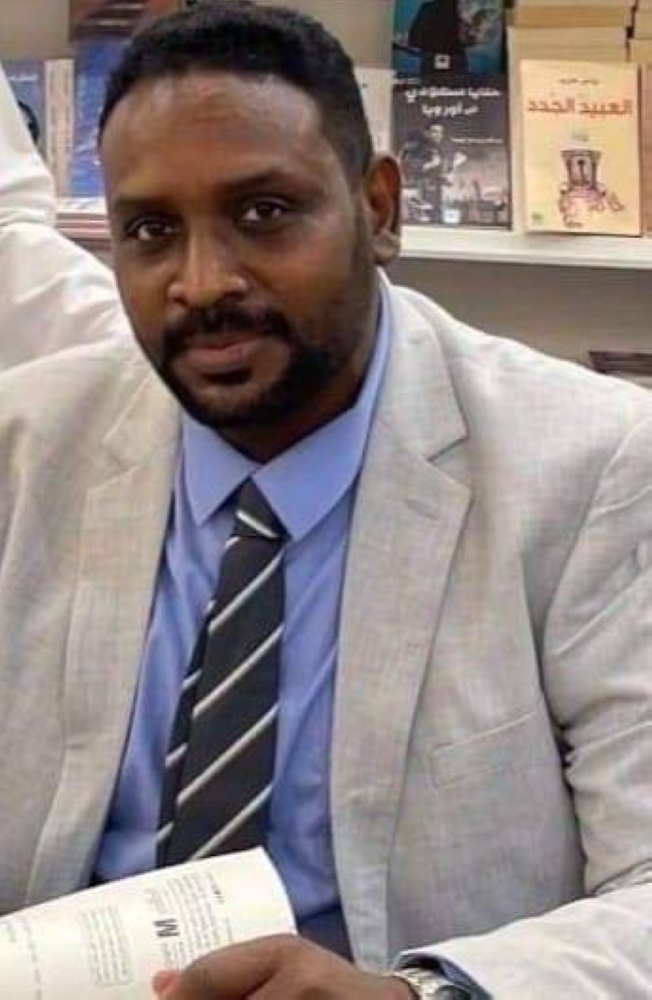
The first threshold of the text (the title of the novel) sends the Saudi novelist Ahmed Al-Samari’s daughter Lilith in his third novel, which was recently published by Ramina Publishing House in London, as a direct and strong message that we are about to enter into a woman who rebelled against her comfort zone, which most of us are careful not to break, and who rebelled against custom, traditions, the unwritten family law, and against the injustice that was done to her. I think that the symbolic projection of Lilith was successful, and it is not meant to be the myth of Adam’s first wife and her rebellion against him and her transformation in Jewish myths into the wife of Satan and her enmity towards Adam and his offspring, but rather it meant the modern symbolism of Lilith as a woman who cannot be controlled, so she transformed from her previous evil image into a strong woman until she became a mythical symbol of the global feminist movement, laden with the contents of freedom and equality between men and women, and even in some extreme cases, the preference of women over men.
Jawahir, or Georgette Davor, or Dr. Gigi as she is called by those close to her, did not take Lilit as a role model, but she emulated her in her rebellion against the injustice that befell her, so she drew a path that embodies the ideal course for the contents of the feminist movement. She rebelled against her family and followed her academic ambition, which carried her far away to the United States of America, so that Jawahir, the inexperienced half-Arab and half-Indian doctor, became Dr. Georgette, the famous consultant in cardiac surgery.
The spatiotemporal context extends for nearly thirty years to tell the story of the mother, Georgette, and the daughter, Mila Castillo, in wide time jumps, so that the narrative thread moves between the mother and the daughter to put the puzzle in balance and composure, completing a picture that was crowded with minute details and hidden signs, clearly showing the struggle of identity and belonging without talking about it in a direct way.
The place also covered the cities of Al-Khobar, Riyadh, New York, Los Angeles, Bahrain and Mauritania, moving smoothly to fill the void of the place with life, tears, pain, hope and longing.
The use of voices was modern, as the writer resorted to using the technique of multiple voices between the mother and the daughter to clarify the difference between two generations, two worlds, two identities, and the difference that exists between them. A new technique was also used that combines the first-person narrator and the participating narrator at the same time when Mila tells about her mother on the authority of another party. Despite the difficulty of grasping that technique, the writer did not let those voices slip away, even though at times the omniscient narrator also eavesdrops and gives his opinion in quick flashes.
The novel was based on the theme of identity and belonging, and although they appeared to be compatible, there was a clear contradiction between them in the context of the novel. Jawahir's final identity was shaped by several factors that intertwined to produce a character with a multifaceted identity, half Arab and half Indian, with a conservative upbringing and restrictive customs and traditions, in addition to factors acquired from living in a society different from what she was used to, and whose traditions were less restrictive. The identity conflict led her to accept a marriage that violated her religion, but did not violate American law or her acquired moral principles. If there was an identity conflict, it ended with the formation of a very complex character whose distinctive traits floated and sank according to the repercussions of events. These led Jawahir, or Georgette, to mental illness and a disruption in her old family relationships with her father's family, which was justified by injustice. However, the same conflict led to a disruption in her relationship with her mother and daughter, but the belonging remained strong to the same circle of relatives, despite pride and anger, so she returned to longing for her mother and yearning for her daughter after more than a quarter of a century. It must be noted here that identity, in its formation, is changeable unless its roots are deeply embedded in the land and its traditions and beliefs are in accordance with what is established in the soul (the old woman in Mauritania). It may be troubled and wavering in belonging to two contradictory worlds in a situation that seems closer to a clash of civilizations (Jawahir and Georgette). It may be completely resolved by forming a new identity that uproots its belonging from one civilization to another, as happened with (Professor Abdullah Taleb), who moved in the opposite direction from the height of advanced material civilization in search of filling his spiritual emptiness among the sands of the desert, camel milk, and the dawn prayer in a mosque that extends across the desert and is roofed by a blue sky studded with stars.


Culture and Art
14 Syrian songs in my upcoming work... Asala: I'm preparing a new Gulf album
Syrian artist Asala confirmed that her new album, sung entirely in the Syrian dialect, is nearing completion. She described it as a unique work that may be her first and last in this dialect. At a press conference held on the sidelines of her recent concert in Sharjah, she announced that the album features 14 Syrian songs, each with its own distinct musical, visual, and costume choices, aiming to deliver a comprehensive and engaging artistic experience. She anticipated the album's release between the two Eid holidays, noting that it incorporates folk songs from various Syrian provinces with musical updates to appeal to the younger generation. Regarding her other artistic endeavors, Asala confirmed that after finishing the Syrian album, she will begin preparing a new Gulf-style album as part of her upcoming artistic plans. She also clarified that her singing of the theme song for the series "Al-Qaysar - La Zaman Wala Makan" (The Caesar - No Time, No Place) will be her only musical contribution to drama this year, and it will have an emotional tone reflecting the series' sad and poignant nature.

Syrian artist Asala confirmed that she is nearing completion of her new album in the Syrian dialect, describing it as a distinctive work that may be her first and last in this dialect.
14 songs
At a press conference held on the sidelines of her recent concert in Sharjah, she announced that her new album includes 14 Syrian songs, each with its own unique focus on music, photography, and fashion choices, to present a comprehensive and attractive artistic experience.
She suggested that the album would be released between the two holidays, noting that it combines folk songs from various Syrian governorates with musical developments that suit the tastes of the new generation.
Gulf album
Regarding her new artistic projects, Asala confirmed that after she finishes the Syrian album, she will begin preparing a new Gulf music album, as part of her upcoming artistic plans.
Asala also explained that her singing of the theme song for the series “Al-Qaysar – No Time, No Place” will be her only musical work in drama this year, and it will have an emotional character that reflects the sad and moving nature of the work.
Culture and Art
Officially, Syria is the guest of honor at the Riyadh International Book Fair 2026
Minister of Culture Prince Badr bin Farhan announced that Syria has been chosen as the guest of honor for the Riyadh International Book Fair 2026, in a move that reflects the depth of cultural relations and supports the goals of Vision 2030.
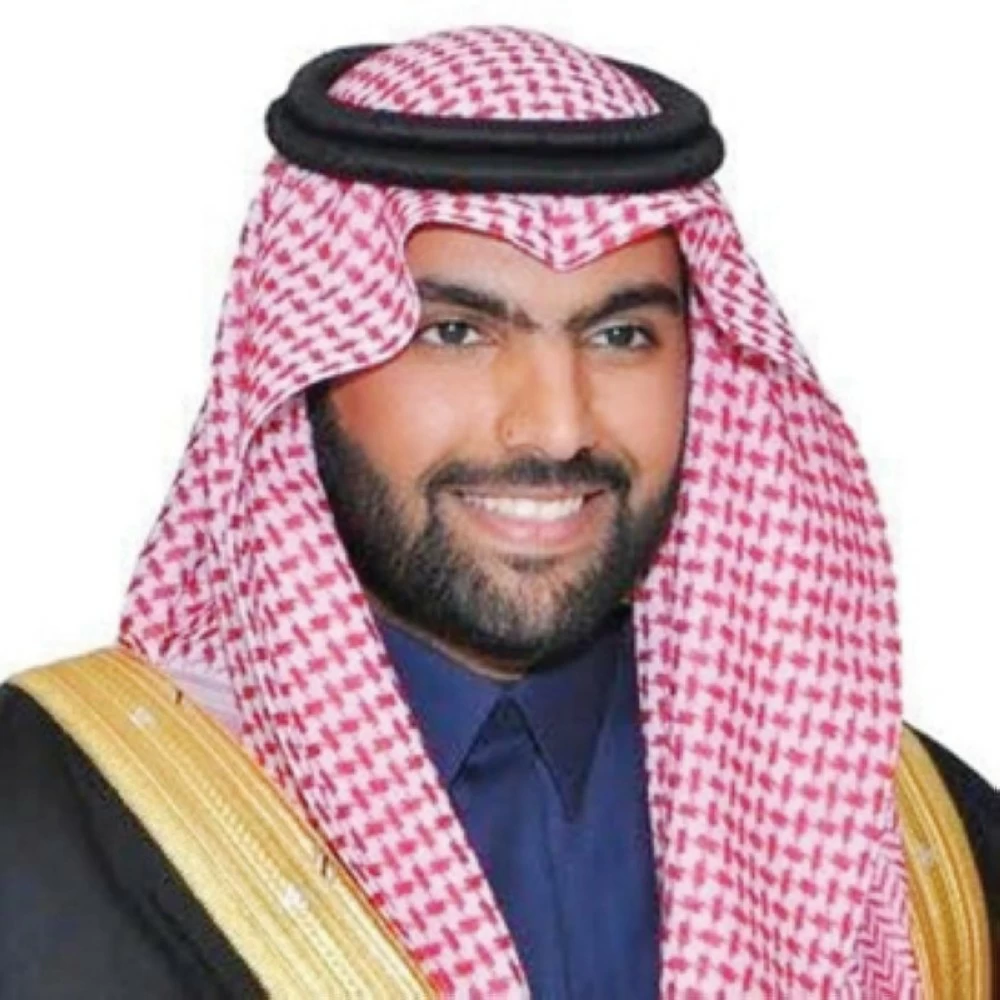
His Highness Prince Badr bin Abdullah bin Farhan, Minister of Culture and Chairman of the Board of Directors of the Literature, Publishing and Translation Commission, announced that the Syrian Arab Republic has been chosen as the guest of honor for the next edition of the Riyadh International Book Fair in 2026. The fair is scheduled to be held next October, under the direct organization and supervision of the Literature, Publishing and Translation Commission, in a step that reflects the growing cultural movement that the Kingdom is witnessing.
Cultural bridges and strategic partnership
In announcing the selection, the Minister of Culture affirmed that this choice embodies the deep-rooted cultural ties between the Kingdom of Saudi Arabia and the Syrian Arab Republic, ties built on solid foundations of partnership and mutual respect. His Highness noted that this step stems from the Kingdom's unwavering commitment to fostering cultural exchange, a cornerstone and objective of the National Cultural Strategy, which is itself a key component of the Kingdom's Vision 2030. The Ministry has placed particular emphasis on opening channels for constructive dialogue between peoples and exchanging knowledge and expertise, thereby solidifying the Kingdom's active and influential role in the cultural landscape, both regionally and internationally.
The status of the Riyadh exhibition and the history of Syrian culture
The Riyadh International Book Fair is one of the most important and largest cultural platforms in the Arab world, serving as an annual window through which readers and intellectuals can view the latest intellectual and literary works. The selection of Syria as guest of honor adds a qualitative dimension to the fair's events, given the rich cultural heritage and diverse intellectual landscape of Syrian society. Damascus, long known as one of the capitals of Arab literature and art, possesses a vast reservoir of creativity in poetry, novels, criticism, and visual arts, which will enrich the fair's halls and offer the Saudi public and visitors an exceptional cultural experience.
Dimensions of the choice and its expected impact
This selection is expected to foster a broad and vibrant interactive space between the Saudi and Syrian publics, as well as between the intellectual elites of both countries. The guest of honor program will provide an opportunity to highlight the intellectual and creative output of Syrian intellectuals through panel discussions, poetry readings, and artistic performances that reflect Syria's rich heritage. This decision also reflects the general trend toward strengthening Arab unity through the soft power of culture, emphasizing that books and knowledge remain the best means of bridging distances and building lasting bridges of communication between brothers, thus enhancing the shared Arab cultural presence on the international stage.
Culture and Art
Heba El-Sisi begins chemotherapy treatment for cancer and asks for prayers
Artist Heba El-Sisi announces the start of her first chemotherapy treatment sessions to fight cancer, and reveals details of her serious surgery and her moving message to the public after her health crisis.
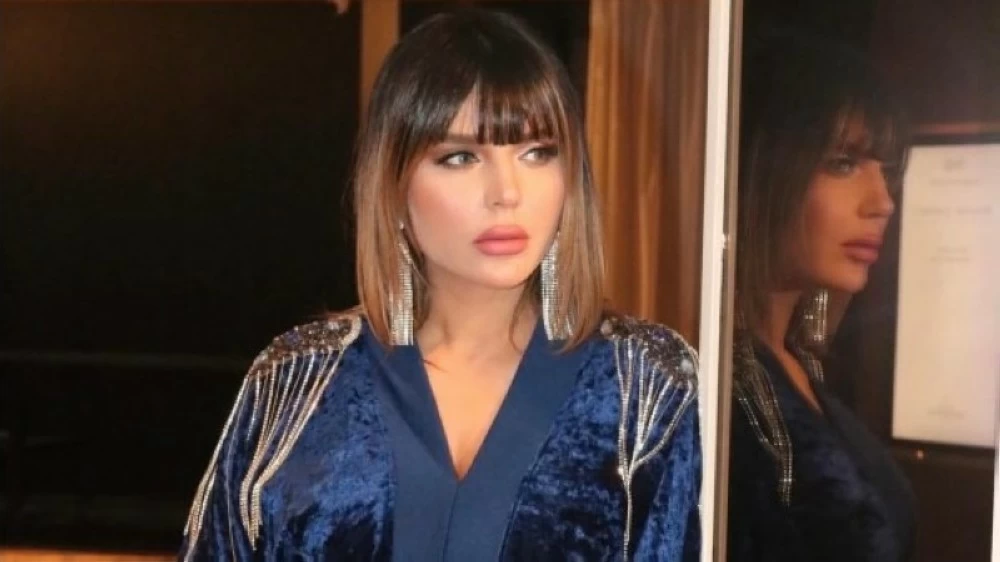
Egyptian artist and former Miss Egypt, Heba El-Sisi, has begun a new and crucial phase in her cancer treatment journey, sharing touching moments from inside the hospital with her fans and announcing that she has undergone her first chemotherapy session, amid a wide wave of sympathy and prayers for recovery.
Heba El-Sisi posted a photo of herself on her official Instagram account, showing her receiving intravenous fluids for her treatment. She captioned the photo with a brief but hopeful message: "Today I received my first chemotherapy dose." The post garnered significant attention from her followers and colleagues in the entertainment industry, who quickly posted messages of support and encouragement, wishing her a speedy recovery from this health challenge.
Details of the dangerous surgery and the silent suffering
The chemotherapy session wasn't the first chapter in Heba El-Sisi's battle with illness; she had previously revealed that she underwent a delicate surgical procedure. During her recent media appearance on the "Miss Egypt" program, which she hosts on Al-Shams TV, El-Sisi shared details of her suffering, which she had kept out of the public eye for some time.
In her moving address, El-Sisi said, "Today is my first episode after a very difficult period of treatment following my cancer diagnosis and major surgery. But thank God, I recovered well." She explained that this ordeal changed her perspective on many things, especially regarding the value of emotional support, adding, "I want to reassure everyone who asked about me, worried about me, and prayed for me from the bottom of their hearts that, thank God, I'm doing well now. But the past period has made me realize what a sincere prayer from the heart truly means, and what it means to have such wonderful people standing by me unconditionally.".
Who is Heba El-Sisi? (Artistic background)
Heba El-Sisi is a familiar face in the Egyptian beauty and entertainment world, having gained widespread fame after being crowned Miss Egypt in 2004. This title opened doors for her in the arts, leading to roles in several films and television dramas, most notably her participation in the film "Katakout" alongside star Mohamed Saad, which marked a significant milestone in her career and established her connection with Egyptian and Arab audiences. Her recent illness has once again highlighted the human side of celebrity life and how illness can strike at any age.
The importance of psychological support in the treatment journey
Doctors and specialists consistently emphasize that a cancer patient's psychological state plays a pivotal role in their response to treatment, a fact clearly demonstrated by Heba El-Sisi's words of gratitude for the prayers of her loved ones. Celebrities bravely announcing their illnesses helps break down the barrier of fear among the public, promotes a culture of early detection, and reveals the artist's human side beyond the spotlight, fostering a sense of community solidarity and the moral support that patients need on their arduous journey to recovery.
-

 Local News 5 days ago
Launch of the city's shuttle bus service in Ramadan 1447 AH: Routes and stations
-
Local news one week ago
Rabigh inaugurates the world's largest water innovation oasis and enters the Guinness World Records
-
Culture and Art 6 days ago
The series "Rouh OFF" was permanently canceled by a decision of the Actors' Syndicate
-
Culture and Art 5 days ago
Yasser Galal and Radwa El Sherbiny: Details of a new artistic project that brings them together
-
Local news one week ago
Schedule of Taraweeh and Tahajjud prayers at the Two Holy Mosques for Ramadan 1447 AH
-
Local News 5 days ago
The Ministry of Education revokes the licenses of 74 private schools due to safety and quality violations
-
Local News 7 days ago
Saudi Arabia weather: Rain in Riyadh, the Eastern Province, and Qassim, and dense fog
-
Local News 4 days ago
Mohammed Al-Rasasmeh appointed as official spokesperson for the Ministry of Municipalities and Housing


