
Culture and Art
Ahmed Qashash and his transformation from debating ideas to a passion for trees
The Al-Baha Literary and Cultural Club hosted academic Dr. Ahmed Saeed Qashash to tell the story of his passion for trees after his interest in intellectual pursuits

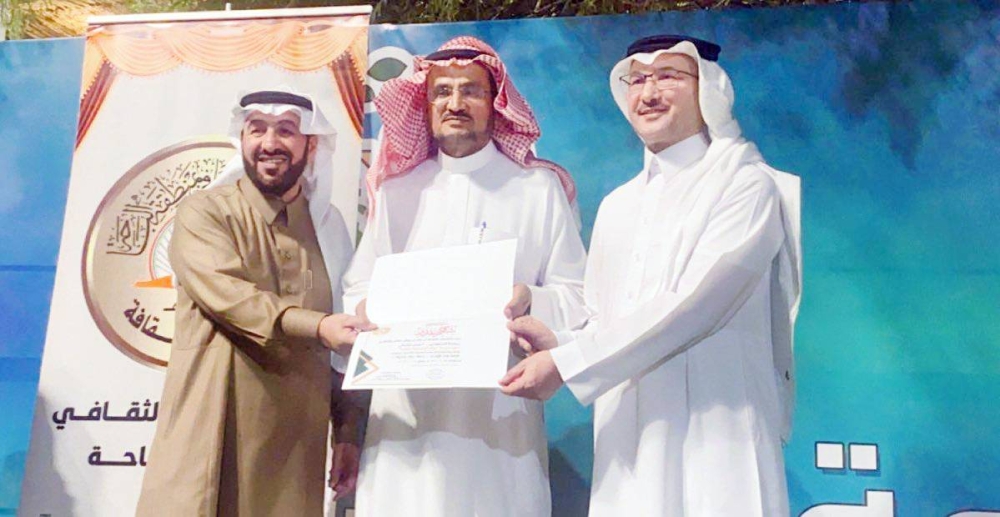
The Al-Baha Literary, Cultural and Academic Club hosted Dr. Ahmed Saeed Qashash to tell the story of his passion for trees after his decades of interest in thought and language. Qashash reviewed aspects of his life in the university auditorium, where he worked as a professor of Arabic language at the Islamic University in Madinah and Al-Baha University, then turned to scientific research, publishing a number of high-quality works, then became attached to agriculture and the cultivation of environmentally friendly trees. He became preoccupied with monitoring plants and trees in the Al-Baha region and the Kingdom, their names and the poems that celebrated them, following the tree's migrations and habitats from one continent to another, in a unique scientific and methodological style. He authored books and launched a bank to preserve rare plants and replant them, then established a model farm that became a tourist attraction and destination that people from all over the world come to because of its enormous diversity, in addition to producing biofuel and inventing new varieties of plants and seeds that were registered in his name in international encyclopedias.
The head of Al-Baha Club, the poet Hassan Al-Zahrani, explained that the evening was one of the activities of Al-Baha Club to enrich the Al-Baha Winter Festival with cultural events and within the club’s cultural season for this year, stressing that Dr. Ahmed Saeed Qashash is an inspiring intellectual and cultural figure who has made a presence and leadership, and deserves to be a national icon in his field.


Culture and Art
Tariq Al-Qarni and the Saudi cultural scene in Vision 2030
An in-depth dialogue with thinker Tariq Al-Qarni about the transformations of the Saudi cultural scene, his vision of reading, philosophy, and the impact of new platforms in light of Vision 2030.

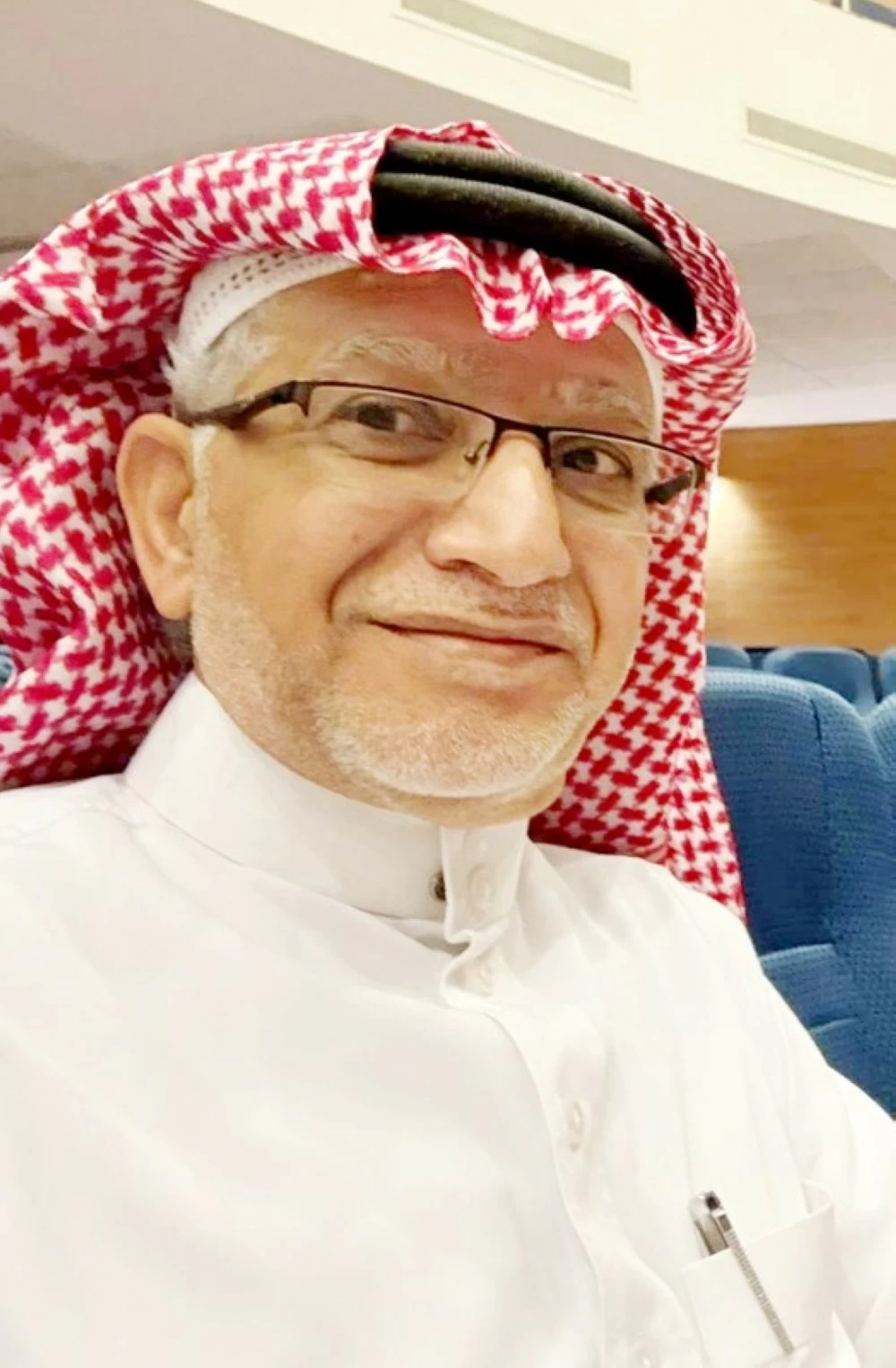
Amidst the rapid transformations sweeping the Saudi cultural landscape, the name of thinker and researcher Tariq bin Saad Al-Qarni stands out as an intellectual voice striving to deconstruct concepts and offer profound insights that blend tradition and modernity. His journey was not a matter of chance, but rather the product of a long immersion in reading and writing, and a persistent engagement with issues of language, thought, and humanity. In this interview, we delve into Al-Qarni's intellectual experience, explore his vision of the evolving cultural scene, and his engagement with its fundamental questions.
General context: Saudi culture with a new vision
This dialogue comes at an exceptional time for the Kingdom of Saudi Arabia, where culture forms a cornerstone of Vision 2030. Recent years have witnessed an unprecedented surge in support for the cultural sector, through the establishment of the Ministry of Culture and its specialized bodies, and the launch of international initiatives and festivals. This has opened the door wide to intellectual dialogues and public discussions that were previously limited. This new climate has provided voices like Tariq Al-Qarni with a greater opportunity to present their ideas and influence a new generation of intellectuals and those interested in culture, thus lending his views particular importance in understanding the dynamics of this transformation.
From existential reading to the worlds of language
• How did your first relationship with reading and writing take shape?
My relationship with reading and writing began in my childhood, but it wasn't disciplined. After entering university, I suffered a health and psychological setback that drove me to read in order to understand myself and my feelings. At that point, reading transformed into an existential experience, not merely a functional tool; I began reading to discover myself, not to obtain a degree. I specialized in linguistics and then critical methodologies, and from there I ventured into the humanities to broaden my horizons. I see language, as Heidegger described it, as "the house of Being," and from it our understanding of the self, society, politics, and history is formed. Thus, for me, language became a mode of thinking, not just a passive tool.
• What about the pivotal moment that changed your cultural trajectory?
There is no single defining moment. My life is simple and routine, and I shift my thinking according to the ideas I encounter. I consider science an existential condition, and therefore I do not hesitate to adopt the most compelling argument, provided it does not contradict my fundamental principles. For me, change is a path to existential progress.
Writing as a form of expression and communication
• Do you write to express an opinion? Or to pose a question?
I write to liberate an inner idea and test its strength in reality. Writing is a provocation for the idea to defend its worthiness to survive. It is a means of expressing my yearning to connect with others, and a linguistic game in which I find a kind of intellectual entertainment.
A reading of the contemporary Saudi cultural scene
How do you interpret the Saudi cultural scene today?
The scene is currently good, though it leans more towards quantity than quality. But this quantity itself is a healthy phenomenon; the scene is self-sustaining, and the discerning audience is the one that chooses what remains and endures. Culture, in its professional sense, is still new to our society. We need time and intellectual development to produce a distinctive culture, one that transcends the desire for personal triumph. Overall, the scene is growing in a healthy way.
• The proliferation of platforms: Has it weakened value or broadened influence?
The proliferation of platforms is a healthy phenomenon; the important thing is to refine their selections to avoid superficiality. The development of these platforms lies not in their technology, but in the development of the minds of those who run them and their audience. Society wants to tell its story, and every individual seeks their place, so this momentum is welcome and will, over time, produce the most deserving models.
The importance of cultural dialogue and its societal impact
Al-Qarni's views on platforms and elitism are gaining significant importance in light of media openness. Discussions on these issues are no longer confined to closed circles but have become part of the public discourse, with thousands of young people participating through social media. This movement contributes to raising awareness, encouraging critical thinking, and reshaping Saudi cultural identity to be more open and engaged with the world. It is a vital stage in maturing societal awareness and defining the characteristics of the new intellectual elite that will lead the future.
The debate on elitism, philosophy, and criticism
Where do you stand on the ongoing debate about the elitism and populism of culture?
I believe in the democracy of knowledge, and that everyone has the right to speak freely. Elitism is a quality bestowed upon individuals based on their competence and responsibility, not a job title or a slogan to exclude dissenters. A conscious society carefully selects its elite, and a true elite is one that bears the responsibility of providing awareness worthy of society.
• Is the accumulation of philosophical terms evidence of culture?
•• Sound intellectual inquiry requires acknowledging previous opinions to build upon them and presenting a new, well-supported viewpoint. This is not mere conjecture, but a scientific methodology. Our society is accustomed to literary and religious discourse, so it may assume that all transmission is flawed, which is incorrect in the humanities. What matters is adhering to the principles of knowledge and presenting what benefits the intellect of the recipient.
• Why are you against what is called “cultural criticism”?
There is no such thing as a discipline called “cultural criticism”; rather, it is “cultural studies.” Criticism is a logical science with an objective methodology. What is called cultural criticism is often an ideological starting point for reaching a preconceived conclusion, such as issuing emotional judgments like “Al-Mutanabbi was a beggar.” This is an ideological judgment, not a scientific, interpretive criticism that examines the actor’s understanding of their actions.
Culture and Art
The book "I am wheat and I am millet": Jazan's heritage in a cognitive text
A reading of Abdulrahman Mokli’s book “I am wheat and I am millet”, which transforms the popular dish “Marsa” into a deep anthropological entry point for understanding the memory and heritage of the Jazan cultural region.
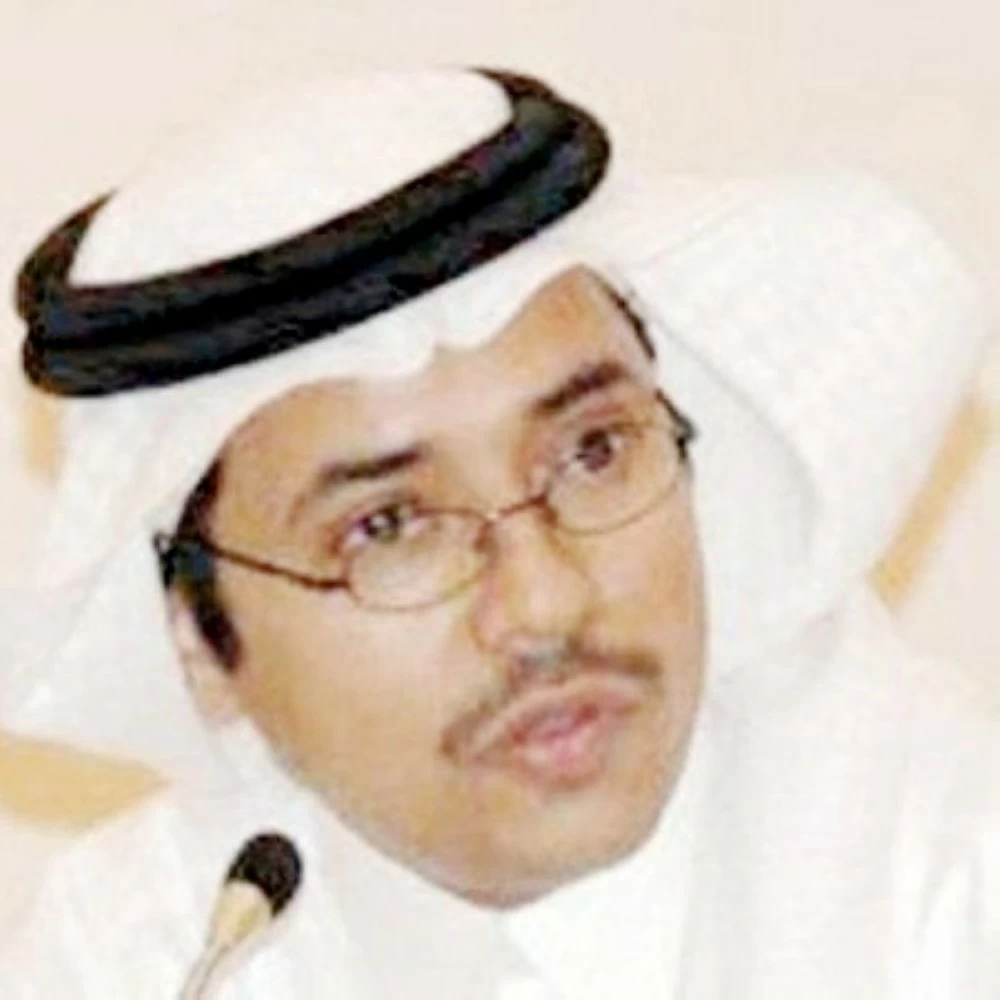
In his new book, "I Am Wheat and I Am Millet," published by Arouqa Publishing House, author Abdulrahman Moukly presents a unique literary work that transcends the boundaries of traditional narrative. Moukly begins with a simple and familiar element of Jazan's culture—the popular dish "Marsa"—and embarks on a profound intellectual and aesthetic journey, transforming rural cuisine into an anthropological laboratory through which he explores memory, identity, and the human history of the place.
The Jazan region, located in southwestern Saudi Arabia, is known for its rich cultural and historical heritage and its unique geographical diversity. This rich heritage is clearly evident in its oral traditions, its ancient souks like the Tuesday market in Sabya, and its cuisine, which reflects the relationship between people and the land. In this context, "Al-Marsa" is not merely a dish made of flour, bananas, and ghee; it is a symbol of generosity and community, a ritual of daily life that holds the stories of mothers and grandmothers, and embodies an economy of both abundance and scarcity. From this perspective, Mokli delves into this world to offer a cultural interpretation that transcends mere taste and explores deeper meaning.
The author's narrative relies on the perspective of the "witnessing self," evoking the memories of a child observing with caution and longing the events unfolding in the kitchen. Through this child's eyes, we see more than just food preparation; we sense the aroma of the oven mingled with the woman's breath, feel the subtle anxiety of want, and anticipate the joy of those returning from the market. The book's title, borrowed from a popular saying, "I am wheat and I am millet," encapsulates this vision. The phrase signifies not only readiness but also a declaration of an identity rooted in the land and its produce, how a person defines themselves through their sustenance, and how grains of wheat and millet become cultural symbols of fertility and belonging.
The book represents a practical and profound response to modern intellectual calls to break free from the "rhetorical prison" of literature and connect it to the humanities, specifically anthropology. As the Iraqi thinker Khaz'al al-Majidi pointed out, literature needs a revolution to return it to its lived human essence. Muqli wholeheartedly embraces this vision, abandoning linguistic embellishments in favor of a dense and richly symbolic prose. Small details, such as the dough for sorghum, bunches of bananas, and the names of valleys and villages, are transformed in his text into cultural documents that reveal an entire society's worldview, making literature a field of knowledge capable of interpreting everyday life.
"I Am Wheat and I Am Millet" is a new and important installment in Mokli's cultural project to document and write about Jazan's heritage from a profound intellectual perspective. Following his previous works that explored religious, mystical, and historical aspects, he now delves into the heart of daily life, emphasizing that knowledge is not confined to grand texts but also resides in food traditions, markets, and proverbs. In doing so, the book presents a genuine portrait of Jazan, far removed from stereotypes, revealing its spirit as manifested in its simplest details and affirming that folklore is not merely decorative but a living, breathing text of knowledge worthy of reading and interpretation.
Ultimately, "I Am Wheat and I Am Millet" transcends being merely an autobiography or a documentation of local folklore, becoming an intellectual exploration that questions the very nature of literature. It is a text that establishes a new relationship between literature and anthropology, demonstrating how the kitchen and the aroma of bread can serve as gateways to understanding the deeper layers of human consciousness and collective imagination, thus presenting a work worthy of the depth and authenticity of Jazan's culture.
Culture and Art
Cultural investment and the geography of literature in Saudi Arabia | Vision 2030
Discover how cultural investment is driving a literary renaissance in Saudi Arabia, and the role of Vision 2030 in supporting creators and drawing a new creative map that enhances the Kingdom’s global presence.
The cultural landscape in Saudi Arabia is undergoing a radical transformation, driven by a strategic concept known as “cultural investment.” Culture is no longer viewed as a mere intellectual pursuit, but has become a fundamental pillar of national development and a promising economic engine. This investment rests on two complementary axes: first, investing in the human and creative potential of society to enhance its cultural growth and intellectual achievements; and second, building a sustainable economic model that incentivizes the continuity of cultural work through meaningful returns, thus ensuring the consolidation of knowledge-based growth, which has become a measure of a nation’s progress and its aspirations for a pioneering future.
General context: Vision 2030 and the new cultural landscape
This growing interest in cultural investment comes within a broader context: the Kingdom’s Vision 2030, which aims to diversify income sources and build a vibrant society. Since the Vision’s launch, the cultural sector has witnessed a qualitative leap, marked by the establishment of the Ministry of Culture in 2018. This ministry has since spawned 11 specialized bodies covering various creative sectors, including the Literature, Publishing, and Translation Commission. These institutional steps were not merely administrative changes; they heralded a new era, placing culture and the arts at the heart of the national project and providing systematic support for creators and intellectuals throughout the Kingdom.
The Geography of Literature: A Renewed Creative Map
At the heart of this movement, the concept of “literary geography” emerges as one of the most important manifestations of cultural growth. Literary creativity is no longer confined to major cities; rather, we are witnessing a wider distribution of talent across the Kingdom’s various regions and provinces. A new generation of writers, poets, novelists, playwrights, and critics is emerging, producing innovative works that reflect the diversity and richness of Saudi culture. These young creators do not represent only themselves; they play a vital role in representing their nation at local and international events, presenting the world with a bright image of the intellectual and creative dynamism within the Kingdom, and winning prestigious awards in major Arab and international competitions.
Importance and expected impact
The impact of this investment extends far beyond local borders. Domestically, it contributes to strengthening national identity, creating jobs in the creative economy, and empowering youth. Regionally and internationally, it enhances the Kingdom's soft power, presenting it as a leading cultural hub in the region and attracting cultural tourism. Major events such as the Riyadh International Book Fair, the Janadriyah Festival, and art biennials have become global platforms showcasing Saudi cultural products and opening avenues for dialogue with world cultures.
Towards sustainable cultural integration
To ensure the continuation of this momentum, a sustainable relationship between the commercial investment sector and the cultural sector is essential. A symbiotic system must be created that supports creators, provides them with a stimulating environment, and simultaneously unlocks promising investment opportunities. The model offered by the General Entertainment Authority in transforming events into successful economic products can serve as an example for the cultural sector. By building strong institutions and effective governance, this creative endeavor can be organized and propelled towards global recognition, while continuously discovering young talent that will raise the bar and solidify the Kingdom's position as a key player on the global cultural map.
-

 Local News 4 days ago
Landslide in Riyadh: Details of the incident in Al-Sahafa neighborhood and containment efforts
-
 Local News 6 days ago
The death penalty was carried out against a citizen who stabbed another to death in Tabuk
-

 Culture and Art, 1 week ago
Ramez Galal in Ramadan 2026: Details of the bloody prank show
-

 Local News 7 days ago
First birth on the Riyadh train: A heartwarming story at Andalus station
-
 Culture and Art 4 days ago
Haifa Wehbe's absence in Riyadh: A photo crisis or a strained relationship with the media?
-
 Local News 4 days ago
Riyadh collapse: Emergency plans to secure water after a main pipeline burst
-

 Culture and Art 4 days ago
City Kitchen series: A drama of conflict and the middle class during Ramadan
-

 Culture and Art 4 days ago
The series "Kasra": Dawood Hussein in a moving social drama this Ramadan