Local News
Dr. Fahd Al-Harbi appointed President of Imam Abdulrahman bin Faisal University
Royal approval has been granted to appoint Professor Dr. Fahd bin Ahmed Al-Harbi as President of Imam Abdulrahman bin Abdulrahman University

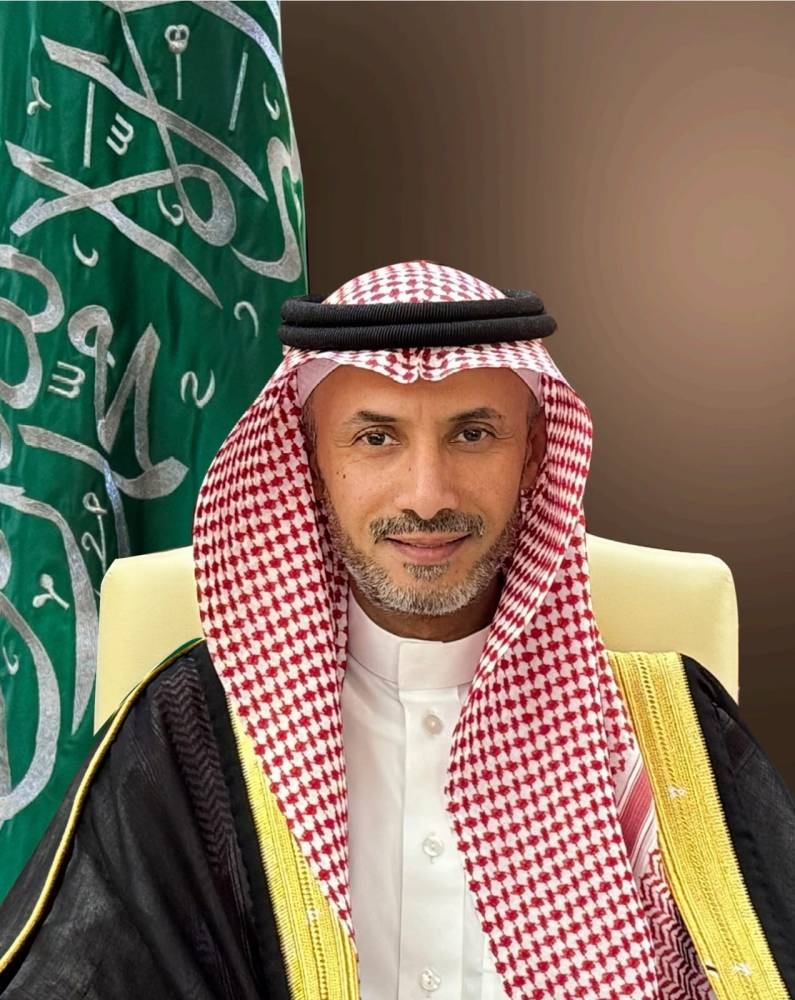
Dr. Fahd bin Ahmed Al-Harbi has been appointed as President of Imam Abdulrahman bin Faisal University
In a move reflecting the great importance the Saudi leadership places on higher education, royal approval has been granted for the appointment of Professor Fahd bin Ahmed Al-Harbi as President of Imam Abdulrahman bin Faisal University. This decision was based on the recommendation of the Minister of Education and Chairman of the Council of University Affairs, reflecting the continued support provided by the wise leadership to this vital sector.
Leadership support for the education sector
This step comes as part of efforts to strengthen the higher education sector in Saudi Arabia, which is considered a cornerstone of human development and national progress. Higher education is viewed as a strategic tool for achieving the Kingdom's Vision 2030, which aims to diversify the Saudi economy and promote innovation and scientific research.
Dr. Al-Harbi's statements
Commenting on his appointment, Dr. Fahd bin Ahmed Al-Harbi expressed his gratitude to the Custodian of the Two Holy Mosques, King Salman bin Abdulaziz, and His Royal Highness Crown Prince Mohammed bin Salman for the royal trust bestowed upon him. He affirmed that this appointment is a badge of honor and a national responsibility that requires diligent work to fulfill the aspirations of the wise leadership.
He also expressed his gratitude to the Minister of Education, Professor Yousef bin Abdullah Al-Bunyan, and to the Chairman of the University's Board of Trustees, Dr. Nabil bin Amin Al-Amoudi, and the other members of the Board, praising the efforts made by the Ministry of Education and the Council of University Affairs to develop the university education system.
A commitment to continue the journey of excellence
Dr. Al-Harbi affirmed his commitment to continuing the university's journey toward excellence and scientific and societal leadership. He explained that his plans include strengthening the environment of education, innovation, and creativity within the university, and producing competitive academic graduates who meet the demands of the labor market and contribute to driving national development.
He emphasized the importance of fostering a research and innovation environment that serves the university's mission and enables it to achieve its strategic goals. This commitment is part of broader efforts to enhance the Kingdom's position as a center of academic and scientific excellence in the region.
Positive reactions within the university
The staff of Imam Abdulrahman bin Faisal University expressed their sincere congratulations to Dr. Al-Harbi on his new appointment. They expressed their hope that he will achieve success in his new role and contribute effectively to serving the nation and achieving the university's strategic goals.
It is worth noting that such decisions come as part of a series of measures aimed at enhancing the quality of higher education in the Kingdom and ensuring its compliance with global standards and the requirements of the local and international market.




Local News
The killer of artist Saeed Mokhtar has been referred to criminal court... New details
The investigating authorities have referred the accused in the murder of artist Saeed Mokhtar to criminal trial. The case reveals betrayal, family disputes, and a customary marriage while the accused was already married.

The accused in the murder of artist Saeed Mukhtar has been referred to criminal trial
In a significant legal development, the competent investigative authorities in 6th of October City ordered the referral of the accused in the murder of artist Saeed Mokhtar to urgent criminal trial. This decision comes after the completion of investigations into the incident that shocked public opinion, which ended with the artist's death by stabbing during a fight that broke out due to family disputes concerning visitation rights with his son.
Background to the tragedy: Betrayal and a dispute over seeing a child
The case stems from escalating disputes between the late artist and his wife, who had filed for divorce. According to the artist's lawyer, the crime was not a spur-of-the-moment act, but rather the result of premeditated planning. The lawyer explained that her client was on his way to meet his son at a shopping mall, as previously arranged, when his wife surprised him by changing the meeting place to the vicinity of the Wadi Degla Club in the Hadayek October district, the location where the crime took place.
Shocking legal details: The wife is married to both the victim and the perpetrator
The victim's lawyer revealed a legal twist that could alter the course of the case, asserting that the claim that the wife was the artist's "ex-wife" is legally inaccurate. She explained that the divorce case filed by the wife last September is still pending, meaning she was still legally married to the artist, Saeed Mokhtar, at the time of the crime. Consequently, her customary marriage to the accused murderer is legally invalid, placing her in a complex legal situation. She added that this situation raises questions about the motives behind the crime and whether the disputes extended beyond mere visitation rights.
The caring father and the final meeting
In a related context, the lawyer emphasized that the late artist was extremely keen on providing for all his son's needs. He had rented an apartment for his wife and son at the beginning of last November and had transferred money to her just hours before his murder. She indicated that the wife had been preventing him from seeing the child recently, and that her presence, accompanied by her common-law husband (the accused), at the scheduled visitation was the spark that ignited the bloody altercation, which ended with the artist receiving fatal stab wounds that caused his immediate death.
The importance of referral to criminal courts and the impact of the case
Referring the accused to the Criminal Court is a crucial step towards achieving justice, signifying that the Public Prosecution has concluded its investigations and gathered sufficient evidence to convict the accused of premeditated murder. The case has gained widespread societal importance, highlighting the dangers of family disputes and their disastrous consequences, as well as sparking debate about unregistered marriages and the legal and social problems arising from them. The public now awaits the start of the trial to learn all the details of the crime and to see justice served for the victim.
Local News
Tourist spending in Saudi Arabia will reach 300 billion riyals by 2025
Tourism spending in Saudi Arabia is projected to reach SAR 300 billion by 2025, driven by Vision 2030 reforms and mega-projects. Discover the impact of this growth on the economy.

In a new testament to the success of the national transformation strategies, the tourism sector in the Kingdom of Saudi Arabia is poised to achieve a historic leap, as initial estimates issued by the Ministry of Tourism indicate that total tourism spending will reach approximately 300 billion riyals during 2025, achieving a growth rate of 6% compared to 2024. This figure is not merely a statistical achievement, but reflects the depth of the transformation that the sector is witnessing and its growing contribution as one of the main pillars of the national economy.
General context: Vision 2030 as an engine for transformation
This rapid growth is one of the most significant outcomes of Saudi Arabia’s Vision 2030, which has placed the tourism sector at the heart of its plans to diversify income sources and reduce dependence on oil. Since the Vision’s launch, the Kingdom has embarked on a comprehensive transformation journey, a key milestone of which was the introduction of the electronic tourist visa in 2019, opening the Kingdom’s doors to visitors from around the world. This was accompanied by the establishment of a supportive regulatory and legislative infrastructure aimed at facilitating investment and improving the tourism business environment, attracting substantial local and international investments to develop world-class destinations and resorts.
The importance of the event and its expected impact
Reaching this level of tourism spending carries significant economic, social, and cultural dimensions. Domestically, this spending translates into the creation of hundreds of thousands of direct and indirect job opportunities for Saudi youth, supports the growth of small and medium-sized enterprises (SMEs) that form the backbone of the hospitality and services sector, and fosters the development of local communities in various tourist destinations. Regionally, this record performance solidifies Saudi Arabia's position as a leading tourism powerhouse in the Middle East, creating a healthy competitive dynamic and contributing to the integration of tourism offerings across the region. Internationally, this success helps to change the stereotypical image of the Kingdom, highlighting it as a global destination rich in cultural, natural, and historical diversity, capable of attracting a wide range of tourists, from adventure and nature enthusiasts to those interested in culture, history, and entertainment.
Drivers of sustainable growth
This achievement was not a coincidence, but rather the result of diligent work on several parallel fronts. Alongside regulatory reforms, the Kingdom invested in developing major tourism projects such as NEOM, the Red Sea Project, Qiddiya, and AlUla, which offer unique and innovative tourism experiences. The tourism product was also diversified to include hosting major international events in sports, entertainment, and culture throughout the year, such as Riyadh Season and Formula 1 races. These efforts are complemented by global promotional campaigns and initiatives to develop human capital, ensuring an exceptional tourism experience befitting the Kingdom's stature and future aspirations, which aim to increase the sector's contribution to GDP to 10% by 2030.
Local News
Saudi Arabia: A citizen and a Syrian were executed for smuggling amphetamines
The Saudi Ministry of Interior carried out the death penalty against a Saudi citizen and a Syrian national in the Eastern Province after they were convicted of smuggling amphetamines. Learn more about the case and the Kingdom's efforts in combating drugs.
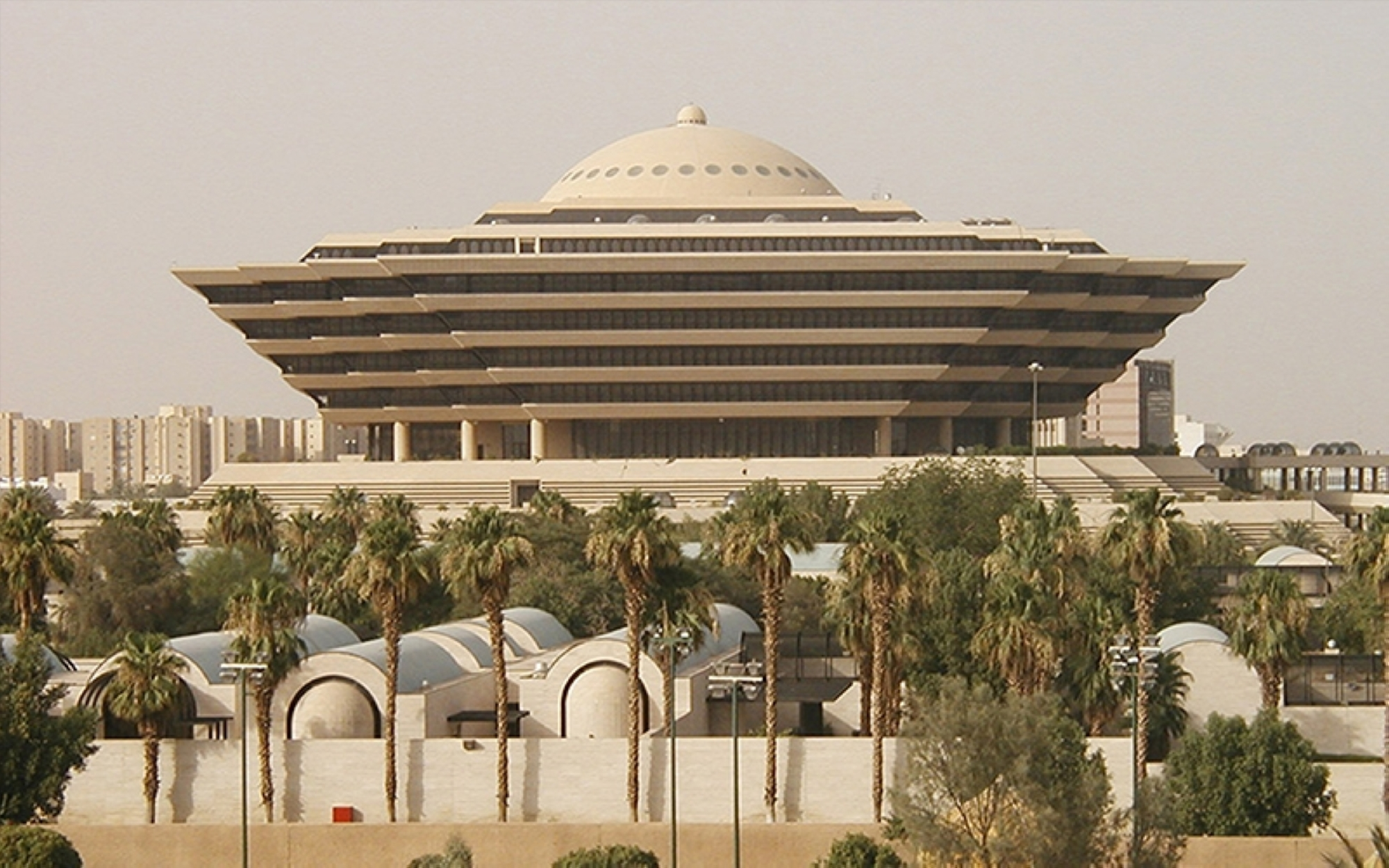
The Saudi Ministry of Interior announced on Wednesday the execution of a Saudi citizen and a Syrian resident in the Eastern Province, after they were convicted of bringing a quantity of amphetamine pills into the Kingdom with the intention of promoting and trading them.
The ministry explained in its statement that the convicted individuals are citizen Alaa bin Ibrahim bin Ali Al-Mahdhar and Syrian resident Bilal Abdullah Al-Sidawi. Security forces apprehended them in the act. After conducting the necessary investigations, they were formally charged and referred to the competent court.
The case went through all stages of litigation guaranteed by the Kingdom's judicial system. A preliminary ruling was issued against them, finding them guilty and sentencing them to death. The ruling was upheld by the Court of Appeal and then by the Supreme Court, making it final and binding. Accordingly, a royal decree was issued ordering the implementation of the legally mandated punishment, and the sentence was carried out today.
General context: The Kingdom's war on drugs
This ruling comes within the context of the Kingdom of Saudi Arabia's ongoing and resolute efforts to combat the scourge of drugs, which it considers a serious threat to the security of society and the well-being of its members, especially young people. The Kingdom applies strict and deterrent penalties, including the death penalty, against drug smugglers and traffickers, based on the provisions of Islamic Sharia law, which aims to protect the five necessities, including the preservation of life and intellect. The punishment of "discretionary execution" is a discretionary penalty determined by the judge for serious crimes that cause significant harm to society, such as drug trafficking.
The importance of the event and its expected impact
Domestically, the execution of this sentence sends a strong deterrent message to anyone who might contemplate jeopardizing the security of the nation, its citizens, and residents, and underscores the absolute zero tolerance for this type of crime. Regionally, it reflects Saudi Arabia's pivotal role in combating transnational drug trafficking networks, particularly those dealing with amphetamine (known as Captagon), which is prevalent in some countries in the region and directly targets the Kingdom. Internationally, this action highlights the rigor of the Saudi judicial system in dealing with major crimes and reaffirms the Kingdom's commitment to international agreements related to combating illicit drug trafficking.
At the end of its statement, the Ministry of Interior reiterated the keenness of the government of the Custodian of the Two Holy Mosques to combat drugs of all kinds because of the serious harm they cause to the individual and society, while warning all those who commit such criminal acts that they will face the legal punishment.
-

 Reports 6 days ago
Achievements of Saudi government sectors in 2025
-
Local news two weeks ago
FDA warns of contaminated Nestle infant formula | Recall details
-
Technology 4 weeks ago
US ban on drones: reasons and consequences
-
Technology 4 weeks ago
SRMG and Snapchat partnership: The future of digital media in the Middle East
-
Sports 4 weeks ago
Salah leads Egypt to a thrilling comeback against Zimbabwe in the Africa Cup of Nations
-
Technology 4 weeks ago
Saudi Arabia's Ministry of Islamic Affairs is employing artificial intelligence in public speaking
-
Sports 4 weeks ago
Napoli win the Italian Super Cup in Riyadh for the third time (2025)
-
Sports 4 weeks ago
Alexander Isak's injury: A major blow to Newcastle United's ambitions