Local News
The Shura Council calls for indicators to measure the performance of the Cultural Fund's financing
The Shura Council calls for indicators to measure the performance of the Cultural Fund's financing, a step towards greater transparency and efficiency in the use of resources to achieve strategic goals.

Analysis of the Shura Council's decision regarding development fund reports
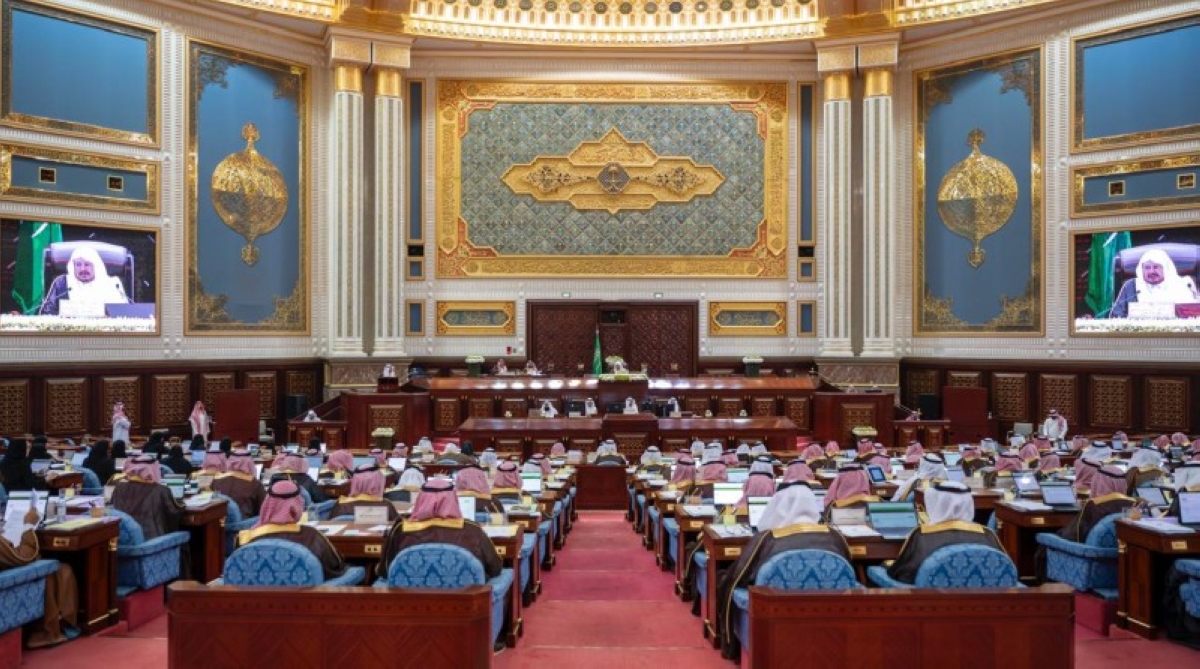
The Saudi Shura Council issued a significant resolution concerning the annual report of the Cultural Development Fund, calling for the development of performance indicators to measure the performance of institutions benefiting from its funding. This step aims to enhance transparency and improve the efficiency of financial resource utilization, thereby contributing to the achievement of the Fund's strategic objectives.
The council also called for a study on establishing a strategic funding program aimed at developing cultural infrastructure in underserved areas. This proposal reflects the urgent need to diversify funding sources and ensure the long-term sustainability of the economic and cultural impact.
Performance indicators and strategic development
In its fifth regular session of the second year of its ninth term, the Council, chaired by Sheikh Dr. Abdullah bin Mohammed bin Ibrahim Al Sheikh, emphasized the importance of developing performance indicators for the Real Estate Development Fund. The aim is to align these indicators with the Fund's objectives and activities to ensure effectiveness and efficiency in its financing programs.
The council also noted the need to review financing programs that are not attracting significant interest from target groups, highlighting the importance of reassessing and adapting these programs to better meet market needs. Coordinating with relevant stakeholders to expand the scope of developmental housing programs is a strategic step to enhance integration across different sectors.
Developing the Saudi labor market
The council discussed the annual report of the Human Resources Development Fund, and several members offered important observations. Dr. Fahad Al-Takhaifi called for developing programs to support the employment of Saudis to align with the dynamic changes in the labor market and the diverse operational requirements of small and medium-sized enterprises.
Similarly, Dr. Turki Al-Anzi called for exploring the possibility of launching educational programs that culminate in employment, ensuring the qualification of Saudi youth and the sustainability of available job opportunities. This proposal reflects the urgent need to strengthen vocational education and directly link it to the labor market.
Enhancing national competencies
On the other hand, Dr. Othman Hakami proposed launching an initiative to prepare graduates for employment in multinational companies with regional headquarters in the Kingdom. This initiative aims to enhance the competitiveness of national talent and strengthen its ability to compete in global markets through high-quality training programs that meet the needs of these companies.
Supporting small and medium enterprises
Regarding the Small and Medium Enterprises Bank, Council Member Dr. Rashid Al Sharif emphasized the need to increase support for businesses in the regions and work to develop them by providing appropriate financing solutions, services, and products. This support is vital for achieving balanced and inclusive economic development that enhances the local economy's capacity for growth and sustainability.
Future prospects and the general economic context
Future projections indicate that implementing these recommendations could significantly contribute to boosting local economic growth and diversifying national income sources.
The current global economic context is characterized by multiple challenges such as inflation and supply chain disruptions, making the focus on developing cultural infrastructure and supporting small and medium enterprises crucial for achieving stability and sustainable growth.
At the local level, focusing on improving resource utilization efficiency and developing national competencies can enhance the Kingdom’s ability to meet economic challenges and achieve the ambitious goals of Vision 2030.






Local News
Saudi Arabia weather: Cold wave, dust, and a sharp drop in temperature
The National Center for Meteorology forecasts a significant drop in temperatures and dust-laden winds across large areas of Saudi Arabia. Learn more about the details and impacts.
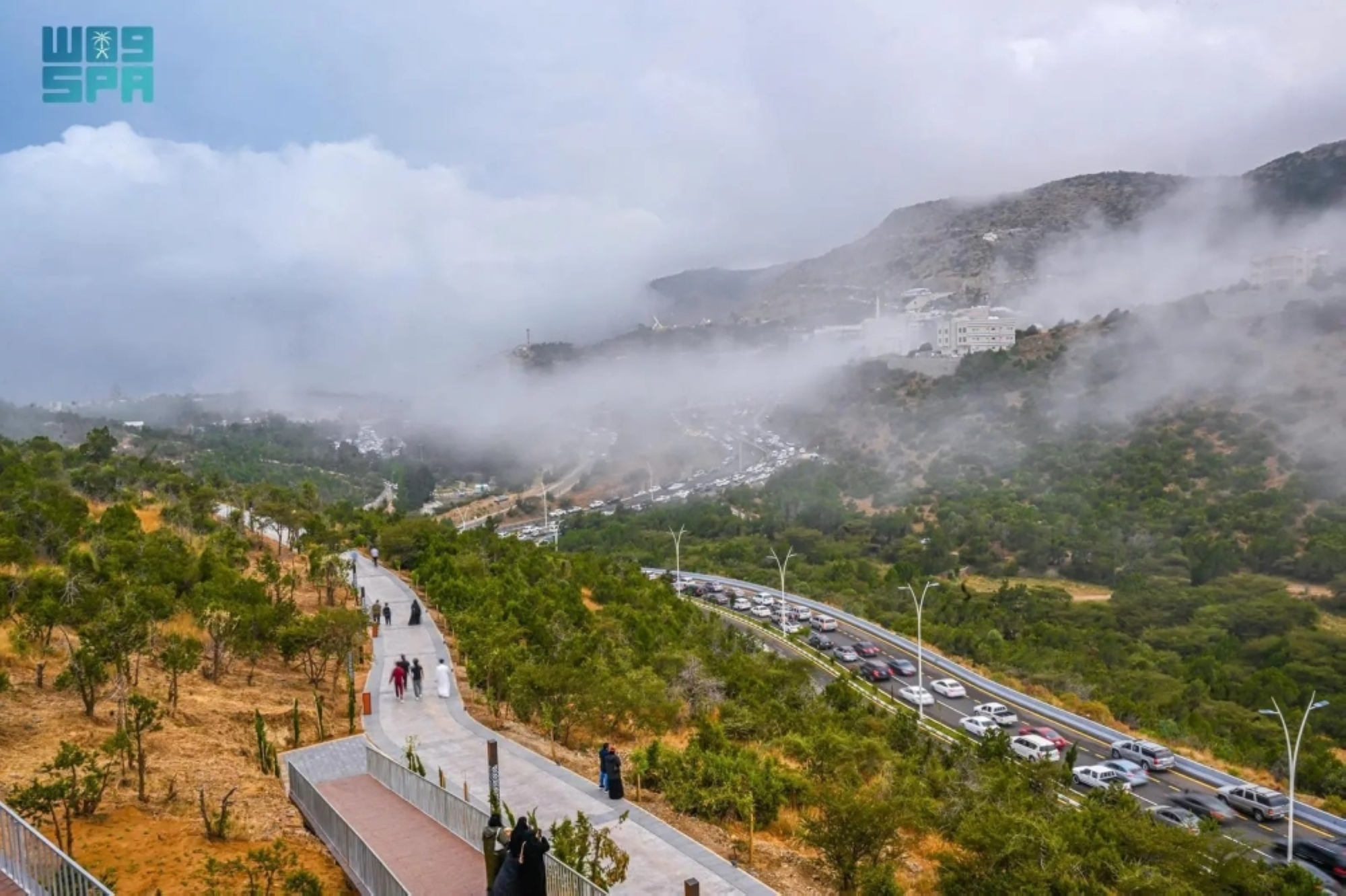
The National Center for Meteorology in Saudi Arabia issued a warning of expected weather fluctuations, predicting that large areas of the Kingdom will witness significant activity in surface winds that will stir up dust and sand, accompanied by a sharp and noticeable drop in temperatures, starting from Tuesday until the end of the week on Thursday.
Record low temperatures
According to the center's statement, minimum temperatures are expected to reach low levels, ranging between 2 degrees Celsius and -2 degrees Celsius in the northern regions, including Tabuk, Al-Jawf, the Northern Borders, Hail, and the northern part of the Madinah region. Other areas will also experience a significant drop, with minimum temperatures ranging between 4 degrees Celsius and 1 degree Celsius in Al-Qassim and the northern parts of the Eastern Province and Riyadh.
Wind activity and dust storms
A wave of active surface winds stirring up dust and sand will begin on Tuesday in the Al-Jawf and Northern Borders regions, gradually extending its effects from Tuesday evening through Wednesday to include the Hail, Al-Qassim, Riyadh, Eastern Province, and Najran regions. The center warned that the impact of these winds will reach the eastern parts of the Asir and Al-Baha regions on Wednesday and Thursday, in addition to the Makkah and Madinah regions, including their coastal areas, potentially reducing horizontal visibility.
The climatic context of winter in the Kingdom
These weather fluctuations are part of the typical winter weather patterns in the Arabian Peninsula, where the Kingdom is affected by cold air masses from the north, leading to a significant drop in temperatures, particularly in the northern and central regions. These periods are known locally as "Shabṭ" and "Al-Aqrab," and are characterized by intense cold. The wind activity accompanying these cold air masses also stirs up dust and sand, a common phenomenon in the Kingdom's desert environment.
Expected impacts and the importance of preparedness
This cold wave is expected to have multiple impacts on daily life. On the health front, those with respiratory illnesses and allergies are advised to take precautions and avoid direct exposure to dust. Health authorities also recommend wearing heavy winter clothing to prevent colds, especially for children and the elderly. Regarding road safety, reduced visibility due to dust requires drivers to be extra vigilant and reduce speed on highways. Air traffic at some regional airports may be slightly affected. Therefore, the National Center of Meteorology urges everyone to follow its weather updates and reports to take necessary precautions and ensure safety.
Local News
The specialist obtains a license to transport radioactive pharmaceuticals by air
King Faisal Specialist Hospital becomes the first hospital in Saudi Arabia to receive a license from the Civil Aviation Authority to transport radioactive pharmaceuticals by air, thus promoting nuclear medicine.
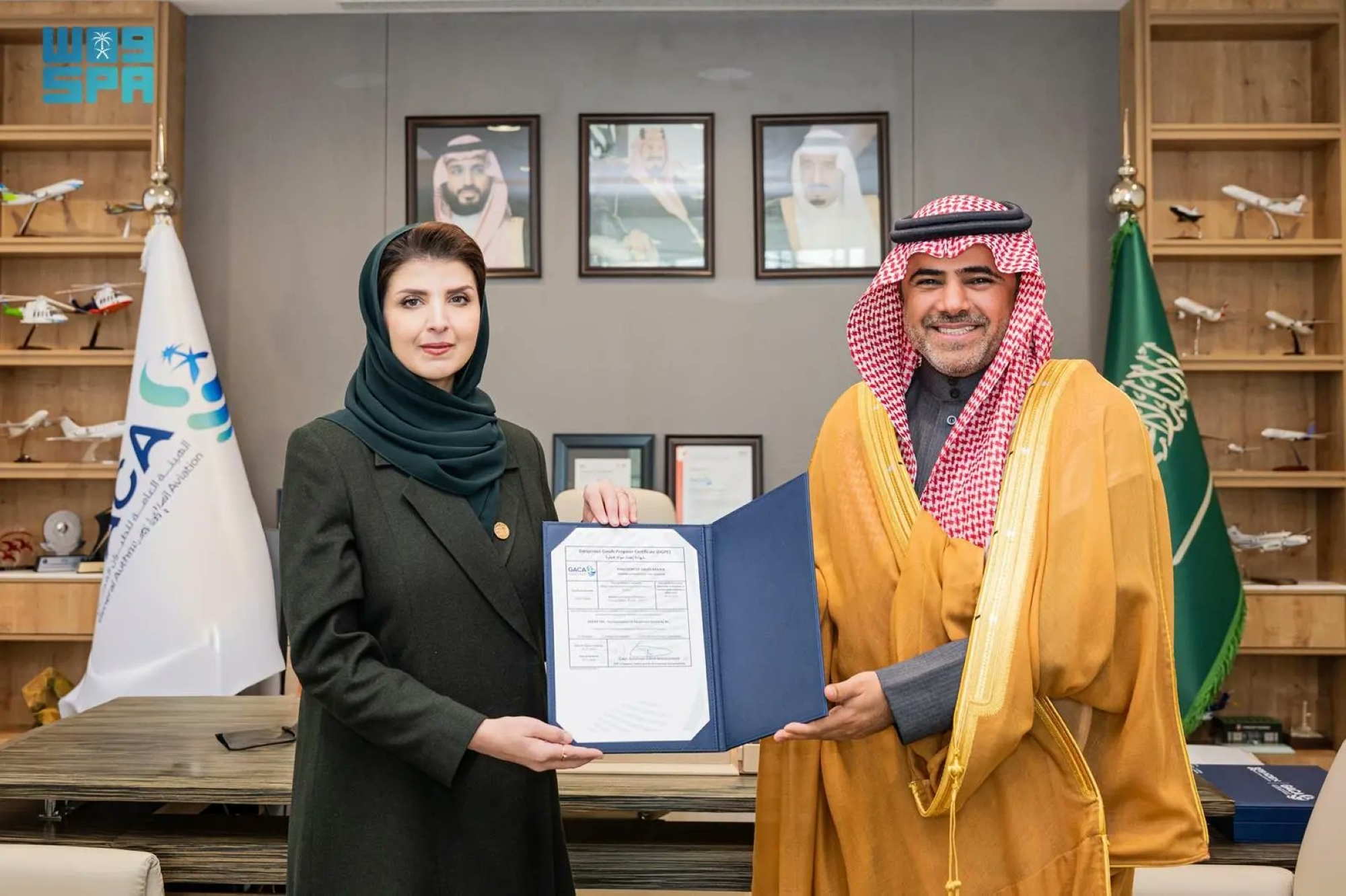
In a landmark move reflecting the growing integration of the health and aviation sectors in Saudi Arabia, the General Authority of Civil Aviation (GACA) announced the awarding of a Dangerous Materials Preparation and Processing (DGPC) certificate to King Faisal Specialist Hospital and Research Centre. This license makes the hospital the first in the Kingdom officially authorized to prepare and ship radiopharmaceuticals via air transport, representing a significant achievement that supports the national healthcare system and reinforces the Kingdom's position as a leading center for advanced medical services.
Background and importance of radiopharmaceuticals
Radiopharmaceuticals are a cornerstone of nuclear medicine, used in precise diagnostic and therapeutic procedures, most notably positron emission tomography (PET) scans, which play a crucial role in detecting and monitoring cancerous tumors, heart disease, and neurological disorders. The greatest challenge in using these materials lies in their physical nature; they have a short radioactive half-life, meaning their effectiveness diminishes rapidly within a few hours. This makes their rapid and safe transport essential to ensure they reach hospitals and patients in a timely manner and at their full potency.
The impact of the license on the health and logistics system
This license will overcome the time and logistical obstacles that previously hindered the distribution of these vital materials. By expediting air transport from their specialized production facility at King Faisal Specialist Hospital in Riyadh to various regions of the Kingdom, a greater number of patients will be able to receive the necessary diagnoses and treatments without delay. This step supports the nuclear medicine system by meeting the growing needs of hospitals and ensuring the continuity of advanced services with high efficiency. It also enhances the efficiency of the medical supply chain by reducing reliance on time-consuming ground transportation.
The certificate was issued after the hospital met all international technical and logistical requirements and standards, in accordance with the executive regulations for civil aviation safety, ensuring the highest levels of safety and compliance with local and international regulations in the transport of these sensitive materials.
Supporting the goals of the Kingdom's Vision 2030
Captain Sulaiman Al-Muhaimidi, Executive Vice President for Aviation Safety and Environmental Sustainability at the General Authority of Civil Aviation (GACA), affirmed that this grant embodies GACA's commitment to its role as an enabler for national entities by providing a regulatory and legislative environment that allows for the transport of hazardous medical materials in accordance with the highest international safety standards. He noted that this collaboration with King Faisal Specialist Hospital & Research Centre (KSRelief) is a model of integrated work that contributes to achieving the goals of the Kingdom's Vision 2030 in the health and logistics sectors.
For her part, Dr. Jackie Ying, Executive Director of Research and Innovation at King Faisal Specialist Hospital and Research Centre, explained that obtaining this license reflects the hospital's high level of preparedness and its technical and human capabilities in handling highly sensitive medical products. She added that the hospital's Cyclotron and Radiopharmaceuticals Department has produced more than 30 radiopharmaceuticals and administered over 800,000 doses, confirming its leadership in this field at the regional level.
Local News
Three terrorists were executed in Riyadh for targeting security forces
The Saudi Ministry of Interior announced the execution of three citizens in Riyadh for joining a terrorist organization and planting explosives to target security personnel.
The Saudi Ministry of Interior announced today (Sunday) the execution of three citizens in the Riyadh region who were convicted of committing serious terrorist crimes that threatened the country's security and stability. The ministry stated that the convicts were: Hussein bin Salem bin Mohammed Al-Amri, Saud bin Hilal bin Saud Al-Anzi, and Bassam Mohsen Maran Al-Subaie.
The case stems from the three men joining a foreign terrorist organization, adopting its extremist ideology, and attempting to carry out its criminal plots within the Kingdom. Their crimes included planting explosive devices in security vehicles with the intent to kill security personnel, as well as harboring and providing safe haven to a number of wanted terrorists.
The context of the Saudi confrontation with terrorism
This ruling comes within the context of the Kingdom of Saudi Arabia’s ongoing and resolute efforts to combat terrorism and extremism in all its forms. Over the past decades, Saudi Arabia has faced numerous terrorist threats and has developed a comprehensive strategy to counter them, encompassing not only security and military aspects but also intellectual and legislative dimensions. The Kingdom has established specialized criminal courts to adjudicate terrorism and state security cases, ensuring that those involved are tried according to fair judicial procedures that guarantee justice and the application of Islamic law.
The importance of governance and its deterrent effect
The execution of this sentence carries significant implications both domestically and internationally. Domestically, it sends a strong deterrent message to anyone contemplating threatening the security of the nation and its citizens, and underscores that the authorities will not tolerate any attempt to destabilize the country, especially those targeting security personnel who represent the first line of defense for society. Internationally, this action highlights the Kingdom's commitment to its role as an active partner in the global war on terror and affirms its seriousness in pursuing terrorist elements and preventing them from using its territory as a base for their criminal activities.
Legal procedures and issuance of the final ruling
The Ministry of Interior stated that security forces apprehended the perpetrators, and after conducting the necessary investigations, they were formally charged with committing these crimes. Upon their referral to the competent court, a verdict was issued finding them guilty and sentencing them to death. The verdict passed through all stages of litigation, being upheld by the Court of Appeals and the Supreme Court, thus becoming final and binding. A royal decree was then issued to carry out the legally mandated punishment.
The ministry concluded its statement by emphasizing the Kingdom’s government’s commitment to maintaining security and achieving justice, stressing that the legal punishment will be the fate of anyone who attacks innocent people and threatens the stability of society, in a clear warning that the hand of justice will reach anyone who tries to tamper with the security of this nation.
-

 Reports 3 days ago
Achievements of Saudi government sectors in 2025
-
Local news two weeks ago
FDA warns of contaminated Nestle infant formula | Recall details
-
Technology 4 weeks ago
Artificial intelligence regulations in Saudi education and student data protection
-
Technology 4 weeks ago
US ban on drones: reasons and consequences
-
Sports 4 weeks ago
Salah leads Egypt to a thrilling comeback against Zimbabwe in the Africa Cup of Nations
-
Technology 4 weeks ago
SRMG and Snapchat partnership: The future of digital media in the Middle East
-
Technology 4 weeks ago
Saudi Arabia's Ministry of Islamic Affairs is employing artificial intelligence in public speaking
-
Sports 4 weeks ago
Napoli win the Italian Super Cup in Riyadh for the third time (2025)