Local News
Tarif records the lowest temperature in Saudi Arabia today: Weather report
Tarif Governorate recorded the lowest temperature in the Kingdom today at 2 degrees Celsius. Learn more about the National Center of Meteorology's report and the rain and weather forecast for other regions.


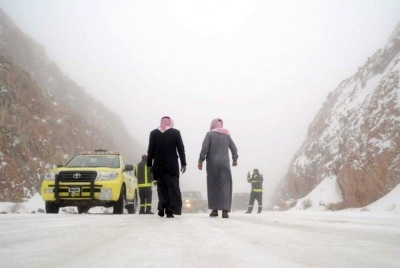
The city of Tarif, in the Northern Borders region, recorded the lowest temperature today among all cities and provinces in Saudi Arabia, reaching only 2 degrees Celsius, according to the official report issued by the National Center for Meteorology. This significant drop further solidifies the city's position as one of the coldest areas in the country during winter.
Geographical location and its impact on the climate of Tarif
The province of Tarif has a unique climate due to its strategic geographical location in the far north of the Kingdom. Situated at high altitudes, it serves as a major corridor for cold air masses originating from the Levant and Europe, and occasionally for polar Siberian waves. This location makes it consistently susceptible to very low temperatures compared to other regions of the Kingdom, and it is often the first stop for severe cold waves that subsequently affect the central and eastern regions.
A curious history with waves of cold and frost
Historically, Tarif's record-breaking low temperature is not a rare occurrence, but rather part of the region's typical climate pattern. In previous winters, the province has been accustomed to recording temperatures of zero and below zero degrees Celsius, often resulting in frost and snowfall that blanket the ground in white, attracting weather enthusiasts and photographers to document these exceptional winter conditions in a desert environment.
Rain forecast and general weather conditions
In a related development concerning the general weather conditions in the Kingdom, the National Center for Meteorology's report not only noted the low temperatures but also included forecasts of light to moderate thunderstorms. The report indicated that these storms may be accompanied by hail and strong winds that could reduce horizontal visibility in several regions of the Kingdom, necessitating caution from citizens, residents, and highway users.
The importance of following official warnings
These weather fluctuations underscore the importance of regularly monitoring weather forecasts issued by official authorities. Experts consistently emphasize the need to adhere to safety guidelines during these cold spells, particularly regarding the safe use of heating appliances to prevent suffocation or fires, as well as wearing warm winter clothing to protect children and the elderly from severe colds that can result from such a significant drop in temperature.




Local News
Complete power outage in Iraq: causes and expected return date
Details of today's nationwide power outage in Iraq. Learn about the causes of the blackout, the impact of the gas shortage at the Rumaila power plant, and the repercussions of regional tensions.

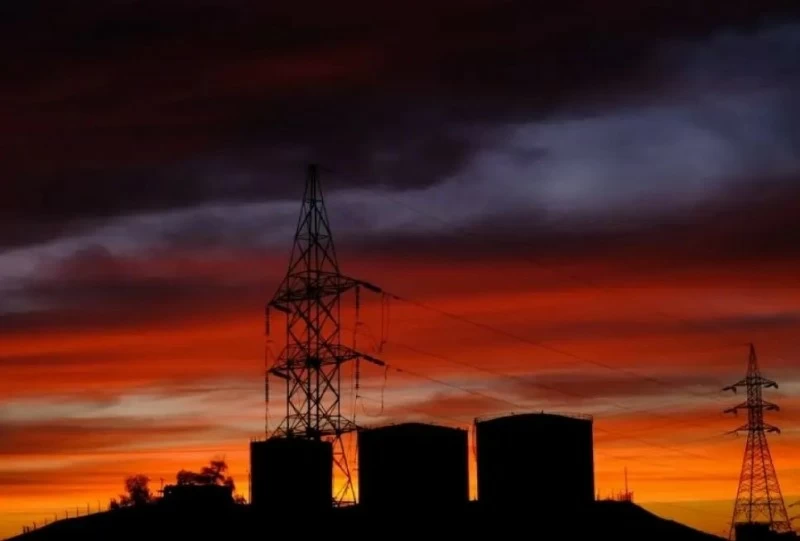
Iraq experienced a devastating blackout , with the Ministry of Electricity announcing a complete shutdown of the national grid across all provinces. This incident has reignited the long-standing and complex issue of energy, a source of concern for both citizens and the government, raising questions about the root causes and sustainable solutions.
Details of the system's technical breakdown
According to an official statement issued by the Ministry of Electricity and carried by the Iraqi News Agency (INA), the direct cause of this widespread blackout is a sharp and sudden drop in the gas supply needed to operate power plants. The ministry spokesperson identified the outage as originating at the Rumaila gas-fired power plant in Basra Governorate, where a fuel shortage forced it to shut down.
This sudden outage of a major power station caused a significant imbalance in the national grid's frequency distribution, leading to a chain reaction system collapse and a complete power outage across all regions. Technical and engineering teams are currently working tirelessly to restart the generating units and gradually reconnect them to the grid to restore power.
Iraq's energy crisis: a complex historical background
Today’s incident cannot be separated from the historical context of Iraq’s electricity crisis. Despite more than two decades having passed since the regime change in 2003, and successive governments having spent billions of dollars on the energy sector, the infrastructure continues to suffer from deep-seated structural problems. The most prominent of these problems is the significant gap between actual production, which often ranges between 19,000 and 24,000 megawatts, and actual demand, which exceeds 35,000 megawatts during peak times.
The electricity sector suffers from an economic paradox: Iraq continues to burn associated gas from oil extraction, while relying heavily on gas imports from neighboring countries to operate its power plants, making national energy security hostage to external variables and complex import contracts.
Economic and social repercussions
Power outages cast a long shadow over the daily lives of Iraqi citizens, who are forced to resort to costly alternatives such as privately owned generators (the "ampere system") to compensate for the government's shortfall. This reliance places a heavy financial burden on Iraqi families, in addition to the environmental pollution and noise generated by the proliferation of generators in residential areas. Vital sectors such as hospitals, factories, and water pumping stations are also directly affected by any fluctuations in supply, making the stability of the power grid a matter of paramount national security.
Regional tensions and their direct impact
The source indicated that this disruption coincides with highly complex regional circumstances, including ongoing military operations and tensions in the region, specifically mentioning continued Israeli-American operations. Experts believe that Iraq's geopolitical location makes it directly vulnerable to any regional conflict, as energy and gas supply chains are disrupted or pipelines are affected, exacerbating the internal crisis.
In conclusion, the electricity file in Iraq remains one of the most challenging files, awaiting long-term strategies that include diversifying energy sources, moving towards solar energy, and investing in national gas to end the total dependence on imports and avoid the recurrence of total blackout incidents.
Local News
King Abdulaziz Airport records 4.79 million passengers and enters the category of mega airports
King Abdulaziz International Airport recorded 4.79 million passengers in February, joining the ranks of mega airports. Learn more about the record-breaking figures and preparations for the Umrah and Ramadan seasons.

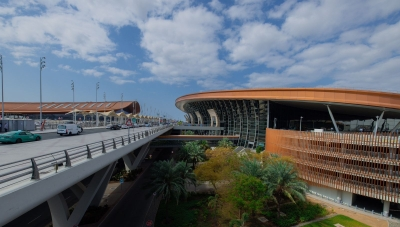
King Abdulaziz International Airport in Jeddah continues to achieve exceptional milestones in the civil aviation sector, making significant strides in passenger and flight numbers. This reflects the success of the national operational and strategic plans for transportation and logistics. In its latest statistics for February of this year, the airport recorded a new record, serving 4.79 million passengers, thus reaffirming its pivotal role as a major gateway to the Two Holy Mosques and a global logistics hub.
Record numbers and entry into the mega airport category
The February figures were not a coincidence, but rather a continuation of a steady growth trajectory. The airport successfully surpassed the 53.4 million passenger mark in 2025, officially qualifying it for the "Mega Airports" category. The operational statistics for February included some noteworthy details:
- Number of passengers: 4.79 million passengers.
- Number of flights: 27,600 flights.
- Baggage handling: Handling 5.6 million bags with high efficiency.
- Golden Day: February 22, 2026, recorded the highest daily operational rate of 185.8 thousand passengers.
The airport also witnessed significant momentum during the operational weeks, recording its third highest operational week of the month with approximately 1.23 million passengers, reflecting the sustainability of demand and the efficiency of human flow management.
Preparations for the Umrah and Ramadan season
These figures coincide with the early preparations undertaken by Jeddah Airports to accommodate the peak Umrah season and the holy month of Ramadan. The operational plan was based on several pillars to ensure smooth traffic flow:
- Three main halls are operating at full capacity.
- Increasing the number of employees and human resources to more than 10,000 employees to serve the guests of God.
- Upgrading passport and customs platforms, baggage handling systems and moving walkways.
These facilities are directly aimed at improving the traveler experience, reducing waiting times, and providing a safe and convenient journey, which is in line with the objectives of the Guests of God Service Program, one of the Kingdom’s Vision 2030 programs.
Strategic dimension and economic impact
This rapid growth in traffic at King Abdulaziz International Airport holds significant strategic importance that transcends mere numbers. Since the establishment of Jeddah Airports Company in 2022 to manage and operate the airport, work has been progressing rapidly to implement the aviation program stemming from the National Transport Strategy. This initiative aims to solidify the Kingdom's position as a global logistics hub connecting three continents, in addition to supporting the tourism and economic sectors in the Makkah region.
Reaching the mega airport category enhances the airport’s competitiveness regionally and internationally, attracts more global airlines, expands travel options for citizens, residents and visitors, and supports the Kingdom’s sustainable economic growth.
Local News
Tarif records the lowest temperature in Saudi Arabia, according to weather forecasts
The province of Tarif recorded 2 degrees Celsius, the lowest temperature in the Kingdom today, according to the National Center for Meteorology, with expectations of thunderstorms and hail showers in several regions.

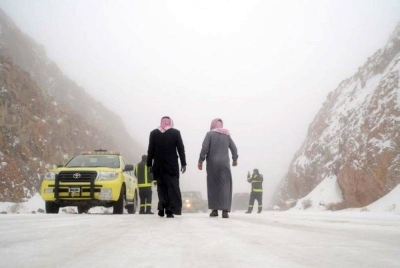
The city of Tarif in the Northern Borders region recorded the lowest temperature today among all cities and governorates in the Kingdom of Saudi Arabia, reaching only 2 degrees Celsius, according to official data in the daily report issued by the National Center for Meteorology. This significant drop further reinforces Tarif's status as one of the coldest areas in the Kingdom during the winter season.
Weather details and forecasts
The National Center for Meteorology explained in its report that this drop in temperatures coincides with a period of atmospheric instability affecting several regions. The report not only noted the low temperatures but also included forecasts of light to moderate thunderstorms, accompanied by hail and strong winds that will reduce horizontal visibility in scattered areas across the Kingdom. This necessitates caution from citizens, residents, and those traveling on highways.
Tarif... the cold capital of the north
The record low temperature in Tarif is not an exceptional event in Saudi Arabia's climate records. This northernmost province possesses unique geographical and climatic characteristics that make it directly susceptible to polar cold waves. Historically, Tarif has recorded record low temperatures, reaching below freezing in previous years, making it a prime example of the harsh winter climate of the Arabian Peninsula. This is due to its high altitude and its open geographical location, which receives cold air masses originating from northern Europe, specifically Siberia and Eastern Europe.
The importance of monitoring and seasonal warnings
This monitoring is particularly important in guiding relevant authorities and the public to prepare for cold waves, as this drop in temperature directly impacts daily life, from the need to wear heavy winter clothing to the use of safe heating methods. Reports from the National Center of Meteorology also play a vital role in providing early warnings to farmers and livestock breeders in northern regions, enabling them to protect their crops and livestock from potential frost waves that often accompany low temperatures.
In conclusion, the relevant authorities called on everyone to follow the constantly updated weather reports and to adhere to the instructions of the Civil Defense during weather fluctuations and rainfall, in order to ensure the safety of lives and property during this active winter season.
-

 Local News 7 days ago
Saudi Arabia approves regulations for the continued presence of Gulf vehicles: duration and penalties
-
Local news one week ago
The Ministry of Interior begins procedures for a royal pardon for common law prisoners
-
Local news one week ago
The deadline for property registration in Hail and Riyadh is Thursday
-
Local News 6 days ago
The Food and Drug Administration is recalling Bebelac and Aptamil milk due to potential contamination
-
Culture and Art, 1 week ago
The Devil's Prisons series was halted: The full story of "The Emperor's" being moved to YouTube
-
Local news one week ago
Under the patronage of the Minister of Information, an agreement was signed between the Ministry of Information and Waves Marketing Company
-
Local News 6 days ago
Saudi Energy: A new identity for electricity that aligns with Vision 2030
-
Local news one week ago
Registration is now open for domestic pilgrims for the 1447 AH season: Dates and conditions via Nusuk