Local News
إنفاق السياح في الصيف يصل إلى 53 مليار ريال
إنفاق السياح في السعودية يحقق 53 مليار ريال في الصيف، مسجلاً نمواً بنسبة 15، مما يعكس نجاح المملكة في تعزيز جاذبيتها السياحية.


نمو قطاع السياحة في السعودية: تحليل الأرقام والمؤشرات
أعلنت وزارة السياحة السعودية عن تحقيق إنفاق سياحي بلغ نحو 53.2 مليار ريال (ما يعادل 14.18 مليار دولار) خلال موسم الصيف، مسجلة نمواً بنسبة 15 مقارنة بصيف العام الماضي.
هذا النمو يعكس تحسناً ملحوظاً في أداء القطاع السياحي، ويشير إلى نجاح الجهود المبذولة لتعزيز جاذبية المملكة كوجهة سياحية.
الأداء المتميز لمنطقة عسير
من بين المناطق التي شهدت نمواً استثنائياً، تبرز منطقة عسير في جنوب غربي المملكة بزيادة عدد السياح القادمين من دول مجلس التعاون الخليجي بنسبة 49.
هذا الأداء يعكس فعالية الاستراتيجيات التسويقية والترويجية التي تستهدف الأسواق الإقليمية، ويعزز من مكانة المنطقة كمقصد سياحي مميز.
برنامج “صيف السعودية 2025” والأرقام القياسية
“صيف السعودية 2025” حقق أرقاماً قياسية في المؤشرات الأولية للسياحة، حيث بلغ عدد السياح من الداخل والخارج أكثر من 32 مليون سائح.
يمثل هذا الرقم نمواً بنسبة 26 مقارنة بالموسم السابق، مما يدل على نجاح السياسات الحكومية في جذب المزيد من الزوار وتعزيز تجربة السائحين.
دلالات الأرقام وتأثيرها على الاقتصاد المحلي والعالمي
الإنفاق السياحي البالغ 53.2 مليار ريال يعد مؤشراً إيجابياً على تعافي القطاع السياحي بعد التحديات التي واجهها بسبب الجائحة العالمية.
This growth in spending not only boosts the local economy by creating jobs and stimulating related sectors such as hospitality and retail, but also enhances Saudi Arabia’s position on the global tourism map.
“رؤية 2030” ودورها في تعزيز القطاع السياحي
The success of these initiatives is part of the broader objectives of “Vision 2030”, which aims to diversify the Saudi economy away from oil dependency by developing other sectors, including tourism.
The focus on developing unique tourist products, hosting global events, and improving service quality aligns with this vision and contributes to achieving its goals.
The Global Context and Future Expectations
The positive performance of the Saudi tourism sector comes at a time when global tourism is gradually recovering from the pandemic’s impact, offering a competitive edge for Saudi Arabia in attracting international tourists seeking new destinations.
The continued investment in infrastructure, marketing campaigns targeting key markets, and strategic partnerships are expected to sustain this growth trajectory in the coming years.
If these trends continue, Saudi Arabia could see further increases in tourist numbers and spending, contributing significantly to GDP growth and positioning itself as a leading global tourist destination by 2030.




Local News
Healthy Living: A campaign to promote healthy eating in Saudi schools
The Ministries of Health and Education launched the “Live Healthy Break” campaign to raise awareness among students and parents about the importance of healthy breakfasts and balanced school meals, in line with the goals of Vision 2030.

In a strategic move aimed at building a healthy and vibrant generation, the Saudi Ministry of Health, in collaboration with the Ministry of Education, announced the launch of a national awareness campaign under the slogan “Recess: Live Healthily.” This ambitious campaign aims to promote healthy eating habits and instill sound health practices within the school environment by empowering students and their parents with the information and tools necessary to make school recess a time of health and benefit.
This initiative comes within a broader context aligned with the ambitious goals of the Kingdom's Vision 2030, specifically the Health Sector Transformation Program. The Vision aims to build a vibrant society where individuals enjoy healthy and fulfilling lives by focusing on preventative medicine and raising the average life expectancy of citizens to 80 years. The "Live Healthily" campaign is one of the tools for achieving this goal, targeting children at an early age to instill healthy eating habits that will last a lifetime.
The importance of early intervention in the school environment
The campaign's significance stems from its focus on the school environment, where students spend a significant portion of their day, making it an ideal setting for positively influencing their behavior. Proper nutrition during the school years benefits not only physical growth but also enhances cognitive abilities, concentration, and academic performance. Given the contemporary health challenges posed by the proliferation of fast food and foods high in sugar and fat, guiding children toward healthy choices is crucial to combating diseases like obesity and type 2 diabetes, which are increasingly appearing at younger ages.
Campaign themes and detailed objectives
The “Live Healthy Break” campaign is based on several key pillars, foremost among them reinforcing the importance of breakfast as essential fuel for a busy school day. It also seeks to promote a culture of healthy school breakfasts and improve the breakfast selection habits of parents, students, and teachers. By providing them with the necessary knowledge, the campaign aims to empower them to make informed and sound nutritional decisions that contribute to building a balanced and sustainable diet. These efforts are an integral part of the broader “Live Healthy” initiative, which works to raise health and nutritional awareness across all segments of society.
Expected impact at the national level
This campaign is expected to have a tangible positive impact in both the short and long term. On an individual level, it will contribute to improving students' health and academic performance. On a national level, investing in children's health today is an investment in the Kingdom's future, as it will reduce the burden on the healthcare system and create a more productive and vibrant society capable of achieving its comprehensive development aspirations. This reflects the positive impact of the quality of life programs, which are a cornerstone of Vision 2030.
Local News
Saudi Arabia weather: Cold wave, dust, and a sharp drop in temperature
The National Center for Meteorology forecasts a significant drop in temperatures and dust-laden winds across large areas of Saudi Arabia. Learn more about the details and impacts.
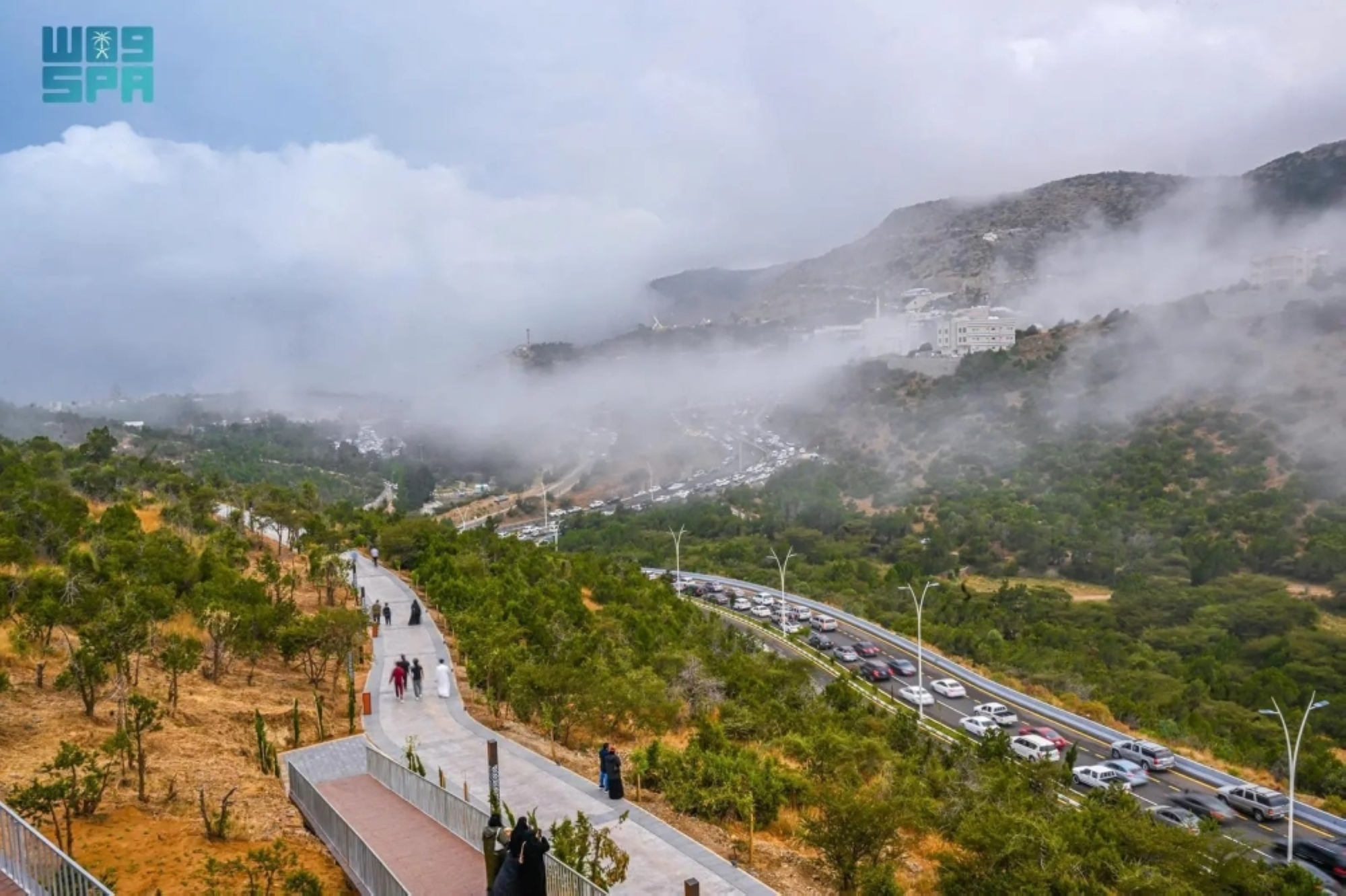
The National Center for Meteorology in Saudi Arabia issued a warning of expected weather fluctuations, predicting that large areas of the Kingdom will witness significant activity in surface winds that will stir up dust and sand, accompanied by a sharp and noticeable drop in temperatures, starting from Tuesday until the end of the week on Thursday.
Record low temperatures
According to the center's statement, minimum temperatures are expected to reach low levels, ranging between 2 degrees Celsius and -2 degrees Celsius in the northern regions, including Tabuk, Al-Jawf, the Northern Borders, Hail, and the northern part of the Madinah region. Other areas will also experience a significant drop, with minimum temperatures ranging between 4 degrees Celsius and 1 degree Celsius in Al-Qassim and the northern parts of the Eastern Province and Riyadh.
Wind activity and dust storms
A wave of active surface winds stirring up dust and sand will begin on Tuesday in the Al-Jawf and Northern Borders regions, gradually extending its effects from Tuesday evening through Wednesday to include the Hail, Al-Qassim, Riyadh, Eastern Province, and Najran regions. The center warned that the impact of these winds will reach the eastern parts of the Asir and Al-Baha regions on Wednesday and Thursday, in addition to the Makkah and Madinah regions, including their coastal areas, potentially reducing horizontal visibility.
The climatic context of winter in the Kingdom
These weather fluctuations are part of the typical winter weather patterns in the Arabian Peninsula, where the Kingdom is affected by cold air masses from the north, leading to a significant drop in temperatures, particularly in the northern and central regions. These periods are known locally as "Shabṭ" and "Al-Aqrab," and are characterized by intense cold. The wind activity accompanying these cold air masses also stirs up dust and sand, a common phenomenon in the Kingdom's desert environment.
Expected impacts and the importance of preparedness
This cold wave is expected to have multiple impacts on daily life. On the health front, those with respiratory illnesses and allergies are advised to take precautions and avoid direct exposure to dust. Health authorities also recommend wearing heavy winter clothing to prevent colds, especially for children and the elderly. Regarding road safety, reduced visibility due to dust requires drivers to be extra vigilant and reduce speed on highways. Air traffic at some regional airports may be slightly affected. Therefore, the National Center of Meteorology urges everyone to follow its weather updates and reports to take necessary precautions and ensure safety.
Local News
The specialist obtains a license to transport radioactive pharmaceuticals by air
King Faisal Specialist Hospital becomes the first hospital in Saudi Arabia to receive a license from the Civil Aviation Authority to transport radioactive pharmaceuticals by air, thus promoting nuclear medicine.
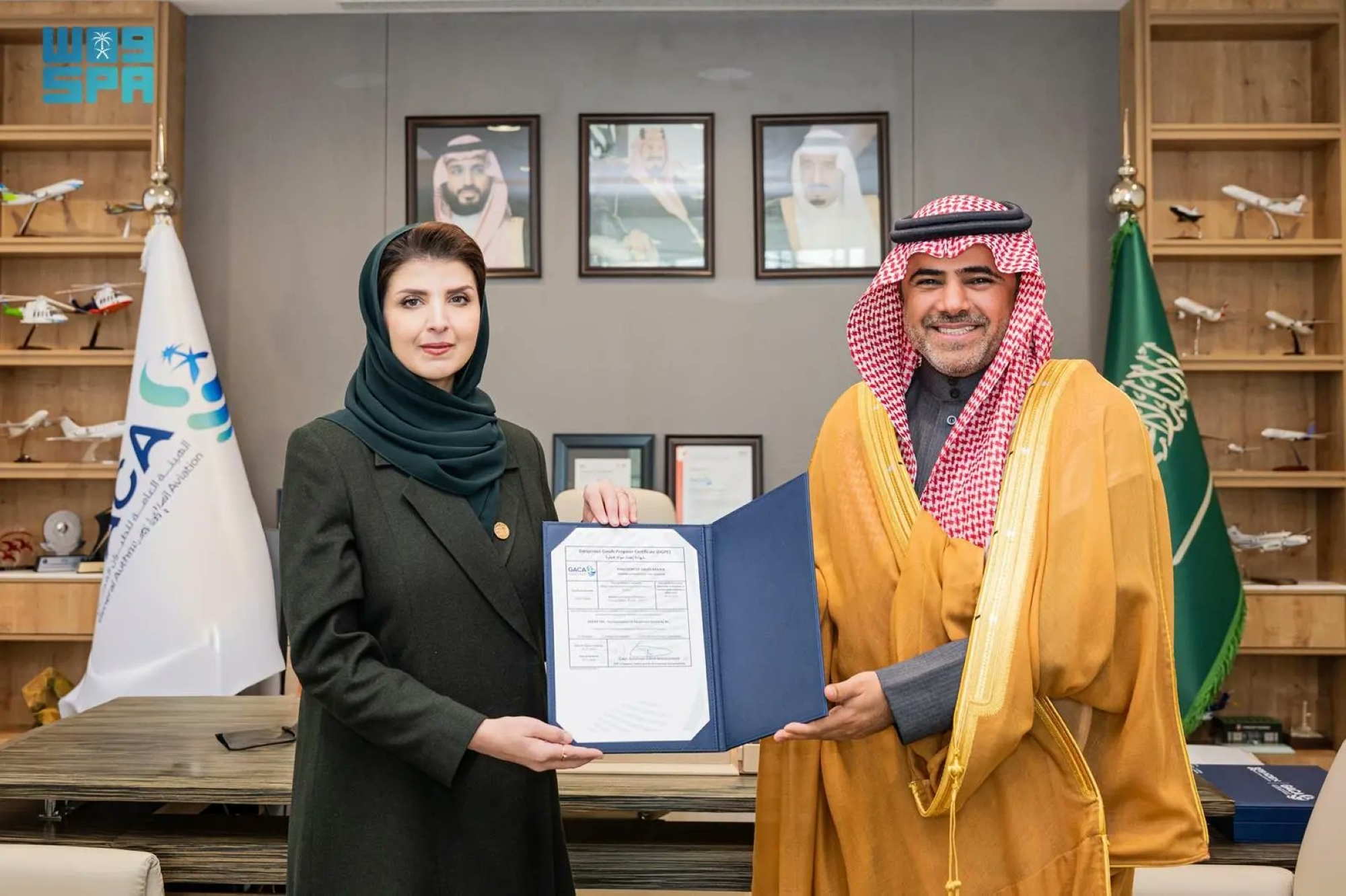
In a landmark move reflecting the growing integration of the health and aviation sectors in Saudi Arabia, the General Authority of Civil Aviation (GACA) announced the awarding of a Dangerous Materials Preparation and Processing (DGPC) certificate to King Faisal Specialist Hospital and Research Centre. This license makes the hospital the first in the Kingdom officially authorized to prepare and ship radiopharmaceuticals via air transport, representing a significant achievement that supports the national healthcare system and reinforces the Kingdom's position as a leading center for advanced medical services.
Background and importance of radiopharmaceuticals
Radiopharmaceuticals are a cornerstone of nuclear medicine, used in precise diagnostic and therapeutic procedures, most notably positron emission tomography (PET) scans, which play a crucial role in detecting and monitoring cancerous tumors, heart disease, and neurological disorders. The greatest challenge in using these materials lies in their physical nature; they have a short radioactive half-life, meaning their effectiveness diminishes rapidly within a few hours. This makes their rapid and safe transport essential to ensure they reach hospitals and patients in a timely manner and at their full potency.
The impact of the license on the health and logistics system
This license will overcome the time and logistical obstacles that previously hindered the distribution of these vital materials. By expediting air transport from their specialized production facility at King Faisal Specialist Hospital in Riyadh to various regions of the Kingdom, a greater number of patients will be able to receive the necessary diagnoses and treatments without delay. This step supports the nuclear medicine system by meeting the growing needs of hospitals and ensuring the continuity of advanced services with high efficiency. It also enhances the efficiency of the medical supply chain by reducing reliance on time-consuming ground transportation.
The certificate was issued after the hospital met all international technical and logistical requirements and standards, in accordance with the executive regulations for civil aviation safety, ensuring the highest levels of safety and compliance with local and international regulations in the transport of these sensitive materials.
Supporting the goals of the Kingdom's Vision 2030
Captain Sulaiman Al-Muhaimidi, Executive Vice President for Aviation Safety and Environmental Sustainability at the General Authority of Civil Aviation (GACA), affirmed that this grant embodies GACA's commitment to its role as an enabler for national entities by providing a regulatory and legislative environment that allows for the transport of hazardous medical materials in accordance with the highest international safety standards. He noted that this collaboration with King Faisal Specialist Hospital & Research Centre (KSRelief) is a model of integrated work that contributes to achieving the goals of the Kingdom's Vision 2030 in the health and logistics sectors.
For her part, Dr. Jackie Ying, Executive Director of Research and Innovation at King Faisal Specialist Hospital and Research Centre, explained that obtaining this license reflects the hospital's high level of preparedness and its technical and human capabilities in handling highly sensitive medical products. She added that the hospital's Cyclotron and Radiopharmaceuticals Department has produced more than 30 radiopharmaceuticals and administered over 800,000 doses, confirming its leadership in this field at the regional level.
-

 Reports 3 days ago
Achievements of Saudi government sectors in 2025
-
Local news two weeks ago
FDA warns of contaminated Nestle infant formula | Recall details
-
Technology 4 weeks ago
Artificial intelligence regulations in Saudi education and student data protection
-
Technology 4 weeks ago
US ban on drones: reasons and consequences
-
Sports 4 weeks ago
Salah leads Egypt to a thrilling comeback against Zimbabwe in the Africa Cup of Nations
-
Technology 4 weeks ago
SRMG and Snapchat partnership: The future of digital media in the Middle East
-
Technology 4 weeks ago
Saudi Arabia's Ministry of Islamic Affairs is employing artificial intelligence in public speaking
-
Sports 4 weeks ago
Napoli win the Italian Super Cup in Riyadh for the third time (2025)