
Local News
The Saudi Water Authority announces the winners of Waterathon 2025
The Saudi Water Authority crowns 13 teams at Waterathon 2025. Learn about the details of the event and its role in promoting water innovation within the Kingdom's Vision 2030 and sustainability solutions.

The Saudi Water Authority announced the winners of the "WaterThon 2025" competition, the premier event in the water innovation sector, which aims to attract bright minds and innovators to develop high-quality solutions to the challenges facing the water sector. This announcement comes as a culmination of intensive efforts and strong competition that witnessed broad participation from developers, researchers, and entrepreneurs interested in the sustainability of water resources.
Supporting innovation and addressing water challenges
Waterathon 2025 is a vital strategic platform launched by the Saudi Water Authority to empower national and international talent to utilize modern technologies, such as artificial intelligence, the Internet of Things, and big data analytics, in service of the water sector. The winning teams focused on presenting projects that contribute to increasing operational efficiency, reducing water waste, and improving water quality, in addition to developing new and sustainable methods for desalination and treatment, reflecting the Authority's commitment to adopting advanced digital solutions.
The context of the Kingdom's Vision 2030 and water security
This event cannot be separated from the broader context of Saudi Vision 2030, which prioritizes water security and environmental sustainability. Given its geography and arid climate, the Kingdom is a global leader in seawater desalination. These initiatives aim to solidify this leading position, not only through massive infrastructure development but also through investment in human capital and innovation. Miyahthon contributes to achieving the Vision's objectives by fostering a stimulating environment for research and development, supporting the knowledge economy, and encouraging entrepreneurship in vital sectors.
Expected economic and social impact
The success of these 13 teams carries significant implications beyond mere recognition; many of these initial ideas and projects are expected to evolve into startups that contribute to the GDP and create new job opportunities for Saudi youth. Furthermore, implementing these innovative solutions will reduce the operational costs of water production and transportation, benefiting both the national economy and the end consumer.
Saudi Arabia's leadership in the global water sector
The success of Waterathon 2025 underscores the pivotal role of Saudi Arabia as a global hub for innovation in the water sector. By sponsoring such events, the Saudi Water Authority sends a clear message to the international community about the Kingdom's commitment to leading global efforts to address water scarcity and climate change, setting an exemplary standard for integrating modern technology with the sustainable management of natural resources.


Local News
Trade: 17,500 inspection tours in Mecca and Medina in preparation for Ramadan
The Saudi Ministry of Commerce is conducting 17,500 inspection tours in Mecca and Medina to ensure the availability of goods and price stability before Ramadan, in order to protect consumers and pilgrims.

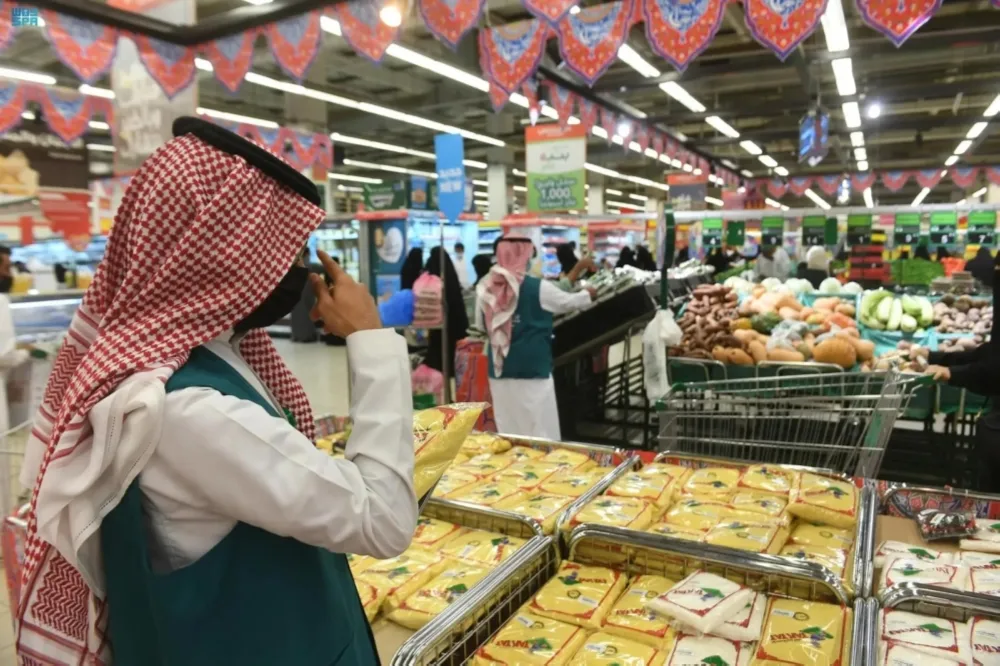
The Ministry of Commerce announced that it has intensified its monitoring efforts in the Makkah and Madinah regions, where its field teams carried out more than 17,500 proactive inspection tours, as part of its preparations for the holy month of Ramadan, which witnesses a large influx of pilgrims and visitors.
These intensified campaigns come in the context of the religious and historical significance of the two holy cities, especially during the months of Rajab and Sha'ban preceding Ramadan, when the number of pilgrims performing Umrah and visiting the Prophet's Mosque doubles. This increased influx naturally leads to a significant rise in demand for food, supplies, and services, necessitating robust monitoring plans to ensure market stability and protect the rights of consumers, including citizens, residents, and visitors.
The Ministry explained that these inspection tours, conducted between the 1st of Rajab and the 5th of Sha'ban 1445 AH, covered a wide range of commercial establishments. These included major supermarkets, hypermarkets, and retail outlets located in the central areas surrounding the Two Holy Mosques, as well as gold and jewelry shops, which experience increased demand during this season. The inspections also extended to gas stations and service centers on the main roads leading to Makkah and Madinah, and the designated Miqat points for Ihram, to ensure the quality of services provided to pilgrims.
These proactive efforts have yielded tangible positive results, with inspection teams confirming the ample availability of essential food commodities and sufficient stock to meet anticipated demand during the holy month. The teams also verified that products offered for sale conformed to approved standards in the Kingdom and that businesses were adhering to consumer protection regulations, such as clearly displaying prices and issuing invoices.
These measures are of paramount importance both domestically and internationally. Domestically, they contribute to strengthening consumer confidence in the market and prevent harmful business practices such as monopolies or artificially inflated prices. Internationally, they reflect the Kingdom of Saudi Arabia's commitment to providing the best possible experience for pilgrims from around the world, aligning with the objectives of the "Guests of God Service Program," one of the programs under Saudi Vision 2030, which aims to enrich and enhance the Hajj and Umrah experience.
Local News
Saudi Arabia halts perennial fodder cultivation to conserve groundwater
The Saudi Ministry of Environment announced a decision to stop cultivating perennial fodder in sedimentary shelf areas starting in 2026, in a strategic step to protect non-renewable water resources.
A crucial step towards water sustainability
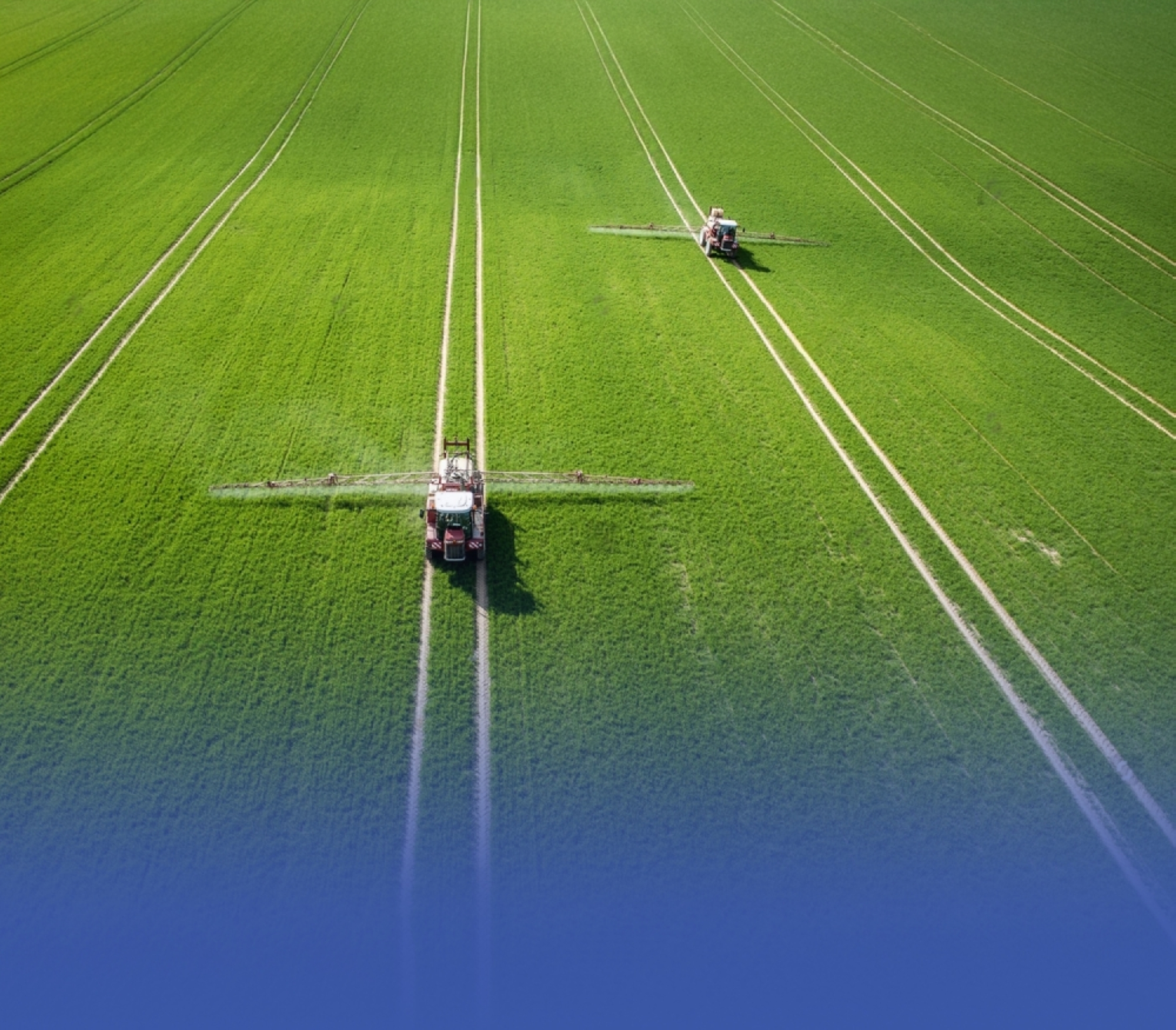
The Ministry of Environment, Water and Agriculture in the Kingdom of Saudi Arabia announced a strategic decision aimed at protecting its non-renewable water resources. The decision to halt the cultivation of perennial fodder crops in sedimentary aquifers will take effect on Monday, November 16, 2026 (corresponding to June 7, 1448 AH). This decision is part of the Kingdom's ongoing efforts to achieve water security and address the challenges of water scarcity in one of the world's driest regions.
Historical context and groundwater crisis
Saudi Arabia has relied heavily on non-renewable groundwater, also known as “fossil water,” to meet its growing agricultural needs for decades. The sedimentary shelf regions are among the country’s most important underground reservoirs, containing vast quantities of water that have accumulated over thousands of years. However, significant agricultural expansion, particularly in the cultivation of water-intensive crops such as perennial fodder (like alfalfa), has led to the depletion of these precious resources at alarming rates, threatening the sustainability of future generations.
Details of the decision and the mechanism for its gradual implementation
The ministry clarified that the decision will not be implemented abruptly, but rather gradually over three years to allow farmers time to adapt to the new changes. This transitional period aims to encourage farmers to shift towards cultivating seasonal fodder crops that require less water, in accordance with the regulations stipulated in Cabinet Resolution No. 66, issued on February 25, 1437 AH (corresponding to 2016). The decision encompasses all areas cultivated with perennial fodder crops within the geographical boundaries of the sedimentary aquifer.
Expected impact and importance of the decision
This decision is of paramount importance on both the environmental and economic fronts. Environmentally, it will directly contribute to reducing groundwater depletion. Ministry data indicates that one hectare of perennial fodder consumes approximately 32,000 cubic meters of water annually, while seasonal fodder consumes only about 9,000 cubic meters. This significant difference reflects the substantial water savings that will be achieved, thus bolstering the Kingdom's strategic water reserves. Economically, the decision will encourage the agricultural sector to adopt more efficient and sustainable practices, aligning with the objectives of the National Agricultural Strategy and the Kingdom's Vision 2030, which prioritizes environmental sustainability.
Towards a sustainable agricultural future
This government approach underscores that achieving food security should not come at the expense of water security. By shifting to less water-intensive agricultural alternatives and supporting farmers during this transition, the Kingdom seeks to strike a delicate balance between agricultural development and the preservation of its scarce natural resources, thus ensuring a more sustainable future for generations to come.
Local News
Education and Aramco: A partnership to develop future skills for students in Saudi Arabia
The Ministry of Education and Saudi Aramco signed a memorandum of understanding to promote STEM skills and volunteer work, in line with Vision 2030 to build a knowledge-based economy.
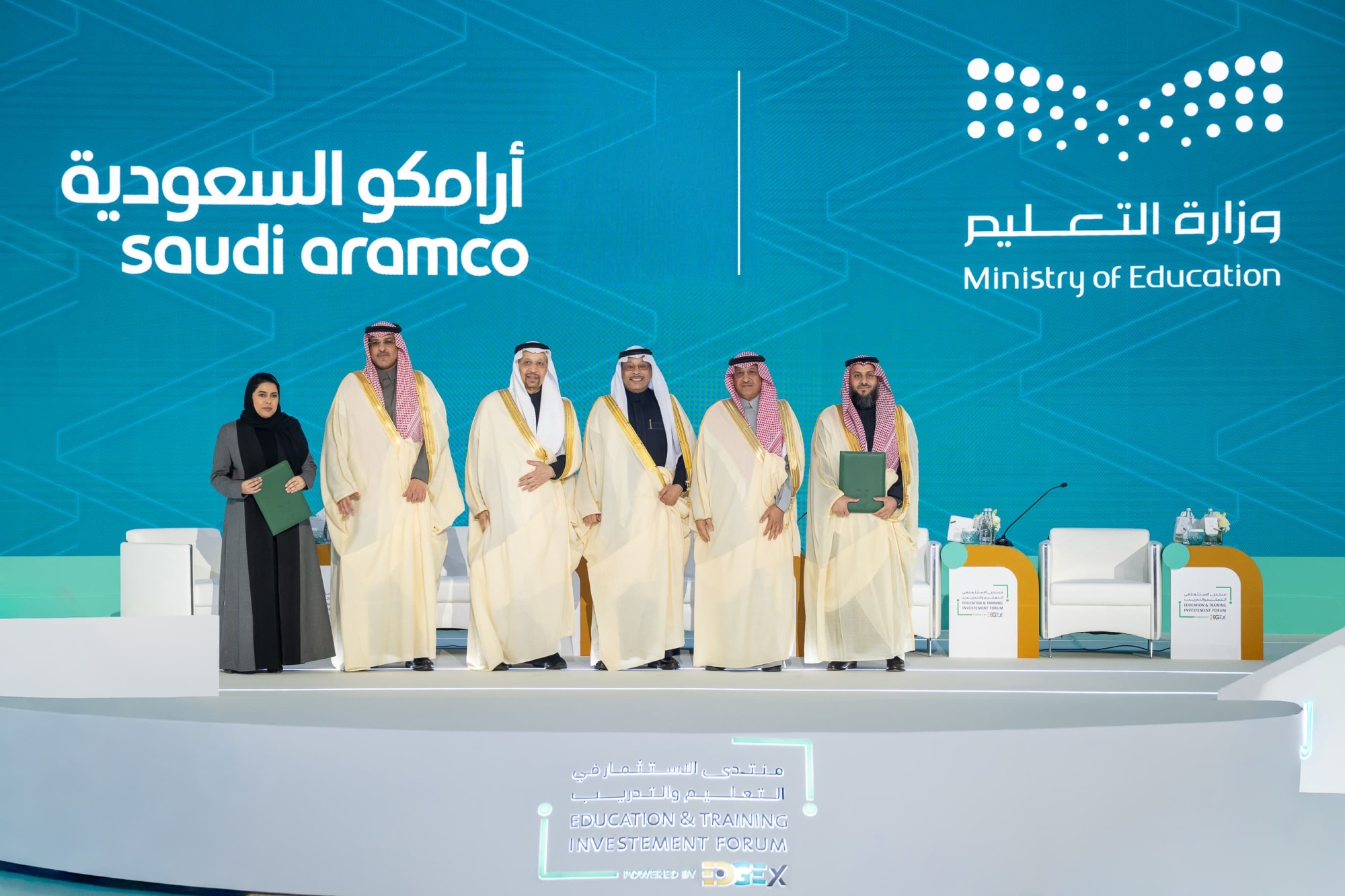
In a strategic move aimed at empowering future generations and equipping them with the skills necessary to meet the demands of the future, the Saudi Ministry of Education and Saudi Aramco signed a memorandum of understanding to enhance their collaboration. This partnership focuses on developing students' skills in the fields of science, technology, engineering, and mathematics (STEM), as well as fostering a culture of volunteerism and social responsibility, and supporting safety and security initiatives in the school environment.
National context and future vision
This collaboration comes within the framework of broader national efforts to achieve the goals of Saudi Vision 2030, which places human capital development at the heart of its priorities. Through programs such as the Human Capability Development Program, the Kingdom seeks to prepare globally competitive citizens equipped with the skills and knowledge required by a knowledge-based and innovation-driven economy. Public-private partnerships, such as this one between the Ministry of Education and Aramco, are a cornerstone for accelerating this transformation, as the expertise and capabilities of a leading company like Aramco contribute to enriching the education system with high-quality, applied, and practical programs.
Details and objectives of the memorandum
The memorandum was signed during the “Investment in Education and Training Forum 2026” held in Riyadh, coinciding with the International Day of Education, thus lending the event special significance. Under this agreement, the two parties will work on:
- Developing STEM skills: Designing and implementing specialized educational and applied programs in the fields of science, technology, engineering, and mathematics, with the aim of promoting critical thinking and innovation among students and preparing them for university majors and future jobs in these vital sectors.
- Promoting volunteer work: Studying the adoption of Aramco's volunteer programs within the approved volunteer hours for high school students, and developing mechanisms to measure the societal impact of these programs, thereby instilling values of active citizenship and giving in the younger generation.
- Supporting security and safety: Developing integrated awareness and training programs to raise awareness of security and safety standards within schools, and to provide a safe and stimulating learning environment for all.
- Exchange of experiences: Cooperation in exchanging data, statistics and technical expertise between the Ministry and the company to continuously improve and develop educational and community initiatives.
Expected impact and future prospects
This partnership is expected to have a tangible positive impact at both the local and regional levels. Locally, it will help bridge the gap between educational outcomes and labor market demands, and develop a national workforce capable of leading promising industrial and technological sectors. Regionally, this initiative represents a pioneering model of cooperation between government institutions and major national companies to achieve sustainable development, potentially inspiring similar initiatives in other countries in the region.
In this context, Professor Nabil Al-Jamea, Executive Vice President of Human Resources and Support Services at Saudi Aramco, stated that “this cooperation confirms the keenness of both parties to continue their joint efforts in establishing a culture of volunteering and enhancing the role of education in serving the community… It is an investment in the Kingdom’s generations and a contribution to empowering students with future skills and preparing them to benefit from promising opportunities.”.
It is worth noting that this memorandum comes as an extension of an existing and fruitful cooperation, as the “Schools Volunteering” program was launched in 2023 according to the “Rashid” standard, and witnessed the participation of more than 131,000 volunteers who completed more than 1.25 million volunteer hours in 892 schools, which reflects the solid foundation on which this new partnership is built.
-
 Local news one day ago
Landslide in Riyadh: Details of the incident in Al-Sahafa neighborhood and containment efforts
-
 Local news two days ago
The death penalty was carried out against a citizen who stabbed another to death in Tabuk
-
 Local News 21 hours ago
Riyadh collapse: Emergency plans to secure water after a main pipeline burst
-
Sports 18 hours ago
Controversy surrounds Al-Hilal's goal against Al-Riyadh: A refereeing expert reveals a major error
-

 Culture and Art 6 days ago
Ramez Galal in Ramadan 2026: Details of the bloody prank show
-

 Local News 3 days ago
First birth on the Riyadh train: A heartwarming story at Andalus station
-
Sports 21 hours ago
Al-Nassr's absences against Al-Taawon in the Roshan League and their impact on the team
-

 Culture and Art 15 hours ago
Haifa Wehbe's absence in Riyadh: A photo crisis or a strained relationship with the media?