
Local News
Saudi Media Forum 2026: The Future of Media from a Saudi Perspective
The fifth edition of the Saudi Media Forum 2026 will kick off in Riyadh, with the participation of a select group of experts to discuss the challenges and opportunities of the media industry in light of the Kingdom’s Vision 2030.

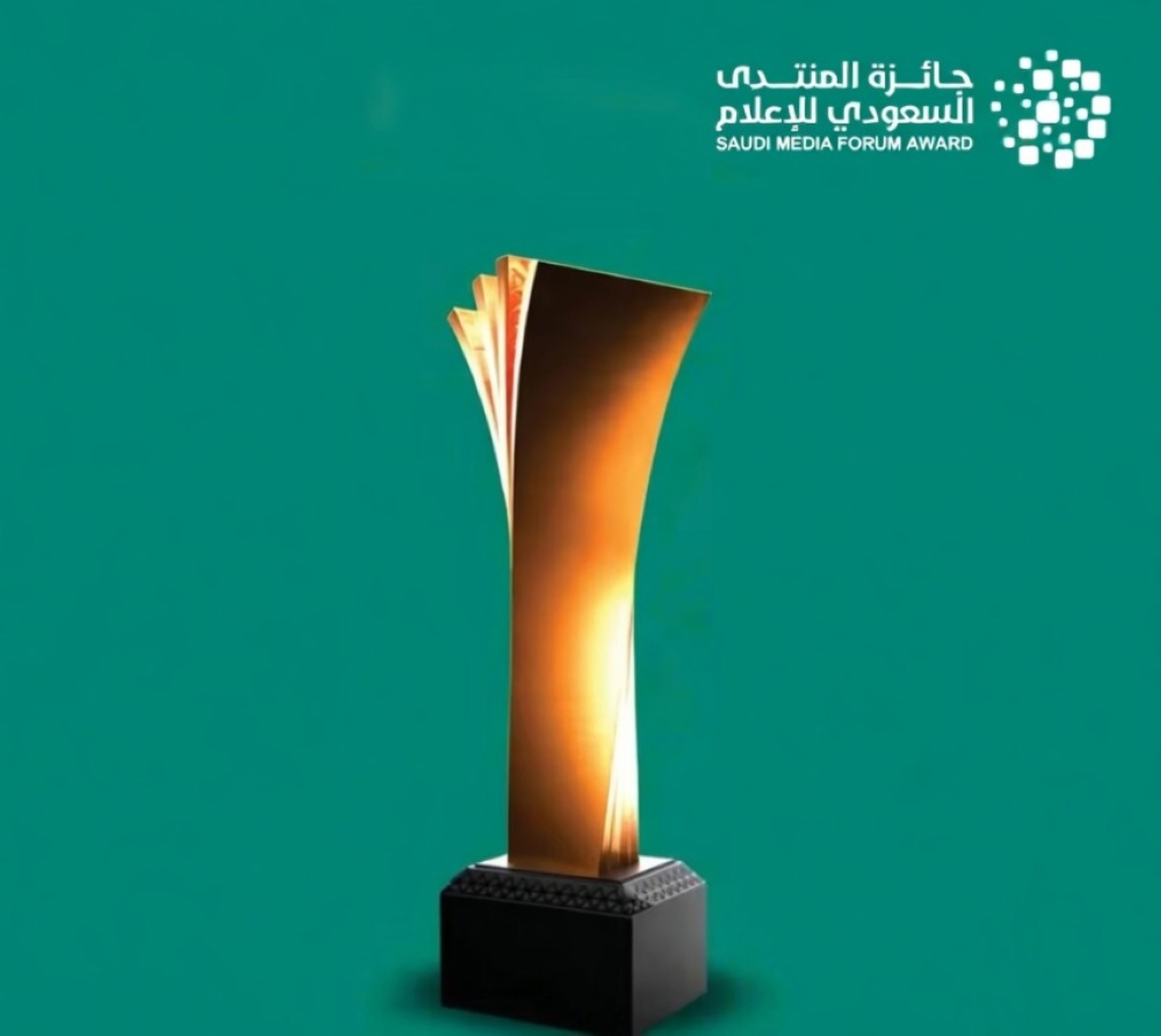
The Saudi capital, Riyadh, is preparing to host the fifth edition of the Saudi Media Forum, scheduled to take place in February 2026 under the patronage of the Custodian of the Two Holy Mosques, King Salman bin Abdulaziz. This prominent media event will be held over three days under the theme “Media in a Changing World,” bringing together more than 300 of the world’s leading thought leaders, media professionals, experts, and academics.
General context and historical background
The Saudi Media Forum, organized by the Saudi Journalists Association, builds upon the successes of its previous editions, solidifying its position as one of the region's most important platforms for dialogue on the future of the media industry. Since its inception, the forum has strived to keep pace with the rapid transformations in the global media landscape, providing a space for exchanging expertise, showcasing international best practices, and connecting local media professionals with their international counterparts to foster professional dialogue and build fruitful partnerships.
The importance of the event and its expected impact
The forum's convening in 2026 holds special significance, coinciding with the tenth anniversary of the launch of the Kingdom's Vision 2030. This vision has played a pivotal role in reshaping the Saudi media sector, transforming it from a mere news outlet into an influential content creator and a key partner in development. Domestically, the forum is expected to empower young talent, stimulate innovation in digital content, and discuss the regulatory and ethical frameworks that ensure the industry's sustainable development. Regionally, the forum reinforces the Kingdom's position as a leading media hub in the Middle East, attracting investment and talent. Internationally, the forum serves as an important window reflecting to the world the social and economic transformations taking place in Saudi Arabia and opens channels for cultural and civilizational exchange.
A packed agenda and future visions
The forum will feature over 150 panel discussions and specialized workshops, exploring in depth the challenges and opportunities facing media today. Discussions will cover key themes including the impact of artificial intelligence on journalism, strategies for combating misinformation, the future of digital media and new business models, and the role of media in promoting cultural diplomacy. Through this intellectual engagement, the forum aims not only to review past achievements but also, and perhaps more importantly, to anticipate future prospects and shape the media of tomorrow.






Local News
Two million people benefit from the free ablution service at the Grand Mosque
More than two million pilgrims benefited from the free purification service at the Grand Mosque, in accordance with the highest standards of sterilization and safety, as part of the efforts of the General Authority for the Care of the Two Holy Mosques.
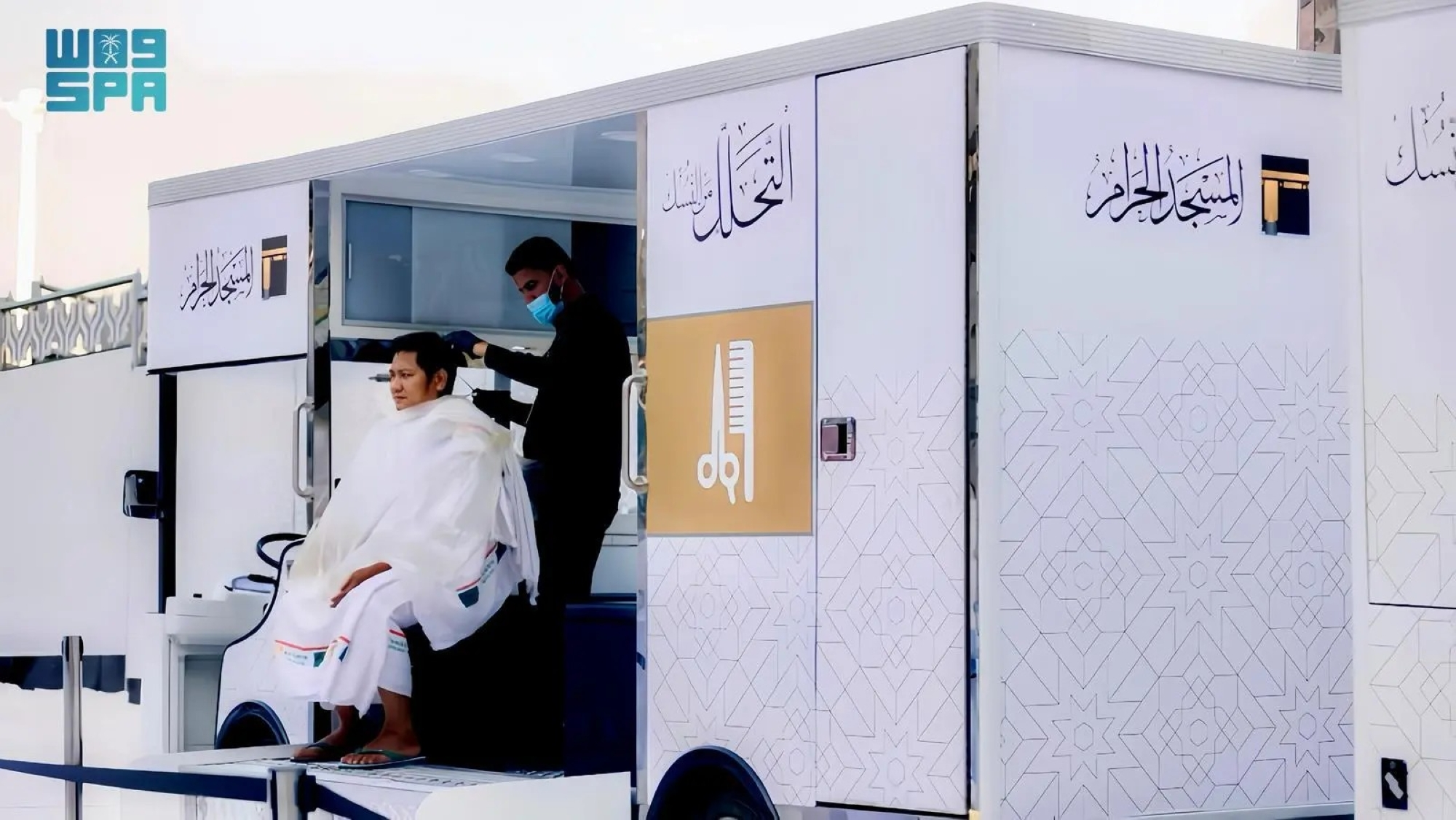
The General Authority for the Care of the Two Holy Mosques announced new statistics reflecting the scale of efforts made to serve pilgrims, confirming that more than two million Umrah pilgrims benefited from the free "release from rituals" service (shaving or trimming of hair) within the Grand Mosque. This service is a vital part of the integrated services provided by the Kingdom of Saudi Arabia to facilitate the pilgrims' journey.
Service location and quality standards
The authority explained that this vital service is strategically located in the eastern courtyard of the Grand Mosque, making it easily accessible to pilgrims immediately after they complete the Sa'i (ritual walking between Safa and Marwa). The designated centers for the ritual purification process operate around the clock under the direct supervision of qualified and trained technical and administrative staff experienced in managing large crowds. This ensures smooth flow and efficient service, preventing pilgrims from experiencing long waits or overcrowding, especially during peak times.
The importance of the service from a health and organizational perspective
This service is of paramount importance, extending far beyond its free provision; it represents the first line of health defense for pilgrims. Previously, some pilgrims resorted to unlicensed barbers or used unsterilized tools, posing a risk of disease transmission and infection. Today, through this initiative, the Authority ensures the application of the highest international standards of sterilization and hygiene. Disposable shaving tools are used, and strict health protocols are followed for the environmentally safe disposal of waste, thus achieving the highest levels of health and safety for those visiting the Holy Mosque.
Religious dimension and facilitating rituals
Shaving or trimming the hair is a mandatory ritual to end the state of ihram after performing Umrah. Providing a suitable, clean, and free place to perform this ritual reflects respect for the sanctity of the pilgrimage and honors the pilgrims. This service enables pilgrims to complete their rituals with ease and peace of mind, without the worry of searching for shaving facilities outside the Haram area or concerns about costs or hygiene.
Keeping pace with the Kingdom's Vision 2030
The Authority affirmed that this service is a practical implementation of the directives of the wise leadership, which aim to dedicate all resources to serving the Two Holy Mosques. These efforts directly contribute to achieving the objectives of the Kingdom's Vision 2030, specifically the "Serving the Guests of God" program, which aims to enrich the religious and cultural experience of pilgrims and visitors, increase capacity while maintaining the quality of services provided, and ensure that the Umrah experience is a safe, convenient, and memorable spiritual journey.
Local News
Revitalizing the Gaza relief campaign through the Sahem platform and inviting the private sector
Saudi Arabia is directing the activation of the popular campaign to aid the Palestinian people in Gaza through the King Salman Center and the Sahem platform, amid calls for the private sector to participate and donations exceeding 741 million riyals.
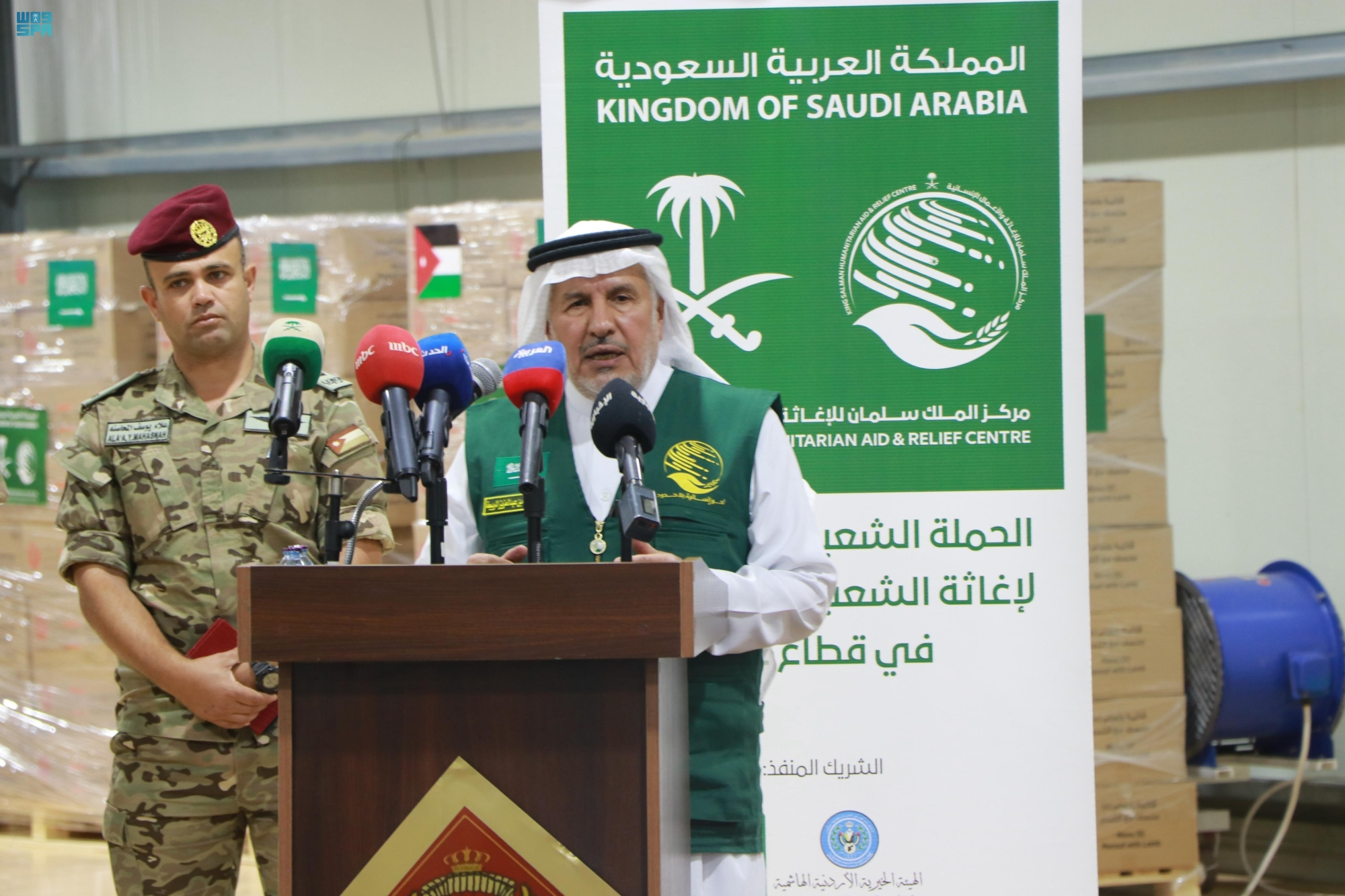
In a move reflecting Saudi Arabia's continued support for the Palestinian cause, the King Salman Humanitarian Aid and Relief Center received a generous directive to launch a revitalized campaign for the popular initiative dedicated to providing relief to the Palestinian people in the Gaza Strip. This new phase is scheduled to begin on Sunday, 15 Rajab 1447 AH, with the aim of bolstering efforts to alleviate the worsening humanitarian crisis faced by the residents of the Gaza Strip under the current circumstances.
In response to this directive, the Federation of Saudi Chambers issued an urgent circular calling on all business owners and establishments in the private sector to engage positively and directly with this initiative. The Federation emphasized that this participation stems from the social responsibility of Saudi national establishments and embodies the values of solidarity and mutual support inherent in Saudi society, both leadership and people, towards Arab and Islamic causes.
Background of the campaign and previous efforts
This step comes as an extension of the Kingdom of Saudi Arabia's long-standing humanitarian stances. In November 2023, the Custodian of the Two Holy Mosques, King Salman bin Abdulaziz, and His Royal Highness Crown Prince Mohammed bin Salman bin Abdulaziz, Deputy Prime Minister, directed the launch of a public campaign through the "Sahem" platform of the King Salman Humanitarian Aid and Relief Center. This initiative formed a cornerstone in unifying public and official efforts to provide assistance to our brothers and sisters in Palestine.
The efforts were not limited to financial donations; relief operations also witnessed a qualitative leap. On January 4th, the leadership directed the intensification of relief efforts through all available channels (air, sea, and land). This diversification of relief routes aims to ensure that food, medical, and shelter aid reaches those affected as quickly as possible, given the dire need and scarcity of basic resources within the Gaza Strip.
Figures reflecting the scale of solidarity
Reflecting the immense public support, the "Sahem" platform revealed remarkable statistics for the campaign, with total donations exceeding 741 million Saudi Riyals at the time of this report. The number of participating donors also reached over 2.4 million, making it one of the most impactful grassroots campaigns in the region.
This ongoing support is an integral part of the foreign policy of the Kingdom of Saudi Arabia, which places humanitarian work at the forefront of its priorities, thus confirming its leading role as a hub for charitable and relief work at the regional and international levels, and its constant endeavor to extend a helping hand to those affected in various parts of the world, specifically the brotherly Palestinian people who are facing unprecedented humanitarian challenges.
Local News
Islamic Affairs: Friday sermon to be dedicated to warning against injustice and the dangers of polytheism
The Minister of Islamic Affairs directs mosque preachers to dedicate the Friday sermon to talking about the danger of injustice, warning against exploiting positions and disrupting people's interests, and calling for redress of grievances.
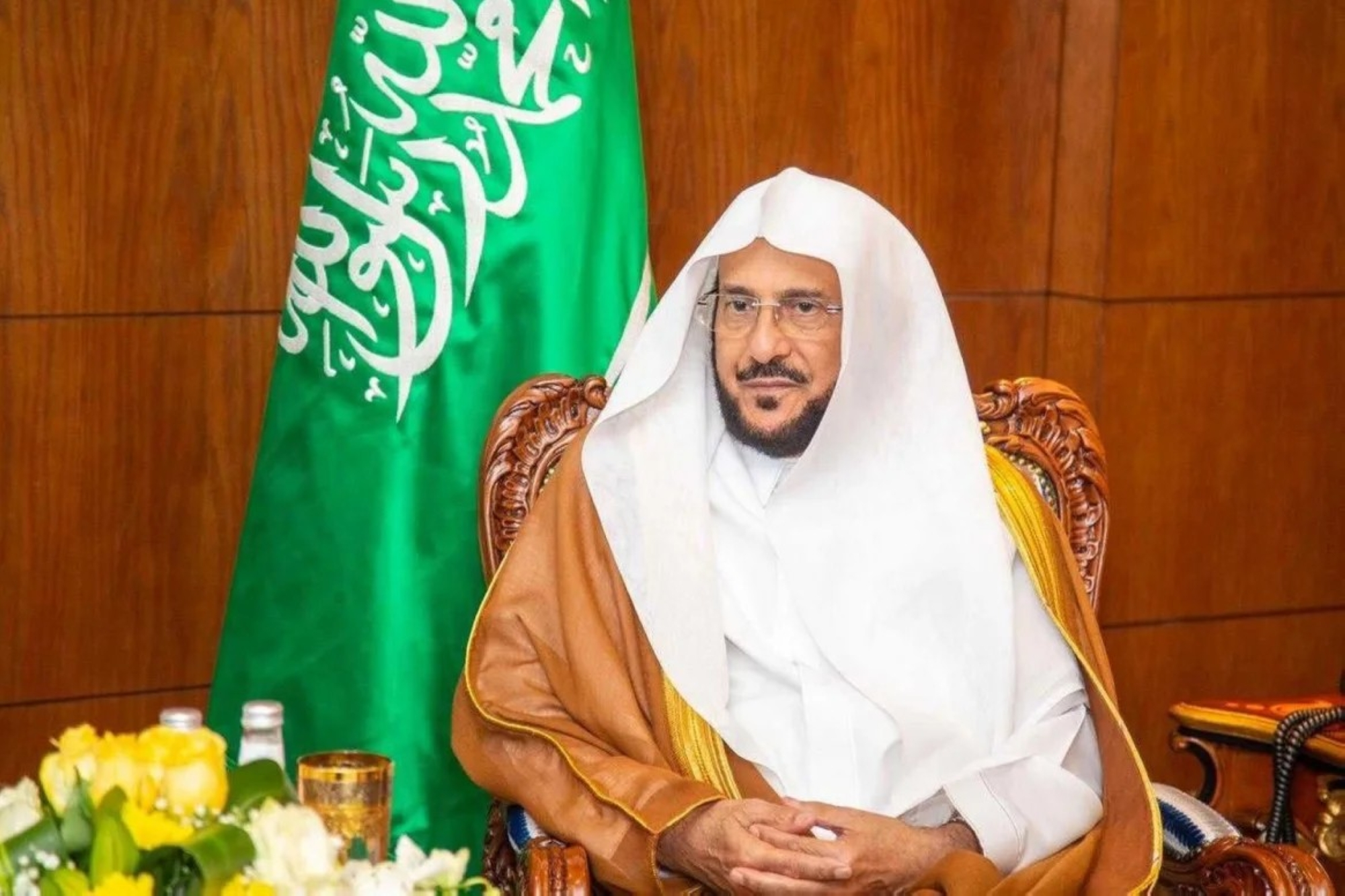
The Minister of Islamic Affairs, Call and Guidance, Sheikh Dr. Abdul Latif bin Abdul Aziz Al Sheikh, issued an important directive to mosque preachers in various regions and governorates of the Kingdom of Saudi Arabia, stipulating that next Friday’s sermon be dedicated to discussing the topic of “the danger of injustice,” and warning against its destructive effects on the individual and society, within the framework of the Ministry’s ongoing efforts to activate the role of the pulpit in guidance and counseling and addressing negative phenomena.
Sermon themes and legal foundations
The ministerial directive emphasized that sermons should address several key themes, foremost among them explaining the gravity of injustice in Islamic law and how God Almighty has forbidden it for Himself and prohibited it among His servants. Emphasis will be placed on clarifying that the greatest and most dangerous form of injustice is "associating partners with God" (shirk), as it involves misdirecting worship and misdirecting it to those who do not deserve it. This is followed by the injustice a person commits against themselves through committing sins and neglecting religious duties and the limits set by God.
Warning against injustice towards people and administrative corruption
In the context of daily interactions, the directive urged preachers to strongly warn against injustice among people, whether it involves bloodshed, financial losses, or violations of honor. The directive specifically addressed a crucial aspect affecting people's lives and interests: "workplace injustice." It emphasized that an employee's negligence of duties, abuse of power or position, and obstruction of services for those seeking their assistance constitute forms of injustice forbidden by Islamic law. This behavior combines two evils: injustice to oneself by consuming illicit wealth resulting from a breach of trust, and injustice to others by obstructing their rights and delaying their interests.
The importance of justice in the stability of society
This directive underscores the paramount importance of establishing the values of justice and integrity in society, as the prevalence of injustice leads to the disintegration of social bonds and the spread of hatred and animosity among people. Through these thematically unified sermons, the Ministry of Islamic Affairs works to enhance societal awareness, reminding the public that justice is the foundation of governance and the stability of nations, and that upholding rights and fulfilling them to their rightful owners is the path to God's pleasure and the betterment of affairs.
The directive concluded by emphasizing the need to urge worshippers to hasten to sincere repentance, return injustices to their rightful owners, and absolve themselves of the rights of people before a day when neither wealth nor children will avail, as a reminder that the rights of people are based on contention and demand, which necessitates extreme caution against being lenient in this regard.
-

 Local news one week ago
Landslide in Riyadh: Details of the incident in Al-Sahafa neighborhood and containment efforts
-
 Local news one week ago
The death penalty was carried out against a citizen who stabbed another to death in Tabuk
-

 Culture and Art, 1 week ago
Haifa Wehbe's absence in Riyadh: A photo crisis or a strained relationship with the media?
-
 Local news one week ago
Riyadh collapse: Emergency plans to secure water after a main pipeline burst
-
 Culture and Art, 1 week ago
City Kitchen series: A drama of conflict and the middle class during Ramadan
-

 Culture and Art, 1 week ago
The series "Kasra": Dawood Hussein in a moving social drama this Ramadan
-
 Local news one week ago
Applying for the 1447 Opportunities Program for Teachers via the Fares System
-

 Local News 5 days ago
Ramadan 2026 discounts in Saudi Arabia: Offers valid for 54 days