
Local News
Education and Aramco: A partnership to develop future skills for students in Saudi Arabia
The Ministry of Education and Saudi Aramco signed a memorandum of understanding to promote STEM skills and volunteer work, in line with Vision 2030 to build a knowledge-based economy.

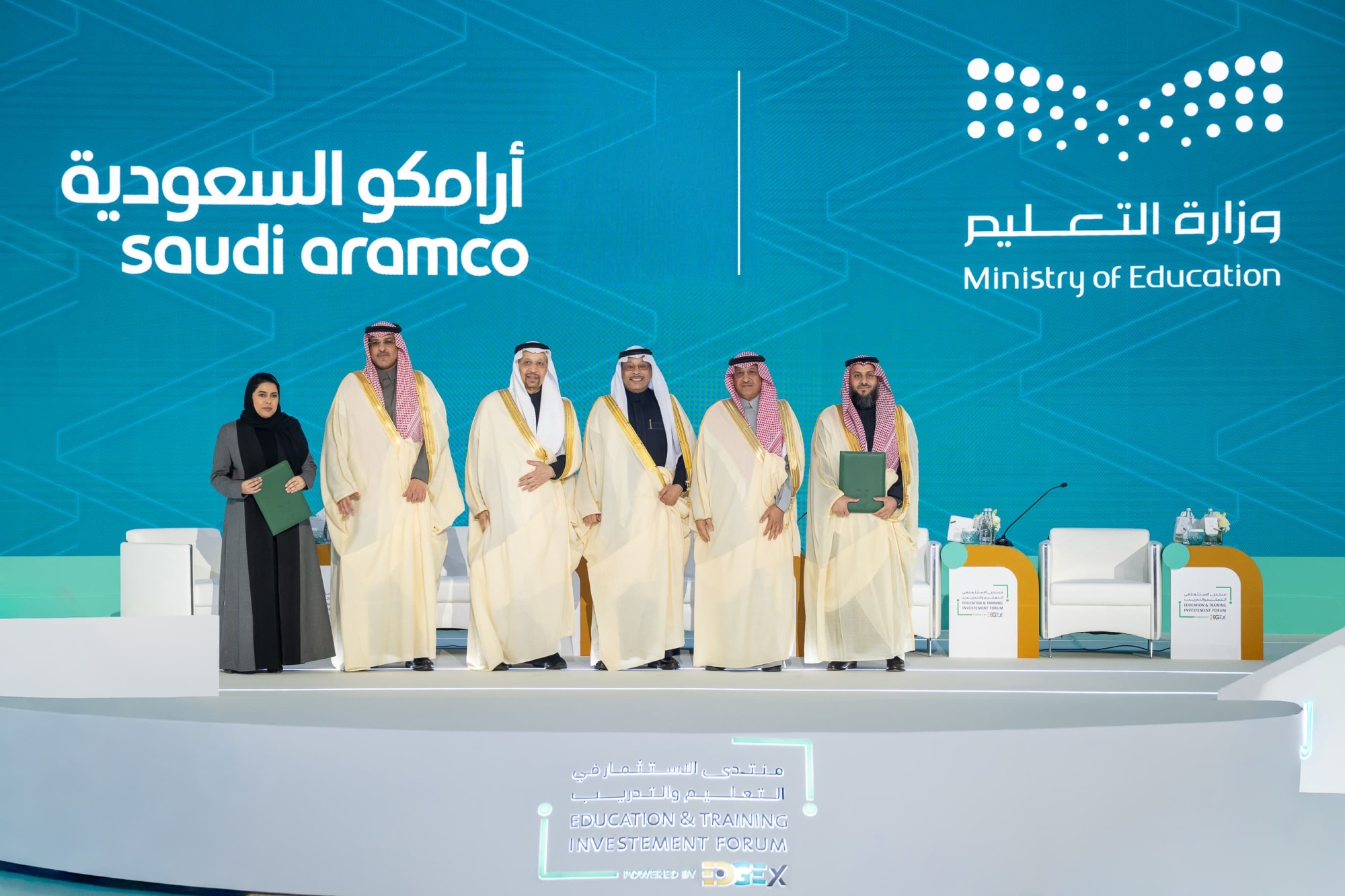
In a strategic move aimed at empowering future generations and equipping them with the skills necessary to meet the demands of the future, the Saudi Ministry of Education and Saudi Aramco signed a memorandum of understanding to enhance their collaboration. This partnership focuses on developing students' skills in the fields of science, technology, engineering, and mathematics (STEM), as well as fostering a culture of volunteerism and social responsibility, and supporting safety and security initiatives in the school environment.
National context and future vision
This collaboration comes within the framework of broader national efforts to achieve the goals of Saudi Vision 2030, which places human capital development at the heart of its priorities. Through programs such as the Human Capability Development Program, the Kingdom seeks to prepare globally competitive citizens equipped with the skills and knowledge required by a knowledge-based and innovation-driven economy. Public-private partnerships, such as this one between the Ministry of Education and Aramco, are a cornerstone for accelerating this transformation, as the expertise and capabilities of a leading company like Aramco contribute to enriching the education system with high-quality, applied, and practical programs.
Details and objectives of the memorandum
The memorandum was signed during the “Investment in Education and Training Forum 2026” held in Riyadh, coinciding with the International Day of Education, thus lending the event special significance. Under this agreement, the two parties will work on:
- Developing STEM skills: Designing and implementing specialized educational and applied programs in the fields of science, technology, engineering, and mathematics, with the aim of promoting critical thinking and innovation among students and preparing them for university majors and future jobs in these vital sectors.
- Promoting volunteer work: Studying the adoption of Aramco's volunteer programs within the approved volunteer hours for high school students, and developing mechanisms to measure the societal impact of these programs, thereby instilling values of active citizenship and giving in the younger generation.
- Supporting security and safety: Developing integrated awareness and training programs to raise awareness of security and safety standards within schools, and to provide a safe and stimulating learning environment for all.
- Exchange of experiences: Cooperation in exchanging data, statistics and technical expertise between the Ministry and the company to continuously improve and develop educational and community initiatives.
Expected impact and future prospects
This partnership is expected to have a tangible positive impact at both the local and regional levels. Locally, it will help bridge the gap between educational outcomes and labor market demands, and develop a national workforce capable of leading promising industrial and technological sectors. Regionally, this initiative represents a pioneering model of cooperation between government institutions and major national companies to achieve sustainable development, potentially inspiring similar initiatives in other countries in the region.
In this context, Professor Nabil Al-Jamea, Executive Vice President of Human Resources and Support Services at Saudi Aramco, stated that “this cooperation confirms the keenness of both parties to continue their joint efforts in establishing a culture of volunteering and enhancing the role of education in serving the community… It is an investment in the Kingdom’s generations and a contribution to empowering students with future skills and preparing them to benefit from promising opportunities.”.
It is worth noting that this memorandum comes as an extension of an existing and fruitful cooperation, as the “Schools Volunteering” program was launched in 2023 according to the “Rashid” standard, and witnessed the participation of more than 131,000 volunteers who completed more than 1.25 million volunteer hours in 892 schools, which reflects the solid foundation on which this new partnership is built.








Local News
Applying for the 1447 Opportunities Program for Teachers via the Fares System
The Ministry of Education has announced the opening of applications for the 1447 AH (2026/2027) Opportunities Program for those holding educational positions. Find out the dates and requirements through the Fares system.
Announcement of the opening of applications for the “Opportunities” program
The Saudi Ministry of Education announced today (Monday) the opening of applications for the “Fursah” program, dedicated to those holding educational positions for the upcoming academic year 1447 AH. The Ministry clarified that the application period will run from 8 Sha’ban 1447 AH (corresponding to January 27, 2026) until 17 Sha’ban 1447 AH (corresponding to February 5, 2026), through the “Faris System” electronic platform.
Program background and strategic objectives
The “Opportunities” program was launched two years ago as part of the Ministry’s initiatives to develop work mechanisms and improve the education sector environment, in line with the goals of Saudi Vision 2030. The program primarily aims to address the need for teaching positions at all levels, from schools, institutes, and special education programs to education departments and the Ministry headquarters. It works to achieve a balanced distribution of teaching staff across different regions and sectors, ensuring high-quality education for all students. This program represents a qualitative shift from traditional transfer procedures to a more flexible and transparent system based on available opportunities and required competencies.
Application process and available opportunities
The Ministry called on all those holding educational positions to log into their personal accounts on the “Faris System” to regularly check available opportunities and specializations and apply for them according to the approved procedure. The program allows applications for a variety of high-quality job opportunities, including teaching positions in different specializations, as well as opportunities in school structures (such as school principal or vice-principal) and supervisory structures (such as educational supervisor). This platform allows applicants to review the requirements of each opportunity and submit their applications electronically, thus facilitating the process and increasing professional development opportunities for teachers.
The importance and expected impact of the program
The “Opportunities” program is of paramount importance at the local level, as it empowers teachers and grants them greater freedom in planning their career paths and moving to positions or roles that align with their aspirations and experience. The program also enhances the efficiency of human resource management in the education sector by matching actual needs with available competencies. In the long term, the program is expected to increase job satisfaction among teachers and improve the overall performance of the education system, which will positively impact the quality of student learning outcomes and support the Kingdom's efforts to build a knowledge-based economy.
Local News
Applications are now open for the 1447 Opportunities Program for Teachers via the Fares system
The Ministry of Education announced the opening of applications for the “Opportunities” program for educational job holders for the year 1447 AH through the Fares system, with the aim of meeting the need and developing the staff.
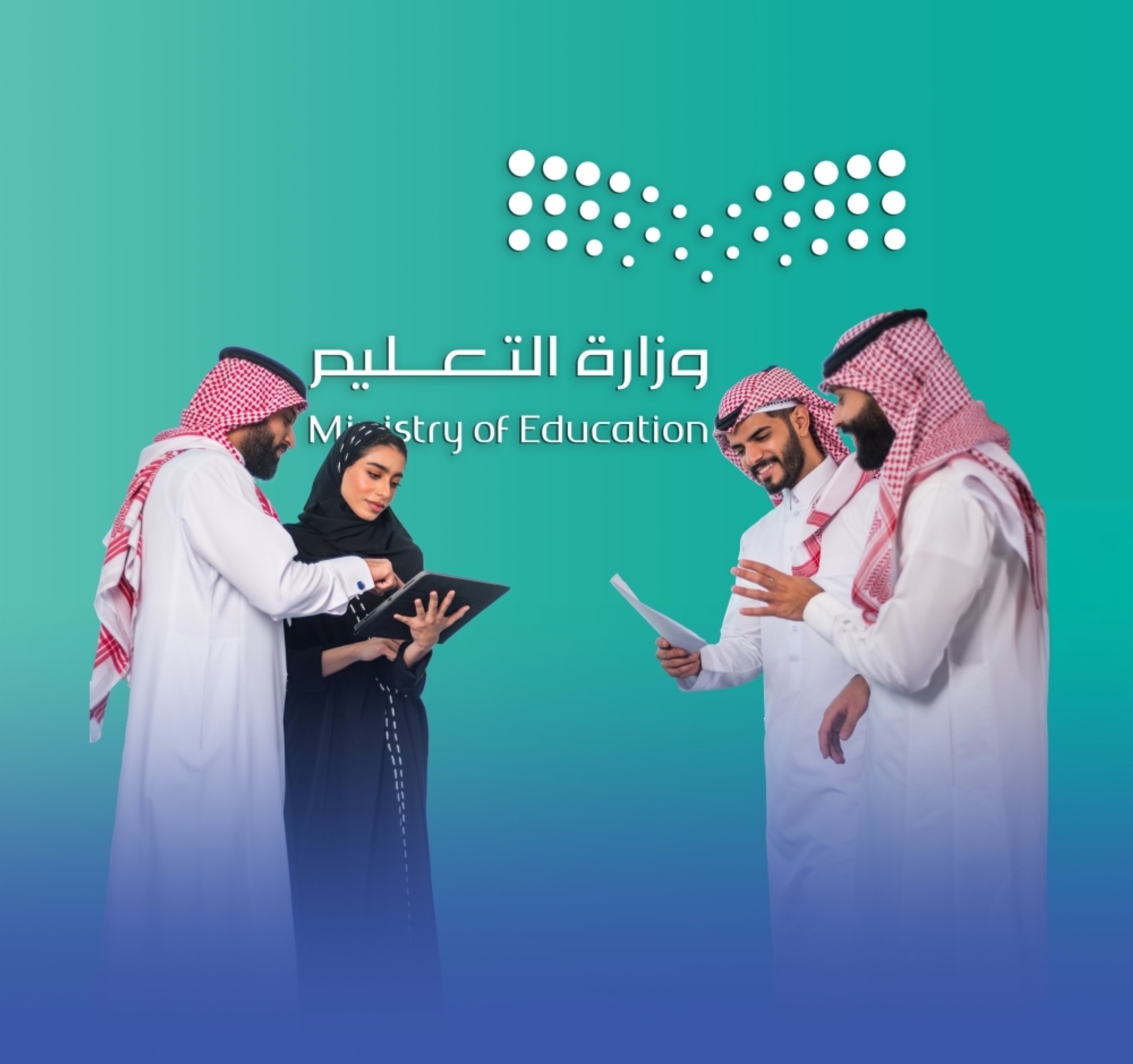
The Saudi Ministry of Education has announced the start of the application period for the “Fursah” program, dedicated to those holding educational positions for the academic year 1447 AH. This step reflects the Ministry's ongoing commitment to developing educational staff and achieving optimal distribution of human resources. The Ministry clarified that the online application portal will be available through the “Faris” system from 8 to 17 Sha'ban 1447 AH, corresponding to January 27 to February 5, 2026.
General context and historical background of the “Opportunities” program
The “Fursah” program was first launched two years ago as part of the Ministry’s digital transformation initiatives. Its primary goal is to address the shortage of teaching positions across the Ministry, its education departments, schools, and government-run special education institutes and programs. The program offers a modern alternative to traditional teacher transfer procedures, providing a centralized and transparent platform that allows teachers to view and apply for available vacancies electronically, ensuring fairness and equal opportunities for all applicants.
The importance of the program and its expected impact
The “Opportunities” program is of strategic importance as it aligns directly with the goals of the Kingdom’s Vision 2030, which focuses on enhancing the efficiency of the public sector and developing human capital. Locally, the program contributes to the job and psychological stability of teachers by allowing them to transfer to regions of their choice, which positively impacts their professional performance and the quality of educational outcomes. The program also helps education departments address shortages in certain specializations and remote areas more quickly and effectively.
The program is expected to enhance the resilience of the education system and its ability to adapt to changes, by providing decision-makers with accurate and up-to-date data on the supply and demand for teaching staff. Applications submitted through “Fursah” include a diverse range of high-quality career opportunities, not limited to teaching positions, but extending to school administrations (such as principals and vice-principals) and supervisory roles within education departments, thus opening up broader horizons for the professional and leadership development of national talent.
Application process and next steps
The Ministry called on all education professionals interested in benefiting from the program to regularly access their personal accounts on the “Faris” system during the specified application period to view available opportunities and specializations and apply according to the approved mechanism and announced conditions. This step underscores the pivotal role of the “Faris” system as a comprehensive self-service platform for Ministry of Education employees.
Local News
Labor ministers agree on 6 measures to develop labor markets globally
At the conclusion of the International Labor Market Conference in Riyadh, 40 labor ministers agreed on six key measures, including artificial intelligence and skills, to address future challenges.
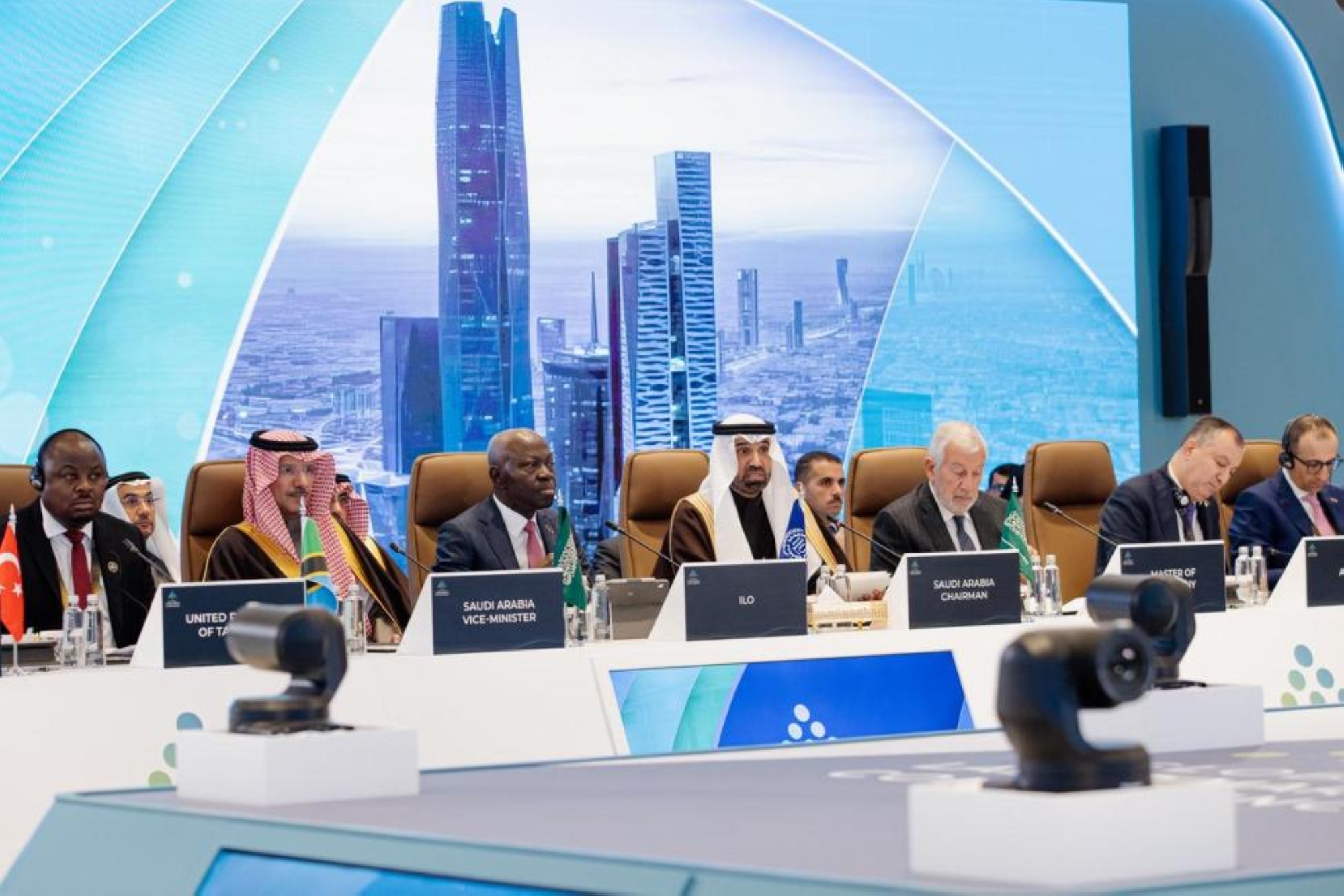
The Saudi capital, Riyadh, concluded the ministerial meeting held as part of the third International Labour Conference, witnessing a historic consensus among 40 labor ministers and high-level officials on six strategic measures aimed at reshaping the future of global labor markets. The meeting was chaired by His Excellency the Minister of Human Resources and Social Development, Engineer Ahmed bin Sulaiman Al-Rajhi, and saw broad participation from G20 countries, Europe, Asia, the Middle East, Africa, and the Americas, in addition to the presence of the Director-General of the International Labour Organization, Gilbert Houngbo, reflecting the global significance of this event.
General context: Confronting global transformations
This conference comes at a critical juncture, as labor markets worldwide face unprecedented challenges driven by accelerated digital transformation, the rise of artificial intelligence, demographic shifts, and the ongoing effects of the COVID-19 pandemic. These factors have created an urgent need to rethink traditional employment and skills development policies. The Kingdom is hosting this global dialogue in line with its Vision 2030, which places human capital development and workforce empowerment at the heart of its objectives, striving to build a diversified and sustainable economy based on future competencies and skills.
A six-point roadmap for the future
The meeting discussions focused on aligning employment policies with future requirements, and resulted in ministers agreeing on a clear roadmap that includes six key actions:
- Skills recognition and transferability: Developing standardized methodologies for skills recognition across borders and sectors, enhancing workforce flexibility and mobility in a dynamic labor market.
- Responsible use of artificial intelligence: Guiding the adoption of AI technologies in labor market systems to ensure transparency and fairness, while establishing governance and oversight frameworks that prevent bias and promote efficiency.
- Adapting social protection systems: Updating social safety nets to be more flexible and better able to support workers during periods of career transition or income interruption, in line with new work patterns.
- Enhancing the use of data and analytics: Leveraging big data to connect job seekers with suitable opportunities, identify skills gaps, and guide training and development programs more effectively.
- Improving workforce planning: Building proactive workforce planning models capable of anticipating economic disruptions and structural shifts, and equipping the workforce with the skills needed for the future.
- Developing pathways to employment: Facilitating young people's entry into the labor market and providing clear pathways for those who have left work to return, ensuring sustainable and valuable career advancement.
Importance and expected impact
This agreement represents a pivotal step towards strengthening international cooperation to address shared challenges. Domestically, it reinforces the Kingdom's position as a thought leader and a global platform for dialogue on the future of work, and supports its efforts to reform the local labor market. Regionally and internationally, it provides a common framework that countries can use to guide the development of their national policies and encourages the exchange of expertise and best practices. Minister Al-Rajhi emphasized in his remarks that "constructive dialogue is the foundation for strengthening international cooperation and achieving tangible results," stressing that this meeting is a cornerstone for achieving this goal.
-

 Local news one day ago
Landslide in Riyadh: Details of the incident in Al-Sahafa neighborhood and containment efforts
-
 Local news two days ago
The death penalty was carried out against a citizen who stabbed another to death in Tabuk
-
 Local news 22 hours ago
Riyadh collapse: Emergency plans to secure water after a main pipeline burst
-
Sports 19 hours ago
Controversy surrounds Al-Hilal's goal against Al-Riyadh: A refereeing expert reveals a major error
-

 Culture and Art 6 days ago
Ramez Galal in Ramadan 2026: Details of the bloody prank show
-

 Local News 3 days ago
First birth on the Riyadh train: A heartwarming story at Andalus station
-
Sports 22 hours ago
Al-Nassr's absences against Al-Taawon in the Roshan League and their impact on the team
-

 Culture and Art 16 hours ago
Haifa Wehbe's absence in Riyadh: A photo crisis or a strained relationship with the media?