
Local News
The Kingdom showcases its progress in geospatial maturity at a UN meeting in Tunisia
The Kingdom chaired the meeting of the United Nations Committee of Experts on Geospatial Information in Tunisia, showcasing its pioneering experience in measuring geospatial maturity and developing digital infrastructure.

In a move reflecting its regional and international leadership in the data and information sector, the Kingdom of Saudi Arabia, represented by the General Authority for Survey and Geospatial Information, chaired the 13th meeting of the Arab Committee of UN Experts on Geospatial Information Management. This important event was held in Tunis, the capital of Tunisia, on February 3 and 4, 2026, with a notable presence of representatives from Arab countries and leading regional and international organizations.
Strengthening governance and digital infrastructure
During the meeting sessions, the Kingdom emphasized the need to intensify joint coordination among Arab states, stressing the importance of activating the principles of geospatial governance and developing national infrastructure. This approach aims to enhance the efficiency of geospatial information management, which directly contributes to supporting developmental, economic, and environmental decision-making based on accurate and reliable data. This aligns with global trends toward digital transformation and smart cities.
The Kingdom is a global model of geospatial maturity
In reviewing national experiences, the Kingdom presented a detailed overview of its distinguished experience in measuring “geospatial maturity.” Today, the Kingdom occupies a leading global position in this field, thanks to national strategies spearheaded by the General Authority for Survey and Geospatial Information, which aim to regulate the sector and standardize technical specifications, thus serving the goals of the Kingdom’s Vision 2030 in building a strong and sustainable digital economy.
Exchange of Arab and international experiences
The meeting agenda addressed several key issues, including the Arab Committee's annual report and a review of the contributions of the United Nations and international organizations. Discussions also touched upon the work of specialized working groups, such as the Geodetic Framework Team, the Integrated Geospatial Information Framework Team, and the Governance Team.
At the regional level, Tunisia presented its experience in adopting the Integrated Geospatial Information Framework and its national infrastructure project, while Iraq shared its national plan for implementing the same framework. The meeting witnessed an exchange of views on global best practices and opportunities for international partnership and cooperation, with broad participation from experts and representatives of the UN Committee of Experts Secretariat. This strengthens the integration of Arab efforts to keep pace with the rapid developments in this vital field.




Local News
Riyadh infrastructure licensing regulations come into effect: Full details
Learn about the details of the implementation of the infrastructure licensing regulations in Riyadh, and the 10 issuance and renewal requirements within the Assets program to improve project quality and implementation efficiency.

The Riyadh Infrastructure Projects Center announced the implementation of regulations governing licensing and permitting procedures for infrastructure projects in the region. This step serves as a regulatory document and a fundamental legal framework aimed at organizing the sector, enhancing implementation efficiency, and ensuring compliance with approved technical and procedural requirements, in line with the urban development witnessed by the capital.
A regulatory framework to keep pace with the growth of Riyadh
These new regulations come at a time when the Riyadh region is experiencing unprecedented development, requiring precise regulatory frameworks to ensure the quality of work and minimize visual pollution or traffic disruptions caused by excavations and infrastructure projects. These regulations are an integral part of the Kingdom's Vision 2030 objectives, which aim to improve the quality of life in cities by developing infrastructure according to the highest international standards and ensuring the sustainability of infrastructure projects.
Scope of application and target groups
The center clarified that the new regulations apply to all entities operating in this vital sector, and the list includes:
- Project owners.
- Supervising authorities.
- The contractors who carry out the work.
- Consulting firms.
- Quality laboratories.
The regulatory framework precisely defined the requirements for obtaining licenses and permits, classifying them into 10 detailed types of licenses (planned and unplanned), in addition to 5 types of permits for various businesses, with the aim of governing the relationship between the concerned parties and raising compliance rates.
Strict requirements for issuance and renewal
To ensure quality, the center established strict licensing requirements, including the submission of a comprehensive implementation plan, an approved traffic management plan, the appointment of a licensed consulting firm and quality control laboratory, and photographic documentation of the work site. The regulations also emphasized the necessity of the project being included in the approved detailed master plan and the payment of inspection fees.
Regarding renewal, the regulations stipulated the possibility of renewal after fulfilling the requirements, with double fees imposed in case of delay, and setting maximum renewal periods not exceeding half the original license period, to ensure the speed of project completion and prevent disruption.
"Usul" program and digital transformation
The implementation of these controls is directly linked to the "Usul" program launched by the center, a comprehensive transformation program encompassing a range of technical and regulatory initiatives. The program aims to automate procedures and enhance operational efficiency, making it easier for investors and contractors to obtain licenses and monitor workflow, and achieving integration among the various service providers in the capital.
Suspension and compensation mechanisms
In order to preserve the rights of all parties, the regulations have organized cases of license suspension (in whole or in part) for reasons related to the public interest or spatial coordination, with the owner obligating the licensee to compensate the licensee for the suspension period, unless the reason is due to the licensee's breach of his obligations, which enhances the investment environment in the contracting and infrastructure sector.
Local News
The Saudi Media Award: A global showcase inspired by the Crown Prince's appreciation
The Saudi Media Awards ceremony featured a world-class theatrical performance inspired by the Crown Prince’s appreciation for the Saudi people, reflecting the development and status of the media sector.

On an exceptional night in Riyadh, the Saudi Media Awards a magnificent celebration that transcended traditional honors, creating an artistic tableau that embodied the highest expressions of gratitude. The ceremony featured a unique theatrical performance, fundamentally based on symbols of thanksgiving, drawing inspiration from the profound appreciation consistently shown by Crown Prince Mohammed bin Salman, the Prime Minister, towards the Saudi people and various sectors of national achievement.
The performance, presented by a world-renowned contemporary performing arts troupe, was a visually stunning spectacle that masterfully blended elaborate choreography, cutting-edge visual effects, and a powerful soundtrack. This artistic fusion aimed to convey the philosophy of gratitude as a core value in the nation's development journey, and to offer a direct message of appreciation to every contributor who helps shape the evolving Saudi media landscape.
The context of media transformation and Vision 2030
This artistic presentation cannot be viewed in isolation from the broader context of the media sector in Saudi Arabia. Developing this sector is a cornerstone of the Saudi Vision 2030 , which places great emphasis on empowering national talent and creating globally competitive media content. The Saudi Media Award serves as a key driver of this development, motivating creators and institutions to deliver their best work, reflecting the true image of the Kingdom and its rich culture.
Symbolism of gratitude and the relationship between leadership and the people
The theatrical performance alternated between scenes depicting the rich history of Saudi media and others that evoked the spirit of initiative and innovation characteristic of Saudi youth. The show culminated in a final scene that portrayed gratitude as a vital link between leadership, people, and achievement. This symbolism recalled the Crown Prince's consistent pronouncements of confidence in the Saudi citizen, describing their ambition as "Mount Tuwaiq," thus making the performance an artistic echo of this mutual appreciation.
A universal artistic language with a Saudi identity
The selection of an international troupe to perform this show reflected the organizers' intention to address the world through a shared artistic language, while remaining committed to preserving Saudi identity in both content and message. Visual elements inspired by national culture and Saudi heritage were seamlessly integrated with cutting-edge global performance techniques, creating a celebratory spectacle befitting the award's prestige and regional significance.
This meticulous production approach is in line with the spirit of the ceremony, which was based on the principle of gratitude and appreciation to everyone who contributed to the development of the media sector, whether they were institutions, individuals, or owners of creative initiatives, confirming that the achievements made are the result of the leadership’s continuous support, unlimited empowerment, and great confidence in the national competencies that are leading the media scene towards broader horizons.
Local News
Riyadh Dispute Resolution Week 2026 concludes: Results and figures
Riyadh Dispute Resolution Week 2026 concluded its activities with the participation of 6,000 experts from 104 countries. Learn about the conference's key outcomes and its role in promoting commercial arbitration and investment.
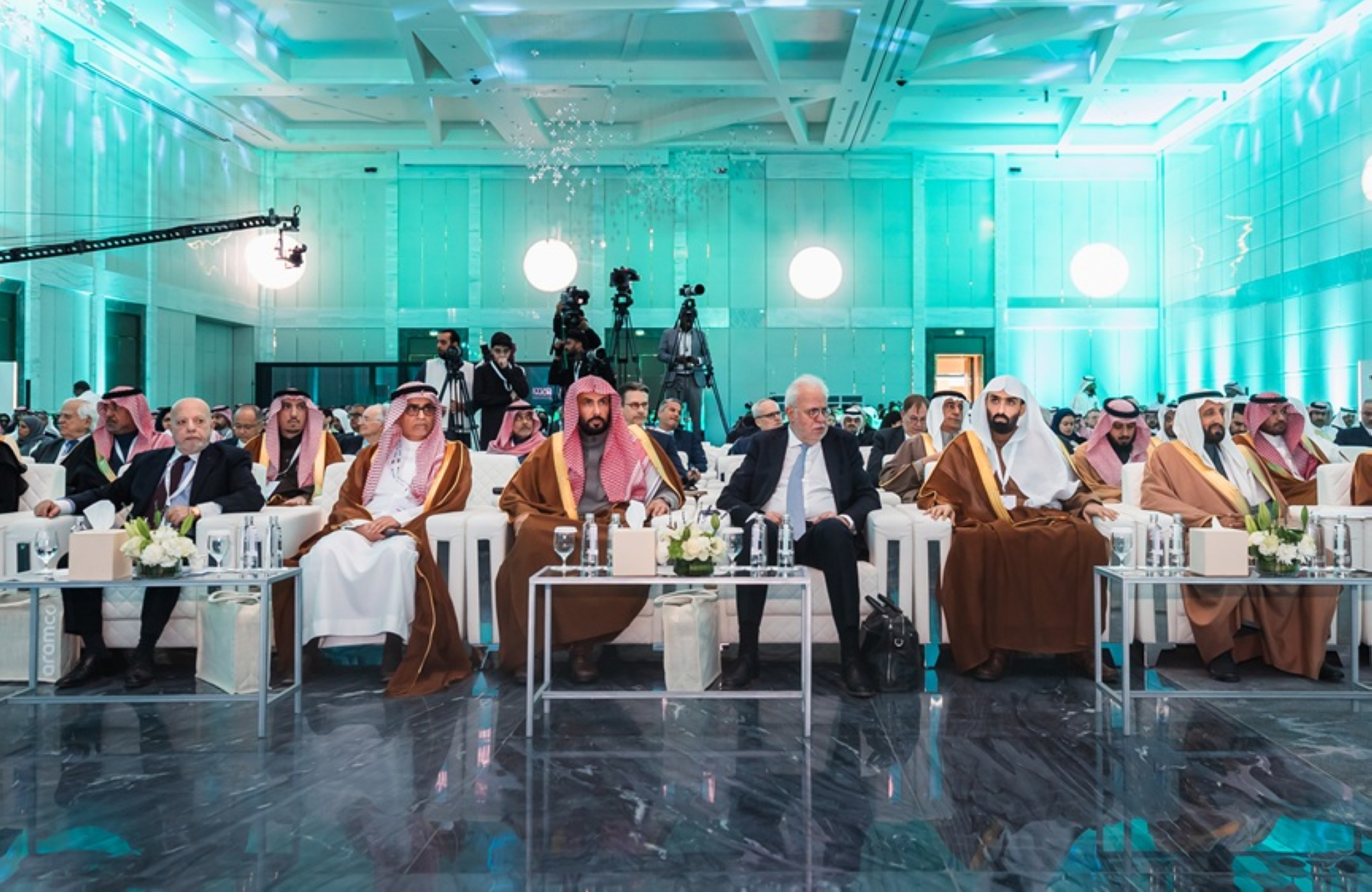
The Saudi capital, Riyadh, concluded today the activities of “Riyadh International Dispute Resolution Week 2026”, which began at the beginning of February, bringing to a close one of the most prominent legal events in the region, which witnessed high-level participation that included government leaders, ministers of justice, judges, and an elite group of legal and arbitration experts, in addition to business leaders from various countries around the world.
Enhancing the legislative environment in light of Vision 2030
The success of this international event reflects the rapid development of the Kingdom of Saudi Arabia's legislative and judicial environment, in line with the goals of Vision 2030, which aims to create an attractive and secure investment climate. Developing dispute resolution and commercial arbitration mechanisms is a cornerstone for reassuring both foreign and domestic investors. These mechanisms contribute to the swift resolution of complex commercial cases outside of traditional courtrooms, thereby enhancing the stability of economic transactions.
Discussing arbitration issues in a turbulent world
Under the theme “Reliable Dispute Resolution in a Turbulent World,” the conference addressed vital topics focusing on the importance of sound governance and legal clarity in fostering trust and stability. The intensive program included keynote speeches and five specialized panel discussions that explored the growth prospects of the global dispute resolution industry.
The Arab Judicial Forum on the New York Convention was a prominent event, bringing together 50 judges from 22 Arab countries with 20 international experts. Participants discussed challenges in implementing the 1958 New York Convention, the scope of judicial review of arbitration awards, and the interpretation of "public policy" as grounds for refusal to enforce awards. This contributed to a deeper understanding of the mechanisms for enforcing judgments and enhanced judicial predictability.
International partnerships and building future capabilities
The week witnessed an international celebration of the sixtieth anniversary of the founding of the United Nations Commission on International Trade Law (UNCITRAL), in a move that reflected the depth of the partnership between the Kingdom and international organizations, and highlighted UNCITRAL’s role in unifying the rules of international trade.
In terms of capacity building, the seventh edition of the International Commercial Arbitration Competition concluded, with the participation of student teams from law and Sharia colleges from 25 countries. The students undertook a nine-month competitive journey, which included preparing legal briefs and oral arguments in hypothetical cases, contributing to the development of a new generation of qualified practitioners according to the highest international standards.
Record numbers and global participation
The final indicators revealed the event's resounding success, with 95 live events featuring 380 speakers. Actual attendance exceeded 6,100 participants representing 104 nationalities, while the week's digital platform recorded over 8,300 active accounts, underscoring Riyadh's growing stature as a leading regional and international hub for legal dialogue and shaping the future of commercial justice.
-

 Local news one week ago
Ramadan 2026 discounts in Saudi Arabia: Offers valid for 54 days
-
Culture and Art, 1 week ago
The death of artist Huda Shaarawi “Umm Zaki” and her funeral in Damascus
-
Technology 7 days ago
ICAN 2026 Conference Conclusion: Initiatives to Enhance Saudi Arabia's Leadership in Artificial Intelligence
-
Local news one day ago
Launch of the city's shuttle bus service in Ramadan 1447 AH: Routes and stations
-
Culture and Art, 1 week ago
The truth about Fayez Al-Maliki's illness: biopsy results and details of his health condition
-
Culture and Art, 1 week ago
Huda Shaarawi: Farewell to “Umm Zaki,” the icon of Syrian drama
-
Culture and Art, 1 week ago
The murder of Huda Shaarawi, "Umm Zaki": Details of the crime and its impact
-
Local News 3 days ago
Rabigh inaugurates the world's largest water innovation oasis and enters the Guinness World Records


