Local News
Saudi Arabia: A pivotal role in the stability of the Arab world
Saudi Arabia celebrates the anniversary of the pledge of allegiance by renewing its commitment to regional stability and economic growth, under the leadership of King Salman, thus strengthening strategic partnerships.

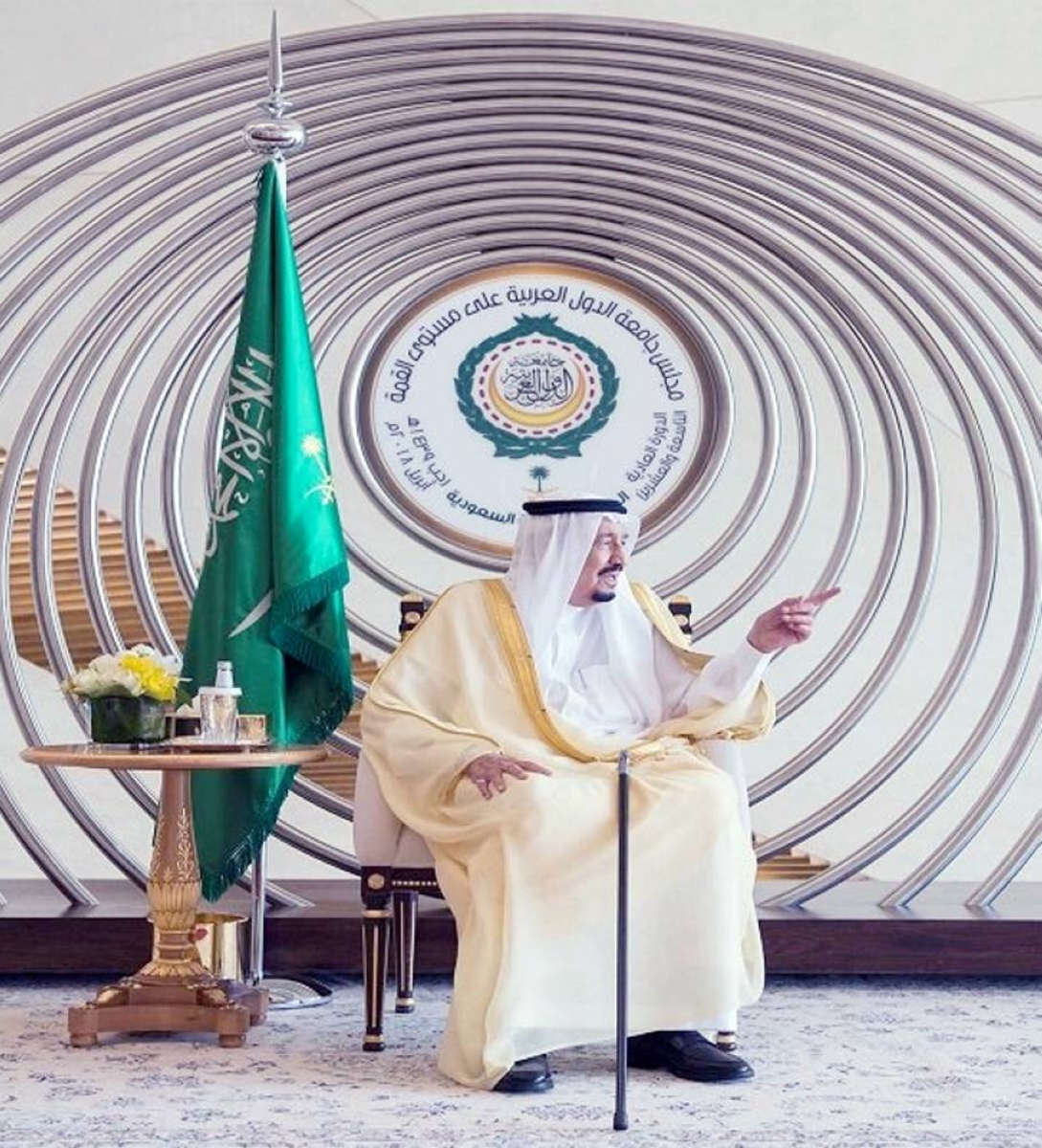
Anniversary of the Pledge of Allegiance: A new beginning for the Kingdom towards regional stability and economic growth
As the Kingdom of Saudi Arabia marks the anniversary of the pledge of allegiance, hopes are renewed and priorities are set for the coming year, both domestically and regionally. Under the leadership of the Custodian of the Two Holy Mosques, King Salman bin Abdulaziz, the Kingdom continues its efforts to support stability and strengthen strategic partnerships, sending clear signals to Lebanon and the region about the nature of the cooperation expected in the coming year.
Integrated strategic vision
The Kingdom is moving forward with a comprehensive strategic vision that combines political security and economic development, along with proactive diplomacy and internal stability. This approach positions Saudi Arabia as a pivotal player in the Middle East, capable of transforming its internal growth and prosperity into a powerful force for influence.
This vision reinforces the Saudi leadership's position as a cornerstone of sustainable Arab stability. And since Lebanon is an integral part of this Arab equation, hope is renewed each year for the positive impact of the Kingdom's policies, whether in supporting Lebanese state institutions or maintaining the balance of political power within the country.
A pivotal role in the region
Saudi Arabia’s economic and political initiatives have consistently provided a platform for joint action with Arab states, ensuring Beirut remains an active partner within the broader network of Arab relations. In this sense, the anniversary of the pledge of allegiance becomes a roadmap for the coming year, reflecting the Kingdom’s ability to formulate policies and translate them into tangible, practical projects.
Long-term partnerships with Lebanon and neighboring countries confirm that the Kingdom not only provides assistance, but also translates its domestic economic, developmental and political prosperity and successes into a tangible and sustainable impact on the ground.
Future prospects
With the continuation of this balanced and integrated approach, the Kingdom can be expected to play a greater role in building a future balance for the region. Strengthening strategic partnerships and supporting political and economic stability will have a positive impact not only domestically but also regionally and internationally.
With this advanced and sustainable approach, the Kingdom of Saudi Arabia continues to consolidate its position as a key and influential player in the Middle East and the entire Arab world.



Local News
The Meteorology Department raises its readiness to monitor the weather in the Two Holy Mosques during Ramadan 1447 AH
The National Center for Meteorology announces its plan for the Ramadan season of 1447 AH by monitoring the atmosphere of the Two Holy Mosques and the prayer times through advanced technologies and linking with the Nusuk and Tawakkalna applications for the safety of pilgrims.

The National Center for Meteorology announced its full operational and technical readiness in preparation for the holy month of Ramadan 1447 AH, as part of a comprehensive strategic plan aimed at enhancing the accuracy of geographic coverage and utilizing advanced technological capabilities in the Makkah and Madinah regions. The plan focuses intensively on the Two Holy Mosques, the designated prayer times, international and regional airports, as well as the entry points and highways used by pilgrims.
This step comes within the framework of the utmost importance that the Kingdom of Saudi Arabia places on serving pilgrims and visitors during religious seasons. The month of Ramadan, in particular, typically witnesses a high volume of people, requiring meticulous management of all logistical and security services, in which weather is a significant and influential factor. The relevant authorities are working in harmony to ensure that the rituals are performed in a safe and secure environment, leveraging the advanced digital infrastructure established by the Kingdom's Vision 2030.
Through its seasonal plan, the center aims to provide real-time and future weather data around the clock, while enhancing the efficiency of monitoring and forecasting potential weather phenomena before they occur. To achieve this, the center has utilized a wide network of geographically distributed observatories across the Kingdom, supported by modern weather radars, high-resolution satellite imagery, the Saudi numerical weather prediction model, and manned observatories, as well as automated and mobile stations covering vital areas.
As part of the digital transformation and to facilitate access to information for beneficiaries, the operational plan focused on issuing specialized weather bulletins for prayer times and providing accurate and up-to-date coverage of the weather conditions in the Two Holy Mosques. The plan also included displaying weather forecasts and early warnings on highways via electronic road signs, making real-time weather information and 10-day forecasts available through the "Anwaa" application, and establishing direct technical links with national smart platforms such as the "Nusk" and "Tawakkalna" applications to ensure alerts reach the largest possible segment of pilgrims.
Regarding air navigation, the plan included raising the level of performance and efficiency at the center's observatories in various airports across the Kingdom to ensure air navigation safety and professional handling of the anticipated increase in air traffic during the holy month. Accurate meteorological information at airports is a fundamental pillar for flight scheduling and avoiding any weather disturbances that could affect air traffic.
The center concluded its preparations by utilizing 14 diverse media platforms to ensure the rapid delivery of information and weather alerts to the public and relevant authorities, thereby enhancing community awareness and readiness to deal with any weather fluctuations, and contributing to achieving the highest standards of security and safety for those visiting the Holy Mosque and the Prophet’s Mosque.
Local News
King Abdulaziz Airport Operational Plan for the 1447 AH Umrah Season
Learn about the operational plan for King Abdulaziz Airport for the peak Umrah season of 1447 AH, which includes preparing the halls and recruiting 10,000 employees to serve pilgrims during Ramadan.

As part of intensive preparations to welcome pilgrims and provide them with the best possible services, Jeddah Airports Company has officially adopted the operational plan for King Abdulaziz International Airport for the peak Umrah season of 1447 AH. This comprehensive plan aims to accommodate the increasing number of pilgrims expected to arrive during the holy month of Ramadan and until the end of the Umrah season, through the activation of an integrated operational system focused on operating three main terminals: the Hajj and Umrah Terminal Complex, Terminal 1, and the North Terminal.
Season schedule details
According to the established timeframe for the 1447 AH Umrah season, the arrival period for pilgrims will end on Shawwal 15, 1447 AH (April 3, 2026). The departure date for Umrah visa holders will be Dhu al-Qi'dah 1, 1447 AH (April 18, 2026). This timeframe was set to ensure smooth operations and to organize flight schedules in accordance with the airport's capacity.
Huge logistical resources and qualified personnel
The operational plan includes a massive mobilization of logistical and human resources to ensure a seamless travel experience. 407 baggage claim counters have been set up to minimize waiting times, and 463 passport control counters to ensure rapid passenger flow. Additionally, 56 jet bridges will be operational to transport passengers directly to aircraft, along with 35 baggage carousel stations and 81 customs inspection devices, reflecting a high level of preparedness to enhance the efficiency of arrival and departure processes.
In terms of humanitarian and health services, the plan includes operating four fully equipped health centers within the airport to provide urgent medical care, and allocating three welcome lounges to organize and guide pilgrims. To ensure maximum comfort, 20 air-conditioned rest areas have been opened in the public area of the Hajj and Umrah terminal complex. This system is supported by a large workforce of 10,000 employees representing various governmental, operational, and security agencies, working around the clock to serve visitors.
Strategic context and regional importance
This plan is of paramount importance within the framework of the Kingdom's Vision 2030, which aims to facilitate the hosting of pilgrims to the Two Holy Mosques and enhance the quality of services provided to them. King Abdulaziz International Airport in Jeddah is the primary gateway to the Two Holy Mosques, through which the vast majority of pilgrims from around the world pass. Therefore, the success of the operational plan for the peak Ramadan season will positively impact the Kingdom's international reputation in crowd management and large-scale logistics.
For his part, the CEO of Jeddah Airports Company, Engineer Mazen Johar, confirmed that this plan was not a spur-of-the-moment decision, but rather was developed through close cooperation and full integration with 27 governmental and operational entities. He noted that Jeddah Airports continues its diligent efforts to facilitate arrival and departure procedures, while adhering to the highest safety and quality standards, and intensifying security and operational coordination to ensure a successful and safe Umrah season.
Local News
Al-Lakhmi House in Jeddah: A Ramadan decoration icon that steals the show
The story of citizen Mohammed Al-Lakhmi, who turned his house in the Al-Faisaliyah neighborhood in Jeddah into a Ramadan shrine at a cost of 17,000 riyals, inspired by the atmosphere of the historical “Al-Balad” to spread joy among the residents.

With the arrival of the holy month of Ramadan each year, Jeddah is adorned with light and joy. However, this year the Al-Faisaliyah neighborhood witnessed an exceptional event that evoked memories of a beautiful past. Saudi citizen Mohammed Al-Lakhmi successfully transformed his home and surrounding area into a vibrant tourist and popular destination through a personal initiative that turned the neighborhood's tranquility into an artistic tableau imbued with the spirituality of the holy month.
The story of reviving Ramadan traditions
The idea wasn't born of chance; it stemmed from Al-Lakhmi's childhood memories in the Al-Balad district of historic Jeddah. This area, considered the beating heart of the Red Sea city, was where lanterns, mashrabiya screens, and traditional decorations were an integral part of the Hijazi identity during Ramadan. Al-Lakhmi decided to bring this cultural and aesthetic heritage from the alleyways of old Jeddah to his modern home in the Al-Faisaliyah neighborhood, creating a bridge between the authenticity of the past and the modernity of the present.
Project details: Effort and cost for the sake of happiness
Speaking to the media, Al-Lakhmi explained that transforming the house into this artistic masterpiece was no simple task; it took nearly two months of preparation and continuous work. The preparations included collecting and installing large decorative pieces, such as giant lanterns, a model of the famous Ramadan cannon, a crescent moon, and coordinated lighting that illuminated the house's facade and the surrounding street. The project cost more than 17,000 riyals, but Al-Lakhmi believes its true value lies not in monetary worth, but in the joy it brings to visitors.
Impact of the initiative: A destination for locals and photographers
The Al-Lakhmi House quickly became a destination for Jeddah residents and visitors alike, and a focal point for photographers who rushed to capture its spiritual atmosphere. The experience transcended mere visual admiration, touching a human connection; Al-Lakhmi recounted a moving story of a woman who makes a point of walking around the house daily to enjoy the view and reminisce about "the good old days." This community engagement underscores the pivotal role that individual initiatives in beautifying residential neighborhoods play in enhancing the urban landscape, strengthening social bonds, and spreading positive energy among residents.
Ramadan in Jeddah: A Renewed Heritage
The story of Beit Al-Lakhmi demonstrates how visual arts associated with religious occasions can boost domestic and local tourism. Jeddah, with its rich history, has long been a hub for unique Ramadan traditions, and initiatives like this revive those traditions in innovative ways, transforming residential neighborhoods into miniature entertainment and cultural destinations that contribute to enhancing the quality of life during the Ramadan season.
-

 Culture and Art 7 days ago
The "Between and Between" exhibition in Jeddah: 5 artists reshape Saudi memory
-
Local News 5 days ago
Saudi Arabia's National Arabic Language Policy: 8 Principles to Promote Identity
-
Culture and Art, 1 week ago
Shakira's concert in Jeddah: Details of the international star's first concert in Saudi Arabia
-
Local News 4 days ago
Adopting the National Policy for the Arabic Language: Strengthening Identity and Vision 2030
-
Local News 5 days ago
The Riyadh-Rin-Bisha dual carriageway, spanning 559 km, has been completed
-
Culture and Art, 1 week ago
Ramez Level the Monster: Details of Ramez Galal's program in Ramadan 2026
-
Local news one week ago
Launch of the new Dammam project with investments of 98 billion riyals
-
Local News 3 days ago
The Supreme Court calls for the sighting of the crescent moon of Ramadan 1447 on Tuesday evening