Local News
Supervisors and administrators will return to schools on Tuesday, with the exception of four departments
The return of supervisors and administrators to schools is boosting the local economy and impacting vital sectors, with the exception of four educational districts. Discover the full details!

Back to school and its impact on the local economy
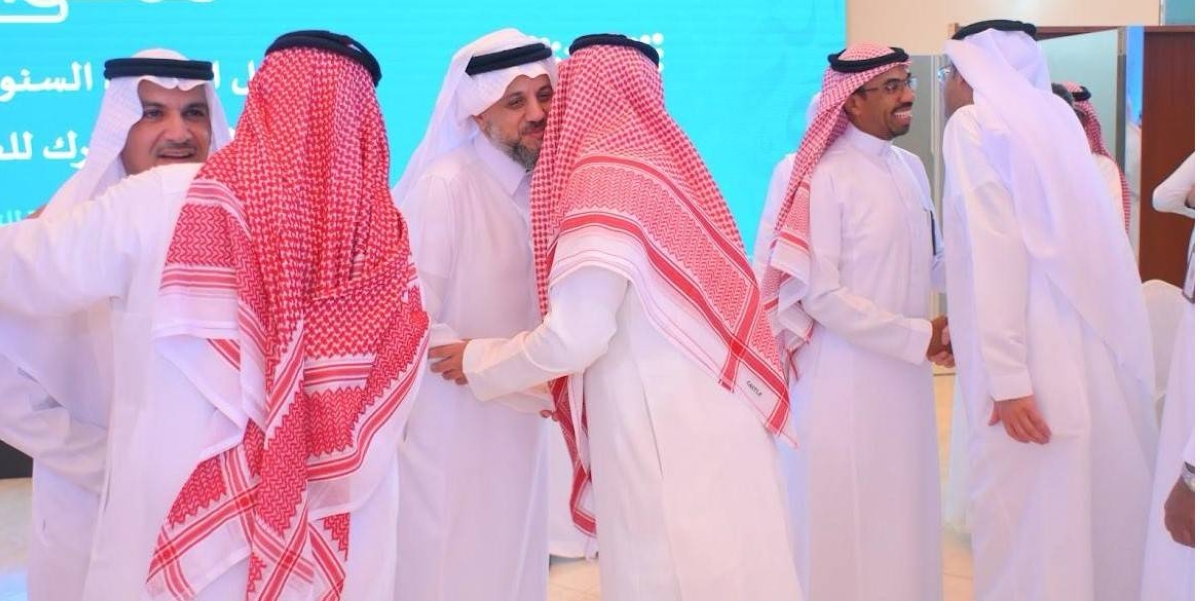
As the new academic year 1447 AH approaches, educational supervisors and members of the administrative and teaching staff return to public schools for boys and girls. This return represents a significant turning point in the local economic cycle, directly impacting several sectors such as transportation, logistics, and educational materials.
It is worth noting that the Ministry of Education has exempted four educational districts from the early return to school: Makkah, Madinah, Jeddah, and Taif. This exemption is due to the Hajj and Umrah seasons, which significantly impact infrastructure and services in these areas.
The economic impact of the return to schools
The start of the school year is a significant economic event due to its direct impact on consumer spending. According to previous economic studies, the beginning of the school year sees a notable increase in sales of school supplies and uniforms. This surge is attributed to the increased demand from families preparing for the new academic year.
In addition, the transportation sector experiences increased activity with the start of the school year due to the need to transport students and teachers to educational institutions. This activity contributes to boosting revenues for both public and private transportation companies.
Exceptions and their impact on the educational timetable
The delayed reopening of educational departments in Mecca, Medina, Jeddah, and Taif is part of a strategic plan to adapt to the specific circumstances of the Hajj and Umrah seasons. This step demonstrates the education system's ability to adapt to local changes without negatively impacting the quality of education provided.
Students are expected to begin their studies at the start of Rabi' al-Awwal, while exempted departments will begin on the 8th of the same month. This time adjustment may have a slight impact on the academic schedule but reflects the flexibility of educational planning in the Kingdom.
Global and local economic context
Globally, these developments come amid multiple economic challenges facing major economies due to inflation and rising energy prices. However, the Saudi market is demonstrating relative resilience thanks to prudent economic policies and ongoing government investment in education and infrastructure.
Domestically, the start of the school year contributes to stimulating domestic economic activity and boosting confidence among investors and consumers. The education sector is considered a key pillar of the Kingdom's Vision 2030, which aims to diversify the economy and reduce reliance on oil as the primary source of national income.
Future prospects for the education and economic sectors
With ongoing efforts to improve the quality of education and develop educational infrastructure, the sector is expected to experience further growth in the coming years. Continued investment in educational technology can also contribute to improved efficiency and increased productivity within the Saudi education system.
In general, these moves and plans reflect the importance of the education sector as a pivotal element for achieving comprehensive economic and social development within and outside the Kingdom.




Local News
Saudi Arabia: 1.3 million tons of poultry produced to meet Ramadan needs
Learn about the size of poultry production in Saudi Arabia, which exceeded 1.3 million tons to meet Ramadan demands, and the role of the Ministry of Environment in supporting food security through the "Our Land's Goodness" campaign.

With the arrival of the holy month of Ramadan, demand for basic food products in Saudi Arabia increases significantly, and the poultry sector is among the sectors experiencing a surge in activity to meet the needs of Ramadan meals. In this context, the Ministry of Environment, Water and Agriculture announced promising figures reflecting the strength of local production, with poultry meat production exceeding 1.3 million tons, confirming the high level of preparedness of local markets.
A key pillar of Vision 2030 and food security
This figure is not merely a passing statistic, but rather the fruit of continuous strategic efforts within the framework of the Kingdom's Vision 2030, which places great importance on food security. The poultry sector has witnessed significant leaps in recent years aimed at increasing self-sufficiency and reducing reliance on imports, thus strengthening the Kingdom's economic and food independence. The Ministry is working diligently to support specialized projects in this field to ensure the sustainability of food supplies, high quality, and competitive prices.
"Our Land's Bounty" campaign and support for local products
As part of its efforts to promote a culture of consuming locally produced goods, the Ministry, through its "Our Land's Bounty" campaign, highlighted the high reliability of local poultry, noting that the production system adheres to the highest standards of quality and food safety. This is achieved through the adoption of the latest global technologies in breeding and feeding processes, ensuring that consumers receive a fresh and healthy product that surpasses many imported alternatives in nutritional quality and safety.
Complete nutritional value for those fasting
From a health perspective, the ministry indicated that poultry is an ideal choice for breakfast and suhoor meals, as it is a rich source of high-quality, low-fat protein, a vital element for building muscle and repairing tissues. Poultry also contains a range of essential vitamins and minerals, most notably:
- B complex vitamins (B3, B6, B12): which play a pivotal role in enhancing brain function and supporting energy metabolism processes, which is what the fasting person needs to maintain their activity.
- Phosphorus: which contributes directly to promoting bone health.
- Selenium: which acts as an antioxidant and supports the efficiency of the immune system and the health of the thyroid gland.
The ministry concluded by emphasizing the importance of choosing lean poultry as a healthy alternative to red meat, given its numerous benefits for cardiovascular health when consumed as part of a balanced diet, and called on consumers to support national products that contribute to driving sustainable agricultural development in the Kingdom.
Local News
Directive to dedicate Friday sermons to warning against rumors and crises
The Minister of Islamic Affairs directs mosque preachers to dedicate the Friday sermon to warning against rumors, preventing the filming of security incidents, and focusing on the blessing of security and thanking God for it.

His Excellency the Minister of Islamic Affairs, Dawah and Guidance, Sheikh Dr. Abdul Latif bin Abdulaziz Al-Sheikh, issued today (Tuesday) an urgent and important directive to all mosque preachers throughout the Kingdom of Saudi Arabia, instructing them to dedicate next Friday's sermon to a vital topic concerning the security and stability of society. The directive emphasizes the obligation to thank God Almighty for the blessings of security, safety, and tranquility that the Kingdom enjoys, while stressing the necessity of warning the public against the dangers of engaging in discussions about events and crises without proper knowledge, and guiding them towards what benefits them in matters of their faith and worldly affairs.
The sermon's main points: Warning against rumors and the prohibition of filming security operations
The ministerial directive included several key points that preachers must address clearly, foremost among them reminding people of the blessings of security and stability and the obligation to be grateful for them. The directive also emphasized the strict prohibition against spreading and circulating rumors, or rushing to disseminate unverified news. His Excellency stressed the necessity of discouraging people from discussing crises and analyzing events in private gatherings or on social media, urging them to leave these matters to specialists and those whom God has entrusted with the affairs of the country, in compliance with religious and legal directives.
In a related context, the directive focused specifically on warning against the phenomenon of filming or sharing videos related to security incidents. The directive clarified that such practices fall under the category of "spreading rumors" and inciting fear, which could endanger lives and public interests, in addition to providing a free service to enemies and enabling them to escalate their aggression by revealing movements or spreading panic.
Legal and national context: Strengthening intellectual security
This directive comes within the framework of the Ministry of Islamic Affairs' ongoing strategy to promote "intellectual security" and protect the social fabric. From a Sharia perspective, this directive is based on established religious principles that urge the verification of news and the avoidance of disseminating information that could cause public anxiety, in accordance with Quranic injunctions that mandate referring security and public matters to those in authority and qualified to interpret religious texts. Historically, the Friday sermon in the Kingdom has played a pivotal role in unifying the community and guiding social discourse during sensitive times, reflecting the integration between religious institutions and security agencies in maintaining the stability of the state.
The importance of awareness in facing the challenges of new media
This guidance gains added importance in light of the technological revolution and the proliferation of social media platforms, where the transmission of information—whether accurate or false—now occurs in fractions of a second. Highlighting the dangers of "citizen journalism" in security situations is a proactive step to prevent the spread of misinformation that could be exploited by hostile entities to destabilize the country. The anticipated impact of this sermon extends beyond religious awareness, aiming to fortify society psychologically and socially against psychological warfare and malicious rumors.
The directive concluded by urging people to increase their supplications in the sermon, asking God to protect the Kingdom’s leadership and perpetuate its glory and strength, and to bestow upon our country and all Muslim countries the blessing of security and stability, with special prayers for the brave soldiers who defend the homeland, asking God to guide their aim and protect them from all harm.
Local News
Today's weather forecast: Rain, hail, and fog expected in parts of Saudi Arabia
Check the weather forecast for Tuesday in Saudi Arabia. Thunderstorms and hail are expected in Riyadh, the Eastern Province, and several other regions, with warnings of fog and dust.

The National Center for Meteorology issued its daily weather report for today (Tuesday), indicating continued unstable weather conditions across most regions of Saudi Arabia. The report revealed a chance of light to moderate thunderstorms, accompanied by hail and strong winds, urging caution while traveling.
According to the center's data, the rainy weather will affect large parts of the Eastern Province and the Riyadh region, extending to southern and southwestern areas such as Najran, Jazan, Asir, and Al-Baha. This weather pattern is a result of the convergence of different air currents, leading to atmospheric instability, which is common during this transitional period of the year.
In a related development, the National Center for Meteorology noted the possibility of dense fog forming during the early morning and late night hours in parts of the aforementioned regions, which could reduce horizontal visibility. The report also did not rule out the possibility of light rain extending to parts of the Northern Borders, Al-Jawf, Hail, and Al-Qassim regions, as well as the Madinah region, amidst partly cloudy skies that will create a wintry atmosphere.
On the other hand, the meteorological department warned of the impact of active winds stirring up dust and sand, which may reduce horizontal visibility on highways and in open areas, particularly in parts of the Tabuk and Makkah regions, as well as areas experiencing rainfall. The diverse geography of the Kingdom plays a significant role in the variation of these weather phenomena, with the mountainous highlands of Asir and Al-Baha contributing to the formation of cumulonimbus clouds, while open areas are affected by active surface winds.
These reports are of paramount importance to citizens and residents, as they contribute to raising awareness and helping people avoid potential dangers resulting from flash floods or landslides on wet roads. Experts always advise staying updated by official authorities and adhering to Civil Defense instructions, especially in areas under orange and red alerts, to ensure the safety of lives and property.
-

 Local News 3 days ago
Jeddah Airport alerts for travelers due to airspace closure and flight disruptions
-
Local News 5 days ago
Saudi Arabia approves regulations for the continued presence of Gulf vehicles: duration and penalties
-
Local news one week ago
The Ministry of Interior begins procedures for a royal pardon for common law prisoners
-
Local news one week ago
The deadline for property registration in Hail and Riyadh is Thursday
-
Sports one week ago
Tickets for the Al-Ahli vs. Al-Hilal King's Cup match postponed: New date
-
Local news one week ago
Under the patronage of the Minister of Information, an agreement was signed between the Ministry of Information and Waves Marketing Company
-
Culture and Art 6 days ago
The Devil's Prisons series was halted: The full story of "The Emperor's" being moved to YouTube
-
Local News 5 days ago
Saudi Energy: A new identity for electricity that aligns with Vision 2030