
Local News
The Grand Mufti of the Kingdom meets with the Minister of Islamic Affairs to enhance cooperation
A moving meeting brings together the Grand Mufti of the Kingdom and the Minister of Islamic Affairs to promote religious cooperation, a step towards a deeper understanding of Islamic values in Saudi Arabia.

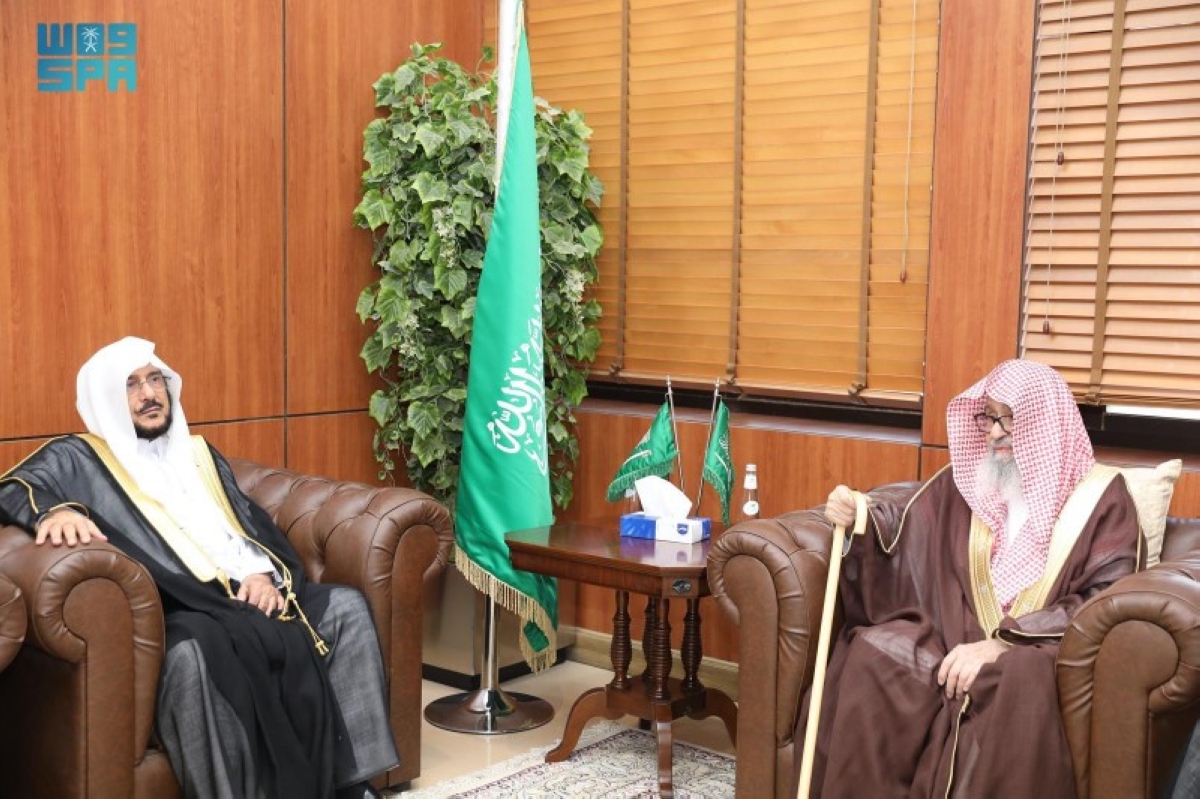
A leadership meeting to enhance religious cooperation in the Kingdom
In a move reflecting the Kingdom of Saudi Arabia's commitment to promoting Islamic values and guiding society towards a correct understanding of the religion, the Grand Mufti of the Kingdom and Chairman of the Council of Senior Scholars, Sheikh Dr. Saleh bin Fawzan bin Abdullah Al-Fawzan, received the Minister of Islamic Affairs, Dawah and Guidance, Sheikh Dr. Abdul Latif bin Abdulaziz Al-Sheikh. The meeting, which took place at the Presidency headquarters in Riyadh, was attended by prominent religious figures, including the Secretary-General of the Council of Senior Scholars and the Secretary-General of the Permanent Committee for Fatwas, Sheikh Dr. Fahd bin Saad Al-Majed.
Strengthening the role of mosques and prayer halls
During the meeting, the Grand Mufti commended the efforts of the Ministry of Islamic Affairs in managing mosques and prayer halls throughout the Kingdom. He emphasized the vital role the Ministry plays in guiding people toward a correct understanding of religious matters and obligations in accordance with the tolerant message of Islam. This guidance is part of the Kingdom's efforts to enhance religious awareness among both citizens and residents.
Royal congratulations and confidence
For his part, Minister Al-Sheikh congratulated the Grand Mufti on the royal trust bestowed upon him with his appointment as Grand Mufti of the Kingdom and Chairman of the Council of Senior Scholars. He expressed his hope that the Grand Mufti would continue his efforts to serve Islam and Muslims in accordance with the noble mission of the Council of Senior Scholars.
Historical context and strategic role
Historically, religious institutions in Saudi Arabia have played a pivotal role in guiding society and promoting moderate Islamic values. This meeting underscores the continuation of this vital role, which the Saudi leadership seeks to strengthen by supporting prominent religious figures and institutions concerned with Islamic affairs.
Strategic balance and Saudi diplomacy
The Kingdom of Saudi Arabia holds a special place in the Islamic world as the birthplace of Islam and home to the Two Holy Mosques. This underscores the importance of such meetings, which reflect the Saudi leadership's commitment to promoting Islamic values and supporting religious institutions in achieving shared goals. These efforts also highlight the Kingdom's ability to strike a strategic balance between preserving its cultural and religious identity and engaging with the wider world.
In conclusion, this meeting between religious leaders reflects the extent of Saudi Arabia’s commitment to promoting dialogue and cooperation between various stakeholders in Islamic affairs to ensure the achievement of the sustainable development goals of Saudi society in accordance with the ambitious Vision 2030.









Local News
Saudi Arabia weather: Rain in Riyadh, the Eastern Province, and Qassim, and dense fog
Find out about today's weather in Saudi Arabia, where the National Center for Meteorology predicted thunderstorms in Riyadh, the Eastern Province and Qassim, with chances of fog and dust.
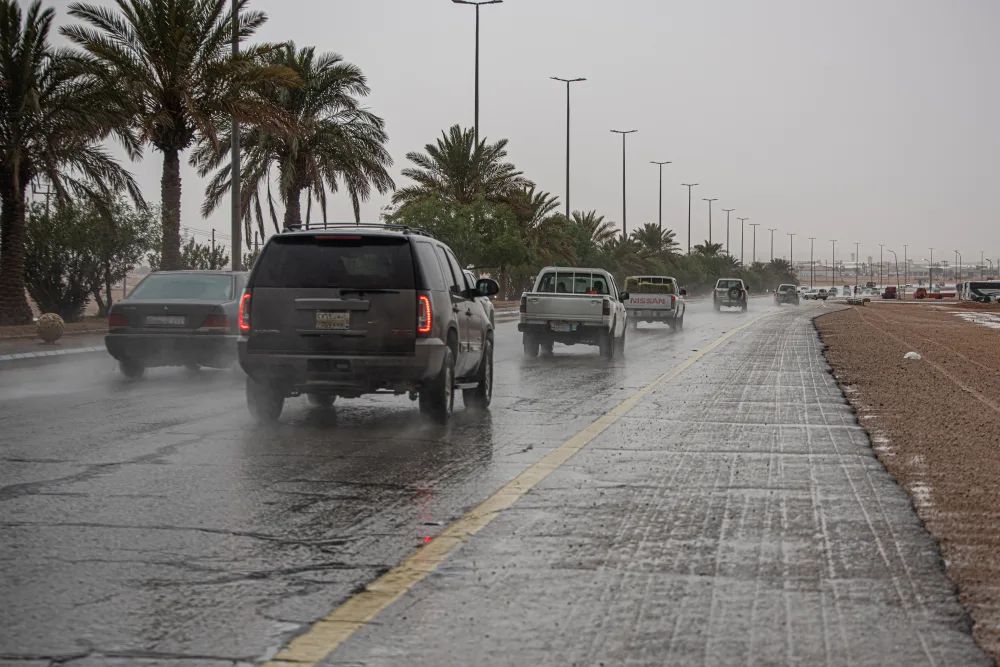
The National Center for Meteorology in Saudi Arabia issued its daily weather report for today (Tuesday), indicating continued unstable weather conditions across several regions of the Kingdom. The report stated that there remains a chance of moderate to heavy thunderstorms, accompanied by strong winds that may stir up dust and reduce horizontal visibility in some areas.
The weather forecast covers a wide area, with rainfall expected to be concentrated in parts of the Northern Borders region, the Eastern Province, Riyadh, Qassim, and Hail. This weather system also extends to parts of Madinah and Makkah, necessitating caution while traveling on highways in these areas.
In a related development, the National Center for Meteorology indicated that the sky will be partly cloudy to cloudy, with a chance of scattered light rain over parts of the southwestern highlands, specifically in the Al-Baha, Asir, and Jazan regions. This weather pattern is typical for this time of year, as the Kingdom is affected by humid air masses that contribute to the formation of cumulonimbus clouds.
The report also highlighted another weather phenomenon requiring attention: the potential formation of dense fog during the night and early morning hours. This fog is expected to affect parts of the highlands in the aforementioned regions (Al-Baha, Asir, and Jazan), as well as parts of the Tabuk region and the Eastern Province, potentially causing near-zero visibility on some highways and in open areas.
These forecasts are of particular importance due to their direct impact on traffic and land navigation, as relevant authorities such as Civil Defense and Traffic usually issue proactive warnings to citizens and residents about the need to adhere to safety rules, avoid valleys and flood channels, and reduce speed when driving in dusty or foggy conditions to ensure everyone’s safety.
Local News
328 female recruits graduate from the Women's Training Institute under the patronage of the Minister of Interior
The Director of Public Security attended the graduation ceremony of 328 female recruits from the eighth batch at the Women’s Training Institute, in a step that enhances women’s security empowerment within the framework of Vision 2030, under the patronage of the Minister of Interior.
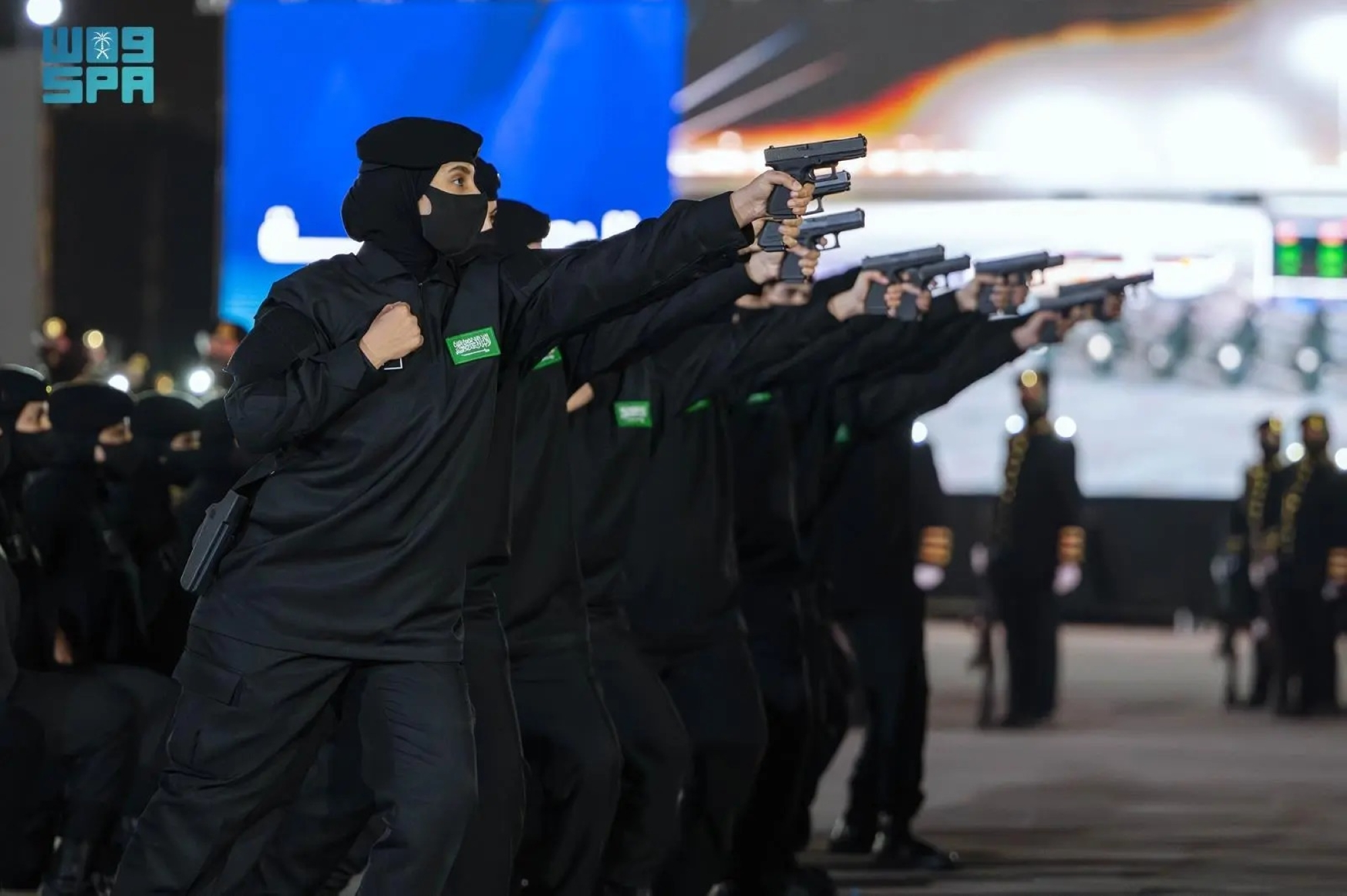
The Director of Public Security, Lieutenant General Mohammed bin Abdullah Al-Bassami, attended the graduation ceremony of 328 female graduates representing the eighth batch of the basic individual qualification course for female recruits at the Women’s Training Institute, under the patronage of His Royal Highness Prince Abdulaziz bin Saud bin Nayef bin Abdulaziz, Minister of Interior.
Course details and acquired skills
During their training, the graduates underwent an intensive program that included rigorous practical exercises and applications, in addition to receiving the necessary theoretical knowledge and instruction. The course focused on equipping the recruits with the skills required for their specific security duties, emphasizing mastery of various security systems and procedures, thus ensuring their complete readiness to integrate into the security workforce effectively and efficiently.
Empowering women in the security sector: An ambitious national vision
This graduation comes as a new link in a series of rapid steps taken by the Kingdom of Saudi Arabia towards empowering women in various sectors, including the military and security sector, in line with the objectives of the Kingdom’s Vision 2030. Recent years have witnessed a historic transformation in this field, as the Ministry of Interior and its various sectors have opened their doors to women to participate in maintaining security and stability, reflecting the wise leadership’s belief in the ability of Saudi women to bear national responsibility in all fields.
The importance of the role of women in the public security system
The addition of this new batch of female recruits is of paramount importance in strengthening field and administrative security operations. The presence of women in public security contributes to fulfilling essential and vital needs, particularly in handling situations requiring female personnel, such as inspections at security checkpoints, work in women's prisons, passport control, and other tasks requiring specific expertise. This integration between male and female personnel enhances the efficiency of security performance and achieves greater comprehensiveness in the services provided to citizens and residents.
Qualitative leaps in training and qualification
The Women's Training Institute for Public Security is a leading training institution that operates according to the highest standards to qualify female personnel. Training is not limited to traditional military aspects, but extends to include modern technologies, public relations, and human rights, producing a generation of female recruits capable of handling various security scenarios with high professionalism and keeping pace with the rapid developments the world is witnessing in the field of policing and security.
Local News
Schedule of Taraweeh and Tahajjud prayers at the Two Holy Mosques for Ramadan 1447 AH
Find out the schedule of Tarawih and Tahajjud prayers in the Two Holy Mosques for Ramadan 1447 AH and the names of the approved imams in the Grand Mosque and the Prophet’s Mosque within the operational plan.
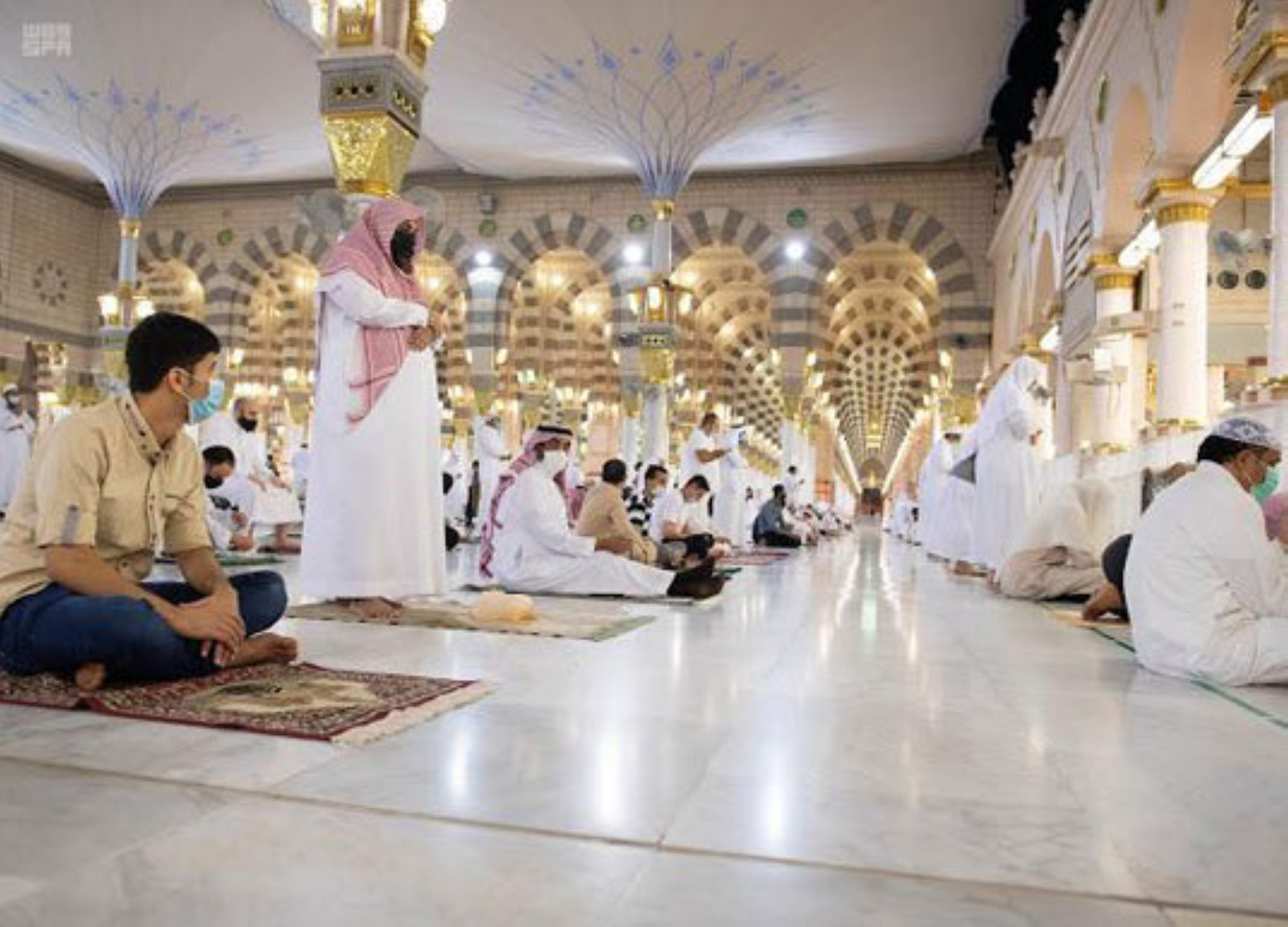
As part of the extensive preparations to welcome the blessed month of Ramadan, the General Presidency for Religious Affairs at the Grand Mosque in Mecca and the Prophet's Mosque in Medina has announced the official schedule for Taraweeh and Tahajjud prayers at the Two Holy Mosques during the holy month of Ramadan this year, 1447 AH. This announcement comes in response to the aspirations of millions of Muslims worldwide who eagerly anticipate and yearn for the spiritual atmosphere of the Two Holy Mosques during this blessed month.
List of Imams of the Grand Mosque in Ramadan 1447 AH
The approved schedule for the Grand Mosque included a selection of reciters and sheikhs whose voices are deeply ingrained in the memories and devotion of worshippers. The list included:
- His Eminence Sheikh Dr. Abdul Rahman Al-Sudais.
- His Eminence Sheikh Dr. Abdullah Al-Juhaini.
- His Eminence Sheikh Dr. Yasser Al-Dosari.
- His Eminence Sheikh Dr. Bandar Balila.
- Sheikh Badr Al-Turki.
Their Eminences will take turns leading the worshippers in the Tarawih and Tahajjud prayers according to the schedule set by the Presidency, to ensure a humble and spiritual experience for the worshippers.
Imams of the Prophet's Mosque
Within the precincts of the Prophet's Mosque (peace and blessings be upon him), the Presidency approved a schedule that includes a group of distinguished sheikhs to lead the prayers, namely:
- His Eminence Sheikh Dr. Abdulmohsen Al-Qasim.
- Sheikh Salah Al-Budair.
- Sheikh Abdullah Al-Qarafi.
- Sheikh Khalid Al-Hana.
- Sheikh Muhammad Barhaji.
In addition to a number of other sheikhs who will participate in reviving the nights of the holy month in Medina.
Operational plan: 7 strategic objectives to serve visitors
The General Presidency for Religious Affairs' preparations are not limited to scheduling; they are based on a comprehensive operational plan announced last Thursday. This plan for Ramadan 1447 AH rests on seven key strategic objectives, all aimed at enhancing the message of the Two Holy Mosques.
These objectives revolve around enhancing and enriching the religious and spiritual experience of pilgrims, with a focus on disseminating and teaching the Holy Quran and the purified Sunnah of the Prophet. The plan also places great emphasis on consolidating the Kingdom of Saudi Arabia's religious standing and its global leadership in serving the Two Holy Mosques and their visitors.
Digital transformation and the global message
In light of rapid technological advancements, the Presidency, as part of its plan, emphasized the importance of harnessing modern technologies and digital transformation to spread guidance and enhance communication with Muslims across the globe. This includes leadership in translation and language services to ensure that the tolerant message of Islam, based on moderation and balance, reaches all visitors and pilgrims in their various languages.
This great and meticulous attention to the details of the schedule and operational plan reflects the keenness of the wise leadership and concerned authorities to provide the utmost comfort and reassurance to the guests of God, so that they may perform their rituals in an atmosphere full of tranquility and reverence during the holy month.
-

 Local news one week ago
Landslide in Riyadh: Details of the incident in Al-Sahafa neighborhood and containment efforts
-
 Local news one week ago
The death penalty was carried out against a citizen who stabbed another to death in Tabuk
-

 Culture and Art, 1 week ago
Haifa Wehbe's absence in Riyadh: A photo crisis or a strained relationship with the media?
-
 Local news one week ago
Riyadh collapse: Emergency plans to secure water after a main pipeline burst
-

 Culture and Art, 1 week ago
City Kitchen series: A drama of conflict and the middle class during Ramadan
-

 Culture and Art, 1 week ago
The series "Kasra": Dawood Hussein in a moving social drama this Ramadan
-

 Local news one week ago
Applying for the 1447 Opportunities Program for Teachers via the Fares System
-

 Local News 6 days ago
Ramadan 2026 discounts in Saudi Arabia: Offers valid for 54 days