
Local News
Saudi Interior Ministry: Execution of amphetamine smuggler
The Ministry of Interior announced the execution of the death penalty against the perpetrator Al-Anzi for his conviction of smuggling amphetamine, stressing the continuation of its firm war against drug dealers and the protection of society.

The Saudi Ministry of Interior issued an official statement today announcing the execution of a perpetrator, after he was found guilty of bringing in and receiving quantities of amphetamine pills, in a step that confirms the Kingdom’s continued determination to eradicate the scourge of drugs and protect society from its serious dangers.
Details of the ruling and the security operation
The Ministry explained in its statement that the security authorities, by the grace of God, were able to apprehend the aforementioned perpetrator (Al-Anzi). The investigation resulted in his indictment for the crime. Upon his referral to the competent court, a ruling was issued confirming the charges against him and sentencing him to death by way of discretionary punishment (ta'zir) due to the gravity of the crime committed. The ruling was upheld by the Court of Appeals and the Supreme Court, and a royal decree was issued to enforce the legally mandated punishment.
The context of the war on drugs in the Kingdom
This sentence is being carried out within the context of the comprehensive and decisive security campaign launched by the Kingdom of Saudi Arabia against drug traffickers and smugglers, popularly and in the media known as the "War on Drugs." This campaign is a fundamental part of the Ministry of Interior's strategy to maintain the security of the nation and the safety of its citizens and residents. The Kingdom imposes strict penalties in drug smuggling cases, especially those involving amphetamine (Captagon), given the devastating health, mental, and social damage these substances cause, and their direct impact on young people, who constitute the largest segment of the population.
Legal and social dimensions
Judicial rulings in the Kingdom are based on Islamic Sharia, which prohibits anything that impairs the mind and spreads corruption. Drug trafficking is considered a form of corruption that warrants the severest penalties to deter anyone who might consider jeopardizing the security of society. Through these successive statements, the Ministry of Interior affirms the commitment of the Custodian of the Two Holy Mosques' government to combating drugs of all kinds, given the grave harm they inflict on individuals and society, and to imposing the harshest punishments on perpetrators, drawing its approach from the upright Sharia of God.
A message of deterrence and warning
The ministry concluded its statement with a strongly worded warning to anyone who commits such criminal acts, stressing that the legal punishment will be the fate of anyone who tries to smuggle or promote narcotic poisons within the borders of the Kingdom, and that the vigilant eyes of the security men are on the lookout for all plots that target the security and stability of the homeland.


Local News
Saudi Arabia: 4 new exceptions to facilitate franchising and support Vision 2030
The Saudi Cabinet approved four new criteria that exempt some franchisees from experience requirements, with the aim of stimulating promising sectors and supporting entrepreneurs within Vision 2030.


In a strategic move aimed at enhancing the business environment and supporting small and medium-sized enterprises (SMEs), the Saudi Cabinet approved a significant amendment to the Commercial Franchise Law. This amendment exempts certain franchisors from the requirement of prior operational experience, based on four specific criteria. This decision aligns with the goals of the Kingdom's Vision 2030, which seeks to diversify the economy and stimulate innovation and entrepreneurship.
Background to the decision and the importance of the franchise system
The franchise system in the Kingdom is a cornerstone for supporting the growth and expansion of local brands, as well as attracting international brands. Historically, Article 5, Paragraph 1 of the system stipulated a fundamental condition to protect investors and franchisees: “A franchise opportunity may not be offered or a franchise granted unless the franchise business has been operated according to the franchise business model for a period of no less than one year by two individuals or at least two different points of sale.” The purpose of this condition was to ensure that the business model had proven its success and replicability before being offered as an investment opportunity to others, thus reducing risks for new entrepreneurs.
The four criteria for exception and their expected impact
With the move towards a more resilient and dynamic economy, the Cabinet's decision introduced carefully considered exceptions that balance protection and stimulus. These criteria are:
- Belonging to promising sectors: Franchise businesses must fall within the sectors targeted by Vision 2030, such as tourism, entertainment, technology, or advanced industries. This criterion aims to accelerate the growth of these vital sectors and increase the number of companies operating within them.
- Providing a comprehensive business model: The franchisor is required to submit a clear and detailed business model, including operational manuals, market analysis, and a feasibility study demonstrating the project's viability. This criterion replaces the requirement for practical experience with rigorous planning and analytical requirements.
- Innovation and Economic Contribution: Franchise activity must be innovative, offering a product or service that effectively contributes to national economic development and meets local market needs. This requirement fosters the emergence of unique brands that fill market gaps and support local content.
- Linking the financial consideration to revenue: The fourth standard stipulates that the franchisor should not impose any financial consideration on the franchisee before operations commence and revenues are generated. The consideration should be linked to the actual financial performance of the project, as defined in the agreement. This measure reduces financial risk for the new investor and ensures the success of both parties.
The economic and future impact of the decision
This decision is expected to have a multifaceted positive impact. Locally, it will encourage entrepreneurs and innovators to transform their projects into scalable brands through the franchise model, leading to job creation and supporting the growth of small and medium-sized enterprises (SMEs). Regionally and internationally, this regulatory flexibility makes the Saudi market more attractive to emerging global brands that may not meet the pre-operational requirements but possess strong and innovative business models, thus enhancing the Kingdom's competitiveness as a leading investment destination.
Local News
Launch of the Athar platform for environmental freelance work in Saudi Arabia | Vision 2030
The Ministry of Human Resources launched the “Athar” platform to regulate freelance work in the environmental sector, with the aim of providing quality job opportunities and supporting small and medium enterprises within the framework of Vision 2030.
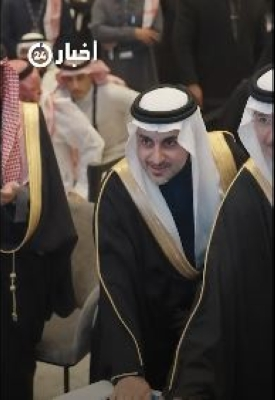
In a strategic move aimed at regulating and developing the environmental services market in Saudi Arabia, the Ministry of Human Resources and Social Development, in cooperation with the National Center for Environmental Compliance, announced the launch of the “Athar” platform for freelancers. This platform, part of the Professional Accreditation Initiative, is the first regulatory framework of its kind enabling individuals to practice environmental freelance work in a certified and official manner, opening new horizons for Saudi specialists and supporting the national transformation towards a green economy.
National context and future vision
The launch of the “Athar” platform cannot be viewed as an isolated event, but rather as an integral part of the major transformations the Kingdom is undergoing within the framework of Vision 2030. The Vision seeks to diversify income sources and reduce dependence on oil, with a strong focus on environmental sustainability. Initiatives such as “Green Saudi Arabia” and “Green Middle East” are fundamental pillars of this direction, aiming to improve the quality of life and protect the environment for future generations. Hence, the “Athar” platform serves as an implementation tool that translates these aspirations into tangible reality by building a qualified national workforce capable of leading the environmental services sector.
Launch details and first phase
The platform's launch ceremony was attended by high-level officials, including the Deputy Minister of Human Resources and Social Development for Labor, Dr. Abdullah Abu Thnein, and the Deputy Minister of Environment, Water and Agriculture, Engineer Mansour Al-Mashiti, reflecting the importance the government places on this project. As a first step, 99 licenses were issued to accredited environmental practitioners who will begin their careers by providing environmental management plan (EMP) services for low-impact facilities, such as auto repair shops, in collaboration with the private sector.
Expected economic and social impact
The official spokesperson for the National Center for Environmental Compliance, Saad Al-Mutrafi, explained that the platform serves a vast market of over 50,000 establishments, making it a promising economic market. Opening this field to individuals will directly contribute to supporting localization efforts and creating quality job opportunities for citizens in a specialized and in-demand sector. It will also raise the overall level of environmental compliance in the Kingdom, as small and medium-sized enterprises (SMEs) will be able to access certified environmental services at competitive prices, thus enhancing their sustainability and reducing their environmental footprint.
A look to the future
The platform's development plans don't stop there, with the next phase scheduled for launch in the second quarter of this year. This phase will involve training a new cohort of environmental practitioners through specialized programs implemented in collaboration with several leading Saudi universities. These academic partnerships aim to ensure the quality of the outputs and provide the market with highly qualified professionals capable of delivering comprehensive consulting services across multiple environmental fields, extending beyond simply preparing plans to include periodic reports and environmental audits.
Local News
Mandatory sewer connection in Saudi Arabia: Decision and details
The Saudi Water Authority has announced the mandatory connection of properties to the sewage network. Learn about the details of the decision, the associated fees, and its impact on the environment and public health.
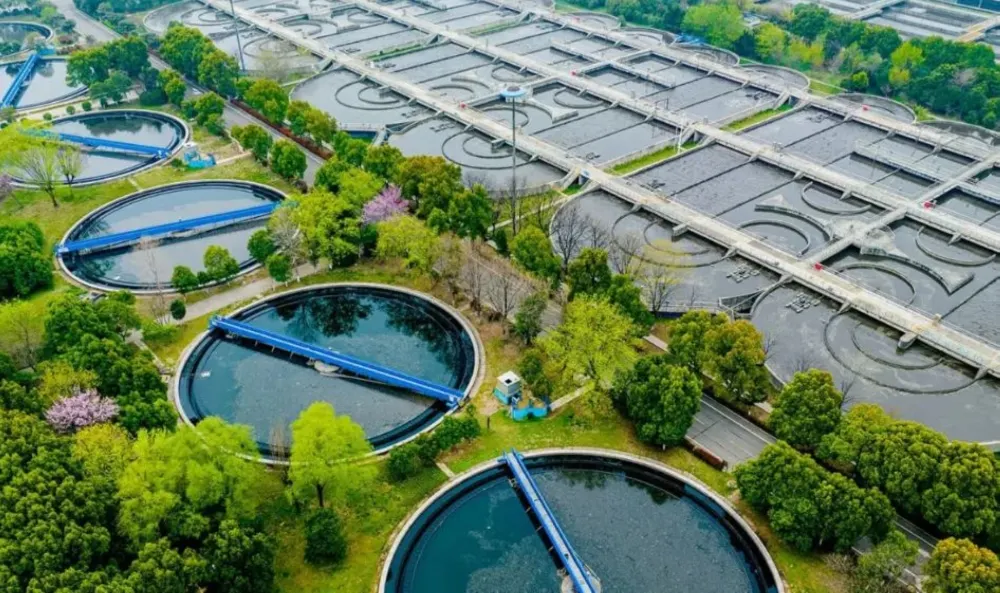
The Saudi Water Authority announced an important regulatory step, which is the mandatory connection of all properties to the public sewage network, stressing that this measure comes within the framework of protecting the environment and public health, and enhancing the quality of life in the cities and residential neighborhoods of the Kingdom.
Background of the decision and its strategic importance
This decision comes as part of the major transformations underway in the Kingdom's water and environmental services sector, in line with the objectives of Saudi Vision 2030. For decades, many residential areas relied on traditional drainage systems such as cesspools or septic tanks, which posed significant environmental and health challenges, most notably the potential for untreated wastewater to seep into the soil and groundwater, leading to contamination and the spread of disease. The transition to a centralized and integrated wastewater network represents a qualitative leap in urban infrastructure, aimed at addressing these challenges in a fundamental and sustainable manner.
Details of the mechanism and costs
The authority clarified that the connection fee is calculated based on clear regulations approved by the Council of Ministers in its decision dated 30/11/1441 AH. These regulations rely on precise criteria including the property classification (residential, commercial, industrial), its total area, and the required connection diameter to serve it efficiently. To facilitate the process for beneficiaries, the authority confirmed that payment can be made in a single payment after the invoice is issued, or through an approved installment plan offered by the service provider, before work commences.
Local and national impact of the decision
The mandatory connection to the sewage network is a systematic measure with multiple dimensions. At the local level, the decision contributes to eliminating unpleasant odors and sources of visual and environmental pollution in neighborhoods, thus increasing property values and improving the urban landscape. At the national level, this approach supports environmental sustainability goals by enabling the treatment and reuse of wastewater for purposes such as agricultural and industrial irrigation, thereby reducing pressure on scarce freshwater resources. This measure also aligns with international standards for public health and modern urban management, and reinforces the Kingdom's position as a leader in adopting best environmental practices.
Notification and technical support mechanism
To ensure that information reaches all beneficiaries, the Authority and service providers follow organized procedures that begin with notifying property owners of the service's availability in their neighborhoods through multiple channels, including SMS messages, notifications via mobile applications, the official website, and call centers. The Authority emphasized that it provides comprehensive, round-the-clock support channels through its unified call center (19913) to answer all inquiries and provide necessary assistance, thus ensuring a smooth transition to a safe and sustainable wastewater system that benefits both the community and the environment.
-

 Local News 3 days ago
Landslide in Riyadh: Details of the incident in Al-Sahafa neighborhood and containment efforts
-
 Local News 4 days ago
The death penalty was carried out against a citizen who stabbed another to death in Tabuk
-

 Culture and Art, 1 week ago
Ramez Galal in Ramadan 2026: Details of the bloody prank show
-

 Local News 5 days ago
First birth on the Riyadh train: A heartwarming story at Andalus station
-
 Local News 3 days ago
Riyadh collapse: Emergency plans to secure water after a main pipeline burst
-

 Culture and Art 3 days ago
Haifa Wehbe's absence in Riyadh: A photo crisis or a strained relationship with the media?
-

 Culture and Art 3 days ago
City Kitchen series: A drama of conflict and the middle class during Ramadan
-

 Culture and Art 3 days ago
The series "Kasra": Dawood Hussein in a moving social drama this Ramadan