Local News
Minhaj platform services for domestic pilgrims: Features and registration process
Learn about the services offered by the Minhaj e-platform for domestic pilgrims. A comprehensive guide to reviewing packages, booking, and issuing permits, part of the Ministry of Hajj and Umrah's efforts to facilitate the pilgrimage.

The “Minhaj” platform is one of the most prominent digital initiatives launched by the Ministry of Hajj and Umrah in the Kingdom of Saudi Arabia, aiming to bring about a qualitative shift in the Hajj experience for domestic pilgrims, both citizens and residents. This platform is part of an integrated technological system that seeks to facilitate Hajj procedures, ensure transparency, and raise the level of services provided to pilgrims, in line with the objectives of the Kingdom’s Vision 2030.
Key services offered by the Minhaj platform
The platform provides a unified digital interface that allows users to browse all available Hajj packages offered by accredited domestic Hajj service providers. Through "Minhaj," pilgrims can easily compare prices, services, and camp locations in the holy sites (Mina, Arafat, and Muzdalifah). The platform also facilitates secure online booking and payment, guaranteeing the rights of both the pilgrim and the service provider, culminating in the issuance of the official Hajj permit through direct linkage with the Ministry of Interior.
General context and digital transformation in the Hajj sector
The Minhaj platform didn't emerge from a vacuum; it's the culmination of years of dedicated work within the Guests of God Service Program, one of the Vision 2030 initiatives. Historically, Hajj bookings were handled through campaign offices that sometimes lacked organization or direct oversight, exposing some pilgrims to fraud or substandard services. With the launch of the electronic portal and the subsequent development of platforms like Nusk and Minhaj, the Kingdom has entered the era of smart Hajj, where artificial intelligence and big data are harnessed to manage crowds and regulate human flow.
Importance and expected impact
The paramount importance of the Minhaj platform lies in its oversight and regulatory role; it completely eliminates the fraudulent campaigns that plagued authorities and pilgrims in the past. Locally, the platform enhances the operational efficiency of Tawafa companies and creates a fair and competitive environment based on service quality. Regionally and internationally, the Kingdom's success in managing millions of pilgrims through digital platforms serves as a model for crowd and crisis management, reflecting the Kingdom's high technical and administrative capabilities in serving Islam and Muslims.
In conclusion, “Minhaj” services are not limited to booking only, but extend to include evaluating services after the end of the season, which contributes to continuous improvement and development of the Hajj system year after year.




Local News
UAE Civil Aviation Authority activates emergency plans at airports
The UAE General Civil Aviation Authority announces the activation of emergency plans in coordination with airports and national carriers to ensure the safety of passengers and the regular return of air traffic.
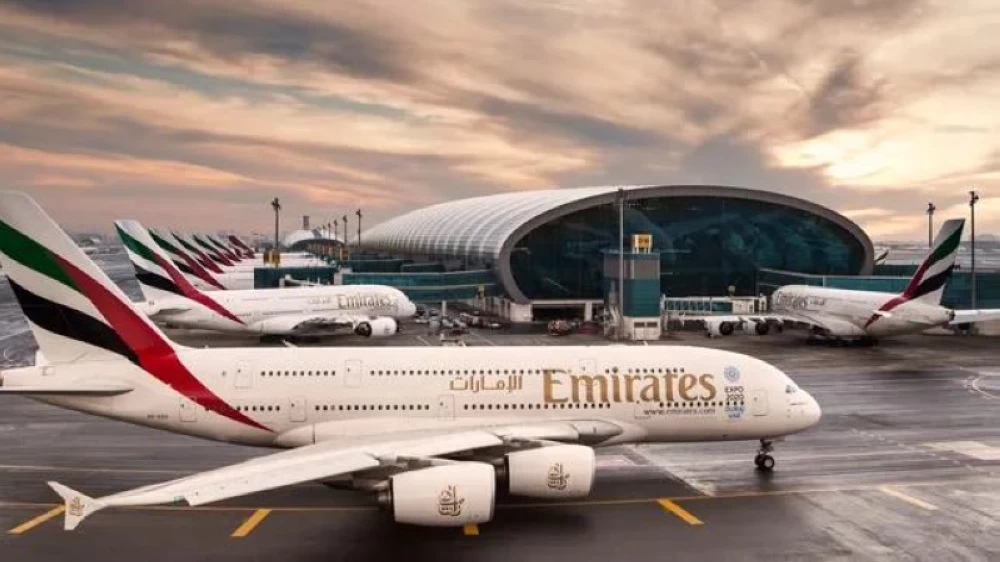
The General Civil Aviation Authority of the United Arab Emirates announced that it is intensifying its field and administrative efforts, in direct and continuous coordination with all airports and national carriers, with the aim of activating approved emergency plans to ensure the continuity of operational processes in the various airports of the country with high efficiency.
The authority confirmed, in an official tweet published today (Sunday) via its account on the social media platform “X”, its full commitment to providing all forms of necessary support to travelers, and working diligently to ensure the safe and regular return of air traffic in all airports of the country, in a way that ensures the safety of passengers and property.
The importance of the aviation sector in the UAE and the context of the event
This announcement reflects the UAE's ongoing commitment to maintaining its global standing as a pivotal hub for international aviation. The UAE is not merely a transit point, but a vital artery connecting East and West, with its airports, most notably Dubai International Airport and Zayed International Airport, being among the busiest and most dynamic in the world. Therefore, any action taken to activate emergency plans is not simply a response to a temporary emergency, but rather part of a comprehensive national strategy for crisis management and ensuring the resilience of critical infrastructure.
Coordination mechanisms and role integration
In such circumstances, the General Civil Aviation Authority relies on precise protocols for cooperation with major national carriers such as Emirates, Etihad Airways, Flydubai, and Air Arabia. This coordination includes flight scheduling, passenger flow management, and the provision of necessary logistical services to minimize waiting times or delays that may result from any exceptional operational or weather conditions. The integration of roles between regulatory bodies (the Authority) and operational entities (airports and airlines) is the cornerstone of the sector's rapid response to any changes.
Economic impact and safety standards
Economically, the aviation sector is a cornerstone of the UAE's non-oil economy, contributing significantly to the country's GDP. Ensuring the continuity of air traffic therefore reinforces investor and tourist confidence in the UAE's efficiency and ability to manage complex logistical operations under any circumstances. Furthermore, the General Civil Aviation Authority (GCAA) prioritizes safety above all else, adhering to the highest international standards set by the International Civil Aviation Organization (ICAO), making UAE airspace among the safest and most regulated in the region and the world.
In conclusion, through these proactive measures, the Authority seeks to reassure the traveling public that all specialized teams are working around the clock to overcome any challenges and ensure their safe and secure arrival at their destinations.
Local News
Road maintenance begins in Al-Mansoura and Al-Aarid districts of Riyadh: Schedules and locations
The Riyadh Municipality announces details of road maintenance in the Al-Mansoura and Al-Aarid districts. Learn about the schedules and targeted streets as part of the plan to improve quality of life and safer transportation in the capital.

The Riyadh Municipality has officially announced that its field teams have begun implementing a series of maintenance and rehabilitation works on a number of main and secondary roads in the Al-Mansoura district (south of Riyadh) and the Al-Aarid district (north of Riyadh). This step comes as part of the municipality's ongoing strategy to improve the efficiency of the road network in the capital, ensure smooth traffic flow, and enhance safety standards for all road users.
Timeline details and target locations
The municipality clarified the details of the implementation plan in its statement, explaining that maintenance work in the Al-Mansoura neighborhood tomorrow, Monday, and continue until March 25. The work will cover the area between Al-Watan Street, Al-Jami' Al-Umawi Street, and Ma'an Ibn Za'ida Street, extending to the Southern Ring Road. This work aims to repair cracks and potholes and improve the asphalt surface in this vital neighborhood.
Regarding Al-Aridh neighborhood , one of the fastest-growing areas in the north of the capital, the municipality has set the period from March 4th to April 2nd as the date for carrying out the works. The work will be concentrated in the area bounded by Thaalaba bin Saad Al-Khazraji Street, Prince Khalid bin Bandar bin Abdulaziz Road, Abu Bakr Al-Siddiq Road, and Al-Kawthar Street.
Urban development context in Riyadh
These projects are of particular importance given the significant urban expansion Riyadh is experiencing, as the municipality strives to align with the goals of the Kingdom's Vision 2030 and the Quality of Life Program. Riyadh, preparing to host major international events, is working diligently to develop its infrastructure to rank among the world's best cities in terms of road quality and municipal services. These efforts are not limited to the new neighborhoods in the north but also extend to the rehabilitation of older neighborhoods in the south and central regions to ensure balanced development.
The importance and impact of regular maintenance
Road maintenance is essential for ensuring traffic safety. Treating road surfaces helps reduce mechanical breakdowns in vehicles, minimizes accidents caused by unexpected road hazards, improves the urban landscape, and eliminates visual pollution. The municipality consistently emphasizes the importance of drivers adhering to directional and warning signs in work zones to ensure everyone's safety and the timely completion of projects.
Local News
The Al-Balawi family has been providing iftar (the meal to break the fast) for 350 fasting people daily for the past 6 years
Learn about the story of the Musa Al-Balawi family, who for the sixth year continue their initiative to provide Iftar meals for 350 fasting workers daily in the Al-Yasmin neighborhood, embodying the values of Saudi generosity.
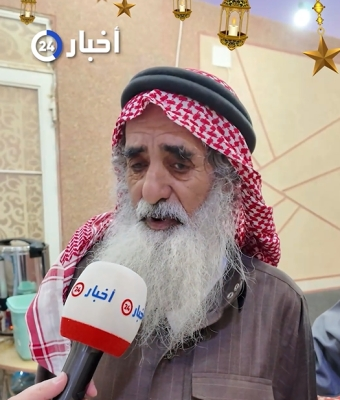
The highest ideals of social solidarity and compassion are manifested in the Kingdom of Saudi Arabia during the holy month of Ramadan, as citizens compete to do good and extend a helping hand. In a living example of this generosity, the family of Musa Awad Al-Fadil Al-Balawi, along with his father and brothers, continue to write a story of loyalty and benevolence for the sixth consecutive year through a humanitarian initiative aimed at providing iftar meals for hundreds of fasting workers and expatriate communities daily.
A journey of giving that began in 1441 AH
This blessed initiative began as a self-funded effort in 1441 AH, and over the years has become an annual event eagerly awaited by those fasting. Musa Al-Balawi explained to the media that the project started as a simple family idea, and with God's grace and the support of generous donors, it has expanded to include increasing numbers, with the site now receiving between 250 and 350 fasting individuals daily.
Meticulous organization and complete tables
The initiative goes beyond simply providing food; it is distinguished by its meticulous organization, reflecting the organizers' respect for their guests. Daily preparations begin at the site in Al Yasmin neighborhood (opposite Al Taawun neighborhood and near the industrial area), a strategic location that has facilitated the initiative's reach to its target group of workers. The tables offer complete hot meals, juices, coffee, and tea, with seating arranged in specific numbers to ensure everyone's comfort. The organizers continue to serve and entertain those fasting until after Maghrib prayer.
Social dimensions and deeply rooted values
Such initiatives are of paramount importance, extending far beyond simply providing food. They strengthen social bonds between citizens and residents, reflecting the true spirit of Saudi hospitality rooted in authentic Islamic and Arab values. These acts contribute to fostering a sense of social responsibility among individuals and alleviate the burdens on expatriate workers, leaving a positive impact and deepening their feelings of brotherhood and love within Saudi society.
A pledge to continue and living testimonies
In a touching gesture, the father, Awad Al-Balawi, affirmed that the family had pledged to God to continue this annual tradition as long as they live, considering it an expression of gratitude and thanks to God for His blessings. For his part, Yemeni resident Mohammed expressed his deep gratitude, noting that he learned of the initiative from his colleagues and emphasizing that this act "reflects the noble character of the Saudi people.".
The family's neighbor, Eid Al-Atwi, also praised the tremendous efforts of Musa and his brothers, describing the daily scene of over 200 workers gathering at their home as a shining example of generosity, one that everyone hopes to share in the great reward of. Al-Balawi concluded by calling for the adoption of such initiatives due to their profound humanitarian impact, and praying for God's acceptance of all who contributed and supported them.
-

 Local News 4 days ago
Saudi Arabia approves regulations for the continued presence of Gulf vehicles: duration and penalties
-
Local News 7 days ago
The Ministry of Interior begins procedures for a royal pardon for common law prisoners
-
Local news two days ago
Jeddah Airport alerts for travelers due to airspace closure and flight disruptions
-
Politics, one week ago
Trump plans to create a $2 billion alternative to the World Health Organization
-
Local News 6 days ago
The deadline for property registration in Hail and Riyadh is Thursday
-
Sports one week ago
Tickets for the Al-Ahli vs. Al-Hilal King's Cup match postponed: New date
-
Culture and Art 4 days ago
The Devil's Prisons series was halted: The full story of "The Emperor's" being moved to YouTube
-
Local News 6 days ago
Under the patronage of the Minister of Information, an agreement was signed between the Ministry of Information and Waves Marketing Company