
Local News
The Governor of Jeddah leads the Traffic Safety Committee meeting
The governor of Jeddah is leading efforts to enhance traffic safety, showcasing innovative plans to alleviate congestion and raise awareness among drivers. Discover the full details!


Meeting of the Traffic Safety Committee in Jeddah Governorate, chaired by Prince Saud bin Jalawi
The Governor of Jeddah, Prince Saud bin Abdullah bin Jalawi, chaired a meeting of the Traffic Safety Committee in his office today. Committee members from various relevant government agencies attended the meeting.
Plans to improve traffic safety
During the meeting, the committee reviewed its plans to improve road safety in the governorate. These plans included measures to alleviate traffic congestion and raise awareness among drivers.
Promoting positive behavior and addressing negative issues
Emphasis was also placed on promoting positive driver behavior and correcting dangerous practices that lead to accidents. The committee also discussed addressing accident-prone "black spots" and finding appropriate solutions to protect lives and property.
The importance of cooperation between relevant parties
Prince Saud bin Jalawi stressed the importance of coordination and cooperation among all parties concerned with traffic safety in order to achieve the desired goals and improve the current traffic situation in Jeddah Governorate.










Local News
The opening of the Jabalah and Al-Hadqa centers in the Imam Turki Reserve to enhance environmental security
Under the patronage of the Minister of Interior, the Special Forces for Environmental Security inaugurated the Jabalah and Al-Hadqa centers in the Imam Turki bin Abdullah Reserve to enhance wildlife protection and support Vision 2030.
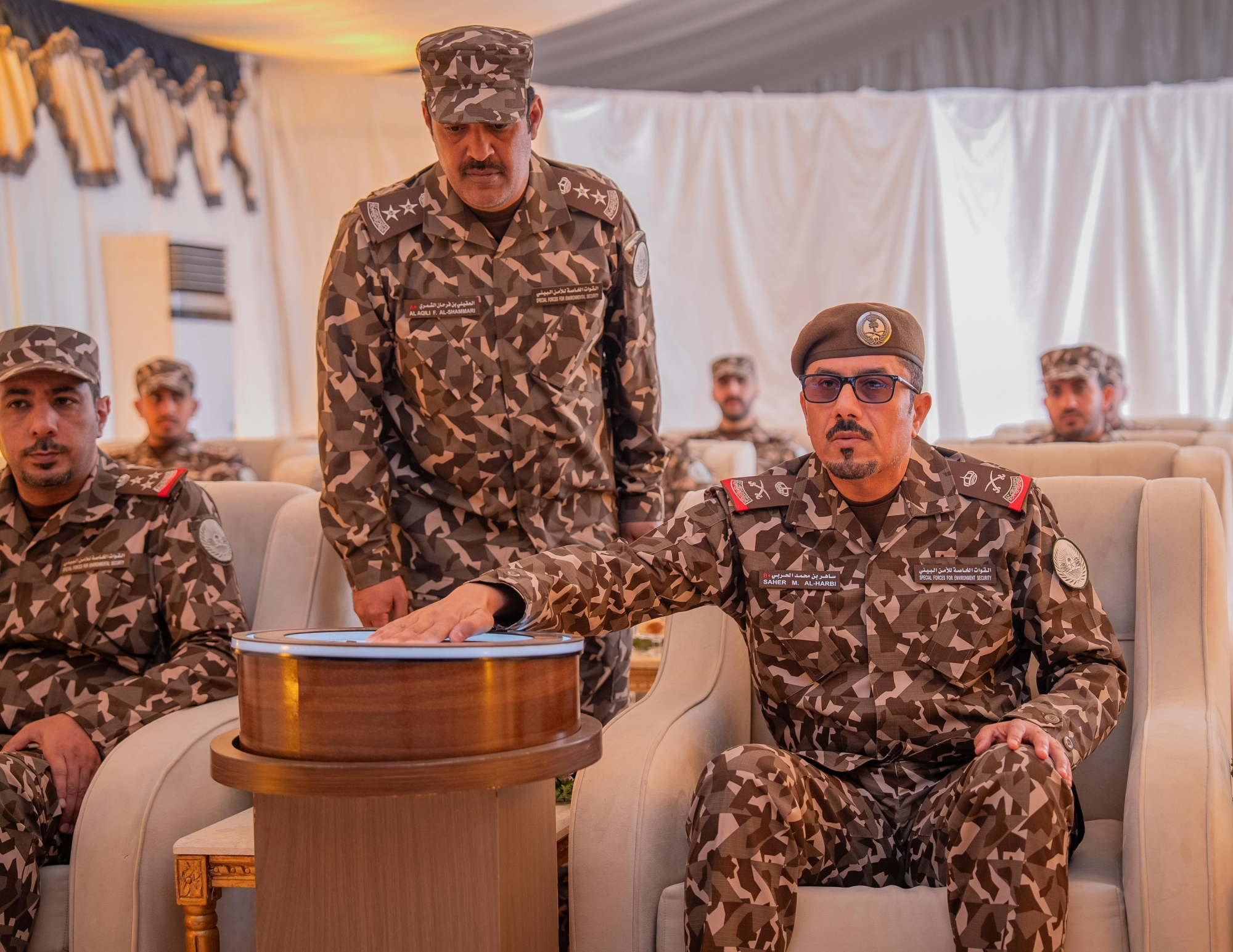
In a strategic move aimed at strengthening the environmental protection system in the Kingdom of Saudi Arabia, Major General Saher bin Mohammed Al-Harbi, Commander of the Special Forces for Environmental Security, inaugurated the "Jibla" and "Al-Hadqa" field centers within the Imam Turki bin Abdullah Royal Reserve. This inauguration took place under the patronage of His Royal Highness Prince Abdulaziz bin Saud bin Nayef bin Abdulaziz, Minister of Interior, reflecting the wise leadership's commitment to preserving the nation's natural resources.
During the opening ceremony, Major General Al-Harbi emphasized that the Special Forces for Environmental Security enjoy unlimited support from the wise leadership and continuous oversight from the security sectors, enabling them to fulfill their duties in protecting the environment and the nation's resources. He explained that the two new centers have been equipped with the latest security systems and advanced monitoring technologies, in addition to field vehicles and modern communication networks. This will directly contribute to enhancing the efficiency of security operations, expediting responses to reports, and ensuring the enforcement of environmental regulations to curb violations such as poaching, illegal logging, and unregulated grazing.
Promoting environmental sustainability and protecting biodiversity
The inauguration of the Jabalah and Al-Hadqa centers comes within a significant geographical and environmental context. The Imam Turki bin Abdullah Royal Reserve is one of the most important nature reserves in the Kingdom, boasting a unique diversity of plant and animal life, as well as varied terrain encompassing mountains, valleys, and plains. Jabalah Mountain is a prominent landmark in the region, and its protection requires a permanent security presence to ensure the sustainability of the vegetation and the return of wildlife to its natural state.
Major General Al-Harbi praised the level of cooperation and integration between the Special Forces for Environmental Security and the Imam Turki bin Abdullah Royal Reserve Development Authority. He noted that this cooperation represents a model of joint work between government sectors to enhance environmental protection efforts and restore its natural balance, thus contributing to creating a sustainable environment for future generations.
Supporting the goals of Saudi Vision 2030
The opening of these centers is part of the strategic plan to deploy the Special Forces for Environmental Security to cover all environmental areas and royal reserves in the Kingdom. These efforts directly support the objectives of Saudi Vision 2030, specifically the "Green Saudi Arabia" initiative, which aims to increase the percentage of protected areas, preserve the natural environment, improve quality of life, and promote ecotourism in accordance with regulations that ensure the safety of the ecosystem.
Local News
Saudi Arabia and Turkey: Renewable energy agreement with a capacity of 5000 megawatts
Saudi Arabia and Turkey sign a strategic agreement to develop 5,000 megawatt solar power plants with billions of dollars in investments, to enhance energy security and diversify the economy.
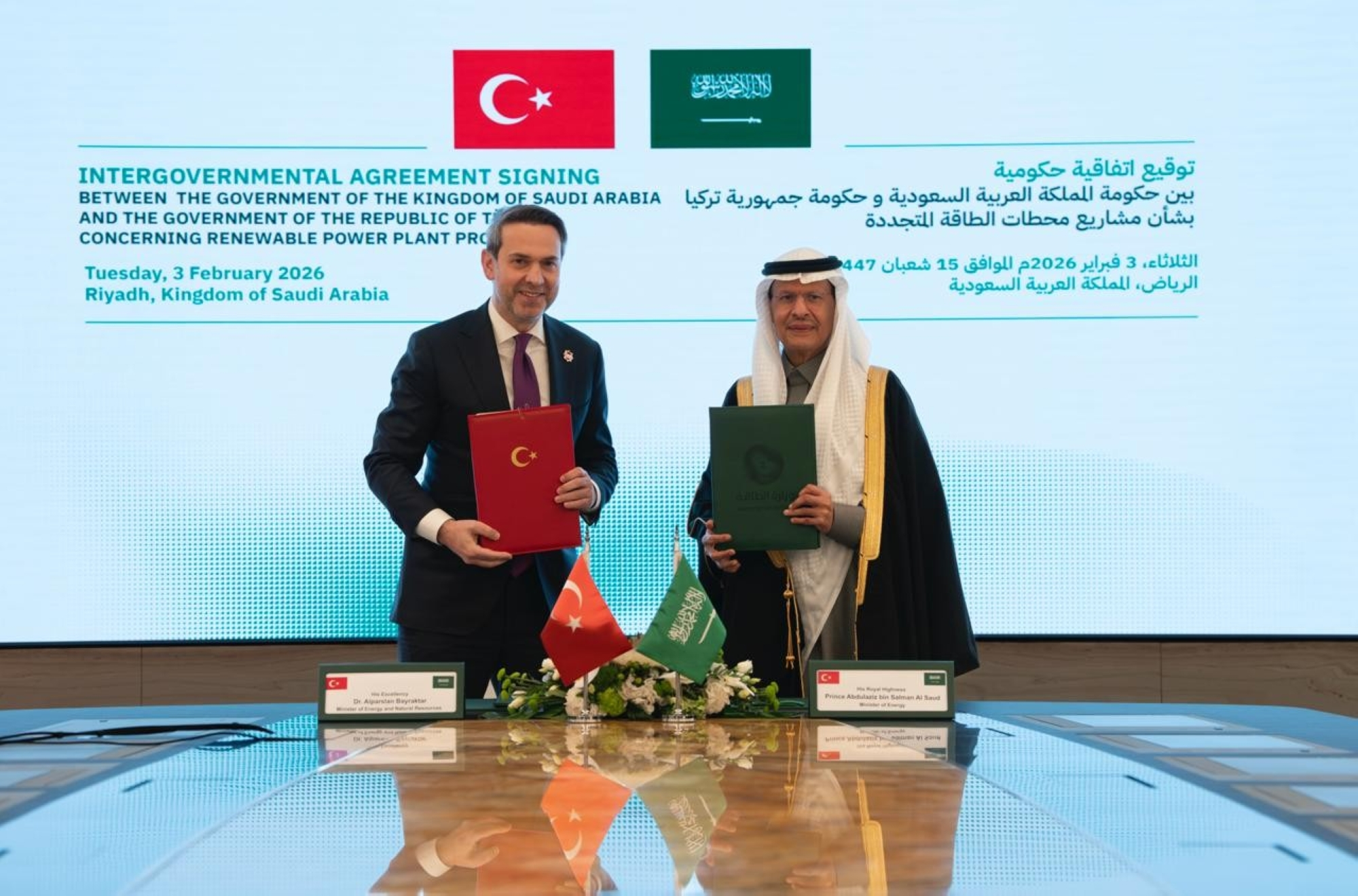
In a move reflecting the depth of bilateral relations and the shared desire to build a sustainable future, the Kingdom of Saudi Arabia and the Republic of Turkey signed a strategic agreement today aimed at cooperating in the development and implementation of renewable energy power plant projects. This took place on the sidelines of Turkish President Recep Tayyip Erdoğan's official visit to the Kingdom, which culminates a growing path of cooperation between the two brotherly nations.
Details of the agreement and implementation phases
The agreement was signed by His Royal Highness Prince Abdulaziz bin Salman bin Abdulaziz, Minister of Energy, on behalf of the Kingdom of Saudi Arabia, and by His Excellency Alparslan Bayraktar, Minister of Energy and Natural Resources, on behalf of the Kingdom of Turkey. The agreement stipulates the development of solar energy projects in Turkey with a total installed capacity of 5,000 megawatts. This ambitious plan will be implemented in two main phases. The first phase includes the construction of two solar energy projects in the cities of Sivas and Karaman with a total capacity of 2,000 megawatts, while the second phase will cover an additional capacity of up to 3,000 megawatts, according to agreed-upon timeframes and technical specifications.
Huge economic and investment dimensions
The first phase projects are highly economically viable, offering competitive electricity prices compared to similar plants in Turkey. Investments in this phase are estimated at approximately US$2 billion, reflecting the strong mutual trust and financial commitment of both parties. These plants are expected to provide clean electricity to more than two million Turkish households. To ensure the project's sustainability, a Turkish state-owned company will commit to purchasing the generated electricity for thirty years, with a focus on maximizing local content by making optimal use of Turkish equipment and services during implementation.
Strategic context and shared vision
This agreement comes at a time of significant momentum in Saudi-Turkish relations, driven by the desire of both leaderships to expand the horizons of economic and investment cooperation. This step aligns perfectly with the objectives of Saudi Vision 2030, which seeks to make the Kingdom a global leader in the renewable energy sector and to export technical and investment expertise in this field, as well as supporting Turkey's efforts to diversify its energy sources and reduce its reliance on traditional imports.
Environmental impact and green future
Beyond its economic benefits, the agreement carries significant environmental dimensions, aiming to enhance energy security and accelerate the transition to a low-carbon economy. This collaboration serves as a model for effective international partnerships in addressing climate change, contributing to knowledge transfer and capacity building in both human and technological sectors, thereby achieving mutual and sustainable benefits for both countries and establishing a new era of integration in the energy and green technology sectors.
Local News
Public Transport Authority: 90,000 violations recorded and vehicles impounded in January
The Public Transport Authority announced that it recorded 90,000 violations during January after conducting 437,000 inspections. Learn about the areas with the highest number of violations and the most prominent infractions observed.
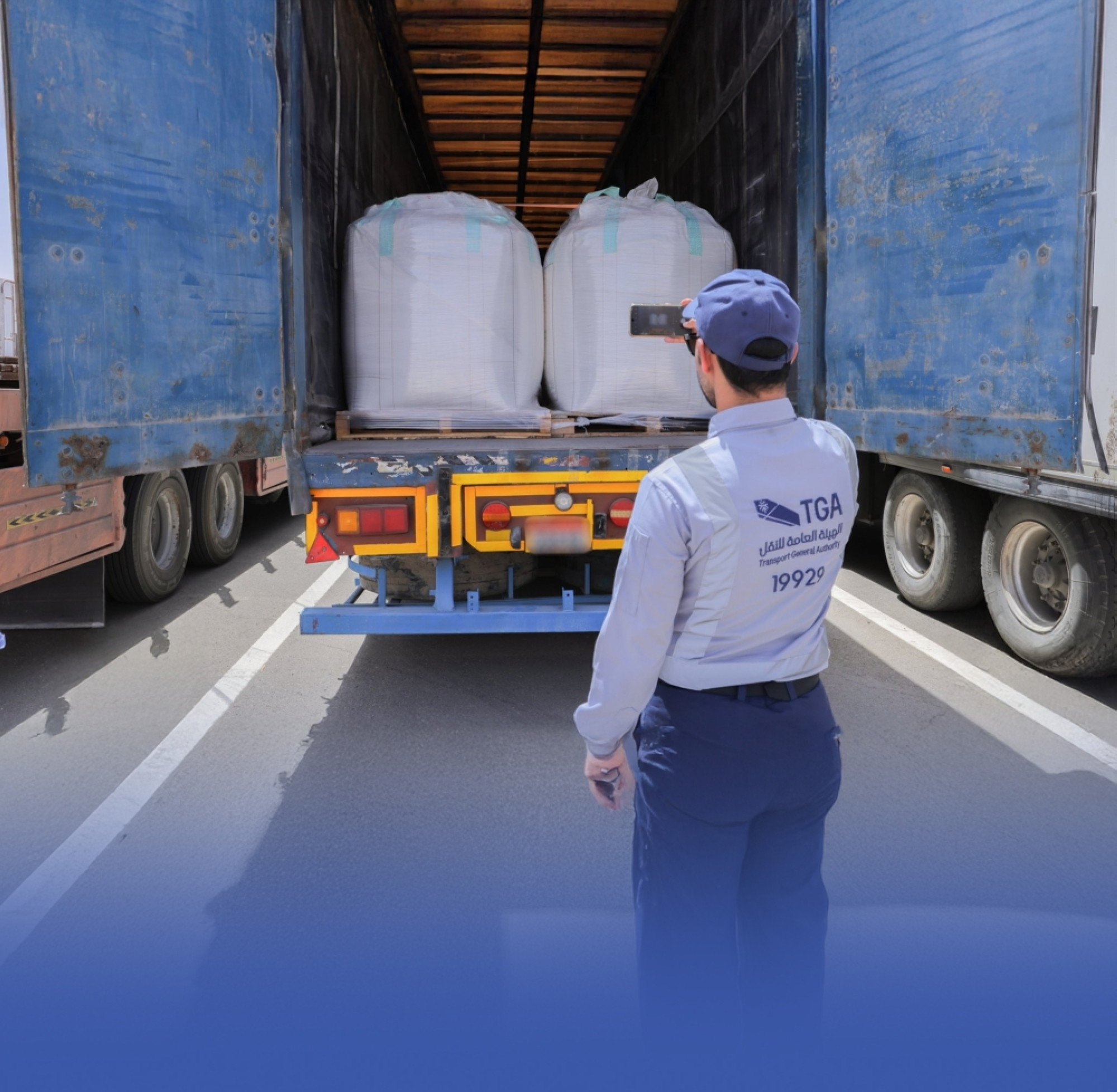
As part of its intensive efforts to regulate the transport and logistics sector in the Kingdom of Saudi Arabia, the Public Transport Authority the results of its field inspection campaigns for the month of January, which resulted in the detection of 90,000 various violations, after carrying out more than 437,000 accurate inspection operations that included land, sea and rail transport activities in various regions of the Kingdom.
Details of monitoring campaigns and compliance indicators
Official statistics released by the authority revealed that the land transport sector accounted for the largest share of inspections, with 430,000 inspections carried out, achieving a compliance rate of 93%. In contrast, the maritime transport sector saw 7,574 inspections conducted with a high compliance rate of 99%, while rail transport achieved a perfect 100% compliance rate across 95 inspection rounds, reflecting a strong commitment to safety standards in this vital sector.
Geographical distribution of violations and the most prominent transgressions
The data revealed that the Makkah region topped the list of regions with the highest number of recorded violations, at 30,000, followed by the Riyadh region with 24,000 violations, and then the Eastern Province with 11,000 violations. Madinah came in fourth place with 6,000 violations, and Asir with 4,000 violations. The violations observed varied, with the most prominent being:
- Failure to meet the necessary safety requirements for vehicles.
- Engaging in transportation activities without obtaining the necessary licenses.
- Using private vehicles for transportation (buses) in an irregular manner.
- Working with cancelled or expired operating cards.
The inspection teams dealt firmly with these violations, as 1,045 vehicles that did not comply with the technical requirements and applicable regulations were impounded.
Context of the National Transport and Logistics Strategy
These intensive campaigns are an integral part of the objectives of the National Transport and Logistics Strategy , stemming from the Kingdom's Vision 2030, which aims to solidify the Kingdom's position as a global logistics hub. Through these campaigns, the Public Transport Authority works to ensure a safe and reliable transport environment and enhance operational efficiency to guarantee the safety of lives and property.
The importance of oversight and its impact on the sector
These regulatory efforts are of paramount importance on both economic and social levels. They contribute to fostering fair competition among licensed establishments and protect legitimate investors from unfair competition resulting from unregulated transportation. Furthermore, increased compliance rates positively impact the quality of services provided to beneficiaries and reduce traffic accidents caused by a lack of safety measures, thus enhancing the overall quality of life in Saudi cities.
-
 Local news one week ago
Landslide in Riyadh: Details of the incident in Al-Sahafa neighborhood and containment efforts
-

 Culture and Art, 1 week ago
Haifa Wehbe's absence in Riyadh: A photo crisis or a strained relationship with the media?
-
 Local news one week ago
Riyadh collapse: Emergency plans to secure water after a main pipeline burst
-

 Culture and Art, 1 week ago
City Kitchen series: A drama of conflict and the middle class during Ramadan
-

 Culture and Art, 1 week ago
The series "Kasra": Dawood Hussein in a moving social drama this Ramadan
-

 Local news one week ago
Applying for the 1447 Opportunities Program for Teachers via the Fares System
-

 Local News 6 days ago
Ramadan 2026 discounts in Saudi Arabia: Offers valid for 54 days
-
 Culture and Art 5 days ago
The death of artist Huda Shaarawi “Umm Zaki” and her funeral in Damascus