
Local News
An innovative digital Visa card from Barq for the 95th National Day
Celebrate the 95th Saudi National Day with innovative digital Visa designs from Barq, embodying Saudi heritage and culture and available exclusively through the Barq app.

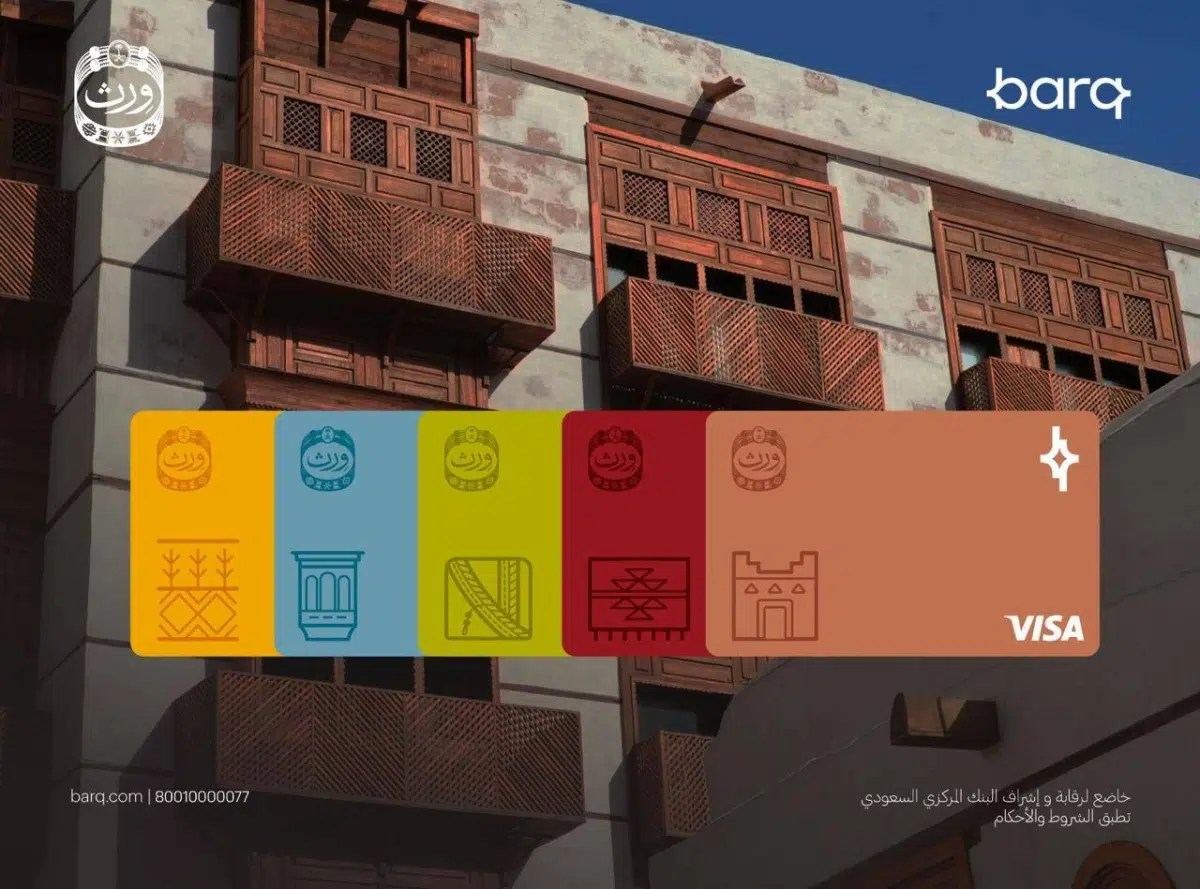
New digital payment cards launched to mark Saudi National Day
Barq Digital Payments announced the launch of five new designs for its Visa digital payment cards, in celebration of the 95th Saudi National Day. These cards are available to customers through the Barq app and reflect the spirit of innovation and celebration of Saudi national identity.
Designs inspired by Saudi heritage and culture
The five designs feature colors and symbols inspired by Saudi heritage and culture, with each design embodying a different aspect of the diverse national identity in the various regions of the Kingdom.
The "bisht" design originates from the Eastern Province and is considered a symbol of luxury, authenticity, and meticulous craftsmanship. This design reflects the traditional elegance for which this region is renowned.
The design of “Sadu” is inspired by the northern region and expresses authentic Bedouin craftsmanship connected to nature. Sadu is a type of handwoven textile that reflects desert life and Bedouin traditions.
The “Asiri Cat” design, which comes from the southern region, represents a traditional visual art based on geometric shapes and bright colors that decorate the walls and old houses, giving the card a distinctive artistic touch.
The design of “traditional building” embodies the concept of mud architecture that characterized the central region, and reflects the unique architectural style that was used in building traditional houses there.
The design of the “rawshan” evokes the authenticity of the western region. It is the traditional house window that allows the sun and air to enter while blocking the outside view, thus providing a sense of privacy and comfort.
Combining symbolism and modern technology
These cards offer Barq customers the opportunity to own modern cards that combine symbolic value and national identity with advanced technological features and digital payment services. This means customers can enjoy a seamless and secure payment experience while celebrating their rich cultural heritage.
The impact of technology on daily life
Modern technologies in digital payments : Digital payment cards offer advantages such as speed, security, and ease of use. Customers can make purchases online or in stores without needing to carry cash, making their lives more convenient and secure.
Strengthening national identity : Using designs inspired by Saudi heritage, these cards foster a sense of pride and belonging among users. They are not merely financial instruments but also cultural symbols that reflect the Kingdom's rich and diverse history and culture.
Summary
With the launch of these new digital payment card designs, Barq Digital Payments offers a unique experience that blends cutting-edge technology with rich cultural heritage. It's a step towards a future where technology can strengthen cultural and social ties while simplifying the daily lives of users in Saudi Arabia and beyond.







Local News
Saudi Arabia weather: Thunderstorms and active winds in 4 regions
The National Center for Meteorology forecasts thunderstorms accompanied by active winds and dust in the highlands of Jazan, Asir, Al-Baha, and Makkah. Learn more about the weather conditions and their effects.
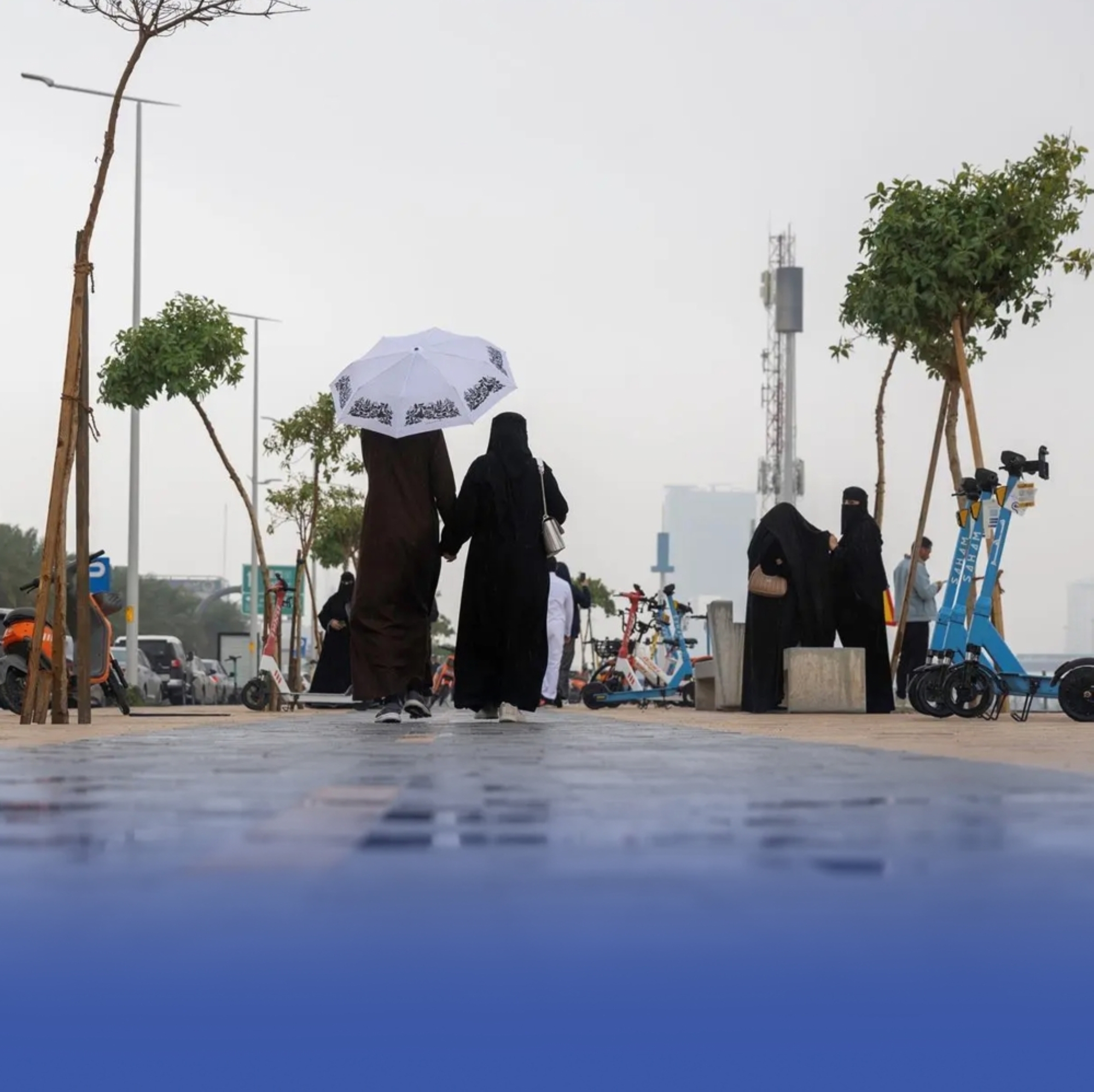
The National Center for Meteorology in Saudi Arabia issued its daily weather report, forecasting continued weather fluctuations across parts of the Kingdom. The report indicated expectations of thunderstorms, accompanied by active winds that may stir up dust and sand, today (Friday) in parts of the highlands of Jazan, Asir, Al-Baha, and Makkah regions.
Weather details and its effects
The center explained that the weather effects are not limited to rain, but also include surface wind activity that may stir up dust and sand, reducing horizontal visibility. This impact extends to the eastern parts of the southwestern highlands, as well as scattered areas of Riyadh, Madinah, Qassim, Hail, Al-Jawf, and the Northern Borders regions. In a related context, the center did not rule out the possibility of light rain in the northernmost parts of the Kingdom, adding another dimension to the prevailing weather conditions.
Climatic context of the southwestern highlands
These forecasts are consistent with the typical climatic pattern of the southwestern highlands of the Kingdom, characterized by towering mountains such as the Sarawat Mountains. These regions receive above-average rainfall, particularly during the spring and summer months, due to the influence of humid monsoon winds originating from the Arabian Sea and the Indian Ocean. This rainfall replenishes dams and groundwater wells, supports the agricultural sector for which these areas are renowned, and creates lush green landscapes that attract tourists and visitors.
Importance and expected effects
Locally, these rains are of great importance; they are a vital source of water and contribute to moderating temperatures. However, they can also present challenges that require caution. The General Directorate of Civil Defense frequently issues warnings to citizens and residents to take precautions, stay away from valleys and floodplains, and avoid low-lying areas during rainfall. Furthermore, strong winds and accompanying dust may affect traffic on highways, necessitating careful driving. Therefore, it is advisable to follow the continuous updates from the National Center of Meteorology and relevant authorities to take the necessary precautions and ensure public safety.
Local News
Saudi Healthcare Forum 2026: Transforming the Health Sector and Vision 2030
Riyadh is hosting the Saudi Healthcare Model 2026 Forum to discuss the future of the health sector, with the participation of international experts and within the objectives of Saudi Vision 2030.
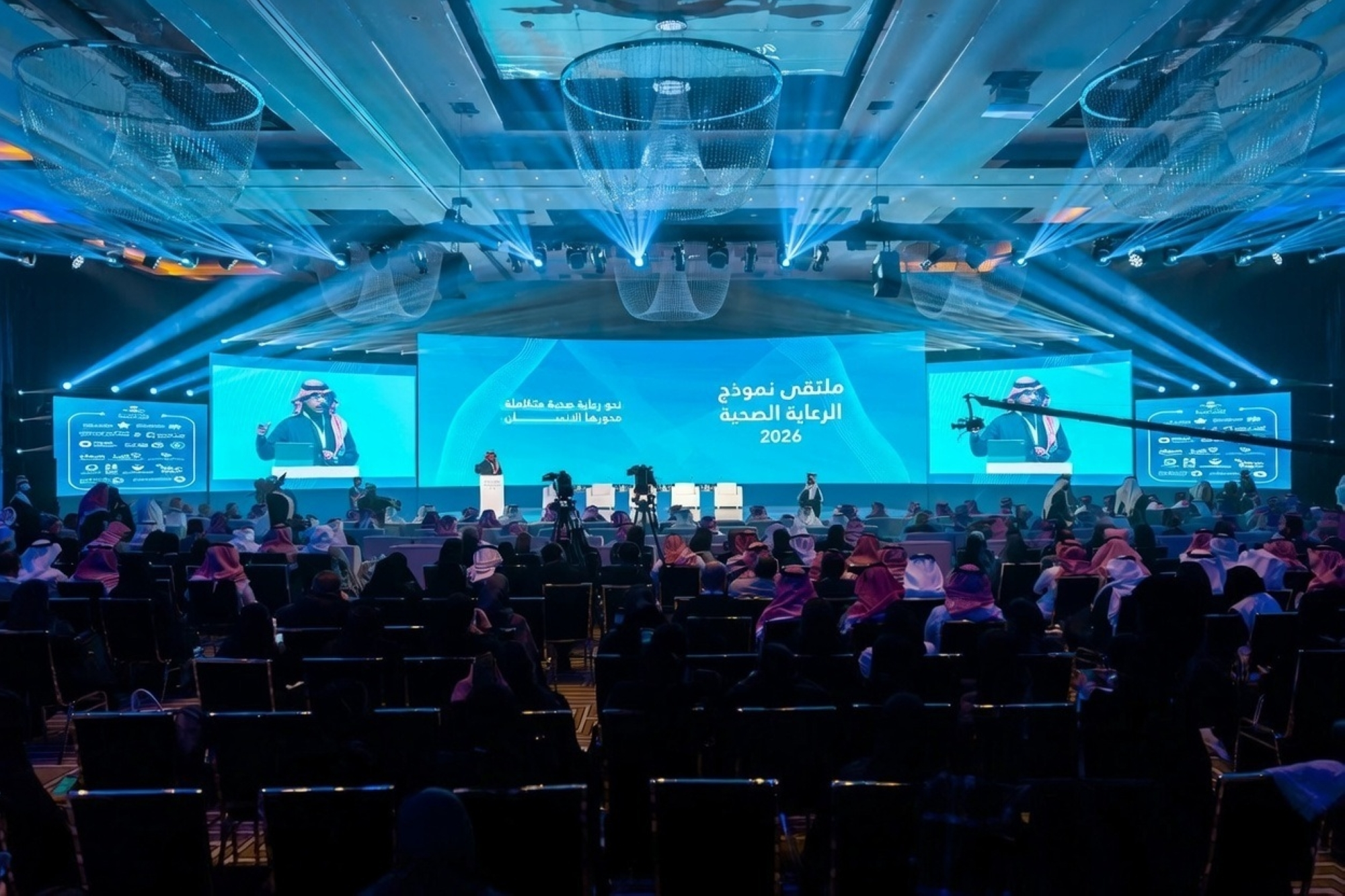
The Saudi capital, Riyadh, is preparing to host the “Saudi Healthcare Model Forum 2026,” the Kingdom’s premier healthcare event, which will be held on February 10th and 11th under the theme “Making an Impact.” The forum is held under the patronage of His Excellency the Minister of Health, Mr. Fahd bin Abdulrahman Al-Jalajel, Chairman of the Board of Directors of the Health Holding Company, and will bring together leading minds and experts in the healthcare field.
Historical background: A key pillar of Saudi Vision 2030
This forum is being organized within the context of the comprehensive national transformation underway in the Kingdom of Saudi Arabia as part of Vision 2030. The "Health Sector Transformation Program" is one of the Vision's most important programs, aiming to restructure the sector into a comprehensive, efficient, and integrated healthcare system. This transformation relies on shifting from a treatment-based model of care to one that focuses on prevention and promotes public health, prioritizing the health of individuals and the community. The establishment of the Health Holding Company and the 20 health clusters across the Kingdom represent the practical application of this transformation, with the goal of increasing operational efficiency and facilitating access to high-quality healthcare services.
The importance of the forum and its expected impact
The forum holds strategic importance as a vital platform for discussing the present and future of the Saudi healthcare model. Locally, it aims to unify the visions of over 3,000 national healthcare professionals from various health clusters and the public and private sectors, ensuring the consistent and effective implementation of the model across the Kingdom. Regionally, the forum reinforces Saudi Arabia's position as a leader in healthcare development in the region and opens avenues for exchanging expertise with neighboring countries striving to develop their healthcare systems. Internationally, the presence of over 25 international speakers and 85 global participating entities reflects the world's interest in the Saudi healthcare transformation, making it a platform for sharing global best practices and developing sustainable solutions to shared health challenges.
Key themes and enriching scientific sessions
The forum, organized by Health Holding Company, will feature more than 25 panel discussions and scientific sessions, focusing on four main themes: health governance and policies, innovation and artificial intelligence, financing and sustainability, and population health and accessibility. These sessions aim to translate strategic visions into measurable health impact and highlight the role of the model in enhancing individual quality of life.
The agenda for the first day includes vital topics such as “Designing Systems That Contribute to Saving Lives and Enhancing Quality of Life”, “Practical Financing and Incentives for Care Models”, “Digital Transformation in Healthcare”, and “Digital Innovations and Integration with Artificial Intelligence”.
The second day focuses on discussing health learning systems and their role in managing population health risks, the challenges of building an integrated digital system, the role of artificial intelligence in supporting the workforce, as well as strategies to accelerate the implementation of the healthcare model and effectively manage chronic diseases.
It is worth mentioning that this forum represents a unique opportunity for leaders, decision-makers, investors and health experts to exchange knowledge and build quality partnerships, in order to serve the objectives of the health sector transformation program and the ambitious Saudi Vision 2030.
Local News
Hadeer Abdel-Razek: Appealing the prison sentence and the challenges of digital evidence
Blogger Hadeer Abdel-Razek is appealing her prison sentence for posting content. Her defense focuses on the lack of conclusive digital evidence, raising questions about cybercrime laws.

The Cairo Economic Court of Appeals has set April 19th as the date for a crucial hearing on the appeal filed by Egyptian blogger Hadeer Abdel Razek and her ex-husband, Mohamed Alaa, known as "Otaka," against their prison sentence and fine. This case stems from charges related to publishing content online and via the Telegram application, based on Article 25 of the Cybercrime Law No. 175 of 2018, in addition to other charges included in the indictment.
Background of the case and its general context
This case is part of a series of similar cases in Egypt in recent years targeting content creators and social media influencers. These cases often rely on vague legal provisions such as “violating the principles and values of the Egyptian family” or “offending public morals,” as stipulated in the Cybercrime Law. These trials have sparked widespread debate about the limits of freedom of expression in the digital sphere and the balance between protecting societal values and preserving personal rights and privacy.
Pillars of defense and challenges of digital proof
Dr. Hani Sameh, the lawyer representing blogger Hadeer Abdel-Razek, explained that the appeal is based on fundamental grounds that cast doubt on the "principle of attribution," meaning the very attribution of the act to the defendant. The defense emphasized that the case file lacks any conclusive technical evidence proving that the defendant was the one who published or managed the channel or account attributed to her, leaving the central question of the case without a definitive technical answer: "Who published? And who managed?".
The defense added that what was presented as “digital evidence” suffered from serious flaws that undermined its legal value. The chain of evidence began with a civilian informant who downloaded the videos onto his personal phone, then transferred them to a flash drive and submitted them to the authorities. This process was carried out without following established digital forensics procedures, such as creating a digital fingerprint (hash) of the original content or a forensic image, which opens the door to potential manipulation of the content through deletion or addition, and breaks the secure “chain of possession” of the digital evidence.
Procedural flaws and integrity of evidence
The defense also maintained that there was a procedural flaw, which it described as "extremely serious," as the investigation revealed that a "third clip" had been added to the storage device after the official seal had been opened. This action, the defense argued, compromised the integrity of the evidence and weakened its admissibility as proof of guilt. The defense further pointed out that the official technical report did not prove that the defendants had "directly uploaded" the clips to the Telegram application, but rather only identified a "screenshot and an external link" to content that was hosted on another platform and subsequently deleted. This, the defense argued, creates a fundamental contradiction between the wording of the indictment and what the technical examination revealed. In addition, the defense noted a chronological inconsistency in the dates of the incident, which further casts doubt on the accuracy of the evidence.
The importance and expected impact of the issue
This case is particularly significant because it highlights the challenges facing justice in the digital age. The appeal ruling is expected to have a major impact on the future of similar cases, potentially establishing stricter standards for the admissibility of digital evidence in courts and emphasizing the need to adhere to forensic technical protocols to ensure the integrity and non-tampering of evidence. Attorney Hani Sameh concluded his argument by asserting that the core issue is a “leak and invasion of privacy,” making the defendants victims of a grave violation of their constitutional rights, not perpetrators.
-

 Local News 5 days ago
Landslide in Riyadh: Details of the incident in Al-Sahafa neighborhood and containment efforts
-
 Local News 6 days ago
The death penalty was carried out against a citizen who stabbed another to death in Tabuk
-
 Culture and Art, 1 week ago
Ramez Galal in Ramadan 2026: Details of the bloody prank show
-
 Local News 7 days ago
First birth on the Riyadh train: A heartwarming story at Andalus station
-

 Culture and Art 4 days ago
Haifa Wehbe's absence in Riyadh: A photo crisis or a strained relationship with the media?
-
 Local News 4 days ago
Riyadh collapse: Emergency plans to secure water after a main pipeline burst
-

 Culture and Art 4 days ago
City Kitchen series: A drama of conflict and the middle class during Ramadan
-

 Culture and Art 4 days ago
The series "Kasra": Dawood Hussein in a moving social drama this Ramadan