Local News
Jobs in Saudi Arabia with salaries of 30,000 riyals: Opportunities for qualified individuals
Discover the latest job openings in Saudi Arabia with salaries starting from 30,000 riyals. Explore the most in-demand sectors and the impact of Vision 2030 on the job market and rising wages.

The Saudi labor market today announced a range of distinguished jobs targeting high-level talent, with attractive salaries starting from 30,000 Saudi Riyals, in a move that reflects the rapid growth of the local economy and the competitiveness of companies to attract the best talent.
The context of economic transformation and Vision 2030
These high-paying job opportunities are a natural consequence of the massive economic transformation underway in Saudi Arabia under Vision 2030. Government programs and initiatives aimed at diversifying income sources and reducing dependence on oil have led to the creation of entirely new sectors that did not previously exist, or the strengthening of sectors that were previously experiencing limited growth.
Among the most prominent factors contributing to the rise in salary levels are the launch of mega-projects such as NEOM, the Red Sea Project, and Qiddiya, in addition to the growth of the technology, artificial intelligence, logistics, and financial sectors. These projects require specific types of expertise and advanced skills, prompting companies to offer competitive deals to attract both national and international talent.
The sectors with the highest demand for these jobs
Analyses of the Saudi labor market indicate that jobs with salaries exceeding 30,000 riyals are mostly concentrated in the following specializations:
- The technology and digital transformation sector: especially in the areas of cybersecurity, data science, and artificial intelligence.
- Engineering and Project Management Sector: Due to the scale of construction and infrastructure projects currently underway.
- The financial and consulting sector: With the expansion of the Saudi financial market and the growth of the investment sector.
- Advanced healthcare: which is undergoing significant privatization and development.
Economic and social importance
Offering jobs with such high salaries carries profound positive implications both locally and regionally. Locally, it contributes to raising the standard of living and increasing citizens' purchasing power, which positively impacts the domestic economic cycle. It also reinforces the success of the "Human Capacity Development" program, encouraging young Saudis to develop their skills and obtain internationally recognized professional certifications to access these opportunities.
Regionally, this trend confirms Saudi Arabia’s position as a major talent magnet in the Middle East, and its ability to compete with global markets in attracting creative minds and seasoned managerial leaders.
Tips for applicants
To obtain such opportunities, experts advise focusing on soft skills alongside technical expertise, such as leadership, strategic thinking, and the ability to adapt to changing work environments. These are essential traits that major companies look for in candidates for leadership and advisory positions.




Local News
Food security purchases 794,000 tons of wheat to boost strategic reserves
The General Authority for Food Security has completed the procedures for awarding the second batch of imported wheat for 2026, amounting to 794,000 tons, to enhance the strategic stock through 4 main ports.

The General Authority for Food Security in the Kingdom of Saudi Arabia announced the completion of procedures for awarding the second batch of imported wheat allocated for 2026, totaling 794,000 tons. This step comes within the framework of ongoing efforts to strengthen the food security system and ensure the sustainability of supply chains for essential commodities in the Kingdom.
Details of the tendering process and global origins
The authority clarified that the contracted quantities will be supplied from diverse origins, including European Union countries, North and South America, Australia, and the Black Sea region. Diversifying import sources is a cornerstone of the authority's strategy to mitigate risks associated with global supply chains and ensure a regular flow of grain regardless of global geopolitical or climatic conditions.
Timetable and geographical distribution
The Governor of the Authority, Engineer Ahmed bin Abdulaziz Al-Fares, stated that this contract aims primarily to enhance the strategic stock of wheat and maintain it at safe and reassuring levels, in order to meet the needs of local milling companies and the increasing demand in the market.
Al-Fares indicated that the branches of the National Grain Supply Company “Sabil” will receive the scheduled quantities, which are expected to arrive between May and July 2026. These quantities will be transported via 13 ships distributed among the main ports in the Kingdom as follows:
- Jeddah Islamic Port: 300,000 tons.
- Yanbu Commercial Port: 312,000 tons.
- King Abdulaziz Port in Dammam: 127,000 tons.
- Jazan Port: 55,000 tons.
Competition and transparency mechanism
The tender witnessed fierce competition among 15 international companies specializing in grain trading, reflecting international confidence in the Saudi economy and the robustness of the Authority's procedures. Ultimately, the contract was awarded to six companies that submitted the lowest prices while fully adhering to the stringent standards set by the Authority to ensure the quality of imported wheat.
The context of food security and Vision 2030
These moves are in line with the goals of the Kingdom's Vision 2030, which places great importance on the food security sector. The Kingdom is adopting a balanced strategy that combines supporting local agriculture in specific areas with importing water-intensive crops such as wheat, with the aim of preserving non-renewable groundwater resources.
The General Authority for Food Security (which replaced the former General Grain Corporation in some regulatory roles) is working to manage the strategic stockpile with high efficiency, to ensure the availability of bread and flour products in all regions of the Kingdom at stable prices, which enhances economic and social stability.
Local News
Two drones targeting the Ras Tanura refinery were intercepted and the fire was brought under control
The Ministry of Defense announced the destruction of two drones that attempted to target the Ras Tanura refinery. Major General Turki al-Maliki confirmed that a small fire was brought under control with no injuries or impact on oil supplies.
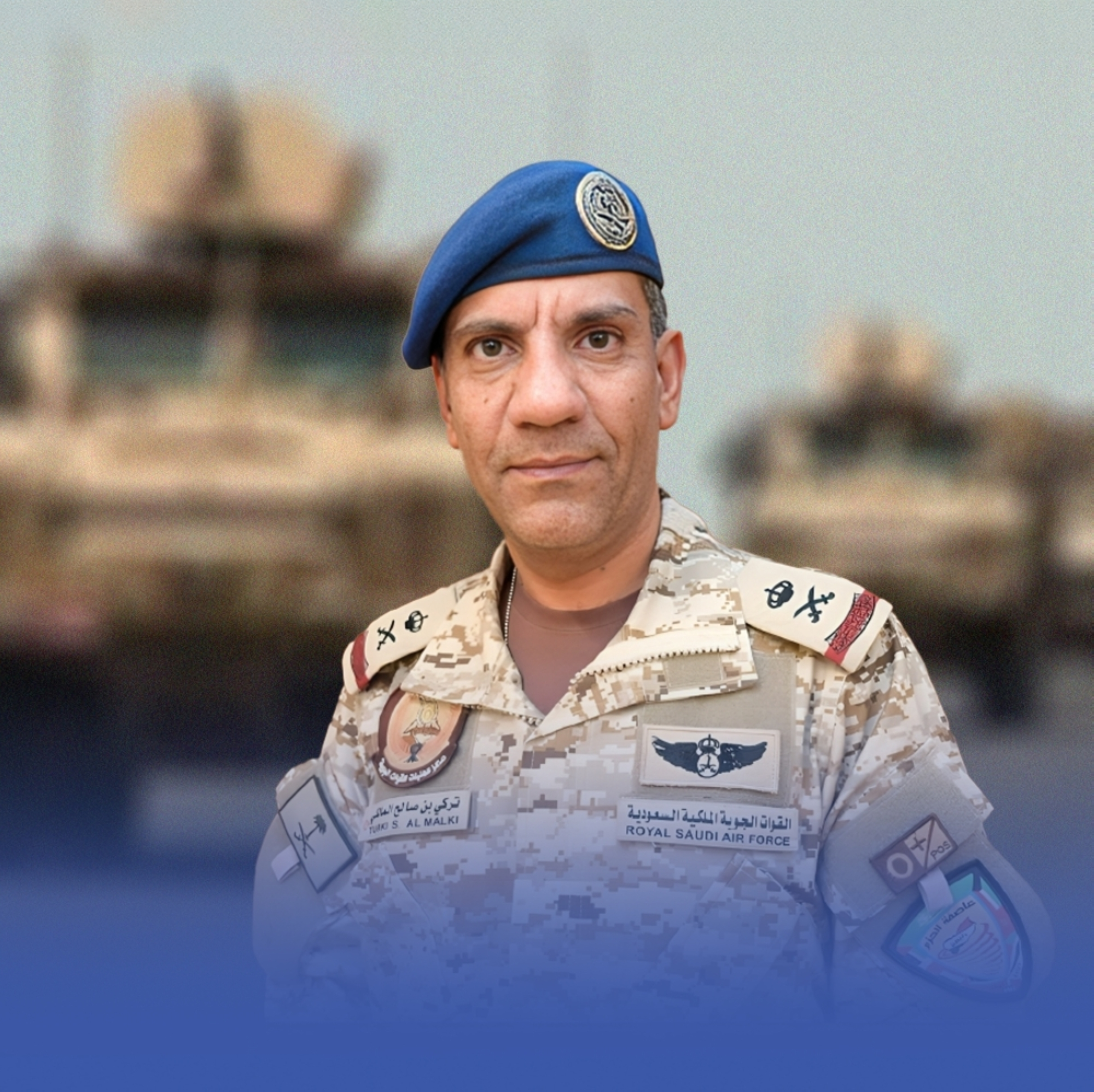
The Saudi Ministry of Defense announced today (Monday) that its forces successfully intercepted and destroyed two explosive-laden drones that attempted to target the Ras Tanura refinery, in a successful operation that underscores the vigilance and efficiency of the Kingdom's air defenses. The official spokesperson for the Ministry of Defense, Major General Turki al-Maliki, stated that the hostile attempt resulted in debris from the interception falling near civilian areas, causing a very small fire in one of the refinery's oil storage tanks.
Official sources confirmed that the fire was dealt with immediately by the emergency response teams of Saudi Aramco, and was brought under control in record time without the incident resulting in any human injuries or loss of life. The supply of oil and its derivatives was not affected by this failed attempt.
The strategic importance of the Ras Tanura refinery
This incident is particularly significant given the strategic location of the Ras Tanura refinery, one of the world's largest oil refineries and a vital gateway for energy exports to global markets. Situated in the Eastern Province, the Ras Tanura oil terminal is a key artery of the global economy, making any attempt to target it not only an attack on the Kingdom's national assets but also a direct threat to global energy security and the stability of its supplies.
Context of protecting global energy security
This attack is part of a series of attempts targeting vital infrastructure and civilian sites, acts classified under international law as war crimes and a threat to the global economy. The Kingdom of Saudi Arabia consistently emphasizes that it is taking all necessary and deterrent measures to protect its national assets, safeguard global energy security, and ensure the stability of international economies amidst current challenges.
The successful interception highlights the efficiency of Saudi Arabia’s defense systems and their high ability to neutralize aerial threats before they reach their targets, which enhances confidence in the stability of the region and the Kingdom’s ability to meet its obligations to global energy markets despite security challenges.
Local News
33,000 health services provided to Umrah pilgrims during Ramadan 1447 AH: Numbers and details
Learn about the efforts of the Saudi Ministry of Health during Ramadan 1447 AH, where 33,900 health services were provided to pilgrims, including surgeries and emergencies, within the Kingdom’s Vision 2030 programs.

In an achievement reflecting the efficiency and high level of preparedness of the Saudi Arabian healthcare sector, the system successfully provided comprehensive medical care to pilgrims and visitors to the Grand Mosque in Mecca. The total number of healthcare services provided exceeded 33,900, including treatment and emergency care, from the start of the 1447 AH Umrah season until the tenth day of Ramadan. These efforts are part of the Kingdom's ongoing commitment to facilitating access to healthcare and ensuring its delivery according to the highest international standards of quality and safety.
Accurate statistics reflecting the scale of the work
Official data released by the Ministry of Health revealed details of the services provided, which were characterized by their diversity and comprehensiveness, covering all the medical needs of pilgrims. The statistics included the following figures:
- Surgical operations: 140 delicate surgical operations were performed in multiple specialties.
- Cardiac interventions: The operations included 64 cardiac catheterization procedures, reflecting the high readiness to deal with critical and emergency cases with extreme speed to save lives.
- Hospitalization cases: Hospitals and medical centers received 1451 cases that required hospitalization and clinical care.
- Emergency services: The emergency departments efficiently handled 19,200 visits, highlighting the large capacity of health facilities in Makkah.
- Primary care: Approximately 13,000 pilgrims benefited from the services of primary health care centers located around the Two Holy Mosques and the holy sites.
Vision 2030 and the Guests of God Service Program
These figures are not a coincidence, but rather the result of meticulous strategic planning perfectly aligned with the goals of the Kingdom's Vision 2030, specifically through the "Health Sector Transformation" and "Pilgrims Service Program." These programs aim to bring about a qualitative leap in the experience of pilgrims, not only on a spiritual and organizational level, but also on a health level, to ensure that pilgrims perform their rituals with peace of mind and ease, enjoying the best possible care.
The integration of the health system and the importance of the oversight role
These tremendous efforts continue through integrated coordination and complete harmony among the various components of the healthcare system (the public, private, and non-profit sectors) to ensure the sustainability and quality of services. In this context, the Ministry of Health plays a pivotal, dual role: it oversees services to enhance their efficiency in line with its national strategy, while simultaneously exercising rigorous regulatory oversight to promote compliance with approved medical protocols and standards. This integration ensures service discipline and increases pilgrim satisfaction, reinforcing the Kingdom's leading position in crowd management and healthcare provision during major religious seasons.
-

 Local news two days ago
Jeddah Airport alerts for travelers due to airspace closure and flight disruptions
-
Local News 4 days ago
Saudi Arabia approves regulations for the continued presence of Gulf vehicles: duration and penalties
-
Local news one week ago
The Ministry of Interior begins procedures for a royal pardon for common law prisoners
-
Local News 6 days ago
The deadline for property registration in Hail and Riyadh is Thursday
-
Sports one week ago
Tickets for the Al-Ahli vs. Al-Hilal King's Cup match postponed: New date
-
Local News 6 days ago
Under the patronage of the Minister of Information, an agreement was signed between the Ministry of Information and Waves Marketing Company
-
Culture and Art 5 days ago
The Devil's Prisons series was halted: The full story of "The Emperor's" being moved to YouTube
-
Local news one week ago
Saleh Al-Maghamsi appointed Imam of the Prophet's Mosque: Details of the Royal Decree