
Local News
The Future Investment Conference, under the patronage of the Custodian of the Two Holy Mosques, kicks off today
The Future Investment Initiative conference, launched in Riyadh under the patronage of King Salman, attracts 8,000 participants and enhances the Kingdom's position as a global economic hub.

Future Investment Initiative Conference: Economic Analysis
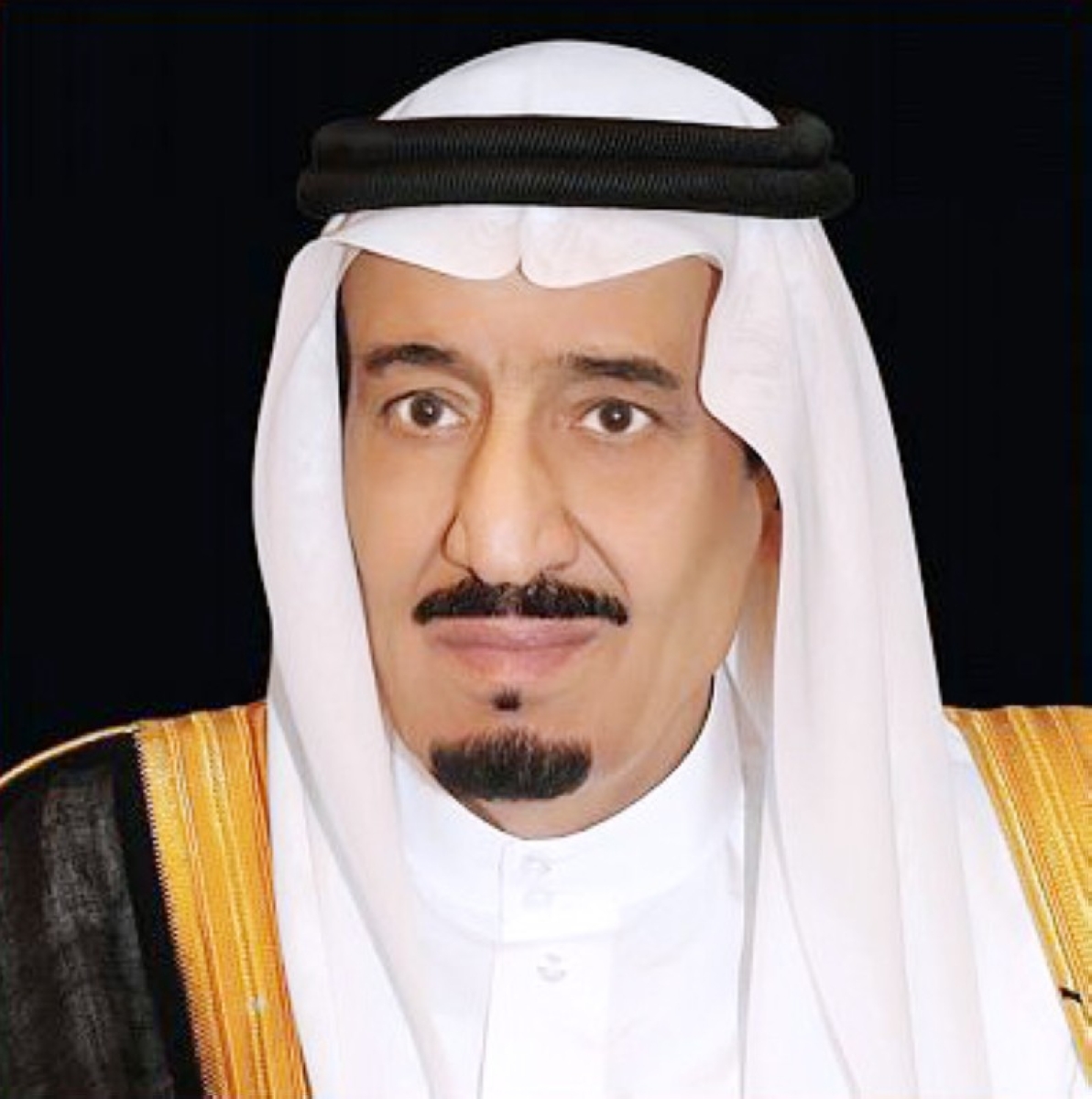
Under the patronage of the Custodian of the Two Holy Mosques, King Salman bin Abdulaziz, the ninth edition of the Future Investment Initiative (FII) conference kicks off today in Riyadh at the King Abdulaziz International Conference Center. Held under the theme "Key to Prosperity," the conference will run until October 30, reflecting the Kingdom's commitment to strengthening its role as a global economic hub.
The economic momentum of the conference
The conference is expected to attract more than 8,000 participants and 650 prominent speakers . This large number of participants and speakers underscores the conference's importance as a global platform for exchanging ideas and expertise. It also reinforces Riyadh's position as a global hub that brings together leaders and innovators to transform visions into practical strategies that shape the future of investment.
Main themes and their economic impact
The conference will feature a diverse range of sessions focusing on vital topics such as the impact of artificial intelligence and robotics on productivity. These emerging technologies are key drivers of global economic growth, as they can lead to increased efficiency and improved production processes.
The conference also discusses wealth creation in the context of increasing inequality. This topic has significant economic implications, as reducing the gap between rich and poor can lead to greater social and economic stability.
The geoeconomic implications of resource scarcity and demographic shifts that are reshaping the future workforce are also important considerations. Resource scarcity can lead to higher costs and increased competition between countries, while demographic shifts may necessitate a reassessment of employment and education strategies to meet the needs of a changing workforce.
Economic challenges and opportunities
The conference focuses on the challenges hindering progress by examining the contradictions of innovation. Technological advancements and new policies are driving growth and creating new opportunities for investment and economic development. However, geopolitical tensions and resource inequality can impede global connectivity and negatively impact the international economy.
Future prospects and the general economic context
Local context:
Saudi Arabia is seeking to diversify its economy away from oil by focusing on technology and foreign direct investment. This conference is part of Vision 2030's efforts to achieve economic diversification and attract global investment.
Global context:
Globally, this initiative comes at a time when major economies are undergoing significant technological transformations and increasing reliance on artificial intelligence and digital technology. These transformations offer new opportunities for growth but also require flexible economic policies to adapt to rapid changes.
Summary and future projections
Summary:
The Future Investment Initiative conference presents a significant opportunity to review and discuss critical economic issues facing the world today. With broad participation and prominent experts, the conference can contribute to shaping new policies and strategies that promote sustainable and inclusive growth.
Future prospects:
“With continued technological advancements and increased international cooperation fostered by such conferences, the global economy is expected to experience sustainable growth, with improved wealth distribution and reduced economic disparities.”





Local News
Today's weather: Thunderstorms, fog, and dust across parts of the Kingdom
The weather forecast for today predicts thunderstorms in Mecca and Asir, with fog and dust-raising winds across large areas of Saudi Arabia.
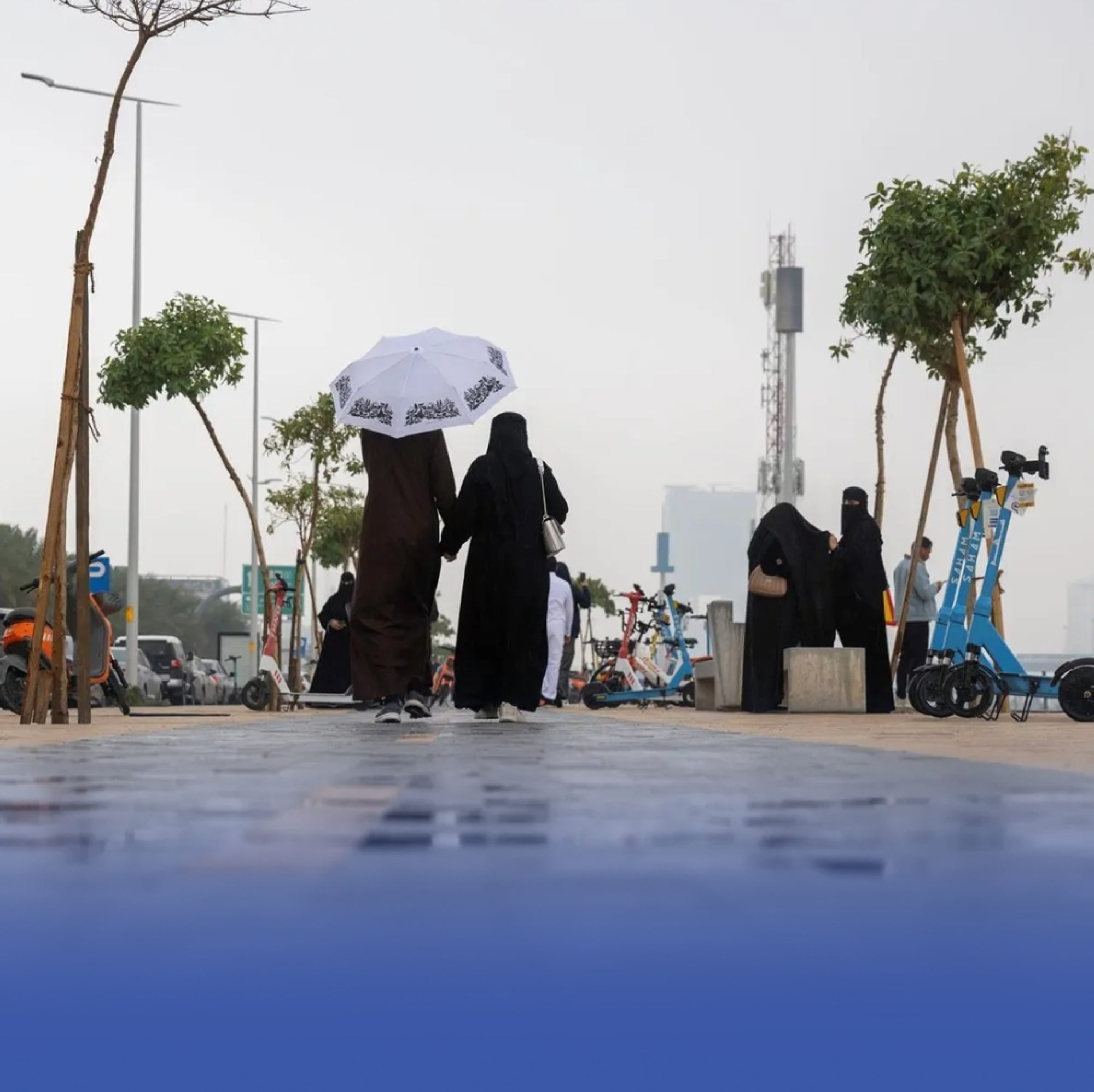
The National Center for Meteorology in the Kingdom of Saudi Arabia issued its daily report on the expected weather conditions for today (Wednesday), as forecasts indicate continued weather fluctuations in several regions, which calls for caution and vigilance by citizens, residents and highway users.
Details of the rain and fog situation
The center forecasts moderate to heavy thunderstorms, accompanied by hail and strong winds, across parts of the southwestern and western highlands of the Kingdom. This weather pattern includes the regions of Makkah, Al-Baha, Asir, and Jazan . These storms are a result of the influx of tropical moisture and the interaction of air currents, which increases the likelihood of cumulonimbus cloud formation and rainfall.
In a related development, the meteorological department warned of a high probability of dense fog forming during the night and early morning hours, which could reduce horizontal visibility. The fog is expected to affect parts of the aforementioned highlands, as well as parts of northern Saudi Arabia, requiring cautious driving on highways.
Wind activity and dust storms
On another note, forecasts indicate active surface winds stirring up dust and sand, which may reduce horizontal visibility in open areas. These winds will affect large parts of the Northern Borders, Al-Jawf, Eastern Province, Riyadh, and Madinah regions , extending to the southern parts of the Tabuk .
Geographical and climatic context
The southwestern regions of the Kingdom, such as Asir, Al-Baha, Jazan, and the highlands of Makkah, possess a mountainous geography (the Sarawat Mountains) that makes them susceptible to receiving larger amounts of rainfall compared to other regions of the Kingdom, especially during periods of seasonal weather fluctuations. This topography plays a crucial role in lifting and condensing moist air, leading to thunderstorms and hail.
The importance of warnings and safety measures
These forecasts are of paramount importance for the safety of lives and property, as thunderstorms are often accompanied by flash floods in valleys and wadis. Authorities consistently urge people to stay away from floodplains and wadi beds in such conditions, and to exercise caution while driving in fog or heavy dust that reduces visibility, in order to ensure everyone's safety and minimize traffic accidents that may result from adverse weather conditions.
Local News
The opening of the Jabalah and Al-Hadqa centers in the Imam Turki Reserve to enhance environmental security
Under the patronage of the Minister of Interior, the Special Forces for Environmental Security inaugurated the Jabalah and Al-Hadqa centers in the Imam Turki bin Abdullah Reserve to enhance wildlife protection and support Vision 2030.
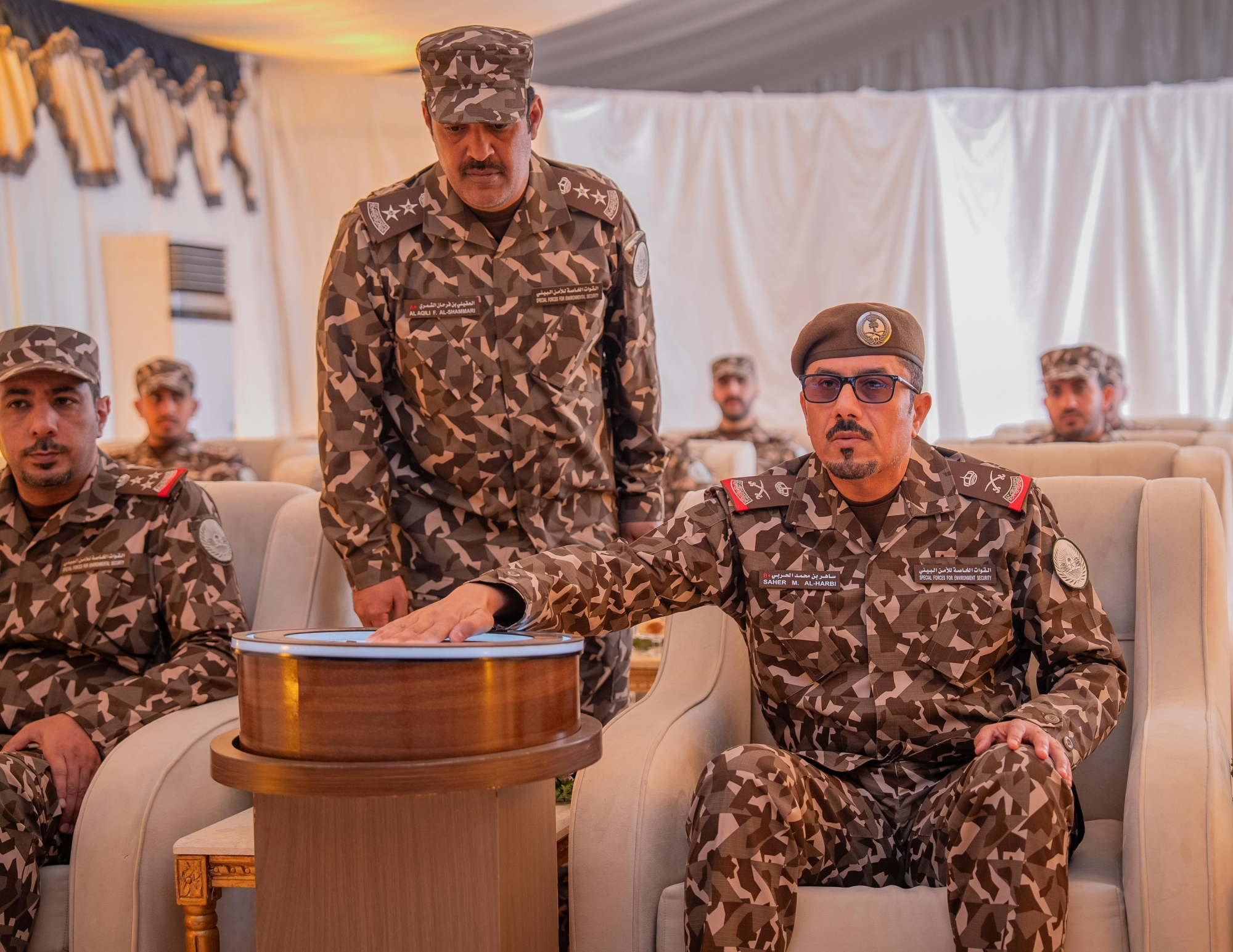
In a strategic move aimed at strengthening the environmental protection system in the Kingdom of Saudi Arabia, Major General Saher bin Mohammed Al-Harbi, Commander of the Special Forces for Environmental Security, inaugurated the "Jibla" and "Al-Hadqa" field centers within the Imam Turki bin Abdullah Royal Reserve. This inauguration took place under the patronage of His Royal Highness Prince Abdulaziz bin Saud bin Nayef bin Abdulaziz, Minister of Interior, reflecting the wise leadership's commitment to preserving the nation's natural resources.
During the opening ceremony, Major General Al-Harbi emphasized that the Special Forces for Environmental Security enjoy unlimited support from the wise leadership and continuous oversight from the security sectors, enabling them to fulfill their duties in protecting the environment and the nation's resources. He explained that the two new centers have been equipped with the latest security systems and advanced monitoring technologies, in addition to field vehicles and modern communication networks. This will directly contribute to enhancing the efficiency of security operations, expediting responses to reports, and ensuring the enforcement of environmental regulations to curb violations such as poaching, illegal logging, and unregulated grazing.
Promoting environmental sustainability and protecting biodiversity
The inauguration of the Jabalah and Al-Hadqa centers comes within a significant geographical and environmental context. The Imam Turki bin Abdullah Royal Reserve is one of the most important nature reserves in the Kingdom, boasting a unique diversity of plant and animal life, as well as varied terrain encompassing mountains, valleys, and plains. Jabalah Mountain is a prominent landmark in the region, and its protection requires a permanent security presence to ensure the sustainability of the vegetation and the return of wildlife to its natural state.
Major General Al-Harbi praised the level of cooperation and integration between the Special Forces for Environmental Security and the Imam Turki bin Abdullah Royal Reserve Development Authority. He noted that this cooperation represents a model of joint work between government sectors to enhance environmental protection efforts and restore its natural balance, thus contributing to creating a sustainable environment for future generations.
Supporting the goals of Saudi Vision 2030
The opening of these centers is part of the strategic plan to deploy the Special Forces for Environmental Security to cover all environmental areas and royal reserves in the Kingdom. These efforts directly support the objectives of Saudi Vision 2030, specifically the "Green Saudi Arabia" initiative, which aims to increase the percentage of protected areas, preserve the natural environment, improve quality of life, and promote ecotourism in accordance with regulations that ensure the safety of the ecosystem.
Local News
Saudi Arabia and Turkey: Renewable energy agreement with a capacity of 5000 megawatts
Saudi Arabia and Turkey sign a strategic agreement to develop 5,000 megawatt solar power plants with billions of dollars in investments, to enhance energy security and diversify the economy.
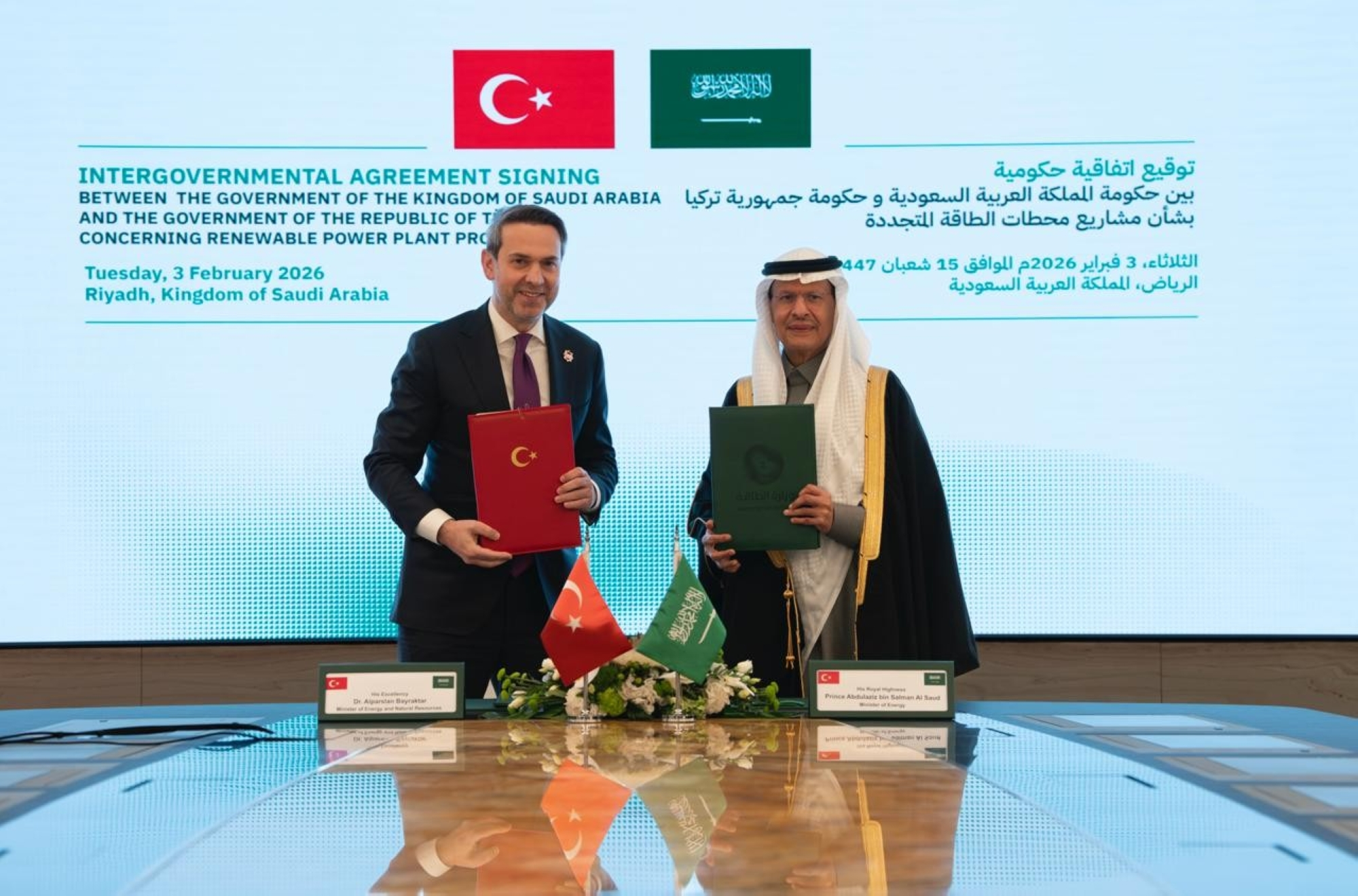
In a move reflecting the depth of bilateral relations and the shared desire to build a sustainable future, the Kingdom of Saudi Arabia and the Republic of Turkey signed a strategic agreement today aimed at cooperating in the development and implementation of renewable energy power plant projects. This took place on the sidelines of Turkish President Recep Tayyip Erdoğan's official visit to the Kingdom, which culminates a growing path of cooperation between the two brotherly nations.
Details of the agreement and implementation phases
The agreement was signed by His Royal Highness Prince Abdulaziz bin Salman bin Abdulaziz, Minister of Energy, on behalf of the Kingdom of Saudi Arabia, and by His Excellency Alparslan Bayraktar, Minister of Energy and Natural Resources, on behalf of the Kingdom of Turkey. The agreement stipulates the development of solar energy projects in Turkey with a total installed capacity of 5,000 megawatts. This ambitious plan will be implemented in two main phases. The first phase includes the construction of two solar energy projects in the cities of Sivas and Karaman with a total capacity of 2,000 megawatts, while the second phase will cover an additional capacity of up to 3,000 megawatts, according to agreed-upon timeframes and technical specifications.
Huge economic and investment dimensions
The first phase projects are highly economically viable, offering competitive electricity prices compared to similar plants in Turkey. Investments in this phase are estimated at approximately US$2 billion, reflecting the strong mutual trust and financial commitment of both parties. These plants are expected to provide clean electricity to more than two million Turkish households. To ensure the project's sustainability, a Turkish state-owned company will commit to purchasing the generated electricity for thirty years, with a focus on maximizing local content by making optimal use of Turkish equipment and services during implementation.
Strategic context and shared vision
This agreement comes at a time of significant momentum in Saudi-Turkish relations, driven by the desire of both leaderships to expand the horizons of economic and investment cooperation. This step aligns perfectly with the objectives of Saudi Vision 2030, which seeks to make the Kingdom a global leader in the renewable energy sector and to export technical and investment expertise in this field, as well as supporting Turkey's efforts to diversify its energy sources and reduce its reliance on traditional imports.
Environmental impact and green future
Beyond its economic benefits, the agreement carries significant environmental dimensions, aiming to enhance energy security and accelerate the transition to a low-carbon economy. This collaboration serves as a model for effective international partnerships in addressing climate change, contributing to knowledge transfer and capacity building in both human and technological sectors, thereby achieving mutual and sustainable benefits for both countries and establishing a new era of integration in the energy and green technology sectors.
-
 Local news one week ago
Landslide in Riyadh: Details of the incident in Al-Sahafa neighborhood and containment efforts
-

 Culture and Art, 1 week ago
Haifa Wehbe's absence in Riyadh: A photo crisis or a strained relationship with the media?
-
 Local news one week ago
Riyadh collapse: Emergency plans to secure water after a main pipeline burst
-

 Culture and Art, 1 week ago
City Kitchen series: A drama of conflict and the middle class during Ramadan
-

 Culture and Art, 1 week ago
The series "Kasra": Dawood Hussein in a moving social drama this Ramadan
-
 Local news one week ago
Applying for the 1447 Opportunities Program for Teachers via the Fares System
-

 Local News 7 days ago
Ramadan 2026 discounts in Saudi Arabia: Offers valid for 54 days
-
 Culture and Art 6 days ago
The death of artist Huda Shaarawi “Umm Zaki” and her funeral in Damascus