
Local News
The Governor of the Eastern Province inaugurates 321 educational projects worth 773 million riyals
Under the patronage of the Prince of the Eastern Province and in the presence of the Minister of Education, 321 educational projects were launched and the foundation stone was laid at a cost of 773 million riyals to enhance infrastructure and develop human capabilities.

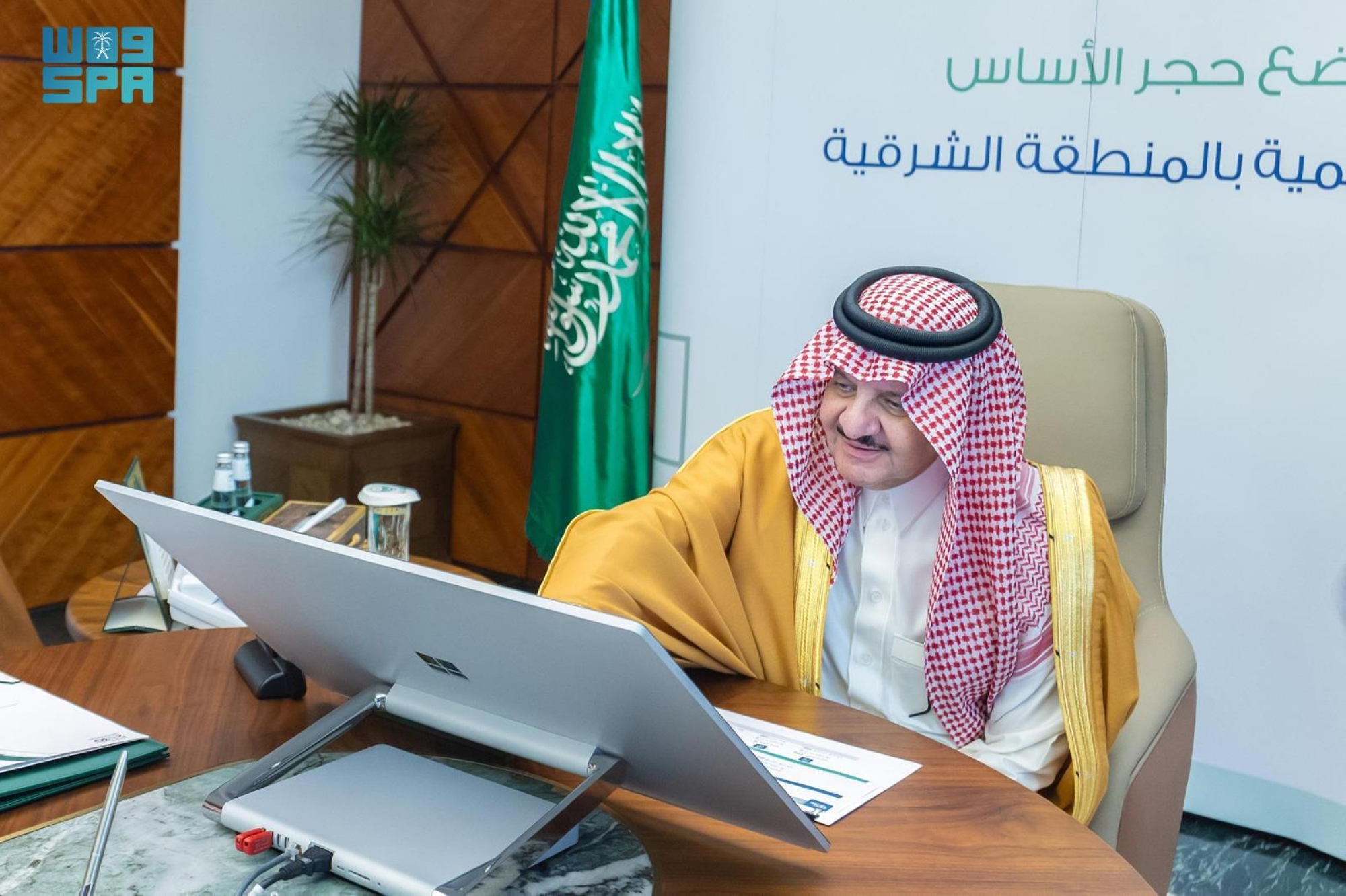
In a significant step aimed at strengthening the infrastructure of the education sector in the Kingdom of Saudi Arabia, His Royal Highness Prince Saud bin Nayef bin Abdulaziz, Governor of the Eastern Province, inaugurated and laid the foundation stone for a massive package of 321 educational projects, with a total value of 773 million riyals, in the presence of His Excellency the Minister of Education, Mr. Yousef bin Abdullah Al-Bunyan. This initiative reflects the great attention the wise leadership pays to developing the school environment and raising the efficiency of educational facilities in the region.
The announced package included detailed plans reflecting the comprehensiveness of the development, encompassing the laying of the foundation stone for 22 new educational buildings at a cost of 526.9 million riyals, with a capacity exceeding 13,000 students, thus contributing to accommodating the region's growing population. Additionally, 12 completed school buildings, valued at 145.5 million riyals and accommodating 10,000 students, were inaugurated, along with 8 modern sports halls for girls, costing 17 million riyals and serving more than 5,000 female students, further enhancing the focus on school sports and student health.
The efforts were not limited to new buildings, but extended to include maintenance and rehabilitation projects to ensure the sustainability of existing buildings, as 81 rehabilitation and restoration projects were implemented at a value of 26.9 million riyals, and another 198 rehabilitation projects were implemented at a value of 55 million riyals, so that the total of these repairs serves more than 158,000 male and female students, thus ensuring the provision of a safe and stimulating educational environment for academic achievement.
In his comments on this event, the Prince of the Eastern Province stressed that investment in education is the cornerstone of building human beings and developing their capabilities, noting that the expansion witnessed in the sector reflects the state’s keenness to create educational environments that keep pace with the requirements of the next stage and contribute to graduating generations capable of actively participating in the national development process.
These projects acquire significant strategic importance when viewed within the context of the Kingdom's Vision 2030, specifically within the Human Capital Development Program. The move towards replacing rented buildings with model government-owned facilities and equipping schools with modern sports halls and amenities is an integral part of improving quality of life and raising the level of educational outcomes. Furthermore, the Eastern Province, as a vital industrial and economic hub, requires a robust educational infrastructure capable of supplying the labor market with highly qualified national talent.
These projects are expected to have a tangible positive impact in the short and long term, whether by alleviating overcrowding in classrooms or by providing attractive environments for both students and teachers, thus enhancing the efficiency of the educational system and achieving the sustainable development goals that the Ministry seeks to achieve in all governorates of the region.


Local News
Industry: 311 inspection tours of mining sites during December 2025
The Ministry of Industry conducted 311 inspection tours of mining sites in December 2025, with Sharqia Governorate topping the list. Learn more about the campaign and its objectives to protect mineral resources.

As part of its ongoing efforts to regulate the mining sector and ensure that facilities comply with regulations, the Ministry of Industry and Mineral Resources announced the implementation of 311 field inspection tours of a number of mining sites in various regions of the Kingdom of Saudi Arabia during December 2025. These tours come as a confirmation of the Ministry’s commitment to implementing the Mining Investment Law, where the Ministry adopts the principle of issuing warnings when initial violations are detected, in application of the policy of “warning before imposing the penalty,” which reflects a corrective approach aimed at raising the level of compliance before resorting to punitive measures.
Details of inspection tours and their geographical distribution
The official spokesperson for the Ministry of Industry and Mineral Resources, Jarrah Al-Jarrah, revealed the geographical distribution of these intensive inspection tours, with the Eastern Province topping the list with 92 inspection tours, followed by the Riyadh region with 85 tours, then the Asir region with 51 tours, and the Madinah region recorded 42 tours on mining sites.
The monitoring efforts extended to the rest of the Kingdom, with 18 inspection tours conducted in the Tabuk region, 9 in the Makkah region, 6 in the Hail region, and 5 in the Najran region. The tours also included one visit each to the Jazan, Al-Baha, and Al-Jawf regions, ensuring comprehensive coverage of the Kingdom's geographical area.
The importance of oversight in protecting wealth and societies
The Minister affirmed the Ministry's commitment to continuing its inspection tours and monitoring all mining activities. These field visits aim to ensure the sector's protection from irregular practices that could harm the investment environment or unjustly deplete resources. He also emphasized the importance of preserving mineral wealth to achieve its optimal exploitation, as well as protecting communities adjacent to mining areas from any negative impacts, in accordance with the strict regulations stipulated in the new Mining Investment Law.
The mining sector: the third pillar of national industry
These oversight tours are of paramount strategic importance as Saudi Arabia, within its Vision 2030, aims to establish the mining sector as the third pillar of national industry, alongside oil, gas, and petrochemicals. Through these measures, the Ministry seeks to maximize the value derived from mineral resources and enhance the sector's attractiveness to both local and international investors by providing a transparent and regulated operating environment.
Official estimates indicate that the value of untapped mineral resources in the Kingdom is approximately 9.3 trillion riyals. These resources are spread across more than 5,300 sites, making effective monitoring an urgent necessity to ensure the sustainability of these resources, diversify national income sources, and develop non-oil revenues, thus serving the national economy and creating new job opportunities for citizens.
Local News
The Ministry of Education revokes the licenses of 74 private schools due to safety and quality violations
The Ministry of Education cancels the licenses of 74 private schools in the Kingdom due to safety and quality violations, and announces the direct admission of students to government schools to ensure the continuation of their studies.
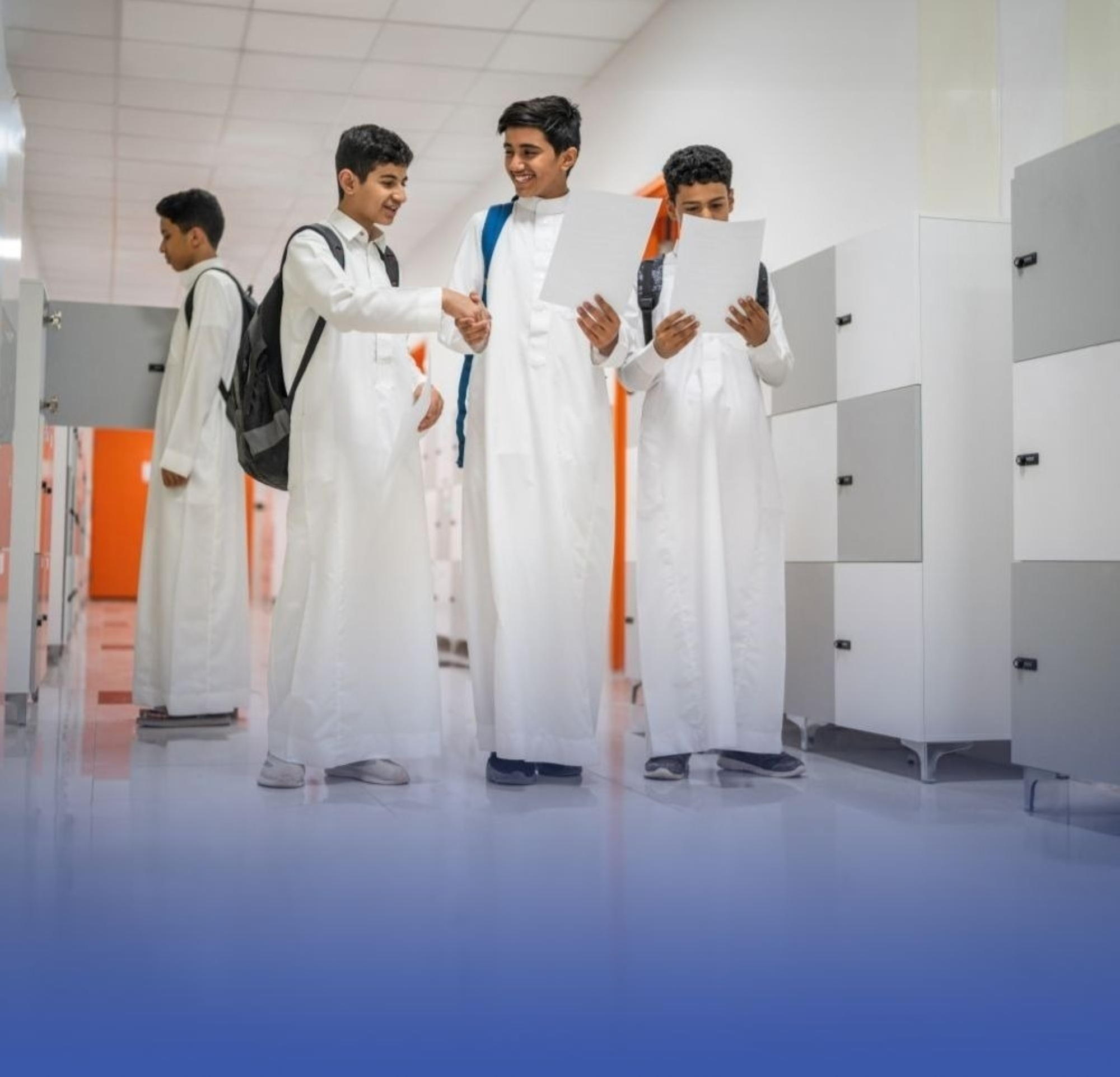
The Saudi Ministry of Education has issued a decisive decision to revoke the licenses of 74 private schools across several cities in the Kingdom. This action is part of the Ministry's ongoing efforts to ensure the quality of education and provide a safe and stimulating school environment for students. The decision followed thorough and intensive monitoring that revealed significant violations related to student safety and educational quality standards, as well as non-compliance with regulations and requirements established by the relevant authorities.
Reasons for license cancellations and observed violations
The ministry explained in its statement that the violations that warranted this strict measure ranged from administrative and technical to security-related issues. The most prominent violation was the lack of a valid operating license, the essential document that grants the school the right to conduct educational activities. The absence of a safety license (civil defense certificate) was also a major reason for the closure, as this certificate is an indispensable requirement to ensure the safety of lives and property within educational facilities and confirms that the buildings are free from hazards that could threaten student safety.
Students' fate and transfer procedures
Out of concern for the well-being of students and to ensure their education is not disrupted by this decision, the Ministry of Education announced immediate measures to address their situation. Students transferred from closed schools will be directly enrolled in public schools to guarantee the continuity of their studies. Simultaneously, the Ministry has provided parents with the option to transfer their children to other private schools of their choice, according to their preferences and residential locations, thus offering significant flexibility in dealing with this exceptional circumstance.
Context of the decision and the importance of compliance with regulations
This move by the Ministry of Education comes within the framework of a comprehensive strategy aimed at raising the efficiency of the private education sector in the Kingdom, in line with the objectives of Vision 2030, which places education and its quality at the forefront of its priorities. Through these measures, the Ministry affirms that it will not tolerate any shortcomings that compromise student safety or diminish the quality of educational outcomes. This decision serves as a clear message to all investors in the education sector regarding the necessity of full compliance with the updated standards and requirements.
Gradual implementation of regulatory procedures
The ministry indicated that the closure decision was not sudden, but rather came after exhausting all legal avenues. The decision was preceded by a series of regulatory measures and a gradual process of issuing warnings to the violating schools, granting them grace periods to rectify their situations. However, the schools' failure to respond to the corrective requirements, the continuation of violations that increased the level of potential risks, and the inability of the licensees to meet the necessary operational requirements, necessitated the decision to revoke their licenses in order to protect the public interest.
The intensive monitoring tours carried out by the ministry’s teams during the past period showed that a number of schools did not comply with updating their licenses or meeting the updated requirements, which necessitated decisive intervention to ensure a safe and stable educational environment for all the sons and daughters of the nation.
Local News
Minister of Justice: 43% growth in commercial arbitration supports investment in Saudi Arabia
Minister of Justice Dr. Walid Al-Samaani confirmed that the implementation of arbitration rulings grew by 43% during 2025, pointing to the role of legislation and preventive justice in enhancing investor confidence and the business environment.
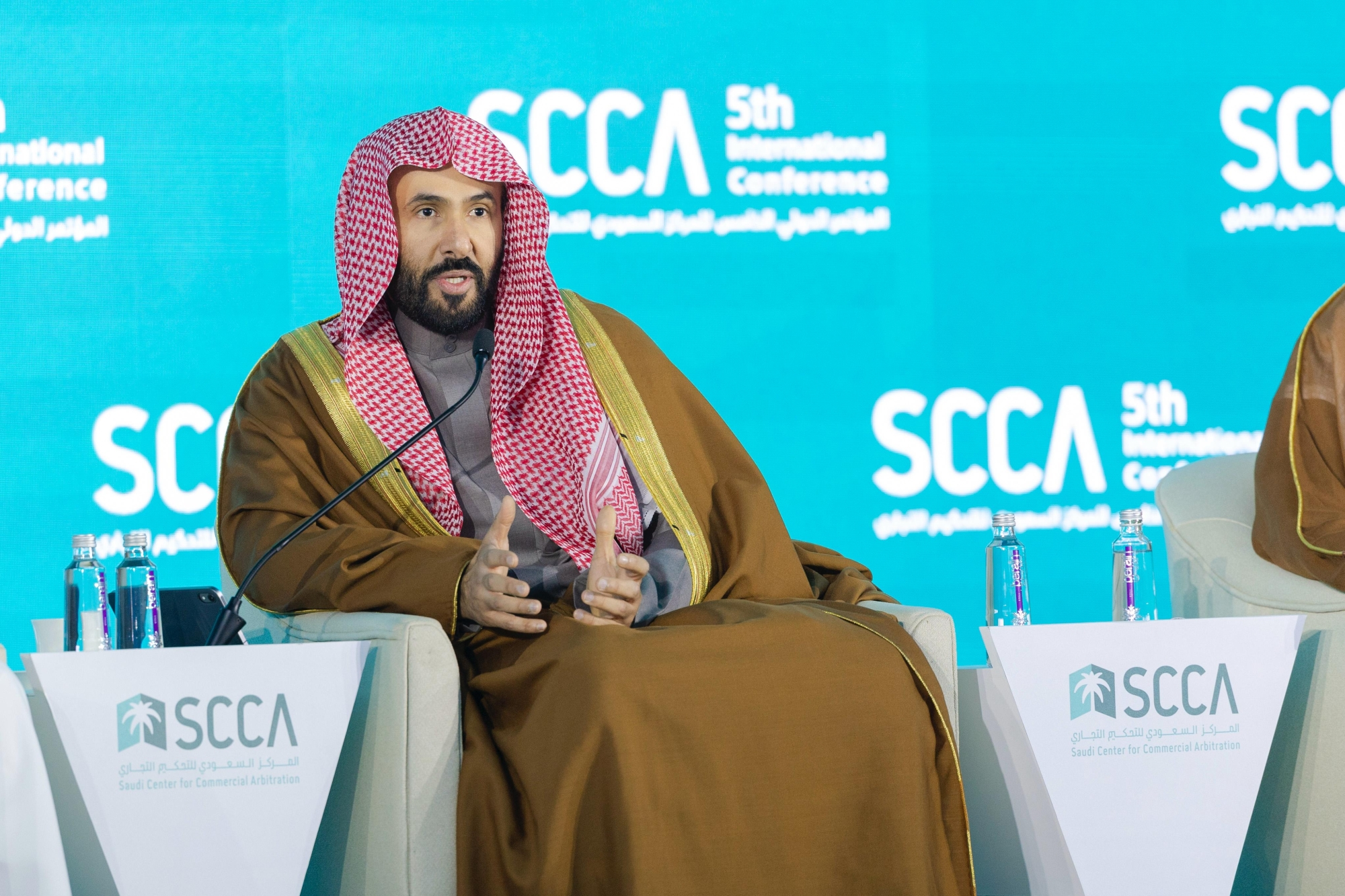
His Excellency the Minister of Justice, Dr. Walid bin Mohammed Al-Samaani, affirmed that the Kingdom of Saudi Arabia is witnessing a qualitative transformation in its judicial and legislative system, noting that the rapid developments in this sector have directly contributed to consolidating the position of arbitration and alternative dispute resolution as strategic and reliable options for the business sector.
Enhancing legal certainty at the International Arbitration Conference
His Excellency's remarks came during his active participation in the first dialogue session of the Fifth International Conference on Commercial Arbitration, entitled "National Strategy and Global Confidence: Enhancing Legal Certainty and Investor Confidence." The Minister highlighted the strong synergy between the Kingdom's legal, judicial, and financial strategies, explaining that this integration was not accidental, but rather the product of an ambitious vision aimed at building a safe and stable investment environment.
Historical background: A legislative revolution in line with Vision 2030
These statements come amidst an unprecedented legislative movement in Saudi Arabia, driven by the goals of Vision 2030. Over the past few years, the Kingdom has worked to issue and update a range of specialized legislation, such as the Civil Transactions Law, the Evidence Law, and the Companies Law, which have formed a robust legal infrastructure. These reforms have not only aimed to expedite litigation but have also focused fundamentally on "legal certainty," something both foreign and domestic investors seek to guarantee their rights and anticipate the outcomes of their contracts with clarity and transparency.
Figures reflecting confidence: A leap in the enforcement of arbitration rulings
In the language of numbers that reflect the reality of change, Dr. Al-Samaani revealed a remarkable statistic, as the system for implementing arbitration rulings recorded a remarkable growth of 43% during the year 2025. The most significant thing is that commercial arbitration accounted for 50% of this percentage, which is a strong indicator of the increasing confidence of companies and investors in arbitration as a fast and effective way to resolve disputes away from the corridors of traditional courts, supported by the unification of enforcement jurisdiction which eliminated the fragmentation of procedures.
Preventive justice: The future of contractual stability
On another front, the Minister of Justice emphasized that the Ministry is committed to expanding the scope of "preventive justice," a modern concept aimed at preventing disputes before they arise through the documentation of rights. He noted that more than one million electronic contracts have been documented, benefiting over 1.2 million individuals. This approach not only reduces the burden on the courts but also enhances the stability of commercial transactions and mitigates investment risks, making the Kingdom an attractive destination for global capital seeking a clear and efficient legal environment.
-

 Culture and Art, 1 week ago
Haifa Wehbe's absence in Riyadh: A photo crisis or a strained relationship with the media?
-

 Culture and Art, 1 week ago
City Kitchen series: A drama of conflict and the middle class during Ramadan
-

 Culture and Art, 1 week ago
The series "Kasra": Dawood Hussein in a moving social drama this Ramadan
-

 Local news one week ago
Applying for the 1447 Opportunities Program for Teachers via the Fares System
-

 Local news one week ago
Ramadan 2026 discounts in Saudi Arabia: Offers valid for 54 days
-
 Culture and Art 6 days ago
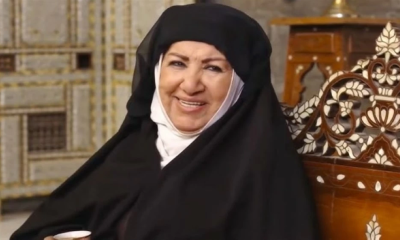
The death of artist Huda Shaarawi “Umm Zaki” and her funeral in Damascus
-

 Technology 6 days ago
ICAN 2026 Conference Conclusion: Initiatives to Enhance Saudi Arabia's Leadership in Artificial Intelligence
-

 Local news one week ago
Saudi Arabia halts perennial fodder cultivation to conserve groundwater