
Local News
Dr. Khulood and her husband released on bail in money laundering case
Kuwaiti content creator Dr. Khulood and her husband Amin were released on bail of 5,000 dinars after being detained on money laundering charges. Details of the case and its impact on Kuwaiti celebrities.


Lawyer Reem Bahr announced the release of her clients, renowned content creator Dr. Khulood and her husband Amin, on bail of 5,000 Kuwaiti dinars each. This decision comes after they spent 12 days in pretrial detention following their arrest at Kuwait International Airport earlier this month, in a case that garnered significant local and regional attention.
Background of the case and the charges
Dr. Khulood and her husband were charged with money laundering, drug use, and failing to declare large sums of money while traveling. This case is part of a broader effort by Kuwaiti authorities to combat financial corruption and the illicit accumulation of wealth, a campaign that began years ago and has included investigations into a number of public figures and social media influencers whose sudden wealth has raised questions. This campaign has contributed to raising public awareness about the importance of financial transparency and the legitimacy of income sources.
The controversy surrounding the sources of wealth and its impact on public opinion
The wealth of Dr. Khulood, a prominent influencer in the Arabian Gulf, has long been a subject of discussion and controversy, especially given her constant displays of expensive gifts and lavish lifestyle on her social media accounts, which are followed by millions. In previous statements responding to these questions, Dr. Khulood affirmed that all of their income sources are legitimate and publicly declared, explaining that her husband, Amin, owns a successful advertising company and has investments in the real estate sector. She has repeatedly denied what she described as "malicious accusations" aimed at tarnishing their reputation and casting doubt on their professional success.
The importance and expected impact of the issue
This case is particularly significant as it highlights the regulatory and oversight challenges facing the digital advertising and influencer sectors in the region. It also reflects the authorities' commitment to enforcing anti-corruption laws, regardless of the defendants' fame or social influence. Regardless of the final outcome, this case is expected to have a deterrent effect on others in the same field and may encourage greater financial transparency and disclosure of income sources among social media celebrities. Their release on bail remains a procedural step in the ongoing investigation, which continues to uncover all the circumstances and details of the case.


Local News
Hadeer Abdel-Razek: Appealing the prison sentence and the challenges of digital evidence
Blogger Hadeer Abdel-Razek is appealing her prison sentence for posting content. Her defense focuses on the lack of conclusive digital evidence, raising questions about cybercrime laws.

The Cairo Economic Court of Appeals has set April 19th as the date for a crucial hearing on the appeal filed by Egyptian blogger Hadeer Abdel Razek and her ex-husband, Mohamed Alaa, known as "Otaka," against their prison sentence and fine. This case stems from charges related to publishing content online and via the Telegram application, based on Article 25 of the Cybercrime Law No. 175 of 2018, in addition to other charges included in the indictment.
Background of the case and its general context
This case is part of a series of similar cases in Egypt in recent years targeting content creators and social media influencers. These cases often rely on vague legal provisions such as “violating the principles and values of the Egyptian family” or “offending public morals,” as stipulated in the Cybercrime Law. These trials have sparked widespread debate about the limits of freedom of expression in the digital sphere and the balance between protecting societal values and preserving personal rights and privacy.
Pillars of defense and challenges of digital proof
Dr. Hani Sameh, the lawyer representing blogger Hadeer Abdel-Razek, explained that the appeal is based on fundamental grounds that cast doubt on the "principle of attribution," meaning the very attribution of the act to the defendant. The defense emphasized that the case file lacks any conclusive technical evidence proving that the defendant was the one who published or managed the channel or account attributed to her, leaving the central question of the case without a definitive technical answer: "Who published? And who managed?".
The defense added that what was presented as “digital evidence” suffered from serious flaws that undermined its legal value. The chain of evidence began with a civilian informant who downloaded the videos onto his personal phone, then transferred them to a flash drive and submitted them to the authorities. This process was carried out without following established digital forensics procedures, such as creating a digital fingerprint (hash) of the original content or a forensic image, which opens the door to potential manipulation of the content through deletion or addition, and breaks the secure “chain of possession” of the digital evidence.
Procedural flaws and integrity of evidence
The defense also maintained that there was a procedural flaw, which it described as "extremely serious," as the investigation revealed that a "third clip" had been added to the storage device after the official seal had been opened. This action, the defense argued, compromised the integrity of the evidence and weakened its admissibility as proof of guilt. The defense further pointed out that the official technical report did not prove that the defendants had "directly uploaded" the clips to the Telegram application, but rather only identified a "screenshot and an external link" to content that was hosted on another platform and subsequently deleted. This, the defense argued, creates a fundamental contradiction between the wording of the indictment and what the technical examination revealed. In addition, the defense noted a chronological inconsistency in the dates of the incident, which further casts doubt on the accuracy of the evidence.
The importance and expected impact of the issue
This case is particularly significant because it highlights the challenges facing justice in the digital age. The appeal ruling is expected to have a major impact on the future of similar cases, potentially establishing stricter standards for the admissibility of digital evidence in courts and emphasizing the need to adhere to forensic technical protocols to ensure the integrity and non-tampering of evidence. Attorney Hani Sameh concluded his argument by asserting that the core issue is a “leak and invasion of privacy,” making the defendants victims of a grave violation of their constitutional rights, not perpetrators.
Local News
Growth of private education in Saudi Arabia: 17% of students and expectations of further increase
Mohammed Al-Khudair revealed that the enrollment rate in private education in Saudi Arabia has reached 17%, with expectations of future growth driven by Vision 2030 and the increasing interest of parents in the quality of education.
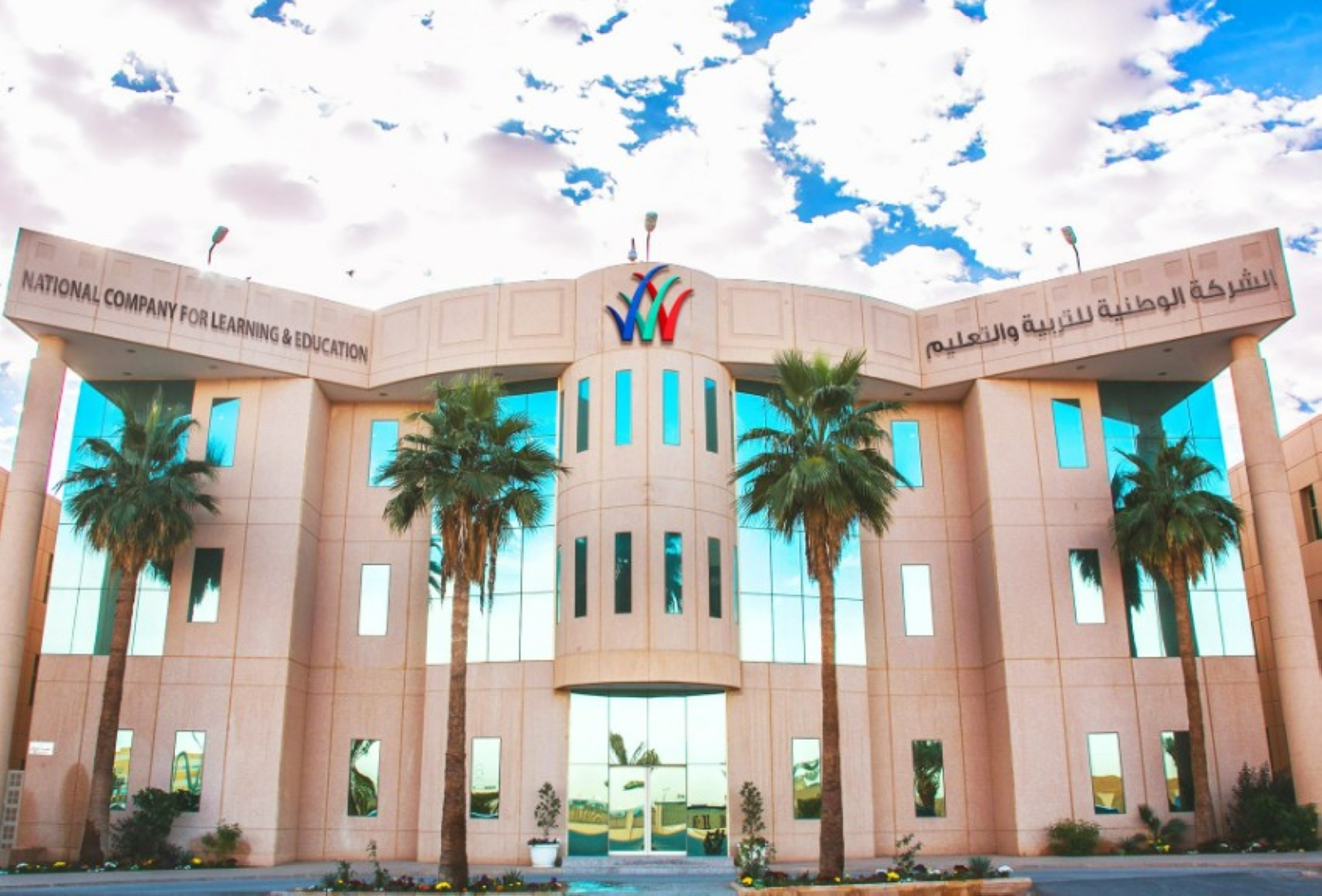
Mohammed Al-Khudair, CEO of the National Company for Education and Training (NCLE), confirmed that enrollment in private education in Saudi Arabia currently stands at 17%, expressing his optimism that this percentage will grow in the coming years. This statement was made to Akhbar24 on the sidelines of the Future of Education and Training Conference, where he noted that one million students are currently enrolled in the private sector, compared to five million in public education.
Historical context and the role of Vision 2030
This anticipated growth reflects a strategic shift in the Saudi education sector, a cornerstone of the Kingdom's Vision 2030. Historically, public education has played the most prominent role in shaping future generations, but with economic and social developments, the need to diversify educational options has become increasingly apparent. The National Education and Training Company, established in 1958 as a small girls' school two years before the General Presidency for Girls' Education, serves as a prime example of the private sector's long-standing tradition and capacity for growth. It has transformed from a single school into a publicly traded company that now serves over 35,000 students across 17 educational complexes.
The importance of the private sector in achieving sustainable development
Vision 2030 places paramount importance on developing human capital, and this is where private education plays a crucial role as a strategic partner to the government. The sector helps alleviate the burden on public schools and provides diverse learning environments that cater to the aspirations of different segments of society, including international curricula and programs that focus on modern skills such as critical thinking and innovation. Al-Khudair noted that “younger generations of parents are prioritizing their children’s education more than previous generations,” reflecting a growing awareness of the importance of investing in the future.
Expected local and regional impact
At the local level, the growth of private education fosters a healthy competitive environment that encourages higher quality educational outcomes in both the public and private sectors. It also contributes to attracting investment and creating new job opportunities. Regionally, a strong and developed private education sector enhances the Kingdom's position as an attractive destination for foreign talent and investors seeking high-quality education for their children, thus supporting Saudi Arabia's transformation into a leading regional hub across various fields. While Al-Khudair acknowledged that investing in education is "one of the most challenging investments" due to the need to balance quality and profitability, he emphasized that many companies have successfully achieved this difficult balance thanks to the strong support the leadership provides to the education sector.
Local News
New Absher services: Streamlined procedures for gun and security camera licenses
The Absher platform has launched new electronic services to facilitate procedures for air rifles, motorcycles, and security camera certifications, as part of Saudi Arabia’s digital transformation efforts.
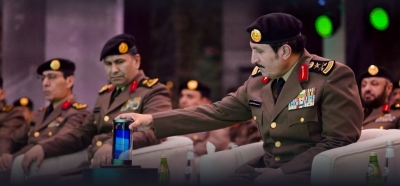
In a move that underscores the Kingdom of Saudi Arabia's leadership in government digital transformation, the Director of Public Security, Lieutenant General Mohammed bin Abdullah Al-Bassami, launched a suite of innovative e-services on Monday through the Ministry of Interior's leading digital platform, "Absher." The launch took place at the General Directorate of Public Security headquarters in Riyadh, under the patronage of His Royal Highness Prince Abdulaziz bin Saud bin Nayef bin Abdulaziz, Minister of Interior.
General context: “Absher” as a key pillar of Vision 2030
The launch of these services is an integral part of the Ministry of Interior's ongoing efforts to realize the goals of the Kingdom's Vision 2030, which places digital transformation and improving quality of life at the heart of its priorities. Since its inception, the "Absher" platform has revolutionized how citizens, residents, and visitors interact with government services, transforming procedures that previously required time, effort, and multiple reviews into seamless digital processes that can be completed from anywhere at any time, thus enhancing efficiency and transparency and increasing user satisfaction.
Details of the new services and their expected impact
The new suite of services targets vital and diverse sectors, reflecting the comprehensive nature of the platform's development. The launched services include the following:
- Air rifle services: Users can now submit reports of lost or damaged air rifle licenses electronically, in addition to the “authorization to carry a functional weapon” service via the “Absher Business” platform, which makes it easier for government and private entities to manage the weapons licenses of their security personnel efficiently and safely.
- Motorcycle services: The procedures for transferring ownership and authorizing the driving of motorcycles have been simplified. These services are in increasing demand and contribute to regulating this sector and ensuring the safety of transactions between individuals.
- Security camera services via “Absher Business”: This service is a valuable addition to the business sector, as commercial establishments can now issue and view the “Security Camera Installation Compliance Certificate” electronically. This certificate is a fundamental requirement for many business activities, and its digitization accelerates the pace of starting and operating businesses, supporting an attractive investment environment.
- Other services: The launch also included the “Vehicle Reports and Cards” service and the “Electronic Statements” service, which allows users to request official statements without having to visit security sectors.
Importance and future impact
The launch of these services not only facilitates daily procedures for beneficiaries but also enhances security by providing accurate and up-to-date data to relevant authorities. Furthermore, it supports economic growth by reducing bureaucracy for businesses. Regionally, these developments solidify the Kingdom's position as a leading example in e-government and underscore its unwavering commitment to adopting cutting-edge technologies to serve all who live within its borders and achieve a more prosperous and secure future.
-

 Local News 4 days ago
Landslide in Riyadh: Details of the incident in Al-Sahafa neighborhood and containment efforts
-
 Local News 5 days ago
The death penalty was carried out against a citizen who stabbed another to death in Tabuk
-

 Culture and Art, 1 week ago
Ramez Galal in Ramadan 2026: Details of the bloody prank show
-

 Local News 6 days ago
First birth on the Riyadh train: A heartwarming story at Andalus station
-

 Culture and Art 4 days ago
Haifa Wehbe's absence in Riyadh: A photo crisis or a strained relationship with the media?
-
 Local News 4 days ago
Riyadh collapse: Emergency plans to secure water after a main pipeline burst
-

 Culture and Art 4 days ago
City Kitchen series: A drama of conflict and the middle class during Ramadan
-

 Culture and Art 4 days ago
The series "Kasra": Dawood Hussein in a moving social drama this Ramadan