Local News
Central kitchens banned in temporary Hajj lodges
Discover how the Ministry of Municipalities and Housing is working to enhance consumer safety by banning central kitchens in temporary accommodations and creating a regulated investment environment.


New requirements for temporary accommodations: A step towards a safe and regulated investment environment
In a move aimed at enhancing consumer safety and health, the Ministry of Municipalities and Housing announced new regulations for temporary accommodations, including a ban on central kitchens within these establishments. This decision comes as part of the Ministry's efforts to create a regulated investment environment that provides legitimate employment opportunities for citizens.
Contracting with licensed kitchens
The ministry clarified that temporary accommodations will be required to contract with licensed kitchens to provide catering, with the license valid for one year and non-renewable. This step aims to ensure the quality of services provided and reduce health risks associated with food preparation within the accommodations.
New licensing procedures
Temporary lodge licenses will be issued, renewed, amended, or revoked in accordance with the Municipal Licensing Procedures System and its implementing regulations. This requires obtaining Civil Defense approval before issuing the license, and possessing a valid commercial registration that includes the activities for which a license is sought.
Approvals must also be obtained from the relevant supervisory authorities and the secretariat or municipality within whose jurisdiction the activity falls to ensure the suitability of the site.
Commercial signs and building requirements
The ministry stressed the need to adhere to the requirements for commercial signs and to link their data with the licensing data, according to the approved priority order. It also emphasized the immediate removal of commercial signs upon license cancellation and the restoration of the site to its previous state.
Regarding the Saudi Building Code, temporary accommodations are required to comply with all its structural, electrical, mechanical, health, ventilation, and energy efficiency requirements. Design and supervision work must be carried out by accredited engineering firms, and a designated waste storage room must be provided within the building.
Exterior appearance and architectural controls
The project outlined the lodge's exterior design, stipulating that facades must conform to the area's architectural identity and prohibit the installation of any visible extensions or equipment that could detract from the overall appearance. Architectural regulations also encompass the lighting and maintenance of parking areas and walkways, as well as the paving of internal walkways and parking areas in accordance with the Saudi Road Code.
Towards a more organized and sustainable future
These requirements represent a significant step towards regulating the temporary accommodation sector in the Kingdom and ensuring high-quality services for consumers. These measures are expected to contribute to creating an attractive and secure investment environment that supports the local economy and provides new job opportunities for citizens.




Local News
Saudi Meteorology: Thunderstorms and flash floods expected in 7 regions
The National Center for Meteorology warns of moderate to heavy thunderstorms leading to flash floods in 7 regions of the Kingdom, along with active winds that will stir up dust and sand.
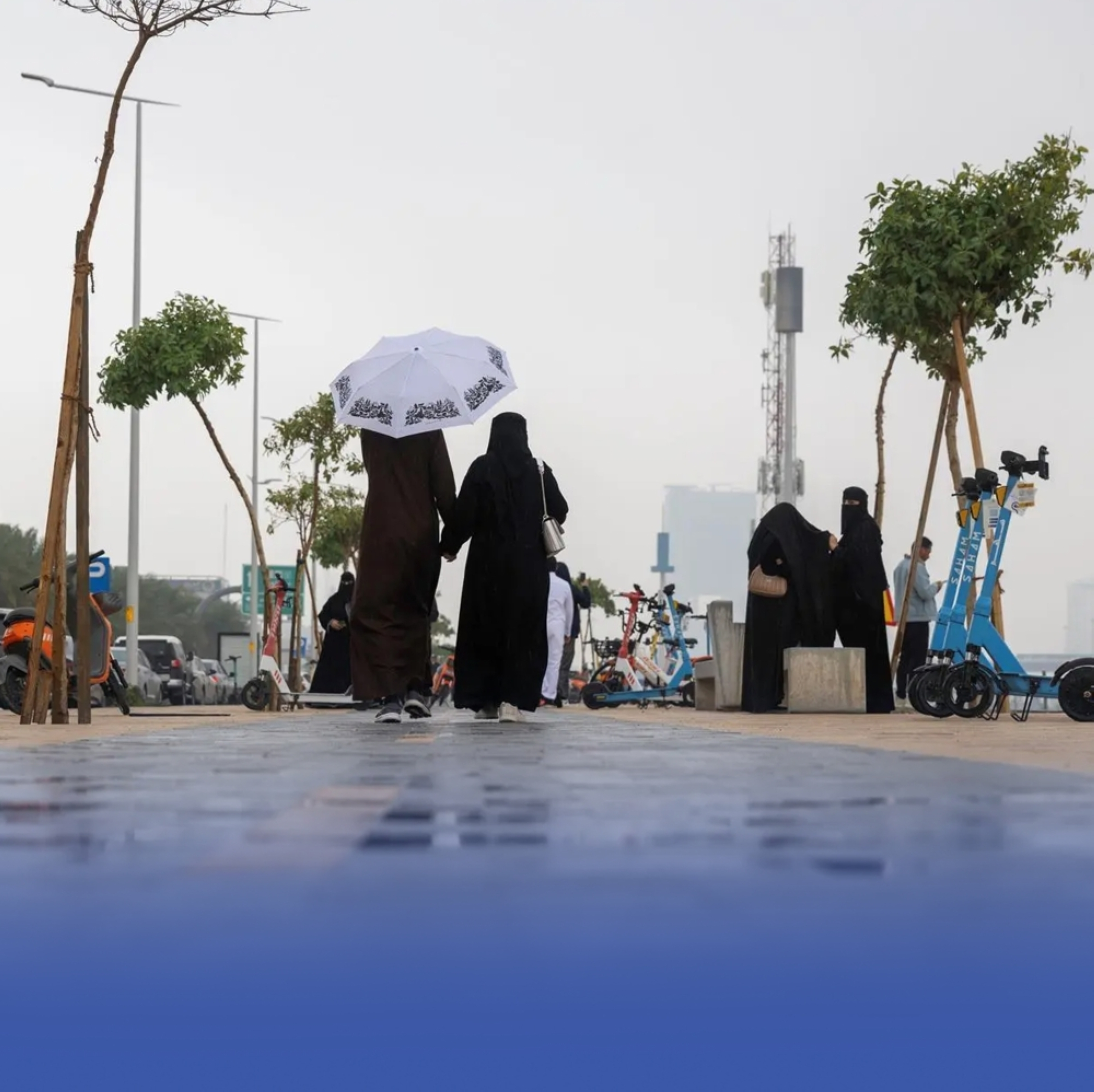
The National Center for Meteorology in Saudi Arabia issued an advanced warning regarding the expected weather conditions today (Thursday), indicating the possibility of moderate to heavy thunderstorms in 7 major regions, which increases the likelihood of flash floods in a number of valleys and low-lying areas.
According to the center's report, the weather will be accompanied by hail and strong winds. The areas directly affected include large parts of Madinah, Qassim, Hail, Tabuk, Al-Jawf, and the Northern Borders region, with the impact extending to the northern parts of the Eastern Province. The report also indicated that the highlands of the western and southwestern regions of the Kingdom may experience light to moderate rainfall. The center further warned of the continued impact of strong winds stirring up dust and sand, which may lead to near-zero horizontal visibility in parts of the aforementioned regions, as well as parts of the Riyadh region, necessitating extreme caution from drivers.
The climatic context and the importance of rainfall for the Kingdom
These weather fluctuations are part of the climatic patterns the Kingdom experiences during transitional periods of the year, as the region is affected by the convergence of different air masses. These rains, locally known as "rains of goodness," are of strategic importance to Saudi Arabia's desert environment, as they directly contribute to replenishing groundwater reservoirs upon which large parts of the country depend. They also revitalize vegetation and natural pastures, and effectively support the agricultural sector.
Expected effects and calls for caution
Despite their benefits, heavy rainfall poses a significant challenge and a source of danger if not handled with caution. The greatest risk lies in the formation of flash floods that flow rapidly through wadis (valleys). Accordingly, relevant authorities, primarily the General Directorate of Civil Defense, have issued repeated warnings to citizens and residents, urging them to exercise extreme caution, stay away from wadis and low-lying areas, and avoid crossing them during rainfall. They also emphasized the importance of following official alerts issued by the National Center of Meteorology and adhering to instructions to ensure the safety of lives and property.
Local News
Saudi Arabia refers accountants to prosecution to enhance market transparency
The Saudi Board of Auditors and Accountants has referred two individuals to the Public Prosecution for serious professional violations, in a move to enhance transparency and protect investors within the framework of Vision 2030.
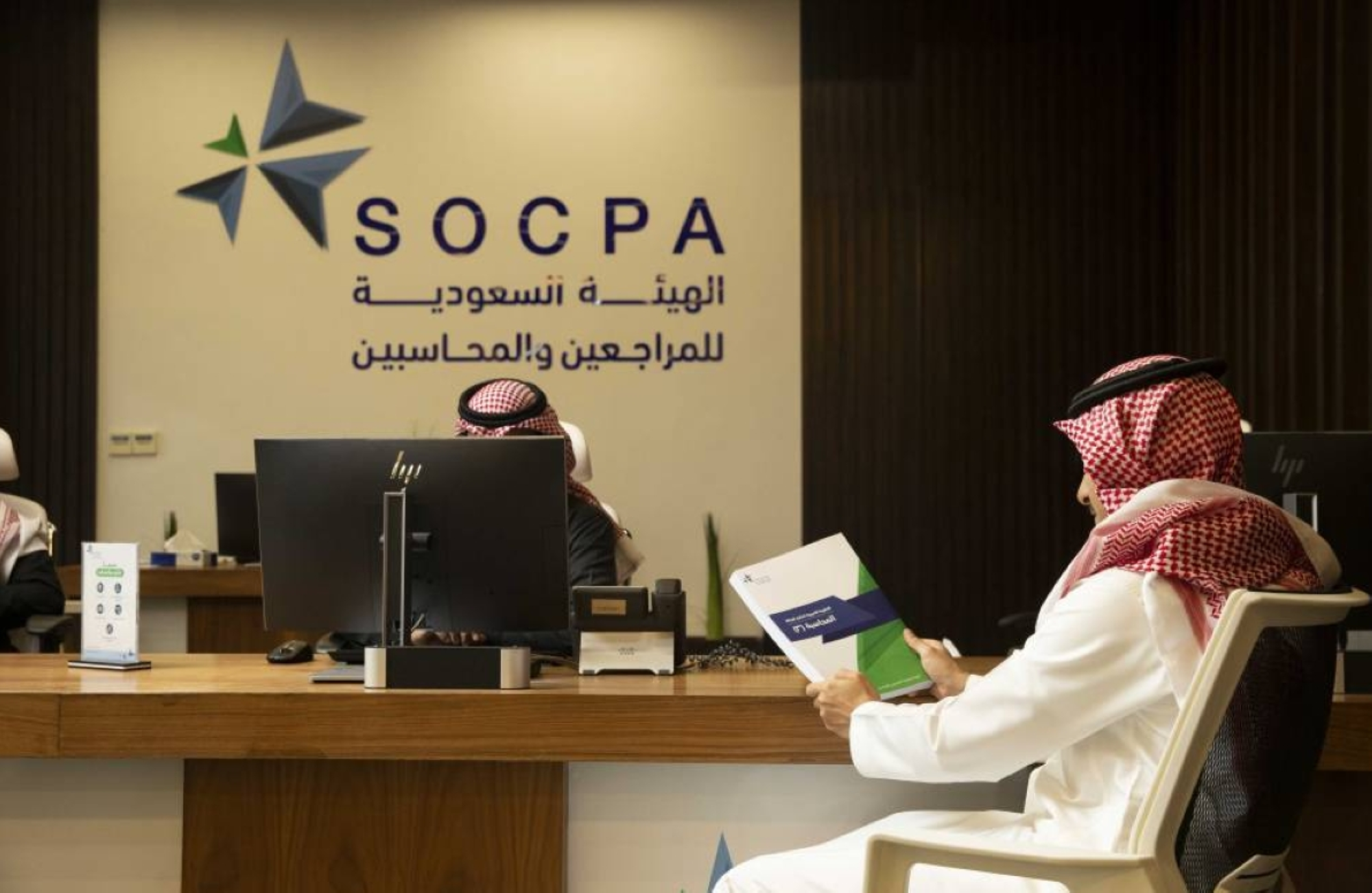
The Saudi Organization for Certified Public Accountants (SOCPA) announced that it has taken decisive measures to ensure adherence to professional ethics and standards, referring two individuals to the Public Prosecution for committing crimes stipulated in the Accounting and Auditing Profession Law. This step comes as part of the organization's ongoing efforts to enhance transparency and reliability in the Kingdom's economic environment.
Specifically, the Authority's initial investigations revealed two separate cases. The first involved an individual who continued to practice and issue an audit report on a company's financial statements despite having previously been revoked, a clear violation of regulations and a deliberate attempt to mislead users of financial statements. The second case involved a licensed accountant who intentionally concealed material information that should have been disclosed in his audit report, thereby undermining the report's credibility and eroding the trust that investors and stakeholders place in the accounting profession.
The organizational context and the importance of the accounting profession
These measures are based on Article 10 of the Accounting and Auditing Profession Law, which explicitly criminalizes any practice intended to mislead the public, whether by implying the right to practice the profession without a valid license, or by providing false statements or concealing material information in financial reports and documents. The Saudi Organization for Certified Public Accountants (SOCPA), as the regulatory body for the profession in the Kingdom, plays a pivotal role in oversight and supervision to ensure the application of the highest professional and ethical standards and to protect the national economy from malpractices.
Impact on the investment environment and Vision 2030
These measures are of paramount importance within the context of the economic transformations underway in Saudi Arabia as part of Vision 2030. The Vision aims to attract foreign and domestic investment by providing a transparent and secure investment environment. Reliable financial reporting is the cornerstone of building investor confidence, as investors rely on it to make informed decisions. Firmly enforcing regulations against violators sends a strong message to local and international markets that the Kingdom is committed to enhancing governance, integrity, and transparency in the business sector, thereby strengthening its position as a trusted regional and global financial center.
Such referrals to the Public Prosecution are not only intended to punish violators, but also serve as a strong deterrent to prevent the recurrence of such practices. They also raise awareness among accountants of their professional and legal responsibilities, and underscore that there will be zero tolerance for any practices that could harm the integrity of the profession or mislead users of financial statements.
The Authority reiterated its commitment to continuing its oversight and inspection efforts, urging all licensees to fully comply with regulations, rules, and professional standards to avoid legal liability and to contribute to building a strong and sustainable economy based on trust and credibility.
Local News
Non-Saudi ownership of property in Saudi Arabia: The new system comes into effect
The General Authority for Real Estate has announced the implementation of a system allowing non-Saudis to own real estate. Learn about the conditions and procedures through the Saudi Real Estate Portal and the impact of this decision on the economy.
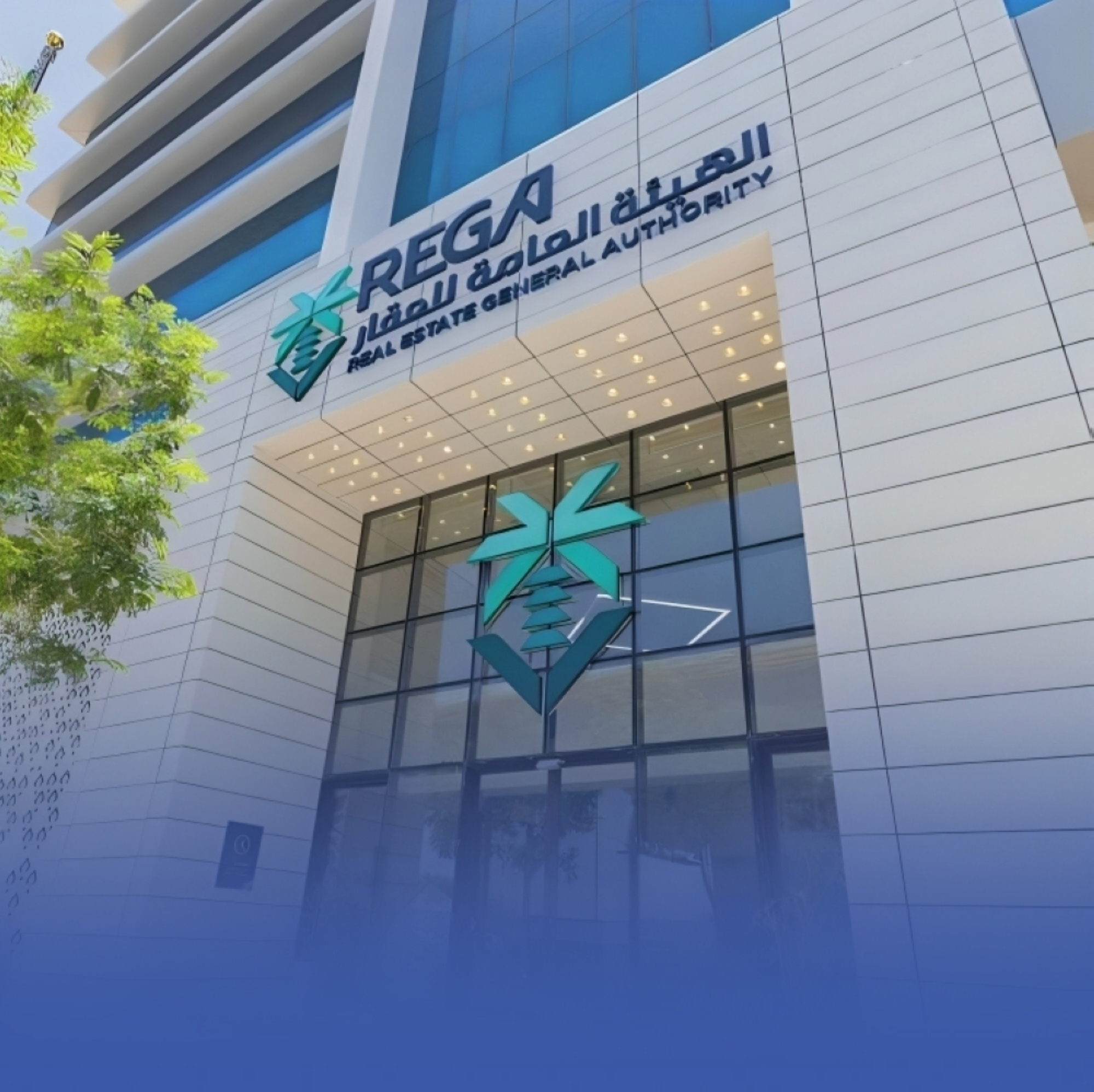
In a historic move aimed at boosting economic openness and attracting foreign investment, the General Authority for Real Estate in the Kingdom of Saudi Arabia announced the entry into force of the system allowing non-Saudis to own real estate, with its provisions taking effect today, 3 Sha'ban 1447 AH, corresponding to January 22, 2026. This decision is considered one of the most prominent modern real estate legislations aimed at regulating and enhancing the efficiency of the Saudi real estate market.
Historical background and context of Vision 2030
This system represents a significant shift in the Kingdom's real estate policies, which previously imposed considerable restrictions on foreign ownership of property. This move aligns with Saudi Vision 2030, which aims to diversify national income sources and reduce reliance on oil. By opening up the real estate market, the Kingdom seeks to create an attractive investment environment for international investors and global companies, as well as attract talent and expertise to live and work, thus contributing to a thriving economy and a vibrant society.
Application process via the "Saudi Real Estate" portal
The authority clarified that ownership applications are received exclusively through the official digital portal, “Saudi Real Estate.” The platform was designed to streamline procedures for different categories, with the beneficiary's journey varying according to their circumstances
- Residents within the Kingdom: They can apply directly through the portal using their residency number, where the conditions are automatically verified and the procedures are completed electronically.
- Non-residents: Their journey begins through Saudi embassies and consulates abroad to obtain a digital identity, and then they complete the ownership application via the portal.
- Foreign companies and entities: Companies that do not have a presence in the Kingdom must first register with the Ministry of Investment through the “Invest in Saudi Arabia” platform to obtain the unified number (700), before starting the ownership procedures.
Expected economic and social impact
This system is expected to have broad positive impacts across various sectors. Domestically, it will stimulate demand in the real estate market and raise project quality by attracting experienced international developers, creating healthy competition that benefits the end consumer. It will also contribute to creating thousands of job opportunities for Saudi citizens in the construction and real estate services sectors. Regionally and internationally, this decision strengthens Saudi Arabia's position as a global investment hub, placing it among the leading countries in the region for real estate investment, competing with other established markets.
Geographic controls and scopes
The authority confirmed that the system allows non-Saudis to own property in various regions of the Kingdom, with special regulations for the cities of Riyadh and Jeddah, in addition to Mecca and Medina. Precise details will be specified in the Geographical Zones document, which will be announced later. It is worth noting that ownership in the two holy cities will remain restricted to Saudi companies and Muslim individuals, whether from within the Kingdom or abroad, in order to preserve their religious significance.
The General Authority for Real Estate called on all those wishing to own property to visit the official portal “Saudi Real Estate” or contact the unified call center on the number (920017183) to obtain more information and complete their procedures with ease and convenience.
-

 Reports one week ago
Achievements of Saudi government sectors in 2025
-
Local news two weeks ago
FDA warns of contaminated Nestle infant formula | Recall details
-
Technology 4 weeks ago
US ban on drones: reasons and consequences
-
Technology 3 weeks ago
Saudi Arabia launches the world's largest government data center, 'Hexagon'
-
Technology 3 weeks ago
Merging KSA Map and Baladi Plus: A step towards Saudi digital sovereignty
-
Technology two weeks ago
Hexagon: Saudi Arabia strengthens its data sovereignty with the world's largest government center
-
Technology 3 weeks ago
European banks and artificial intelligence: A plan to lay off 200,000 employees
-
Politics 3 weeks ago
The coalition destroys smuggled Emirati weapons in Mukalla in a qualitative strike