
Local News
“95 years of stability and pride: The history of a proud nation”
Celebrate 95 years of stability and pride on Saudi National Day. Discover the journey of unification and the ongoing achievements that have shaped the history of a proud nation.

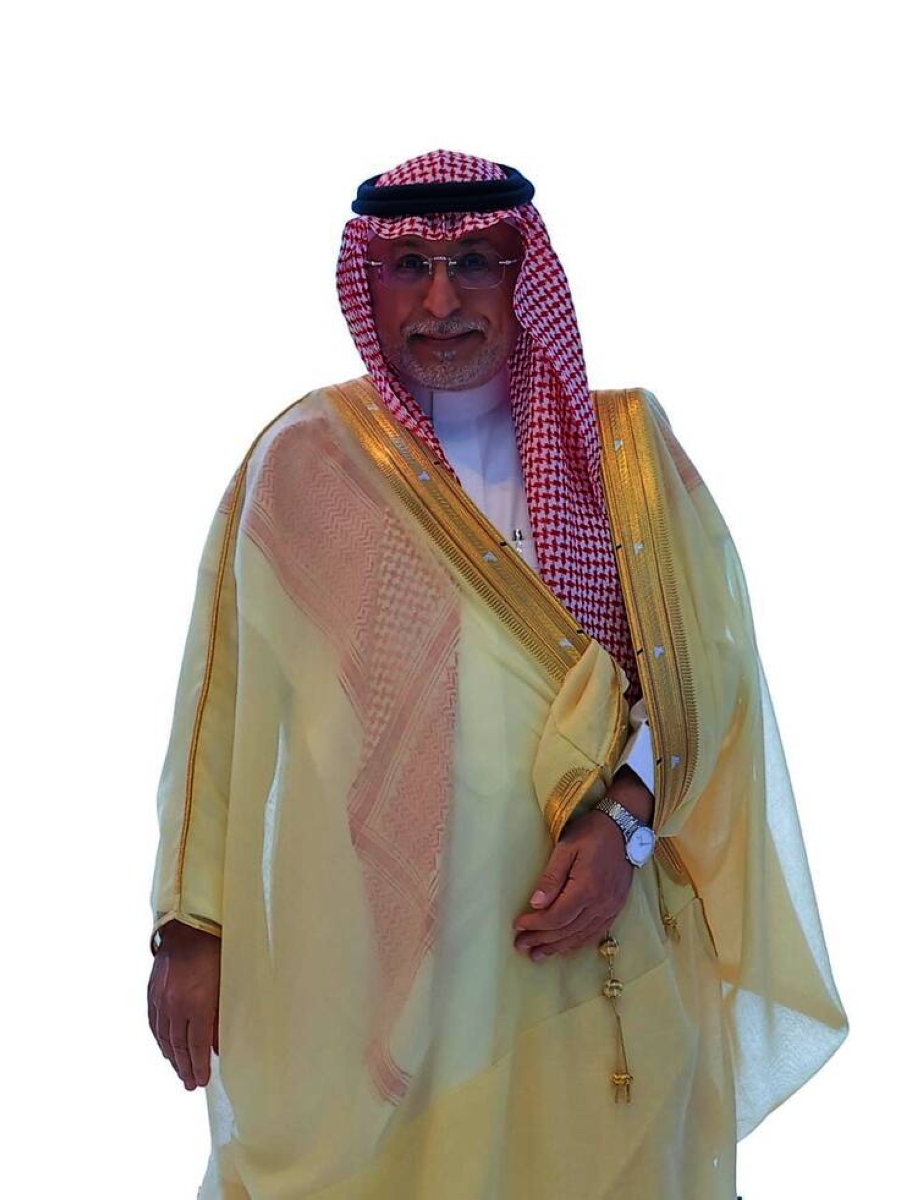
Saudi National Day: Historical symbolism and ongoing achievements
The National Day of the Kingdom of Saudi Arabia is a highly significant national occasion, commemorating the unification of the Kingdom by King Abdulaziz bin Abdulrahman Al Saud – may God have mercy on him. This day symbolizes the establishment of a unified and stable Saudi state, founded on the principles of unity, justice, and equality.
Founding and Unification: The Journey of King Abdulaziz
The unification process began with King Abdulaziz, who, thanks to God and his wise leadership, was able to unite disparate regions under one banner. His efforts continued for nearly thirty years, during which he faced numerous challenges in building a state founded on the principles of sound doctrine and the teachings of the Holy Quran and the Sunnah of the Prophet.
King Abdulaziz succeeded in eliminating the chaos and conflicts that prevailed at the time, and established a cohesive security system that enabled citizens to live in peace and tranquility. He also laid the foundations for building the modern state and focused on its development in various sectors, paving the way for a comprehensive development boom.
Renaissance and Development: A Continuing Legacy
After the death of King Abdulaziz, his sons continued on his path to achieve further developmental accomplishments. They consolidated the values of unity, security, and development that their father had initiated, leading to a significant economic, social, and cultural renaissance in the Kingdom.
Today, Saudi Arabia is considered a model of sustainable development and political stability in the region. The wise policies of the Saudi leadership have contributed to strengthening the Kingdom's regional and international standing.
The Kingdom of Saudi Arabia: A Diplomatic and Strategic Power
The Kingdom plays a pivotal role in regional and international politics thanks to its strategic location and natural resources. It also consistently strives to promote peace and stability in the region through effective diplomatic initiatives and fruitful international cooperation.
Celebrating Saudi National Day is not merely a commemoration of the country's unification, but also a celebration of the long journey of achievements and developments the Kingdom has witnessed over the past decades. It is a day that reflects pride in national identity and appreciation for the wise leadership that constantly strives for the best for the Kingdom and its people.







Local News
Regulations for registering purebred Arabian horses in Saudi Arabia and naming requirements
Learn about the new regulations for registering purebred Arabian horses in Saudi Arabia, including a 90-day reporting deadline and horse naming requirements to maintain breed purity.
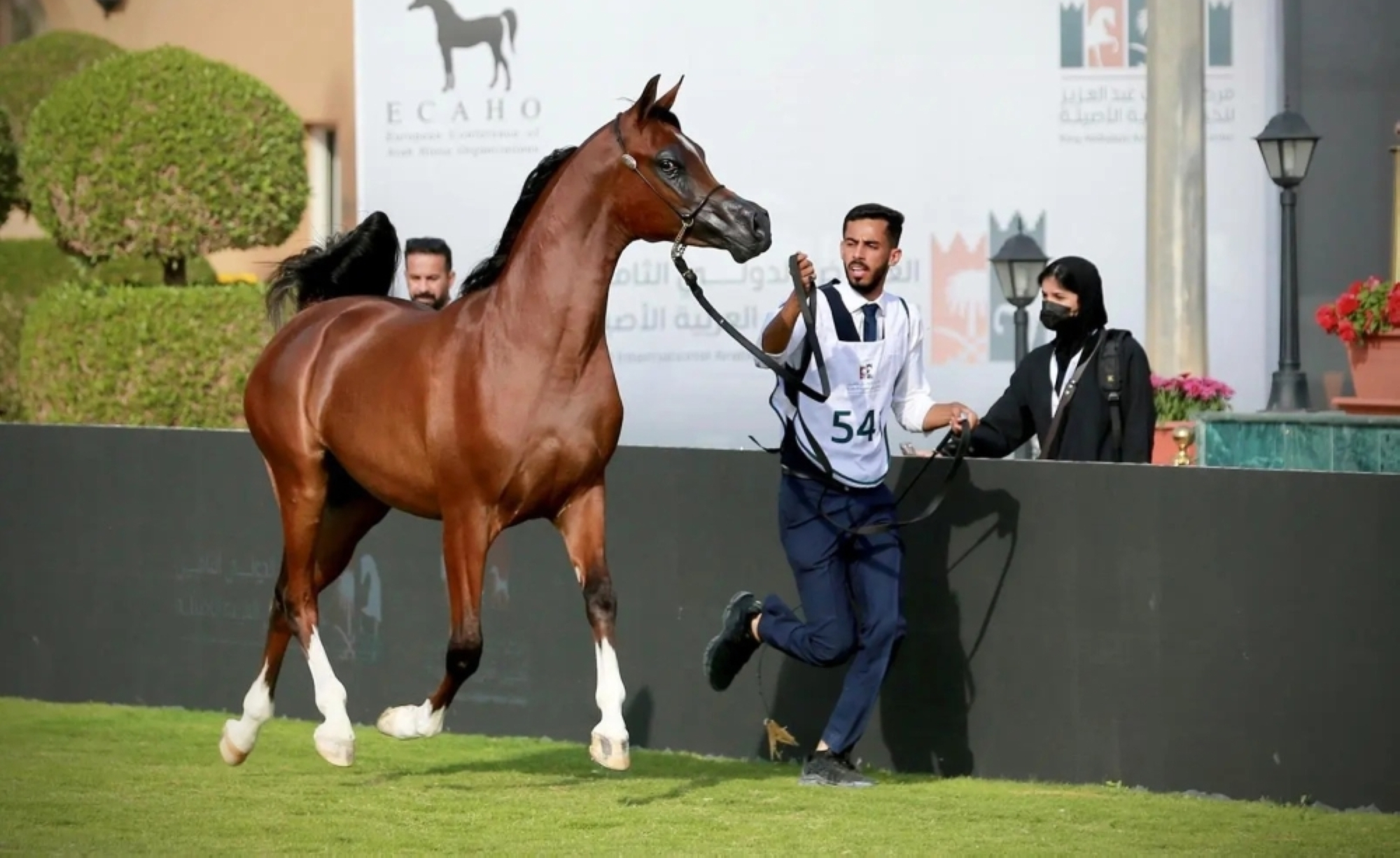
In a move aimed at strengthening Saudi Arabia's position as a leading global center for breeding purebred Arabian horses, the Minister of Environment, Water and Agriculture, Engineer Abdulrahman Al-Fadhli, approved a set of new regulations and requirements for registering these prestigious bloodlines. These measures are designed to streamline the registration process and ensure the preservation of lineage purity, in accordance with internationally recognized standards.
Historical legacy and modern organization
Arabian horses hold a unique place in the cultural and historical heritage of the Kingdom and the Arabian Peninsula, having been associated with horsemanship and nobility throughout the ages. Accordingly, the King Abdulaziz Arabian Horse Center works to protect this great legacy by documenting their pedigrees and ensuring their purity. The new regulations are an extension of these efforts, aiming to align national records with the requirements of the World Arabian Horse Organization (WAHO), thereby enhancing the value and credibility of horses registered in the Kingdom internationally.
Key new registration terms and conditions
The approved regulations stipulate a set of precise conditions that horse owners and breeders must adhere to, most notably:
- Birth notification deadline: The owner must notify the center of the birth of any purebred Arabian foal within a maximum period of 90 days from the date of birth, while emphasizing the accuracy of the information provided.
- Naming requirements: The horse's name must be appropriate, not violate customs, traditions, or religious beliefs, and must not exceed 25 characters. Duplication of names is prohibited to ensure a unique identity for each horse, and the name may be linked to the officially registered stud farm.
- Proof of lineage: It is required that the father (stallion) and mother (mare) of the horse to be registered be officially registered in the approved horse pedigree records.
- Application procedures: The registration application is submitted electronically via the “Nama” platform (Aseel Services), with all required data and documents attached, such as the horse’s name in Arabic and English, and information about the father and mother.
Expected impact on the equestrian sector
These regulations are expected to have a significant positive impact on the equestrian sector in the Kingdom. Locally, they will contribute to greater transparency and reliability in production and registration processes, protecting breeders' rights and increasing the market value of their horses. Regionally and internationally, the implementation of these stringent standards will enhance the Kingdom's reputation as a leader in preserving the purity of the Arabian horse breed and open up broader opportunities for exporting Saudi horses and participating in international competitions and events with greater confidence.
Responsibilities and implementation mechanisms
The regulations stipulate that the applicant bears full responsibility for the accuracy of the submitted data. The center will process applications that meet the requirements within 30 days. Upon acceptance of the application and payment of the required fee, the official registration certificate will be issued. The regulations also emphasize the application of strict penalties, according to the approved schedule of violations, to anyone who violates these requirements, thus ensuring full compliance and maintaining the integrity of the pedigree records for purebred Arabian horses.
Local News
Exemption from customs fines through voluntary disclosure in Saudi Arabia
The Saudi Zakat, Tax and Customs Authority announced the regulations for voluntary disclosure, which allow taxpayers to be fully exempted from customs violation fines when they rectify their situation before the violation is discovered.
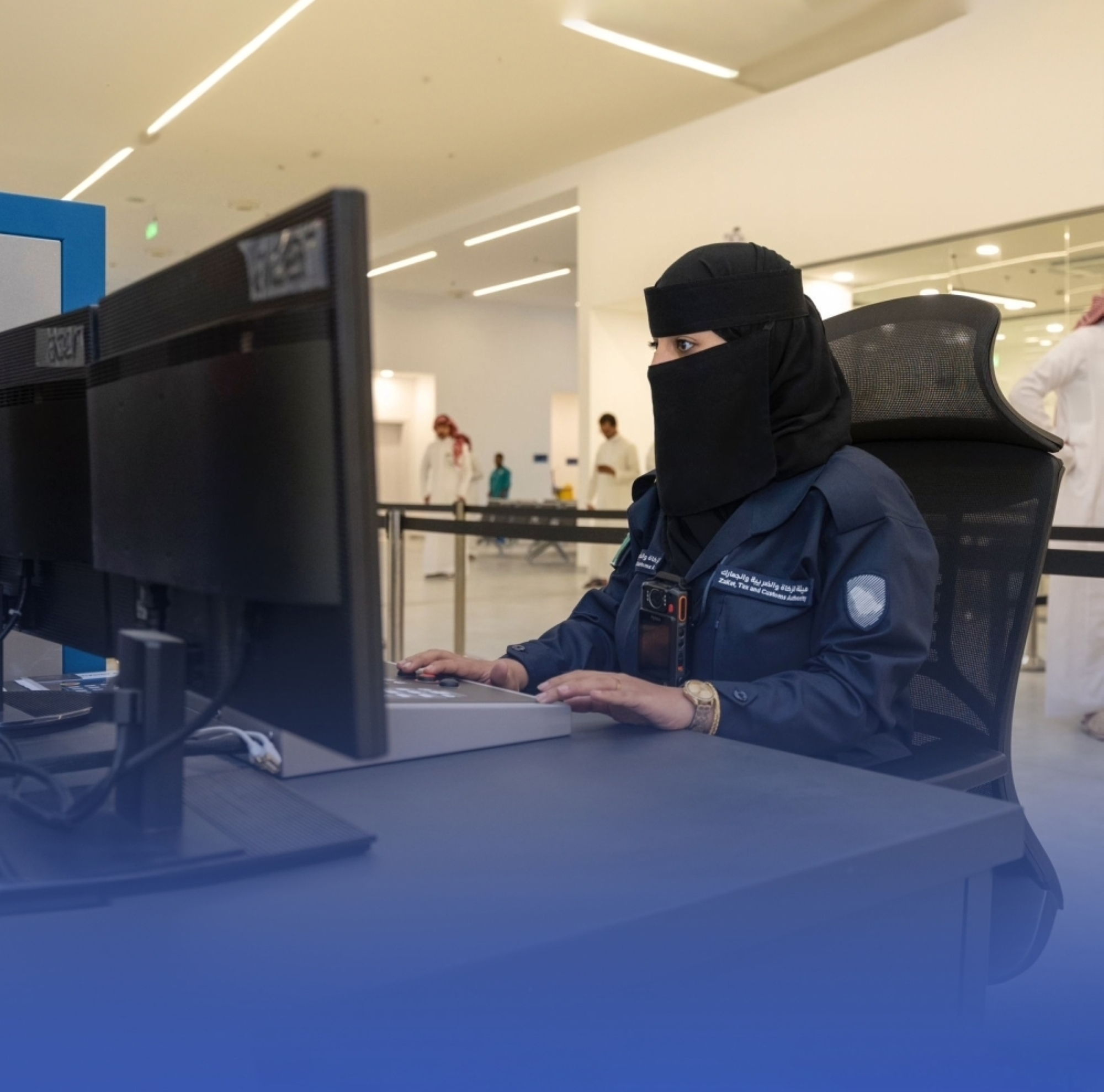
In a strategic move aimed at enhancing transparency and promoting voluntary compliance, the Board of Directors of the Zakat, Tax and Customs Authority (ZATCA) in the Kingdom of Saudi Arabia has adopted new “voluntary disclosure” regulations. These regulations allow taxpayers the opportunity for full exemption from fines for customs violations if they disclose and rectify them before the Authority discovers them. This decision, published in the official gazette “Umm Al-Qura,” supports the business environment and facilitates trade, in line with the economic objectives of the Kingdom’s Vision 2030.
Background and strategic context of the initiative
This initiative falls within the broader framework of reforms underway in the Kingdom to transform its economy into a more sustainable and competitive model. Since the launch of Vision 2030, the Saudi government has been working to develop its financial, tax, and customs systems to make them more efficient and transparent. The General Authority of Taxation and Customs (ZATCA) is a key player in this transformation, continuously striving to adopt global best practices that balance collecting government revenue with streamlining procedures for businesses. The voluntary disclosure program builds upon previous successful policies, such as initiatives to waive late payment penalties, underscoring the government's commitment to building a relationship based on trust and partnership with taxpayers.
The importance of the decision and its expected impact
The implementation of voluntary disclosure controls is of paramount importance on several levels. Locally , the decision is expected to encourage companies and importers to review their customs records and proactively correct any errors, thereby reducing the volume of customs disputes and issues and saving time and effort for both parties. It also enhances investor confidence in the Saudi regulatory environment. Regionally , this step contributes to the standardization and streamlining of customs procedures in line with the unified customs system of the Gulf Cooperation Council (GCC) countries, thus strengthening the Kingdom's position as a leading logistics and trade hub in the region. Internationally , the decision sends a positive signal to investors and international trading partners that the Kingdom is committed to implementing the transparency and fairness standards recommended by organizations such as the World Trade Organization (WTO) and the World Customs Organization (WCO), making the Saudi market more attractive to foreign direct investment.
Details of the rules and conditions
The voluntary disclosure regulations cover a wide range of irregularities related to customs data and declarations, such as errors in classifying goods, estimating their value, determining the country of origin, and any other information that may lead to discrepancies in applicable customs duties. For a disclosure request to be accepted, the authority stipulated several essential requirements:
- Self-initiative: The person responsible must submit the application before the violation is discovered by the authority or any audit or inspection procedures are initiated.
- Comprehensiveness and clarity: The application submitted through the Authority’s electronic platform must include all the required information and documents that clarify the nature of the violation and the financial differences.
- Payment of the principal amount: The exemption applies only to fines. The taxpayer must pay all customs duties and any outstanding balances within 30 days of being notified of the amount due.
Conversely, the regulations explicitly exclude cases of customs smuggling and related offenses, which will be subject to applicable legal procedures, including the possibility of amicable settlement in accordance with the law. These regulations are scheduled to take effect 30 days after their publication, giving the business sector an opportunity to prepare and benefit from this significant initiative.
Local News
Weather warning in Türkiye: Saudi embassy urges its citizens to be cautious
The Saudi Embassy in Türkiye has issued a warning to citizens about heavy rain and strong winds. Learn about the affected areas and important safety guidelines.
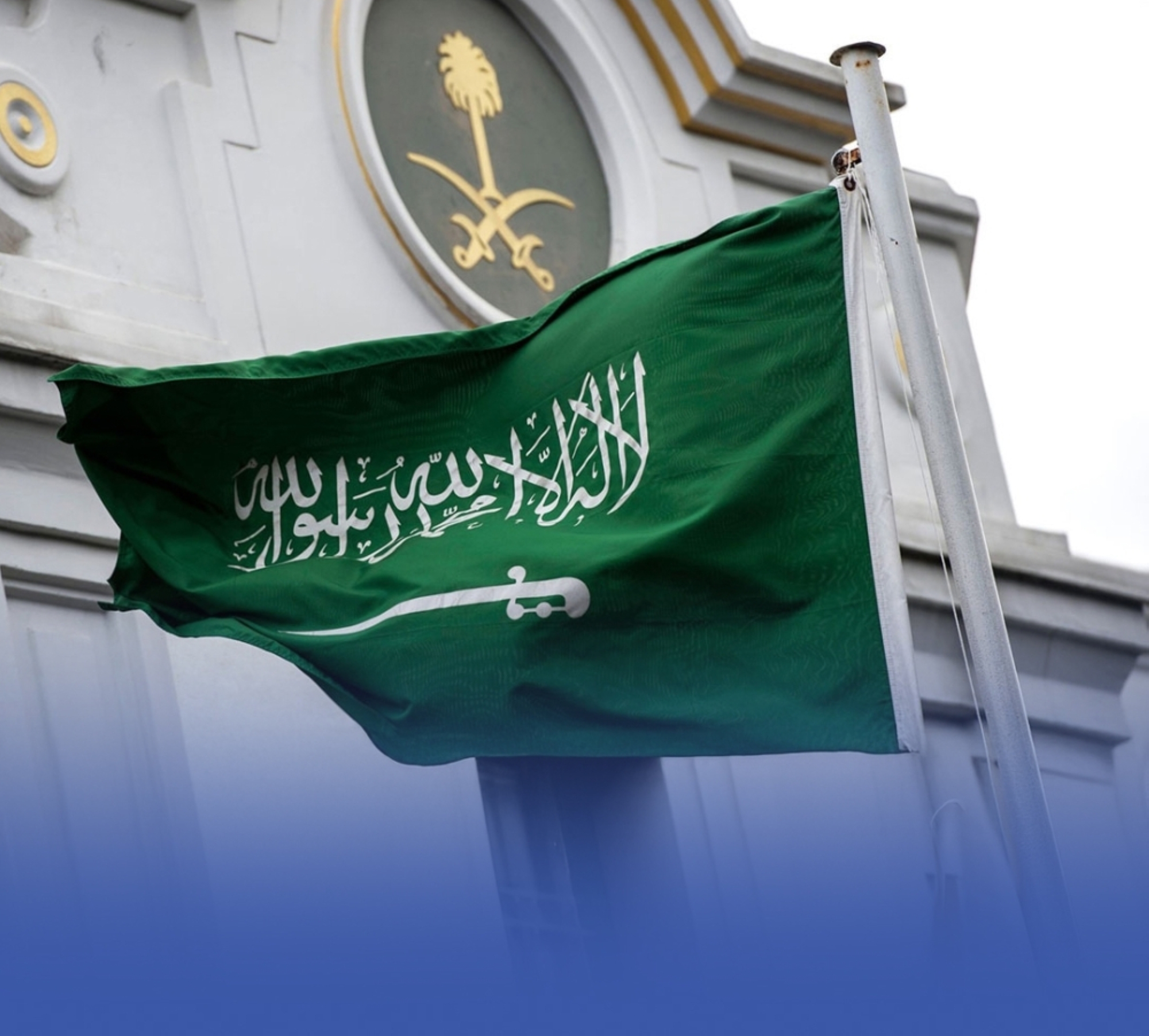
The Embassy of the Kingdom of Saudi Arabia in Ankara issued an important warning today, Friday, January 31, 2026, to Saudi citizens residing in and visiting the Republic of Turkey, urging them to exercise extreme caution. This warning comes in response to weather forecasts issued by the Turkish General Directorate of Meteorology, which predict severe weather conditions across large parts of the country.
According to the embassy statement, most of Turkey, particularly the Aegean region and the coastal areas along the western and eastern Mediterranean, is expected to experience unstable weather conditions. These conditions include heavy rainfall that could lead to flash floods in low-lying areas, as well as strong winds that could disrupt maritime and air traffic and potentially uproot trees or damage billboards.
Turkey's climatic and geographical context
Turkey, with its unique geographical location bridging Asia and Europe and bordering three major seas (the Mediterranean, the Aegean, and the Black Sea), is susceptible to complex and variable weather patterns, particularly during winter. At this time of year, the country is affected by low-pressure systems originating from the Mediterranean basin or the European continent, bringing with them significant amounts of rain, snow, and strong winds. Issuing warnings of this kind is a routine procedure undertaken by Turkish authorities to protect lives and property, as the country has extensive experience in dealing with such natural phenomena.
The importance of the warning and its expected impact
This warning is of utmost importance given the large number of Saudi citizens in Turkey, whether for tourism, work, or study. Ignoring such warnings could expose individuals to real dangers, such as landslides in mountainous areas or flash floods in valleys and coastal regions. These weather conditions are also expected to temporarily affect infrastructure, potentially leading to power outages, delays and cancellations of flights and ferry services, as well as difficulties in traveling on roads.
In this context, the embassy stressed the importance of citizens adhering to the instructions and guidelines issued by the relevant local authorities in Turkey, regularly monitoring weather forecasts, and staying away from low-lying coastal areas and floodplains. It also emphasized the importance of contacting the embassy in emergencies to receive necessary assistance, reflecting the vital role diplomatic missions play in looking after the affairs of their citizens abroad and ensuring their safety.
-

 Local News 5 days ago
Landslide in Riyadh: Details of the incident in Al-Sahafa neighborhood and containment efforts
-
 Local News 6 days ago
The death penalty was carried out against a citizen who stabbed another to death in Tabuk
-

 Culture and Art, 1 week ago
Ramez Galal in Ramadan 2026: Details of the bloody prank show
-

 Local news one week ago
First birth on the Riyadh train: A heartwarming story at Andalus station
-

 Culture and Art 5 days ago
Haifa Wehbe's absence in Riyadh: A photo crisis or a strained relationship with the media?
-
 Local News 5 days ago
Riyadh collapse: Emergency plans to secure water after a main pipeline burst
-

 Culture and Art 5 days ago
City Kitchen series: A drama of conflict and the middle class during Ramadan
-

 Culture and Art 5 days ago
The series "Kasra": Dawood Hussein in a moving social drama this Ramadan